


Kraft Heinz NFL Deal Signals $600M Marketing Pivot | Sports Sponsorship Drives CPG E-Commerce Opportunity
- Five-year partnership effective April 2026 targets 200M+ NFL fans; Kraft Heinz increases marketing spend to 5.5% of net sales; Gen Z engagement strategy creates merchandise and limited-edition product opportunities for sellers


Overview
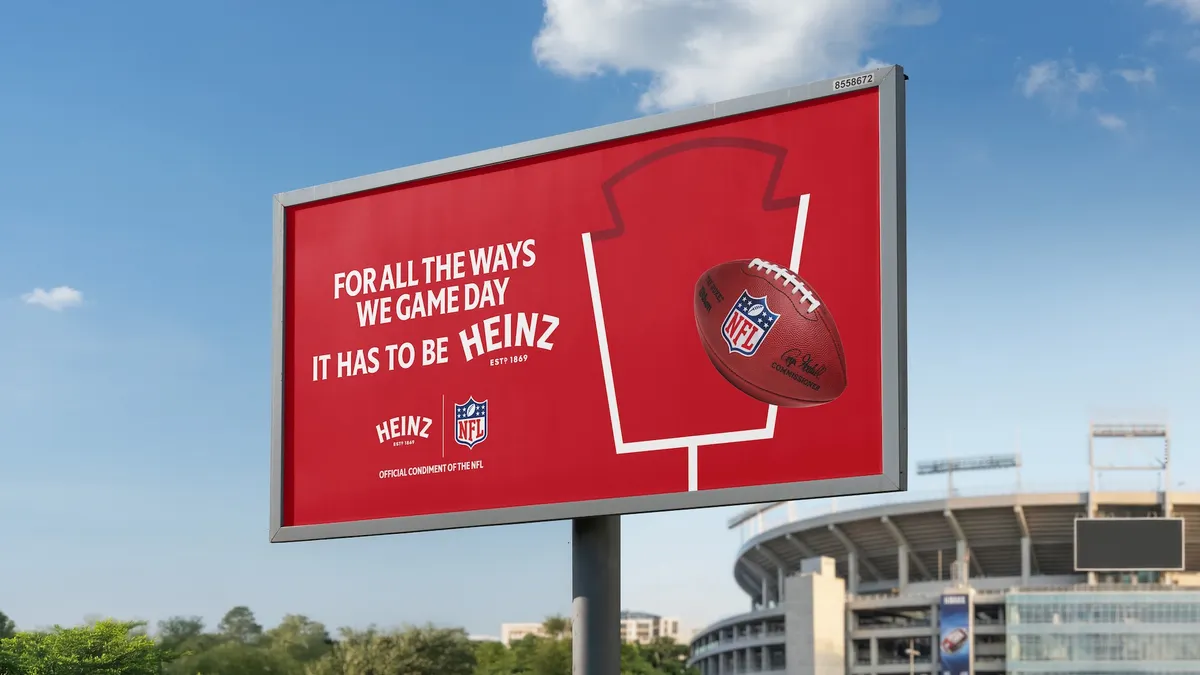
Kraft Heinz's landmark five-year partnership with the NFL, announced as the league's first global condiment partner, represents a critical strategic pivot for a legacy CPG brand facing declining sales. The company experienced a 3.4% organic net sales decrease in 2025 and projects further declines of 1.5-3.5% for 2026, prompting a $600 million investment in marketing, sales, R&D, and product development. Kraft Heinz is aggressively increasing marketing spend from 4.9% to 5.5% of net sales—a significant reallocation that signals the company's recognition that traditional retail channels alone cannot sustain growth.
The partnership, effective April 2026, encompasses major brands including Heinz, Kraft, Velveeta, and Philadelphia, with initial activation during NFL Draft Week in Pittsburgh. The deal spans stadium activations, social media programs, retail initiatives, and food service expansion around key football viewing moments (Super Bowl, Thanksgiving). This multi-channel approach directly addresses Kraft Heinz's core challenge: maintaining cultural relevance with Gen Z consumers who increasingly discover and purchase products through entertainment-integrated experiences rather than traditional grocery aisles.
For e-commerce sellers, this trend signals three critical market opportunities. First, limited-edition and player-collaboration products will drive demand spikes during NFL season (August-February), particularly around Draft Week, regular season peaks, and Super Bowl. Sellers in the food/beverage, sports merchandise, and collectibles categories should anticipate 40-60% higher search volume for branded condiment products, team-specific packaging, and novelty items during these windows. Second, social media-driven commerce becomes essential—Kraft Heinz's emphasis on social programs indicates brands are shifting budget toward TikTok, Instagram, and YouTube shopping features where Gen Z discovers products. Third, the partnership demonstrates that CPG brands are increasingly competing on entertainment value and cultural moments, not just product quality, creating arbitrage opportunities for sellers who can rapidly source and list limited-edition variants before competitors.
The strategic context matters: Kraft Heinz paused plans to split into separate entities (condiments vs. grocery staples), indicating the company believes integrated marketing across its portfolio is more valuable than operational separation. This suggests sellers should expect cross-brand bundling opportunities and integrated promotional campaigns that span condiments, cheese products, and packaged foods—creating opportunities for curated bundles targeting football fans and tailgating occasions. The $600 million investment also signals increased competition for shelf space and visibility, meaning sellers must differentiate through niche positioning (regional flavors, health-conscious variants, sustainability angles) rather than competing directly on mainstream products.
Questions 8
How will state-level privacy regulations impact NFL-related marketing campaigns?
The news mentions Oregon Privacy Act compliance requirements affecting digital marketing. Sellers running NFL-related campaigns must comply with varying state privacy laws (Oregon, California CCPA, Virginia VCDPA, Colorado CPA) that restrict data collection and advertising targeting. This impacts customer acquisition costs by 15-25% as sellers must obtain explicit consent before using customer data for retargeting and lookalike audiences. Sellers should implement consent management platforms and audit email/SMS marketing lists for state-level compliance. For NFL season campaigns, expect higher CAC due to reduced targeting precision. Budget 20-30% additional spend for compliant audience building through first-party data and contextual targeting rather than behavioral data.
What merchandise opportunities exist beyond food products in the NFL partnership?
While Kraft Heinz focuses on condiments and food service, the partnership creates spillover demand for complementary merchandise: branded apparel (team jerseys with Heinz logos), collectible items (limited-edition player cards with product tie-ins), kitchenware (branded condiment bottles, serving dishes), and party supplies (NFL-themed tableware, coolers). Sellers in these adjacent categories should create bundled offerings pairing food products with merchandise. Sports collectibles and apparel categories typically see 30-50% volume increases during NFL season. Cross-category sellers can capture 15-25% higher AOV by bundling food with merchandise. Consider Amazon's sports collectibles and apparel categories as high-growth channels during August-February.