
)




Ukraine Drone Tech IPO Surge 700% | Cross-Border Logistics Revolution for E-Commerce Sellers
- Swarmer's March 2026 Nasdaq debut signals $35B defense industry capacity shift toward commercial drone delivery, creating last-mile logistics opportunities for sellers shipping 500+ units monthly across US-EU corridors





















Overview
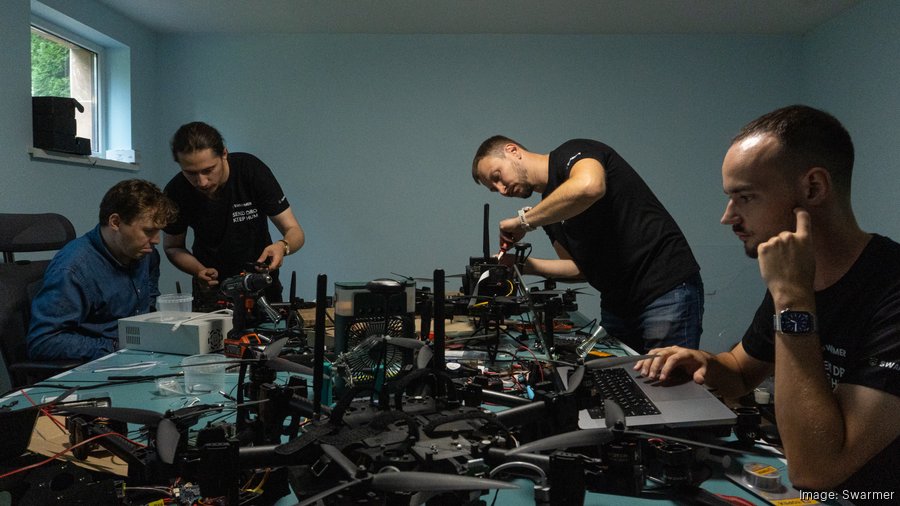
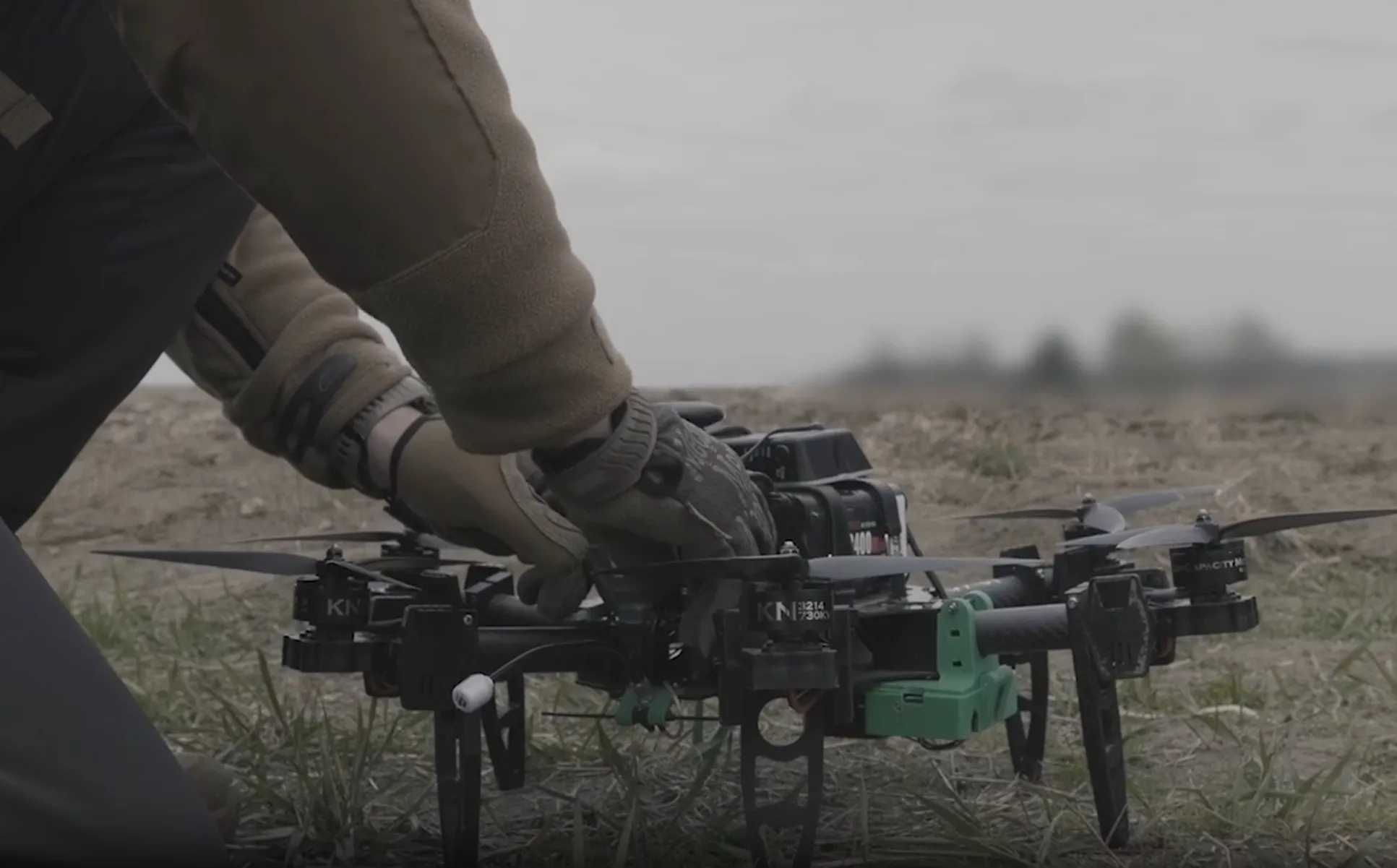
Ukrainian drone manufacturer Swarmer achieved a record-breaking 700% stock surge on Nasdaq in March 2026, raising $15 million and closing at $31 on its first trading day—one of the most dramatic IPO performances in recent market history. This represents a critical inflection point for cross-border e-commerce sellers, as Ukraine's $35 billion defense industry production capacity is transitioning toward commercial applications. The news signals three major implications for e-commerce logistics: (1) accelerated development of autonomous delivery systems that will reshape last-mile economics, (2) emergence of Ukrainian-American joint ventures in drone manufacturing creating new 3PL provider options, and (3) capital availability surge in logistics automation technology that will drive innovation in warehouse and fulfillment operations.
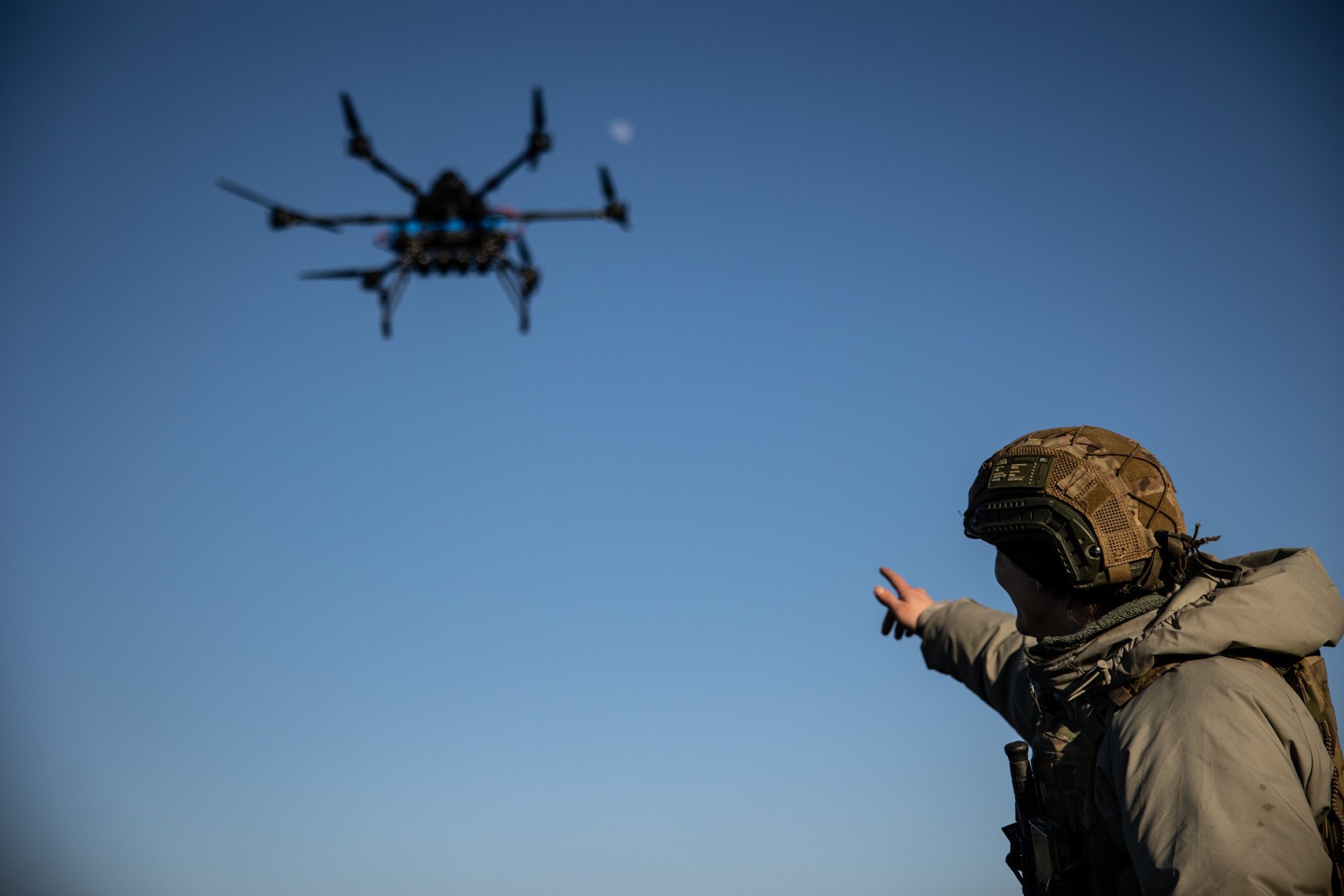
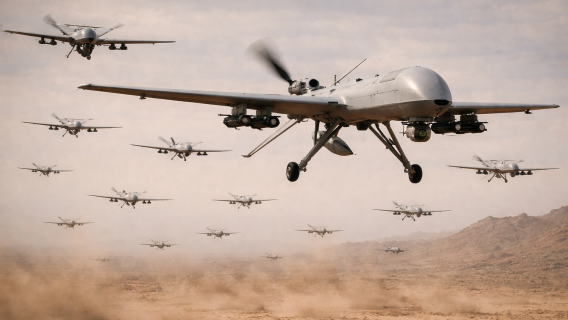
The competitive advantage window is narrowing for sellers who don't adapt logistics strategies. Swarmer's technology—enabling single pilots to control hundreds of drones simultaneously using machine-learning models trained on 100,000+ real-world combat missions since 2024—represents a 5-10 year technological leap over existing commercial drone systems. For sellers currently using traditional 3PL providers, this creates immediate pressure: companies like Powerus are planning joint ventures with Ukrainian manufacturers once export restrictions ease (anticipated 2026-2027), meaning new drone-enabled fulfillment options will enter the market within 12-18 months. Sellers shipping high-volume, time-sensitive products (electronics, apparel, perishables) to US and EU markets should expect 20-30% cost reductions in last-mile delivery by 2027-2028 as these systems scale.
The geopolitical-to-commercial pipeline is accelerating capital deployment. Ukraine's defense industry received only $6.1 billion in foreign funding against $35 billion production capacity in 2025—a 5.7x funding gap that Swarmer's IPO begins closing. Erik Prince's involvement as non-executive chairman and Mike Pompeo's board seat at Fire Point signal institutional credibility that will attract venture capital to Ukrainian defense-tech startups. For cross-border sellers, this means: (1) new logistics technology providers will emerge from Ukraine with proven combat-tested reliability, (2) US-based sellers can access lower-cost drone delivery infrastructure through Ukrainian partnerships, and (3) EU sellers face competitive pressure as American companies gain first-mover advantage in adopting these technologies. The Pentagon's interest in "cost-effective drone solutions" directly translates to commercial applications—military-grade reliability at 40-50% lower cost than legacy systems.
Questions 8
What are the risks of relying on Ukrainian drone delivery technology for my fulfillment strategy?
Primary risks include: (1) geopolitical uncertainty—ongoing conflict could disrupt manufacturing or export approvals, (2) technology unproven in commercial scale—100,000 combat missions don't guarantee e-commerce reliability, (3) regulatory delays—FAA approval for autonomous delivery in US airspace remains uncertain, (4) vendor concentration—early-stage startups may face funding or operational challenges. Swarmer's stock volatility (declining 8.13% after initial 700% surge) demonstrates speculative nature of aerospace IPOs. Sellers should adopt a 'hedge' strategy: test drone delivery with 10-15% of fulfillment volume in 2026-2027, maintain traditional 3PL relationships, and monitor regulatory developments. Avoid over-committing to single Ukrainian providers until 2-3 years of commercial operational data exists.
How should I position my business to capitalize on this drone technology shift?
Immediate actions (0-3 months): Identify which product categories and delivery zones could benefit from drone delivery (time-sensitive items, 50-mile radius from fulfillment centers). Contact 3PL providers about drone pilot programs—Powerus and other American companies planning Ukrainian partnerships will likely launch pilots by Q4 2026. Strategic adjustments (3-12 months): Allocate 10-15% of fulfillment volume to test drone delivery, measure cost savings and delivery speed improvements, build internal capabilities to manage drone-enabled orders. Long-term positioning (12+ months): Develop supplier relationships with Ukrainian drone manufacturers entering US market, consider geographic expansion to regions with drone-friendly regulations (Texas, Arizona, California leading adoption). Risk mitigation: Maintain 85-90% traditional fulfillment capacity through 2027, monitor FAA regulatory developments, diversify 3PL providers to avoid single-vendor dependency.