

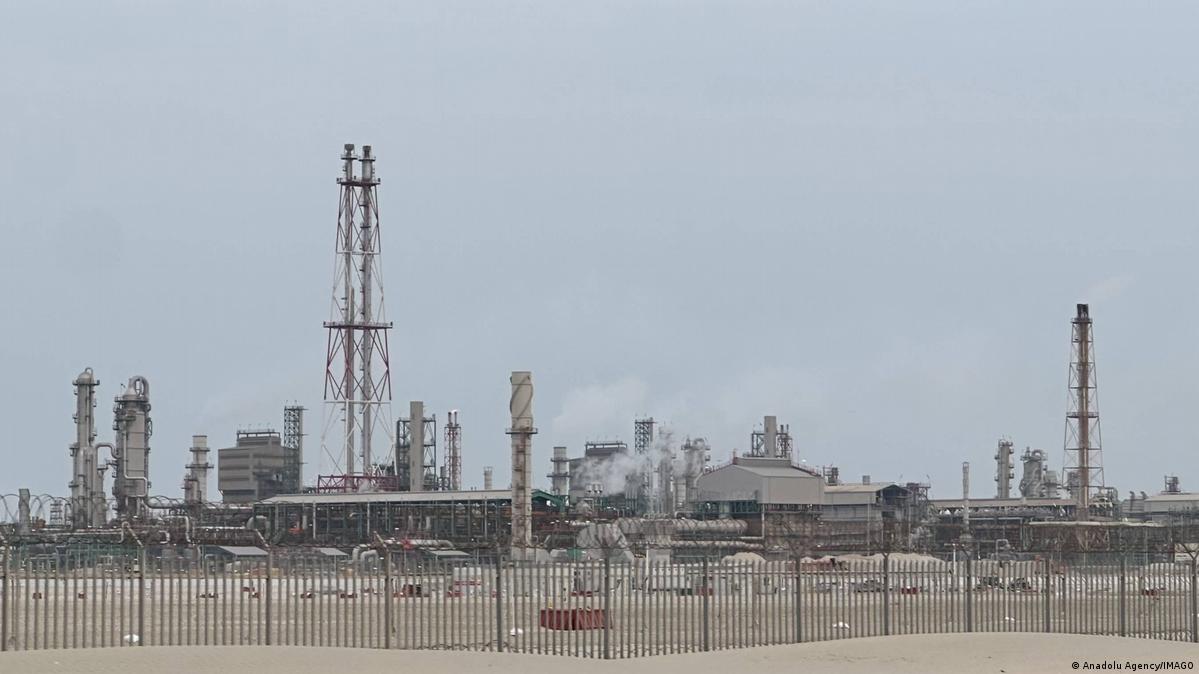



Middle East Energy Crisis Drives 25% Shipping Cost Surge | Cross-Border Sellers Face Critical Margin Compression
- Brent crude surges to $112/barrel; UK gas prices jump 19%; European wholesale gas up 25%; sellers face 8-15% logistics cost increases within 30 days











Overview
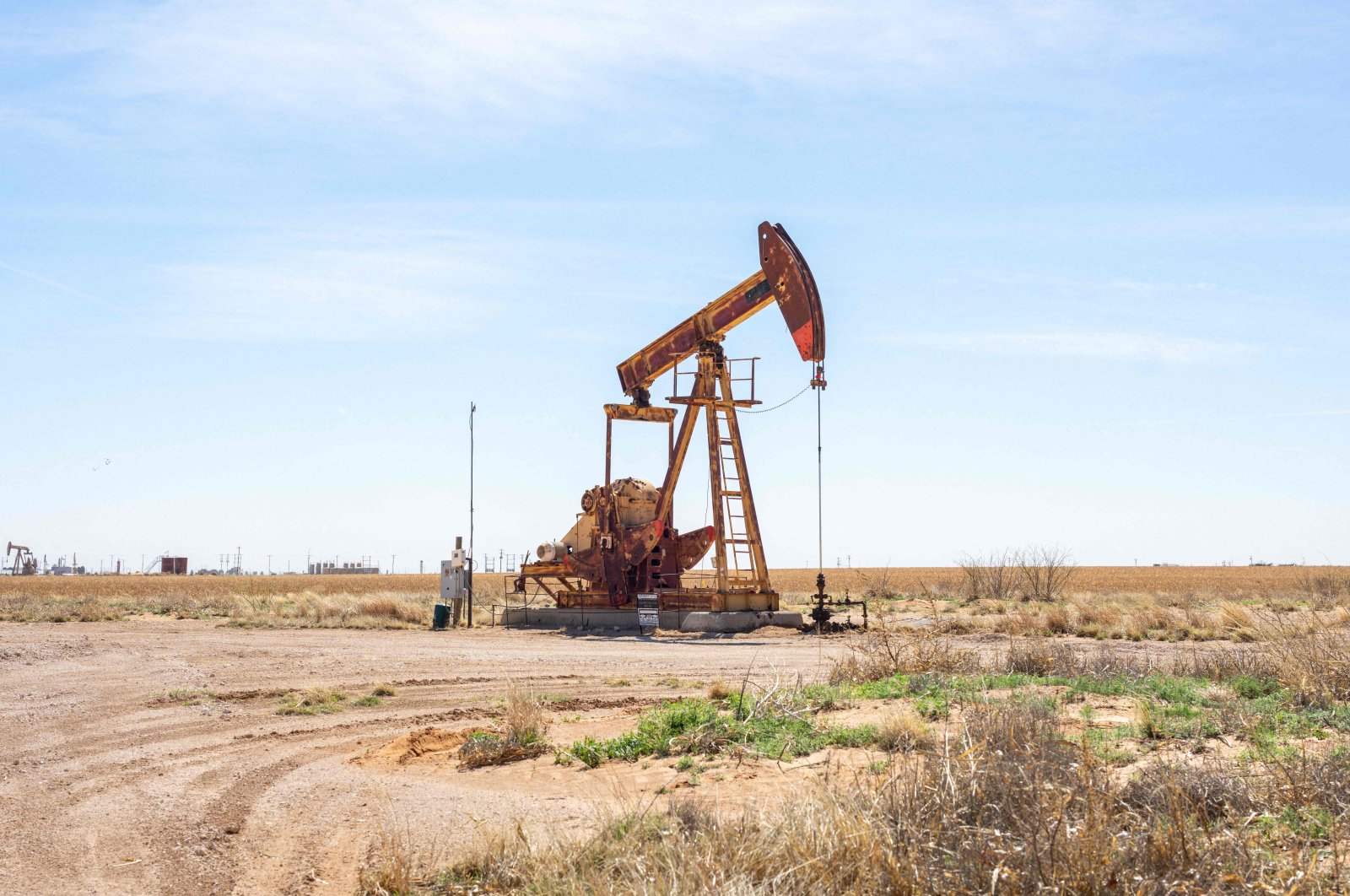
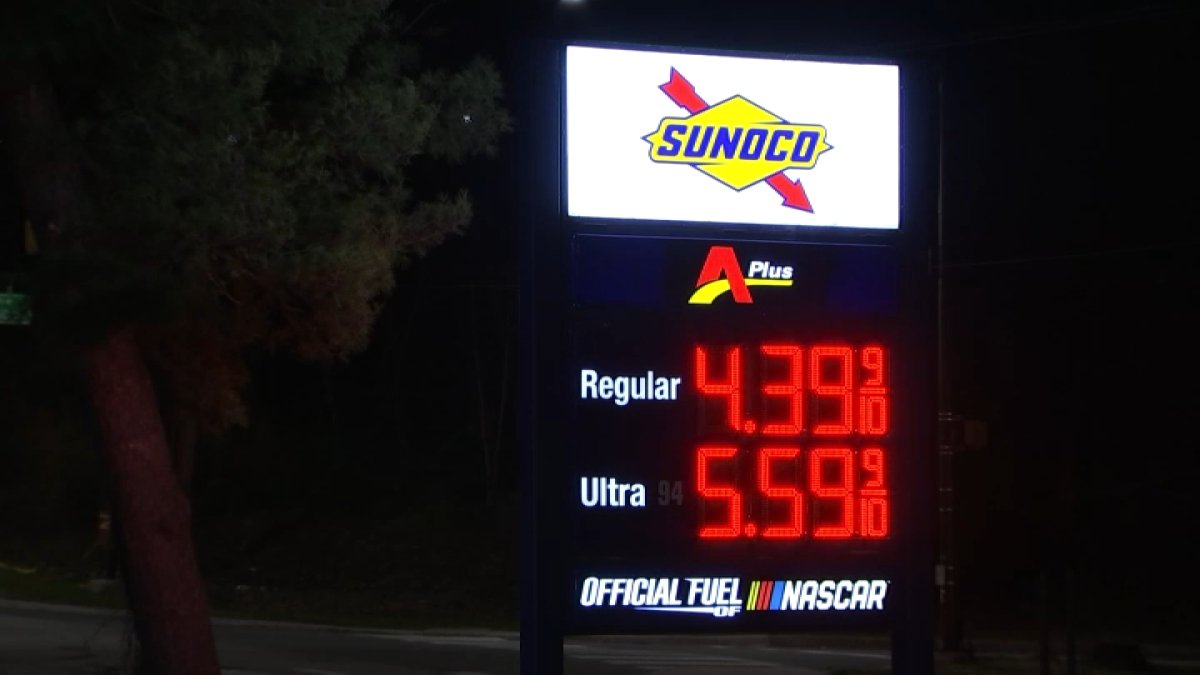
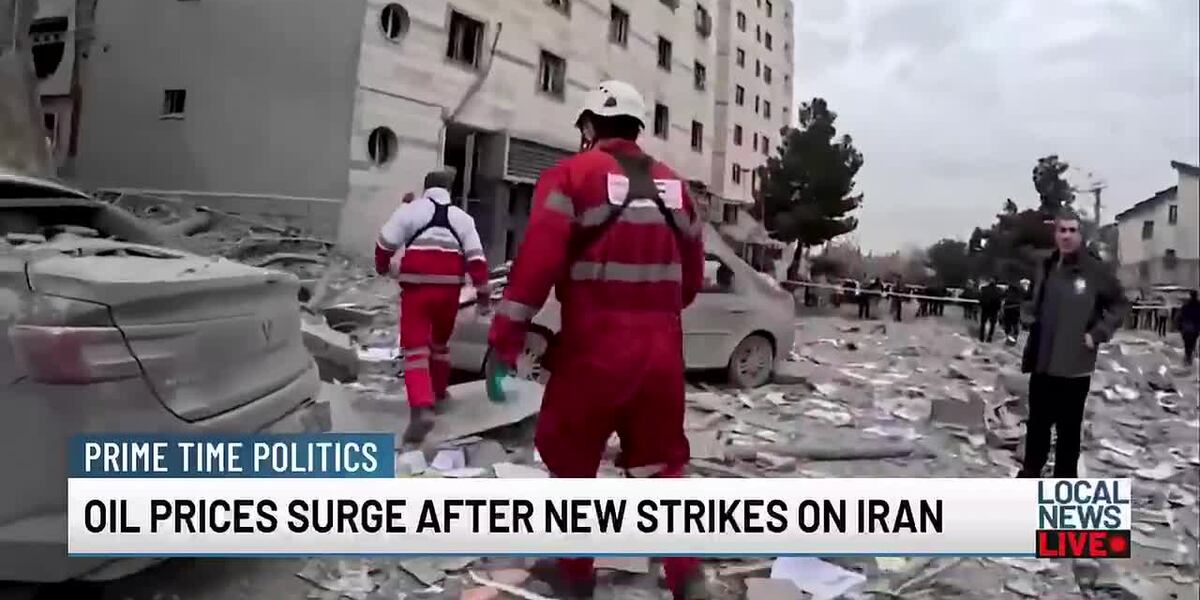
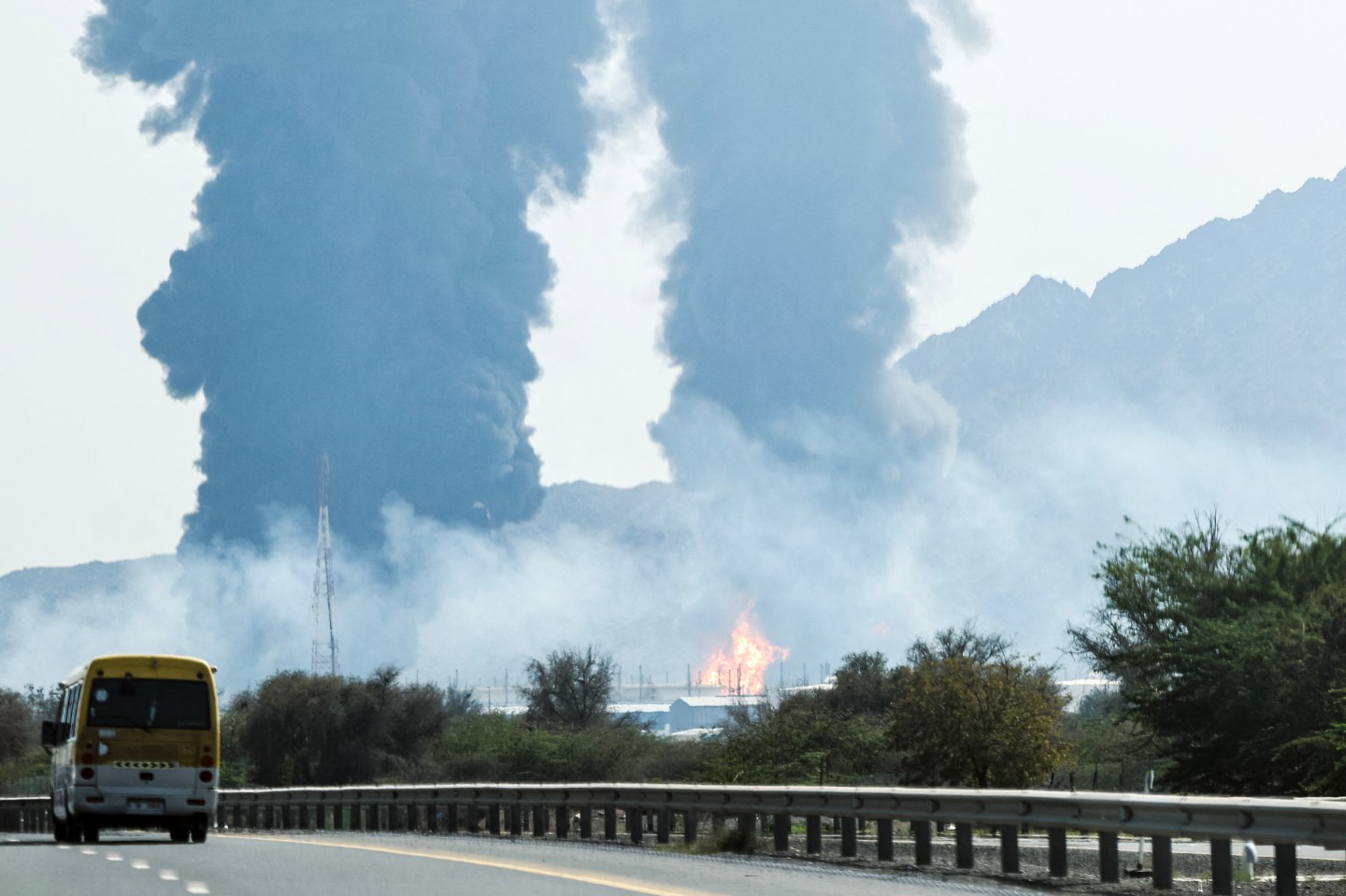
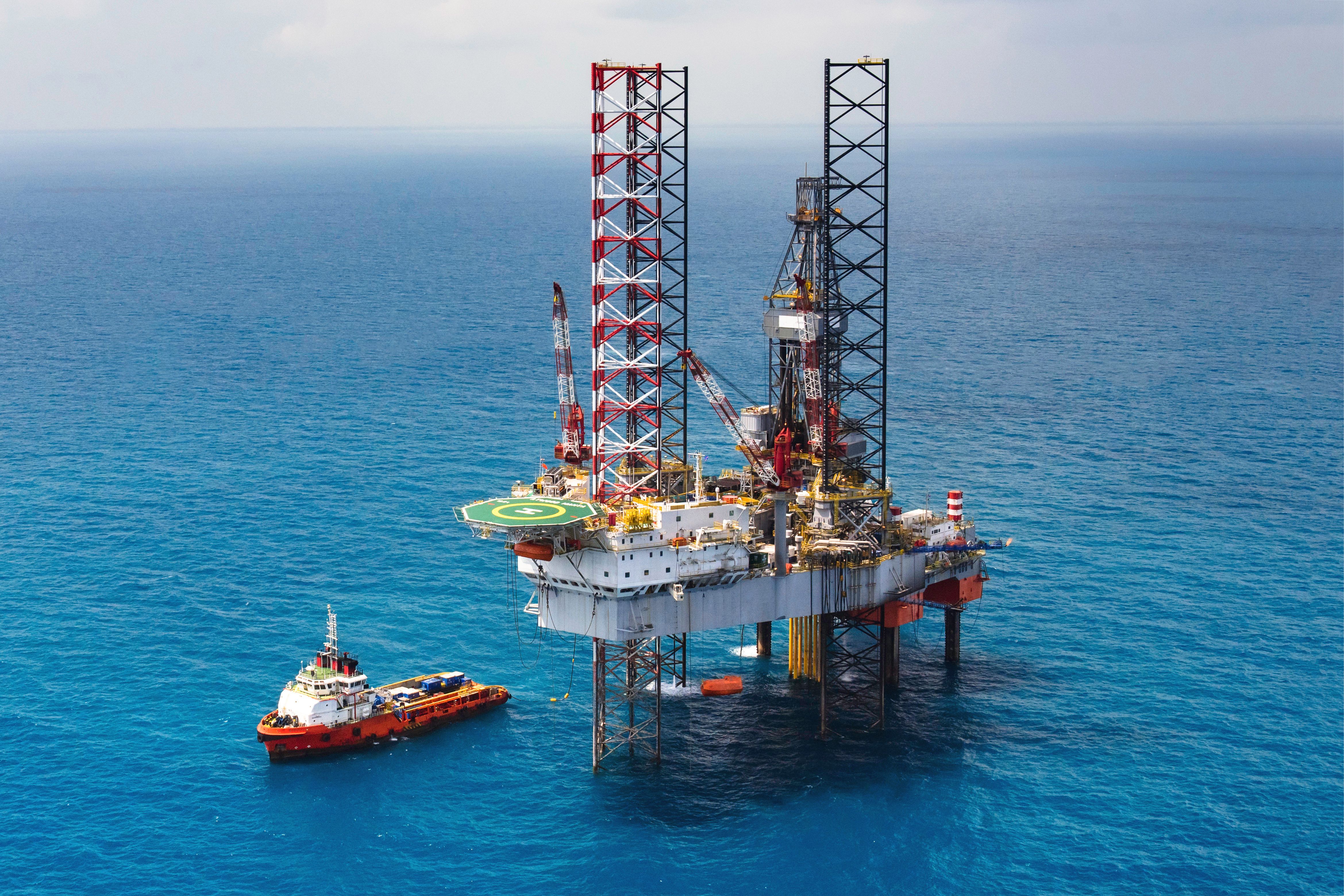
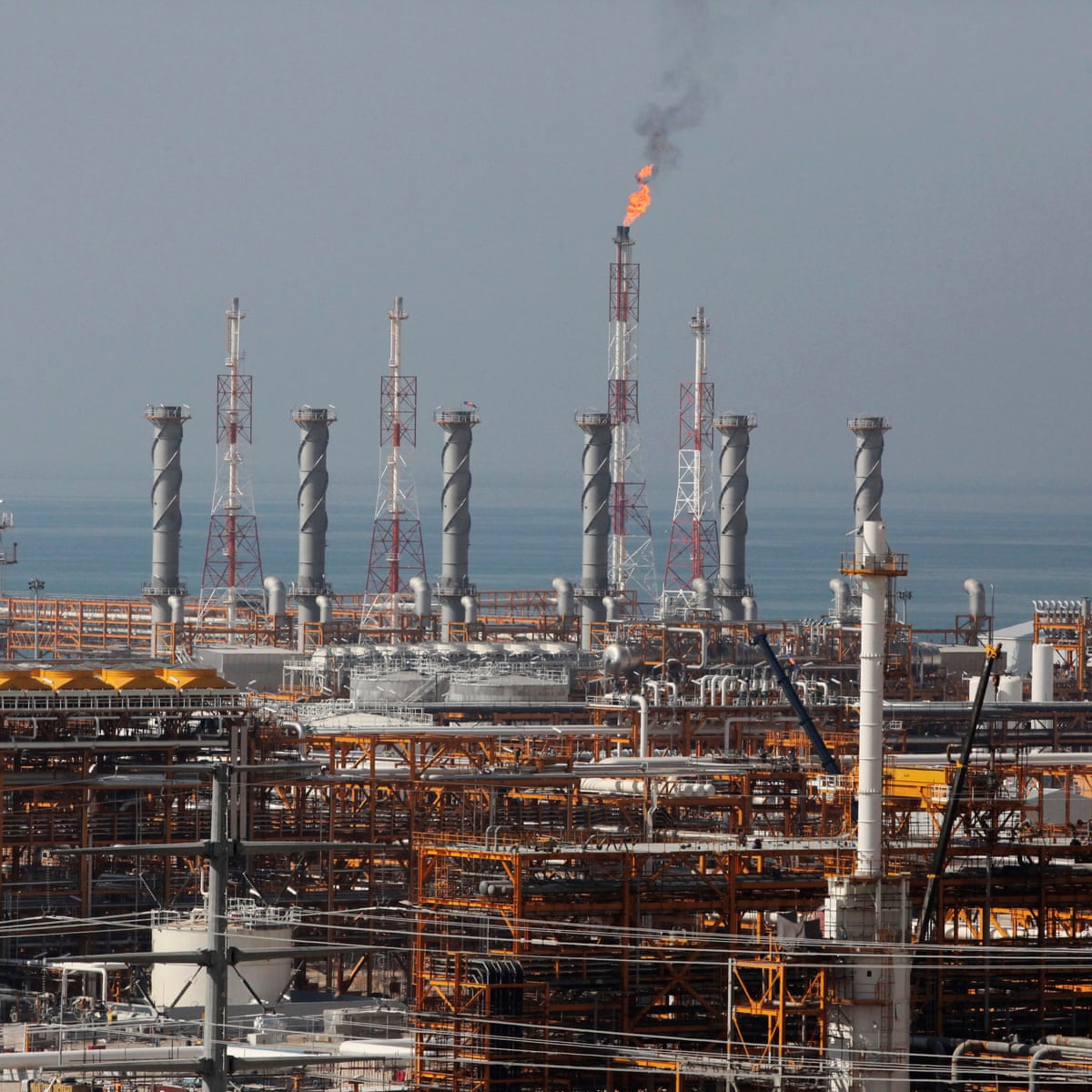
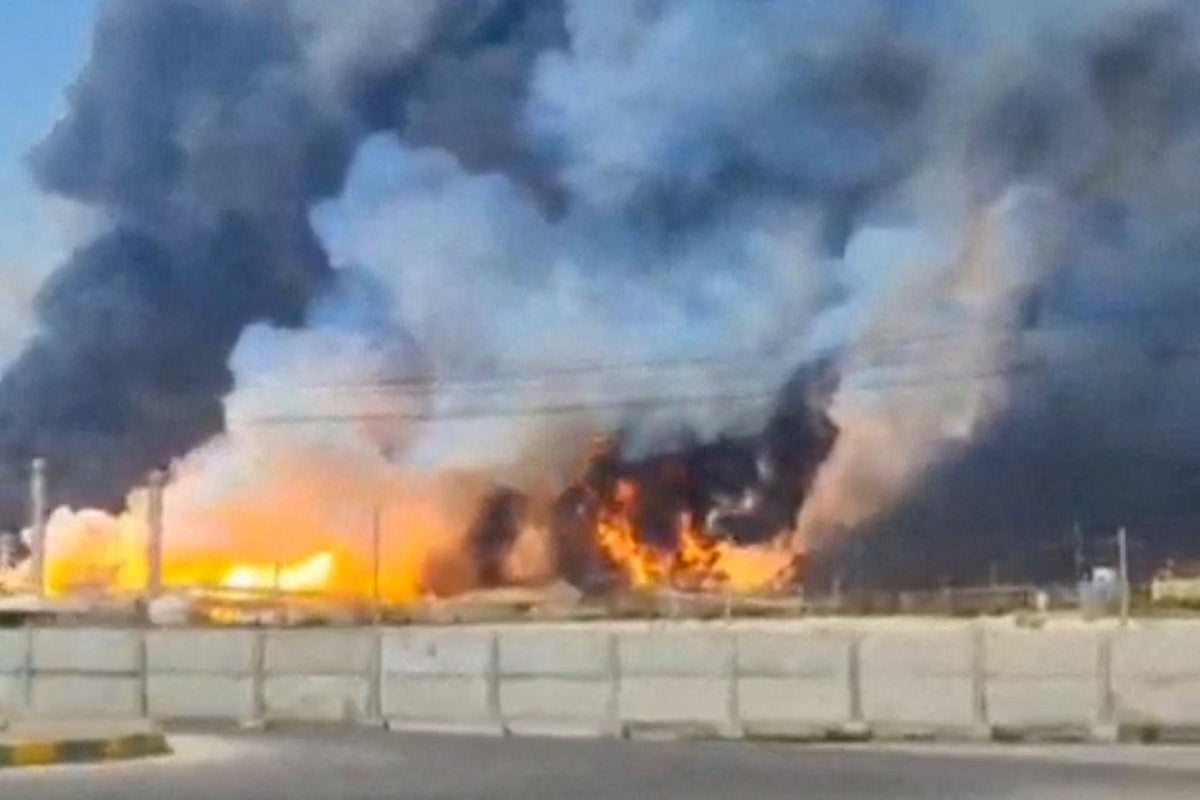
The March 19, 2026 military escalation targeting Qatar's Ras Laffan LNG facility—responsible for 20% of global LNG supply—has triggered an immediate energy crisis with cascading implications for cross-border e-commerce logistics costs. With Brent crude oil settling at $112/barrel (up from baseline), UK gas prices at 165p per therm (+19%), and European wholesale gas at three-year highs (+25%), the energy shock is translating directly into fuel surcharges across international shipping corridors. For cross-border sellers, this represents an 8-15% increase in logistics expenses within the next 30 days, with the most acute pressure on air freight and expedited shipping methods.
The supply disruption creates a two-tier competitive advantage structure. Large sellers with established 3PL relationships and pre-negotiated fuel surcharge caps are experiencing 5-8% cost increases, while small-to-medium sellers (SMEs) relying on spot-market freight rates face 12-18% surcharges. Sellers shipping cold-chain products (frozen foods, pharmaceuticals, cosmetics requiring temperature control) face the steepest penalties, as refrigerated transport is energy-intensive and cannot be easily substituted. The Ras Laffan facility's offline status means LNG cannot be quickly replaced—Nick Butler, former BP strategy head, confirmed substitution is impossible in the short term, creating sustained upward pressure on energy prices through at least Q2 2026.
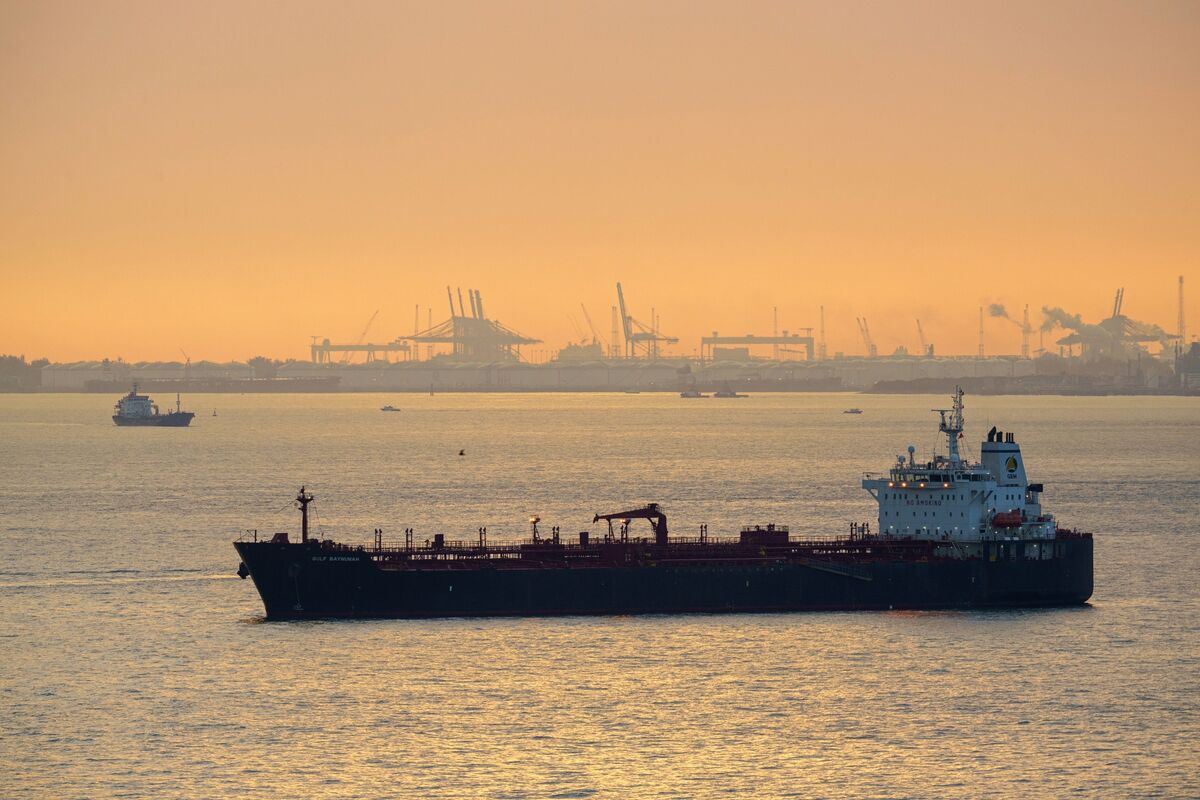
Strategic sourcing shifts are already emerging. The Strait of Hormuz—handling 20% of global oil supply—faces heightened geopolitical risk, creating incentives for sellers to diversify sourcing away from Middle East-dependent supply chains. Vietnam and India-based manufacturers are seeing increased inquiry volumes as sellers hedge against energy-driven cost escalation in traditional China-sourcing corridors. Additionally, the US Treasury's consideration of suspending sanctions on Iranian oil (affecting 140 million barrels in transit) signals potential price stabilization by Q2, creating a 60-90 day window of elevated but potentially declining costs. Sellers should immediately audit their 3PL contracts for fuel surcharge clauses, consolidate shipments to reduce per-unit energy costs, and consider shifting 20-30% of inventory to slower, more economical shipping methods (ocean freight vs. air) where product shelf-life permits.
Immediate operational impact: Energy-intensive categories (electronics requiring manufacturing in high-energy regions, cold-chain logistics, heavy goods) face margin compression of 3-8 percentage points. Sellers dependent on time-sensitive deliveries (fashion, seasonal goods, perishables) face potential 5-14 day delays as shipping capacity shifts toward lower-cost, slower routes. The competitive window favors sellers with diversified logistics networks, pre-negotiated fuel caps, and inventory flexibility to shift between shipping methods based on real-time energy pricing.
Questions 8
What sourcing alternatives reduce exposure to energy-driven cost increases?
Diversify sourcing to Vietnam and India, which have lower energy-dependent manufacturing costs and are experiencing increased inquiry volumes from sellers hedging against Middle East geopolitical risk. Vietnam-based manufacturers typically offer 5-8% cost advantages over China for electronics and apparel due to lower energy costs and reduced Strait of Hormuz exposure. India offers 3-6% advantages for pharmaceuticals and cold-chain products. However, transition timelines are 60-90 days. For immediate relief, negotiate volume discounts with existing suppliers to offset fuel surcharges. Consider nearshoring to Mexico or Central America for US-based sellers to reduce shipping distances and energy costs by 10-15%.
How long will elevated energy prices impact my shipping costs?
Energy prices will remain elevated through at least Q2 2026 (90+ days) based on current supply disruptions. Qatar's Ras Laffan facility (20% of global LNG supply) is offline with no quick substitution available. The US Treasury is considering suspending Iranian oil sanctions (140 million barrels in transit), which could stabilize prices by late April/early May 2026. However, geopolitical tensions remain fluid—additional attacks could extend the crisis. Plan for sustained 8-15% cost increases through June 2026, with potential relief in Q3 if diplomatic efforts succeed. Monitor weekly energy price indices (Brent crude, European natural gas) and adjust inventory planning accordingly. Lock in favorable 3PL rates now before further escalation.