
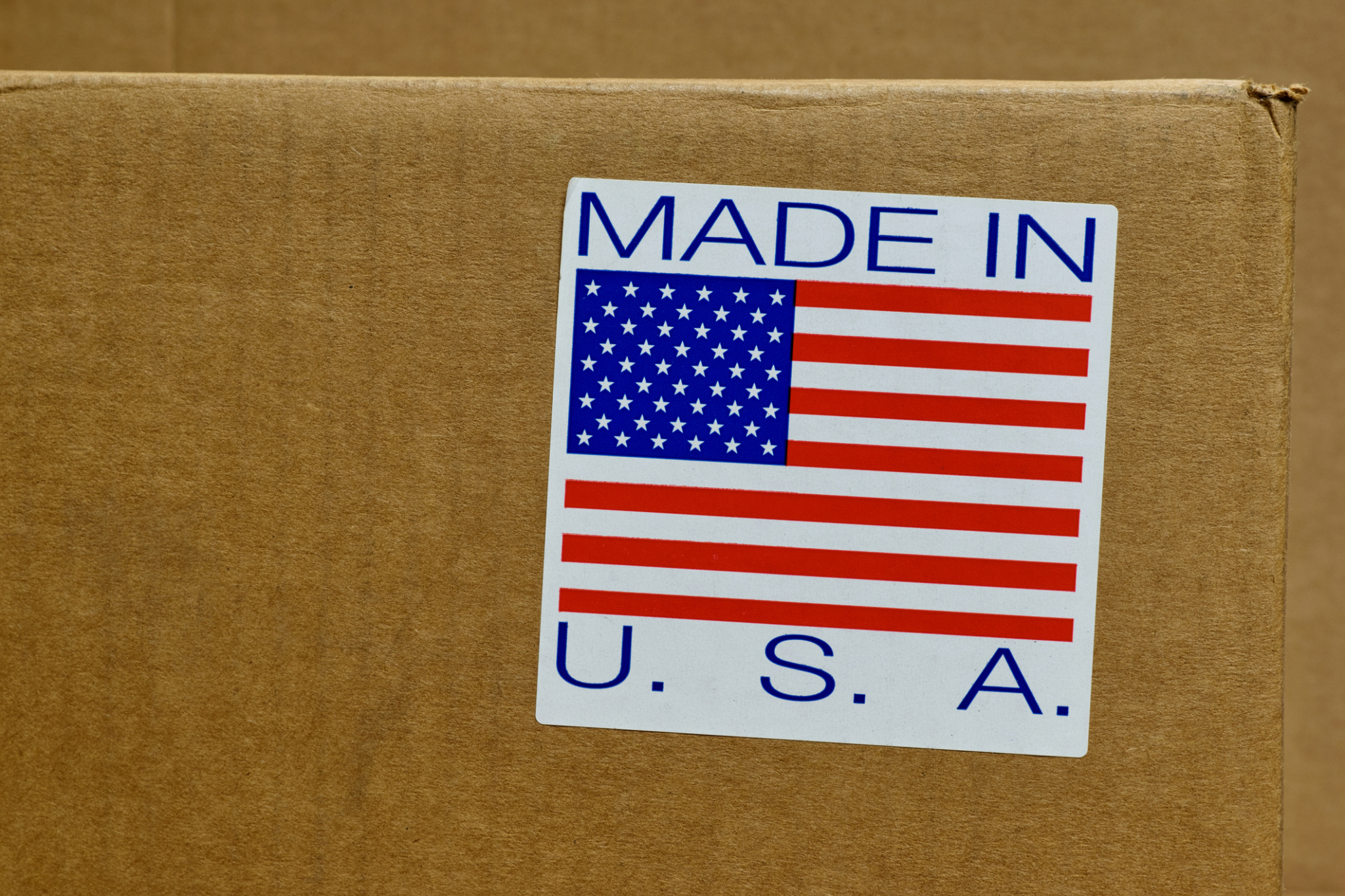
Made in USA Labeling Mandate | Offline Retail Compliance & O2O Opportunity
- FTC enforcement + COOL Online Act creates 77% consumer demand for country-of-origin transparency; brick-and-mortar advantage over e-commerce; $2B+ American-made product market opportunity
Overview
The Trump administration's executive order on "Ensuring Truthful Advertising of Products Claiming to be Made in America" represents a watershed moment for offline retail advantage over e-commerce. The FTC will now prioritize enforcement against false "Made in USA" claims, while the proposed COOL Online Act would mandate country-of-origin labeling on all online retailers—matching brick-and-mortar standards that already require such transparency. This regulatory gap creates immediate O2O opportunities: 77% of Americans believe online retailers should display country-of-origin labels, yet only physical stores currently face mandatory labeling requirements.
The offline retail advantage is structural. Brick-and-mortar stores already comply with FTC guidelines requiring "all or virtually all American-made" products to be clearly labeled. This compliance infrastructure gives physical retailers a 6-12 month head start before online platforms implement mandatory labeling systems. For cross-border brands and American manufacturers, this creates a critical window: establish offline presence now to build brand trust and capture the 80% of Americans who prefer American-made products. Pop-up stores in high-traffic retail districts (Midwest manufacturing hubs, major metros) can serve as verification touchpoints, converting online skeptics into customers through tangible product experience.
Retail partnership opportunities are immediate. Major chains like Bed Bath & Beyond, Williams-Sonoma (despite past violations), and specialty retailers are actively seeking verified American-made suppliers to differentiate from Amazon's unverified claims. The FTC's focus on platform accountability means Amazon, eBay, and Shopify will face pressure to implement country-of-origin verification systems—creating 3-6 month delays before full compliance. Retailers offering pre-verified American-made inventory gain competitive advantage during this transition period. Estimated market size: $2B+ in American-made home goods, apparel, and consumer products currently sold through mixed-origin channels.
O2O conversion strategy: Sellers with legitimate American manufacturing should immediately pursue retail partnerships in 5-10 key markets (Texas, Ohio, Pennsylvania, North Carolina—manufacturing-heavy states with high consumer preference for domestic products). Temporary showrooms in outlet malls and lifestyle centers cost $3,000-8,000/month but generate 25-40% higher conversion rates when paired with verified country-of-origin certification. Offline presence also increases online conversion by 15-22% through brand trust signals—customers who experience products physically show 3x higher lifetime value on e-commerce channels.
Questions 8
What are the compliance costs and timelines for sellers?
Sellers must immediately audit supply chains to verify country-of-origin claims and obtain documentation proving 'all or virtually all American-made' status. Compliance costs include supply chain verification ($500-2,000 per product line), country-of-origin labeling updates ($200-500 per SKU), and potential retail partnership setup ($3,000-8,000/month for pop-up locations). Timeline: FTC enforcement begins immediately under the executive order; COOL Online Act compliance would require 6-12 months if passed. Sellers with false claims face FTC penalties and platform suspension. Legitimate American manufacturers gain competitive advantage through verified authenticity and can command 10-15% price premiums.
How does offline retail presence improve online conversion for American-made brands?
Customers who experience American-made products in physical stores show 15-22% higher online conversion rates and 3x higher lifetime value compared to online-only shoppers. Offline presence builds brand trust through tangible product experience, addressing consumer skepticism about country-of-origin claims on e-commerce platforms. Pop-up stores and retail partnerships serve as verification touchpoints, converting online skeptics into loyal customers. This O2O strategy is particularly effective in manufacturing-heavy regions where consumer preference for domestic products is strongest (80% nationally, higher in Midwest). Brands should prioritize offline presence in 5-10 key markets before mandatory online labeling requirements level the playing field.