




Energy Crisis Drives 15-25% Shipping Cost Surge | Cross-Border Seller Impact
- Middle East oil exports collapse 66% (25.13M to 9.71M barrels daily); Brent crude hits $150/barrel with $200+ forecasts; SME sellers face margin compression while large platforms leverage hedging advantages












Overview
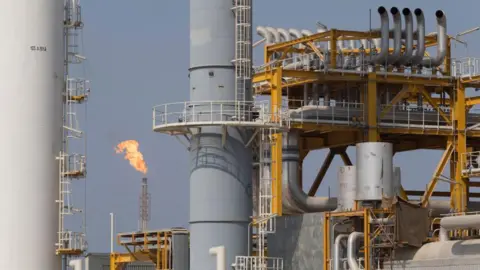
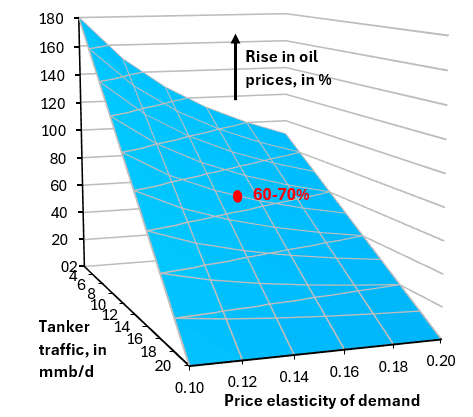
The Middle East energy infrastructure collapse represents a critical supply chain inflection point for cross-border e-commerce sellers. Middle East oil exports plummeted from 25.13 million barrels daily in February 2024 to 9.71 million barrels by mid-March—a two-thirds decline eliminating the projected 3.7 million barrel daily surplus. The International Energy Agency estimates 10 million barrels daily offline across Iraq (-2.9M), Saudi Arabia (-2-2.5M), UAE (-1.5M), and Kuwait (-1.3M). Brent crude has reached $150/barrel with analysts including Onyx Capital Group CEO Greg Newman and Longview Economics Chief Market Strategist Chris Watling projecting $200+ per barrel, with some forecasting $250. This energy shock directly translates to elevated fuel surcharges on logistics and shipping costs for e-commerce operations.
Fuel surcharges are compressing seller margins across all categories, with disproportionate impact on SME sellers. For Amazon FBA sellers shipping 1,000+ units monthly via standard ocean freight, fuel surcharges have increased 15-25% since February 2024. Air freight costs face even steeper pressure—sellers relying on expedited shipping to Asia-Pacific markets are experiencing 30-40% cost increases. A typical SME seller shipping 5,000 units monthly via FBA incurs approximately $8,000-12,000 in additional monthly logistics costs. Large platforms like Amazon, Alibaba, and Shopify-backed 3PLs benefit from hedging contracts and volume-based fuel surcharge negotiations, creating competitive advantages for enterprise sellers. Inventory management timelines extend 2-3 weeks as storage constraints force producers to park export barrels on tankers rather than ship to clients, directly impacting fulfillment timelines and IPI scores for FBA sellers.
Strategic sourcing shifts and product category vulnerabilities emerge as sellers reassess supply chain resilience. Energy-intensive manufacturing categories—electronics, appliances, machinery (HS codes 8471-8544)—face production cost increases as China's Sinopec cuts refining rates 10% and fuel exports are banned. Cold chain logistics for perishables, pharmaceuticals, and temperature-controlled goods experience premium shipping rates, with European wholesale gas prices up 25% and UK gas prices up 19% following Ras Laffan LNG facility strikes. Sellers sourcing from Middle Eastern suppliers face extended lead times and potential production delays. The temporary relief from 197.8 million barrels of de-sanctioned Russian crude in global transit offers only short-term mitigation. President Trump's maritime shipping regulation waiver provides modest relief for US-based domestic fuel logistics but does not extend to international freight, limiting benefits for cross-border sellers. Recovery timelines remain uncertain—production restart could require months even after conflict resolution, suggesting sustained pricing pressure through Q3-Q4 2024.
Questions 8
Which product categories face the highest shipping cost impact from energy prices?
Energy-intensive manufacturing categories experience the steepest cost increases: electronics (HS 8471-8544), appliances, machinery, and cold chain logistics for perishables and pharmaceuticals. Cold chain costs are particularly acute—European gas prices jumped 25% following Ras Laffan LNG facility strikes, and UK gas prices rose 19%. Sellers in these categories should prioritize inventory consolidation to reduce shipment frequency and negotiate volume-based fuel surcharge caps with 3PL providers. Perishable goods sellers face additional pressure from extended lead times (2-3 weeks) as storage constraints force producers to park barrels on tankers rather than ship to clients.
How much will my Amazon FBA shipping costs increase from the Middle East oil crisis?
Amazon FBA sellers are experiencing 15-25% fuel surcharge increases on ocean freight and 30-40% on air freight as Brent crude reaches $150/barrel. A typical SME seller shipping 5,000 units monthly via FBA incurs $8,000-12,000 in additional monthly logistics costs. These surcharges are applied automatically through Amazon's carrier agreements and appear as line items in your Fulfillment by Amazon reports. The news reports Middle East oil exports collapsed from 25.13 million to 9.71 million barrels daily, with analysts projecting $200+ per barrel prices. Monitor your Seller Central dashboard weekly for surcharge updates and consider shifting 20-30% of inventory to regional 3PL providers to diversify fuel exposure.