




Middle East Energy Crisis Drives 25% Shipping Cost Surge | Cross-Border Seller Impact
- Fuel surcharges increase 8-15% for international logistics; cold chain and time-sensitive sellers face premium rates and 2-3 week delays





Overview
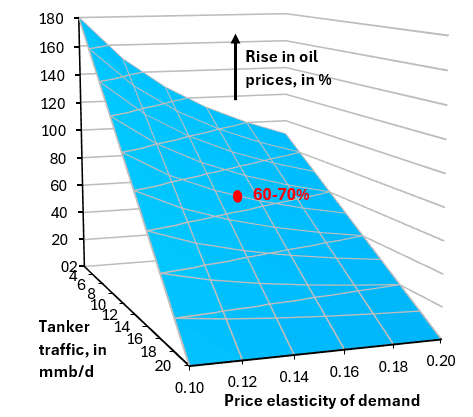
Global energy infrastructure attacks have triggered immediate cost pressures across cross-border e-commerce supply chains. Following military strikes on Qatar's Ras Laffan LNG facility (world's largest export hub providing 20% of global LNG supply) and Iran's South Pars gas field, energy prices surged dramatically: UK gas jumped 19% to 165p per therm, European wholesale gas increased 25%, and Brent crude rose to $119/barrel before settling at $112. These price movements directly translate to elevated shipping and logistics costs for e-commerce sellers, with fuel surcharges expected to increase 8-15% across international freight corridors.
The operational impact on sellers varies significantly by product category and logistics model. Cold chain logistics sellers (frozen foods, pharmaceuticals, temperature-controlled goods) face the steepest cost increases, as refrigerated transport consumes 40-60% more fuel than standard shipping. Energy-intensive manufacturing categories—including electronics, appliances, and industrial goods—experience upstream cost pressures from production facilities dependent on natural gas. Amazon FBA sellers shipping internationally will see increased fulfillment costs, with estimates suggesting $200-400 monthly increases for sellers moving 1,000+ units monthly to European fulfillment centers. Small and medium sellers (SMBs) with thin margins (5-8%) face margin compression of 1-2 percentage points, while larger sellers with 15%+ margins can absorb costs more easily. The uncertainty surrounding energy supply duration creates pricing volatility that complicates inventory planning—sellers cannot confidently forecast costs 60-90 days ahead, forcing conservative inventory strategies and potential stockouts.
Supply chain disruptions extend beyond immediate shipping costs to affect lead times and product availability. Goods requiring energy-intensive production (chemicals, plastics, metals) will experience extended manufacturing timelines as production facilities optimize for energy efficiency. Time-sensitive sellers dependent on just-in-time delivery models face potential 2-3 week delays, particularly for shipments from Asia to Europe. The geopolitical escalation creates secondary effects: Iran's threatened retaliation against energy infrastructure in supporting countries could trigger additional supply disruptions, while the US Treasury's consideration of suspending Iranian oil sanctions (affecting 140 million barrels in transit) introduces policy uncertainty. Global stock markets declined sharply (Japan's Nikkei -3.4%, London's FTSE 100 -2.5%), signaling broader economic headwinds that may reduce consumer spending on discretionary goods, particularly in Europe where energy costs directly impact household budgets and purchasing power.
Questions 8
How much will fuel surcharges increase for my Amazon FBA shipments to Europe?
Fuel surcharges are expected to increase 8-15% across international freight corridors following the 25% spike in European wholesale gas prices. For sellers shipping 1,000+ units monthly to Amazon's European fulfillment centers, this translates to approximately $200-400 in additional monthly costs. The exact increase depends on your current shipping volume, destination country, and product weight. Monitor your Amazon Seller Central shipping reports weekly, as carriers typically implement surcharge adjustments within 7-14 days of fuel price changes. Consider locking in rates with 3PL providers now if you have volume commitments for Q1-Q2.
Should I increase product prices now to offset shipping cost increases?
Price increases should be strategic and category-specific rather than blanket adjustments. Products with inelastic demand (essential items, pharmaceuticals) can absorb 5-8% price increases with minimal volume impact. Discretionary goods (apparel, home décor) face higher elasticity—price increases above 3-5% typically trigger volume declines that offset margin gains. Implement A/B testing on Amazon and eBay to measure price elasticity for your specific products. Monitor competitor pricing daily, as the market is adjusting rapidly. Consider tiered pricing: increase prices on high-margin SKUs while maintaining competitive pricing on volume drivers. Avoid sudden price jumps; gradual increases (2-3% weekly) are less visible to customers and algorithms.