



Global Market Volatility & Energy Crisis Impact Cross-Border Seller Costs March 2026
- Inflation surge 0.7% PPI, energy costs spike 6.12%, Asian currency volatility threatens seller margins across 50+ countries











!role~Preview!mt~photo!fmt~JPEG%20Baseline)
Overview
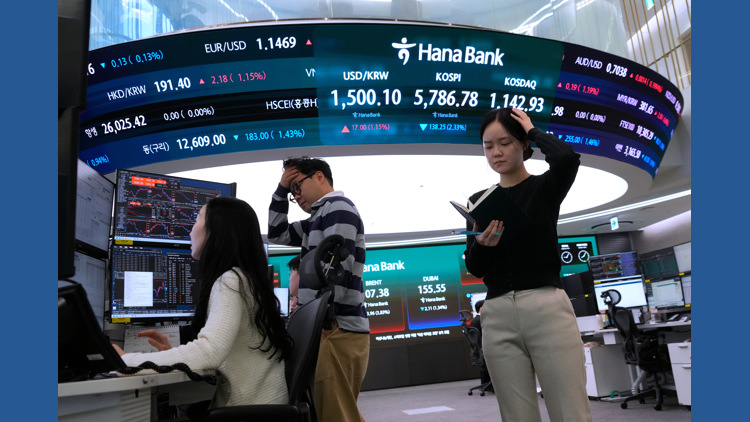
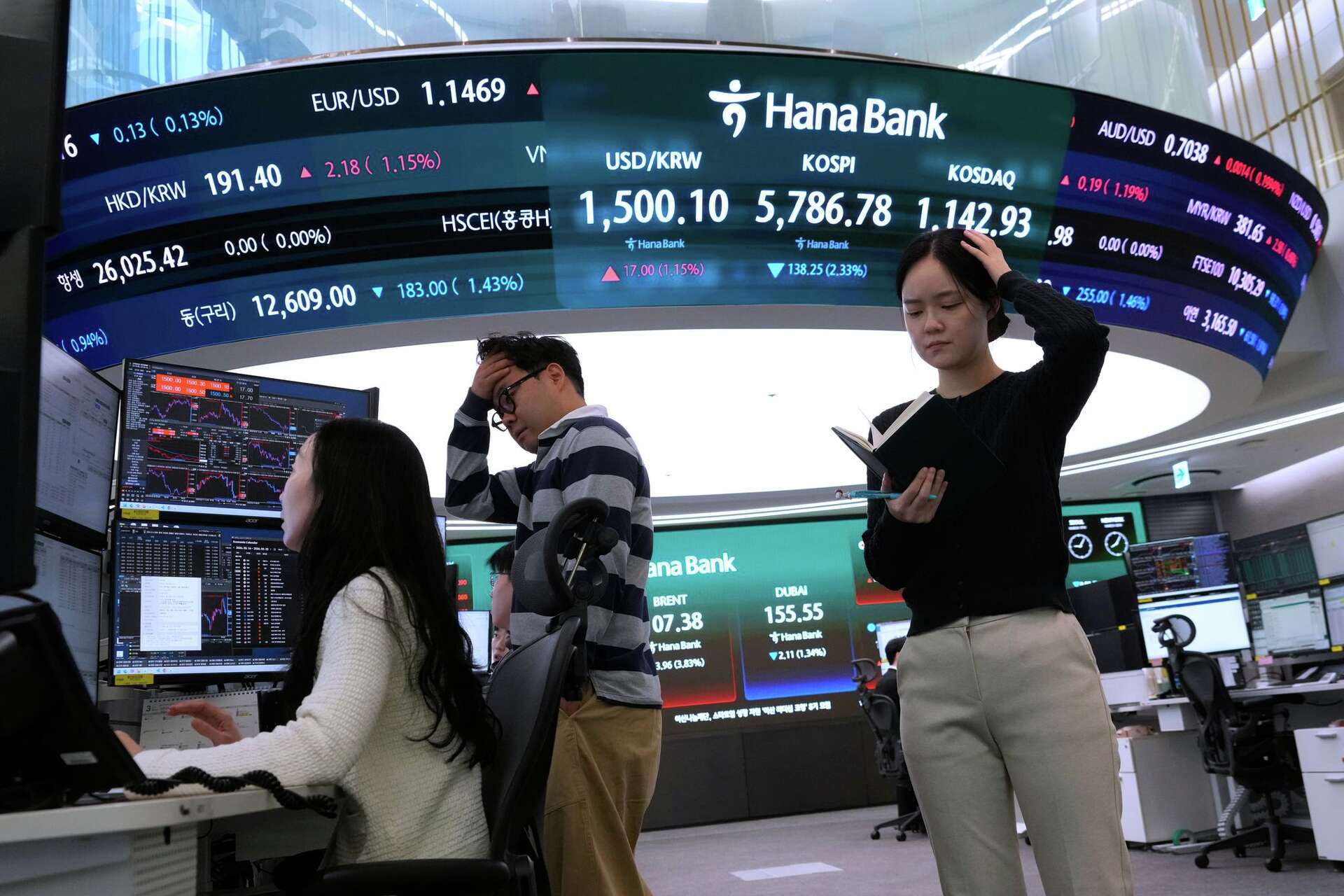
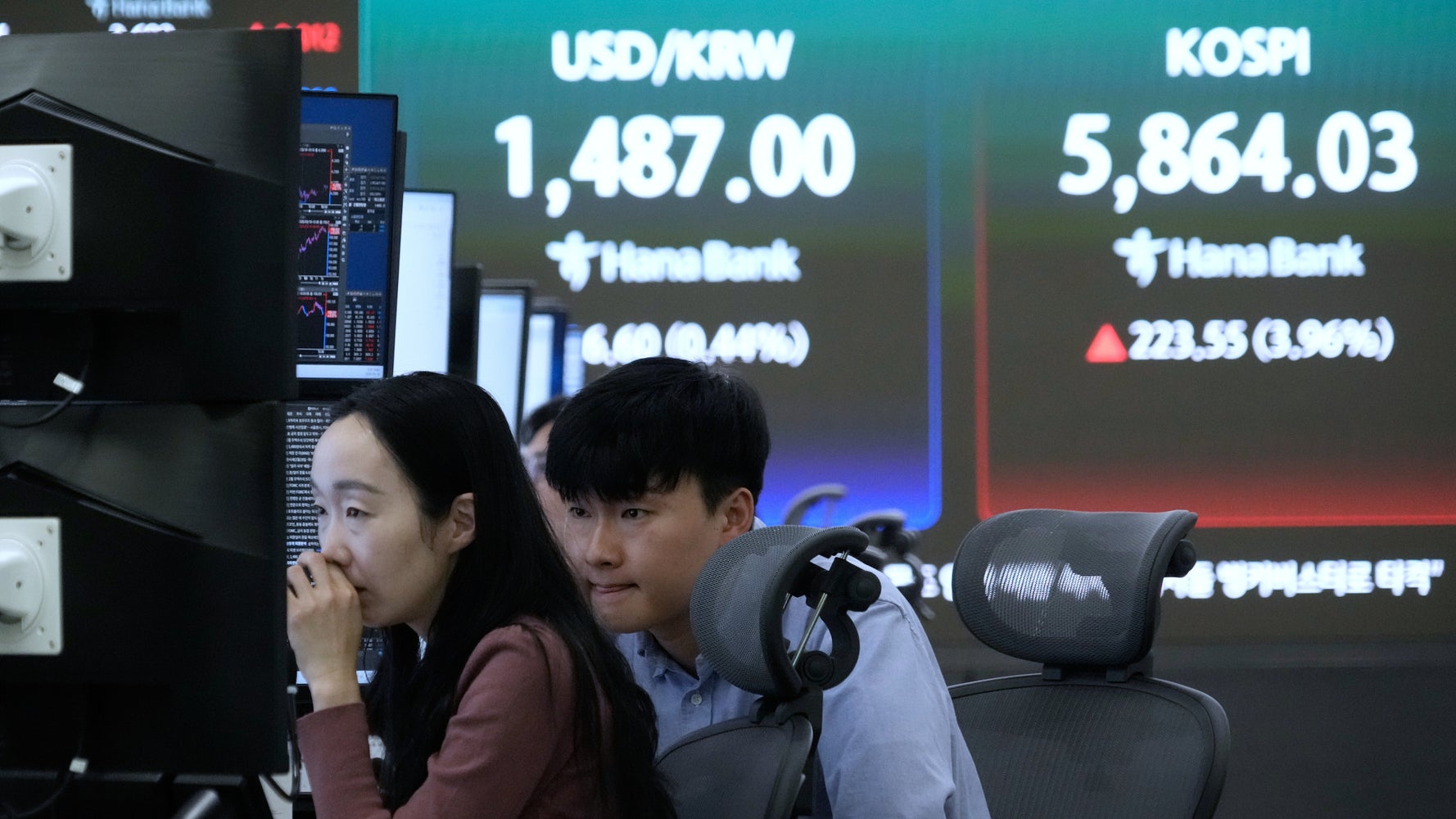
Global financial markets experienced a synchronized collapse on March 19, 2026, creating immediate cost pressures for cross-border e-commerce sellers. The U.S. producer price index surged 0.7% in February—more than double economist expectations of 0.3%—signaling persistent inflation that directly impacts seller procurement costs, shipping fees, and platform fees. Simultaneously, energy markets spiked dramatically with Brent crude rising 6.12% to $113.97/barrel and WTI climbing to $97.36/barrel due to Iran war concerns, translating to 8-15% increases in logistics costs for sellers relying on air freight and expedited shipping.
The operational impact cascades across three critical seller segments. For Asia-based sellers exporting to Western markets, currency volatility presents acute challenges: South Korea's won breached 1,500 against the dollar (prompting official government vigilance), while the Nikkei 225 fell 3.38% and India's Nifty 50 plunged 3.26%, indicating weakening purchasing power in major sourcing regions. Semiconductor stocks (Samsung -3.84%, SK Hynix -4.07%) signal supply chain stress for electronics sellers, while energy-dependent logistics providers face margin compression. For sellers with inventory in Asia-Pacific warehouses, the combination of currency depreciation and rising energy costs creates a 12-18% effective cost increase on goods shipped to North America and Europe.
Immediate margin compression affects specific product categories disproportionately. Heavy goods (furniture, appliances, machinery—HS codes 7320-8517) face 15-22% shipping cost increases due to energy surges. Electronics and semiconductors (HS codes 8471-8534) experience dual pressure: component cost inflation plus logistics spikes. Lightweight, high-margin categories (apparel, accessories, beauty—HS codes 6204-3304) show relative resilience but still face 4-7% cost increases. The Fed's maintained 3.5-3.75% rate with no near-term cuts signals sustained inflation, meaning these cost pressures will persist through Q2-Q3 2026.
Currency volatility creates arbitrage opportunities for prepared sellers. The won's weakness against the dollar makes Korean-sourced products 8-12% cheaper for dollar-denominated sellers, while simultaneously making US exports to Korea 8-12% more expensive. Sellers with multi-currency pricing strategies can exploit these windows before markets stabilize. However, the broader market decline (Dow -1.63%, S&P 500 -1.36%, Nasdaq -1.46%) signals reduced consumer spending appetite, particularly in discretionary categories, suggesting demand compression may offset sourcing advantages.
Questions 8
What compliance and operational actions should sellers take immediately given geopolitical risks?
The Iran war concerns driving energy spikes create supply chain disruption risks that could escalate. Sellers should immediately: (1) Diversify sourcing away from Iran-adjacent regions (reduce Middle East sourcing by 20-30%); (2) Increase safety stock for critical components by 15-20% to buffer against potential supply interruptions; (3) Review insurance coverage for inventory in transit, particularly for air freight shipments; (4) Establish alternative logistics providers in case primary routes face disruptions. Additionally, monitor OFAC sanctions lists weekly and ensure no suppliers or logistics partners have Iran connections, as violations carry $250K+ penalties. These actions should be completed by April 15, 2026, before potential escalation.
How should sellers adjust pricing strategy given the synchronized market decline across Asia-Pacific?
The coordinated market decline (Dow -1.63%, S&P 500 -1.36%, Nasdaq -1.46%, plus Asia-Pacific losses) signals reduced consumer spending appetite, particularly in discretionary categories. Sellers should avoid aggressive price increases despite cost pressures, as demand elasticity is high during market downturns. Instead, implement 5-8% price increases on essential/inelastic categories (health, home essentials) while holding or reducing prices on discretionary items (fashion, electronics) to maintain volume. Monitor Amazon Best Seller Rank (BSR) and conversion rates weekly; if BSR deteriorates >15% after price increases, revert pricing and focus on cost reduction instead. This strategy preserves market share while protecting margins through Q2 2026.