


Strategic Playmaking: How MLB Teams Negotiate High-Stakes Player Contracts
- Revealing the Complex Chess Game of Baseball's Talent Acquisition Landscape















Overview
The MLB free agent market is emerging as a sophisticated strategic battleground where financial offers are just the beginning of complex negotiation dynamics. Contract negotiations have transformed from simple monetary transactions into nuanced relationship-building exercises that reveal deeper organizational strategies.
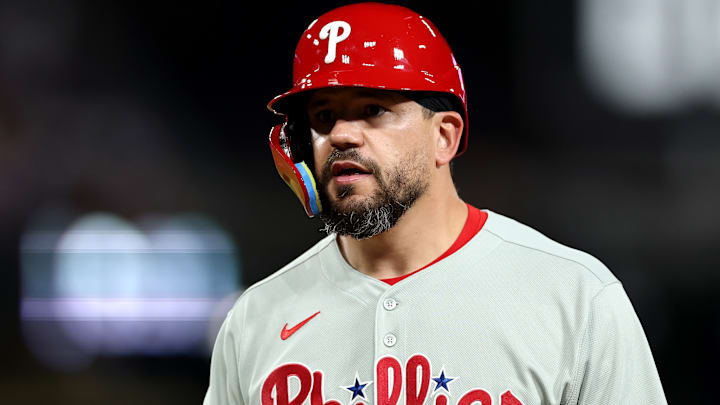
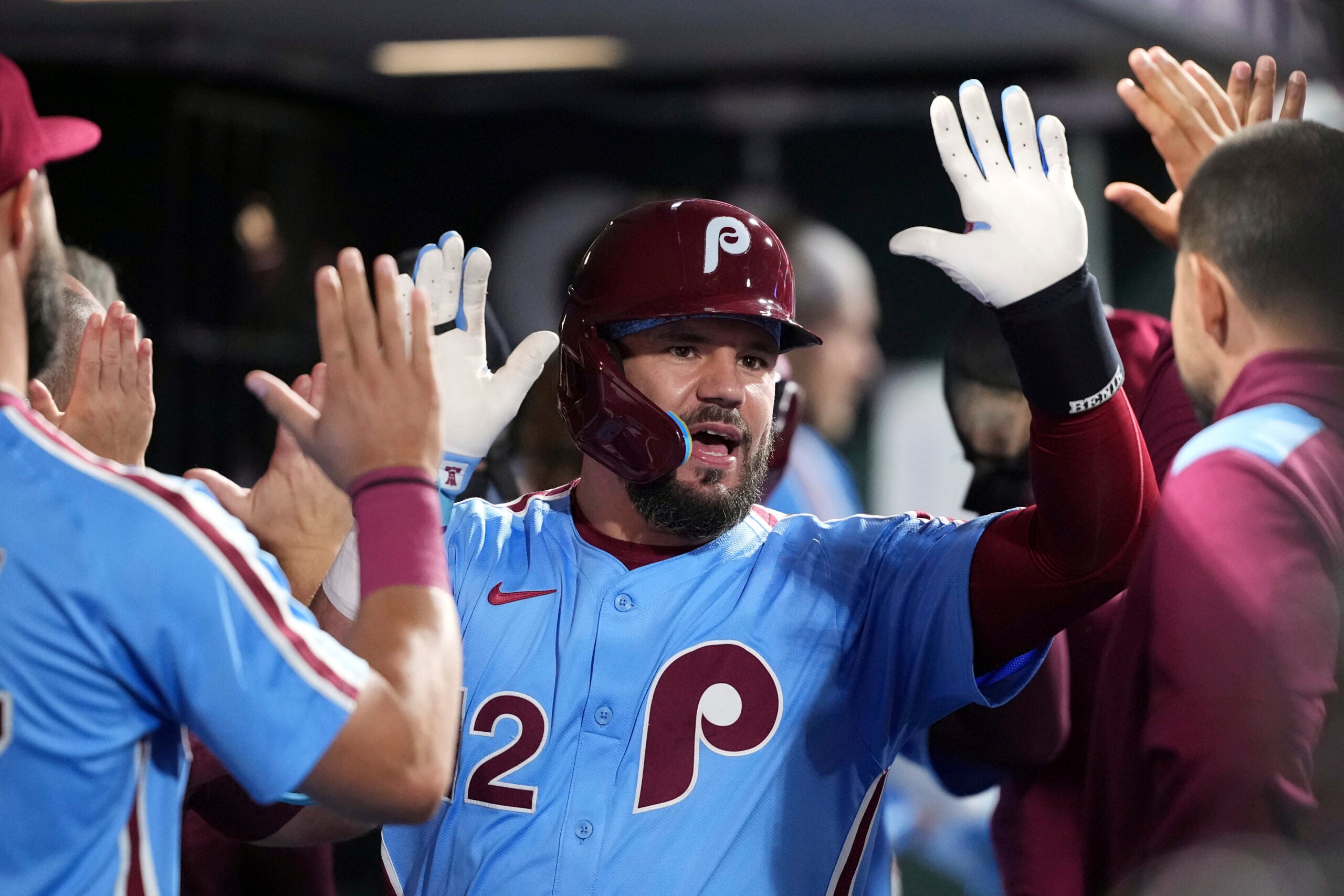
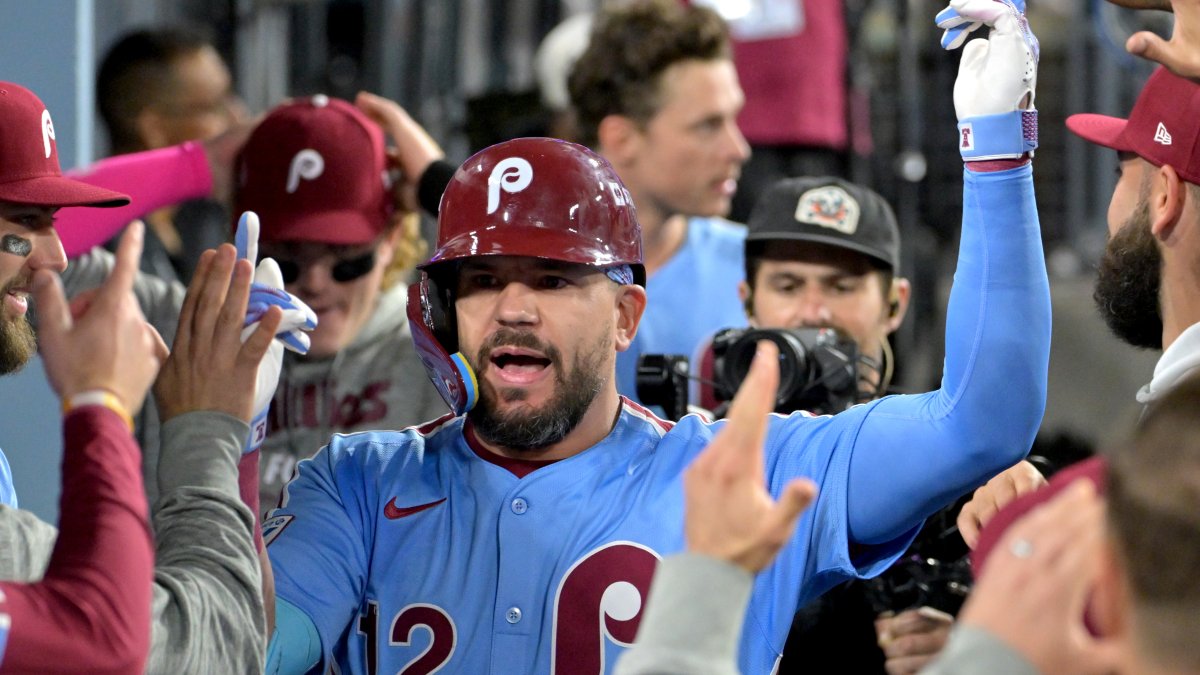
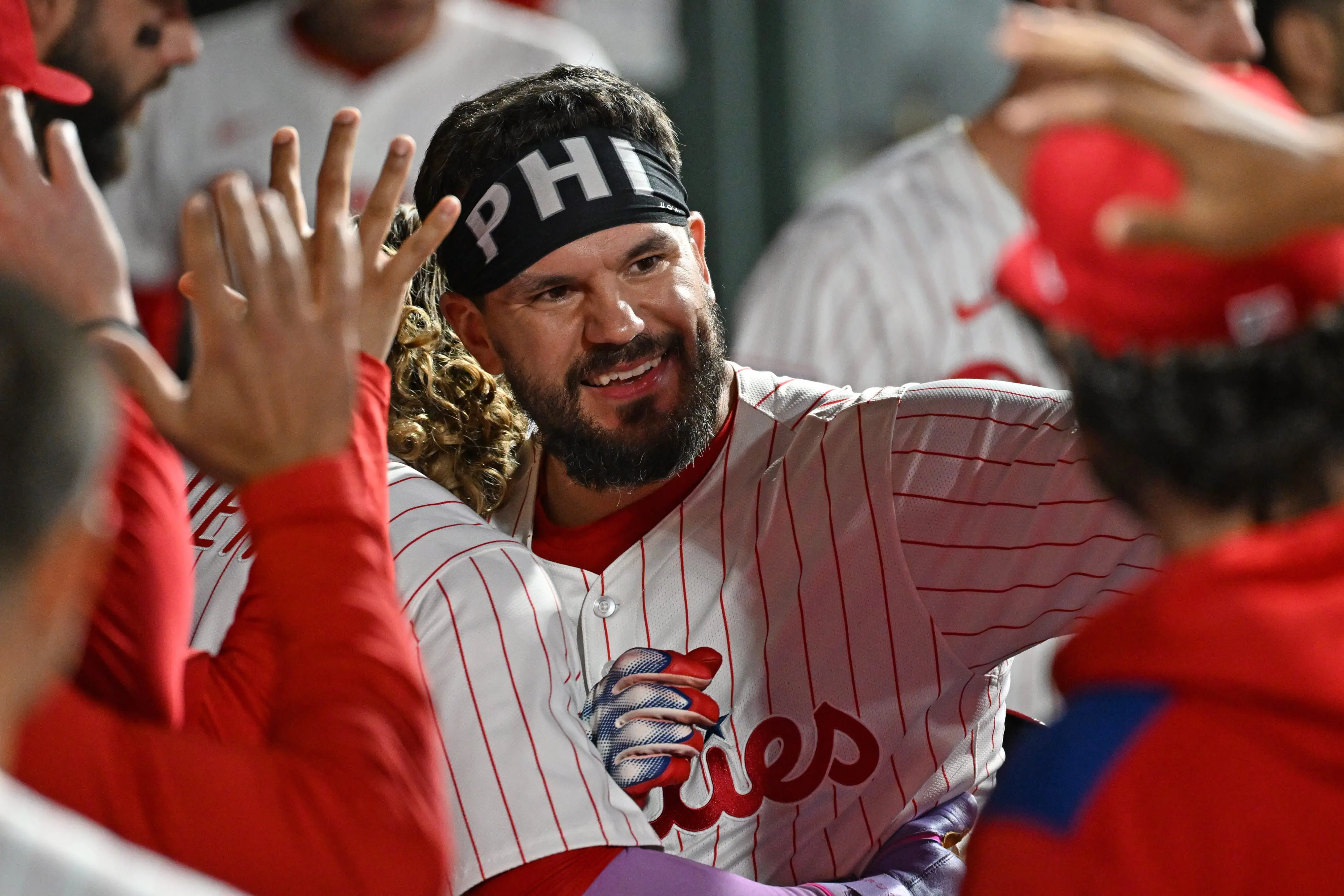
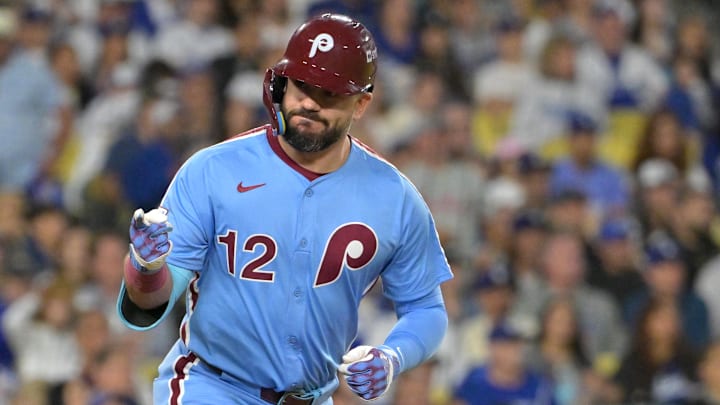
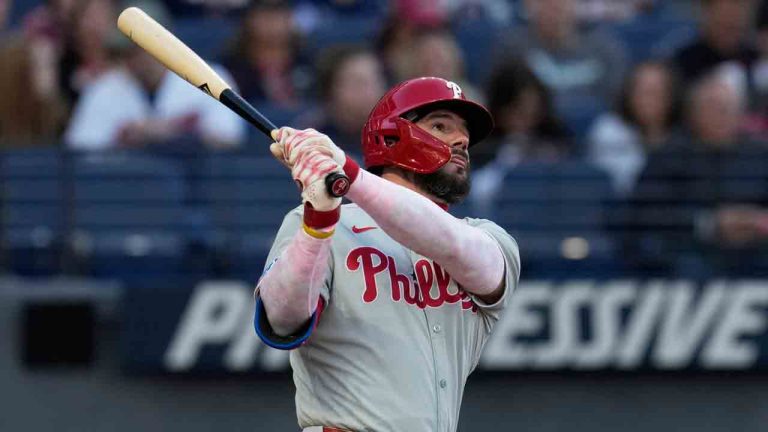
Kyle Schwarber's recent contract with the Philadelphia Phillies epitomizes this trend, demonstrating that player loyalty and team fit often outweigh pure financial incentives. Despite receiving a competitive $150 million offer from the Baltimore Orioles—an equivalent deal to the Phillies—Schwarber chose to remain with his current team. This decision highlights that modern athlete contracts are about more than just dollars; they're about organizational culture, personal connection, and long-term career trajectory.
The free agent market is showing remarkable complexity, with teams like the Orioles displaying strategic flexibility. By making substantial offers to players like Schwarber and maintaining a willingness to pivot quickly, organizations are treating player acquisition as a dynamic, multi-dimensional chess game. The Orioles' approach of immediately redirecting efforts toward alternative targets like Pete Alonso and Kyle Tucker after Schwarber's decision illustrates the importance of having a robust, adaptable talent acquisition strategy.
Moreover, the involvement of influential agents like Scott Boras adds another layer of strategic maneuvering. Boras's media conference, which cryptically discussed potential market options for players like Cody Bellinger, demonstrates how player representation has become a sophisticated art of creating competitive tension and maximizing client opportunities.
The emerging pattern suggests that successful MLB teams are no longer just buying talent—they're crafting comprehensive ecosystems that attract and retain top performers through a combination of financial investment, organizational vision, and personalized engagement strategies.
Questions 3
Why did Kyle Schwarber choose the Phillies over an equivalent Orioles offer?
Schwarber's decision suggests that team fit, organizational culture, and personal comfort often outweigh pure financial considerations. The Phillies likely offered a more compelling long-term vision and personal connection that made staying more attractive than a purely financial move.
How are MLB teams adapting their free agent strategies?
Teams like the Orioles are demonstrating increased strategic flexibility, making competitive offers while maintaining backup plans. They're treating player acquisition as a multi-dimensional process that involves not just monetary offers, but also organizational positioning, future potential, and creating competitive tension in the market.