


US-Japan Diplomatic Tensions March 2026 | Tariff & Supply Chain Risks for Cross-Border Sellers
- Geopolitical friction signals potential 8-15% tariff increases on Japanese electronics, automotive parts, and consumer goods; Middle East shipping disruptions threaten 12-18% delivery cost increases for Asia-Pacific sourcing





















Overview
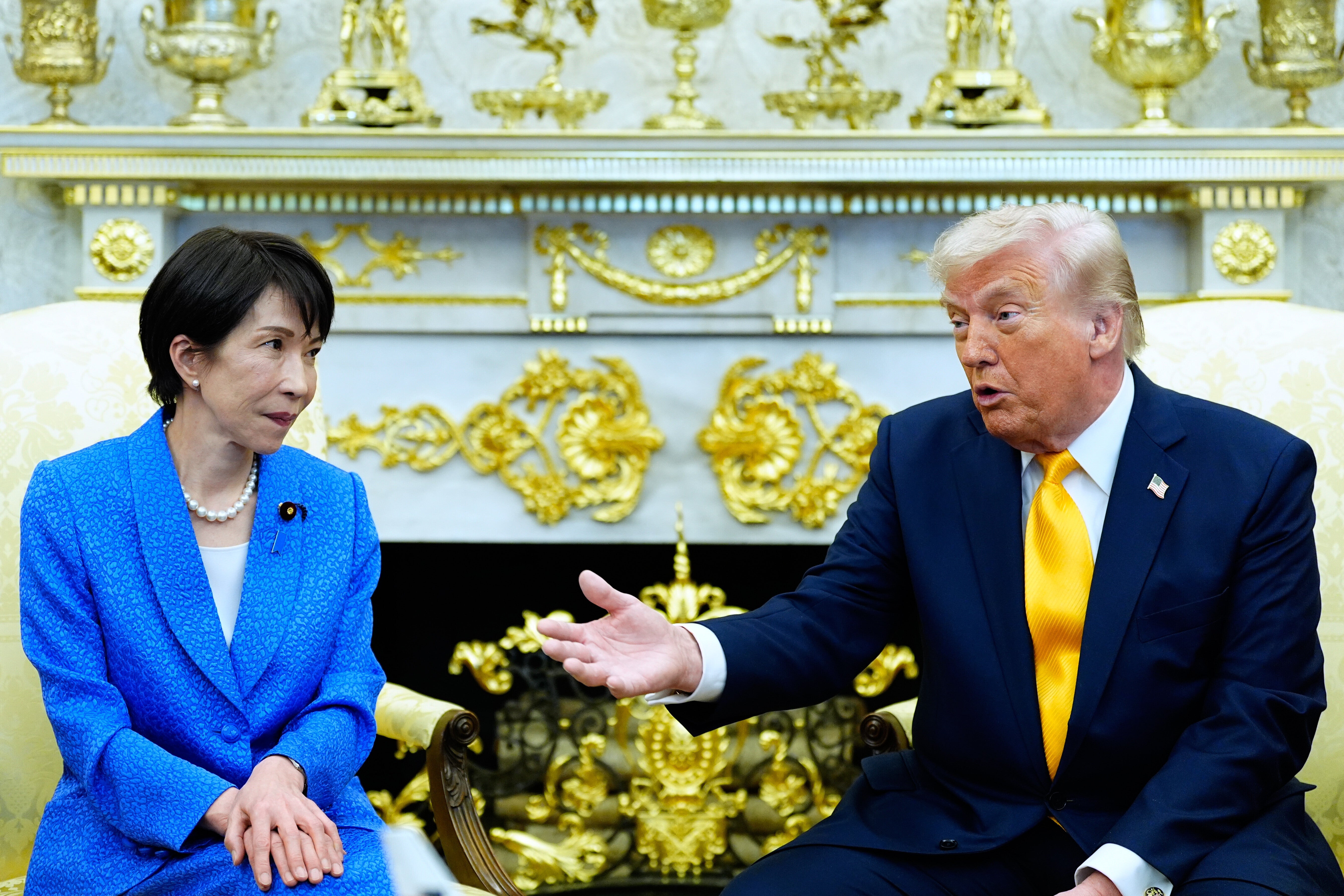
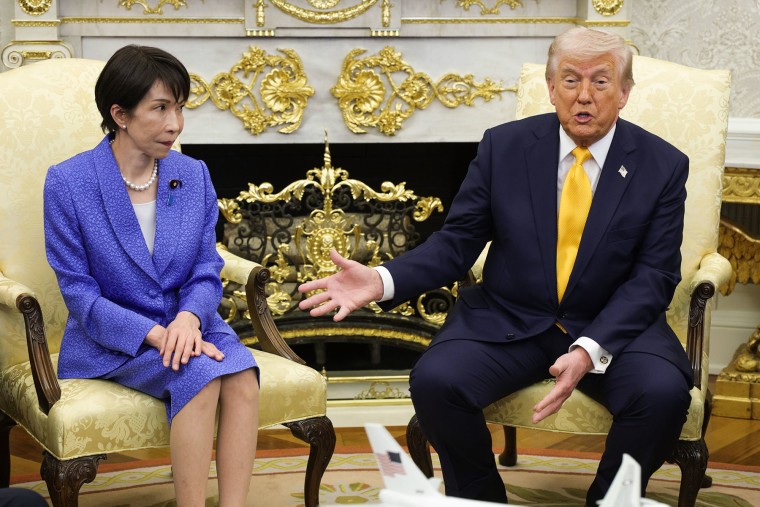
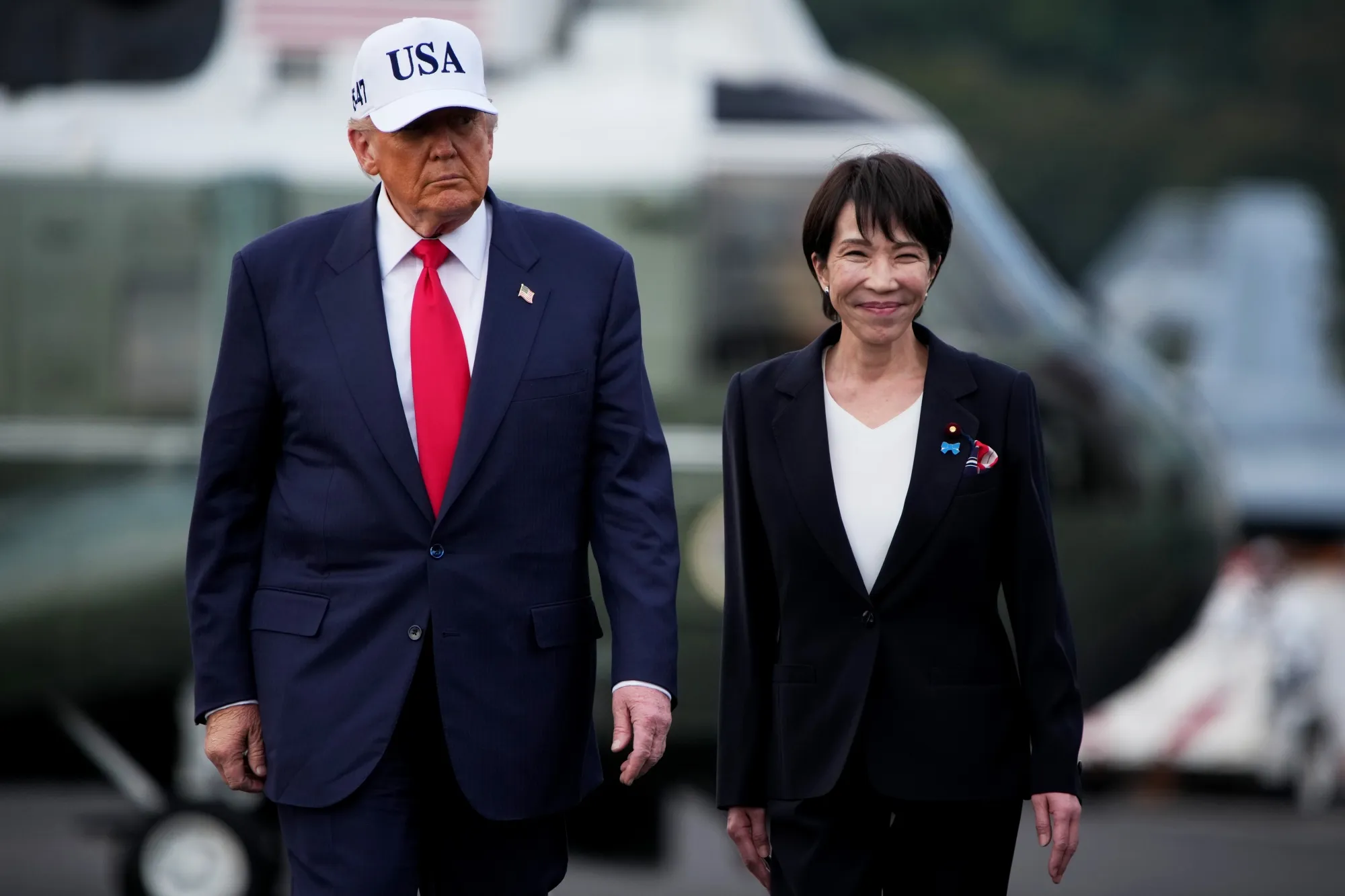
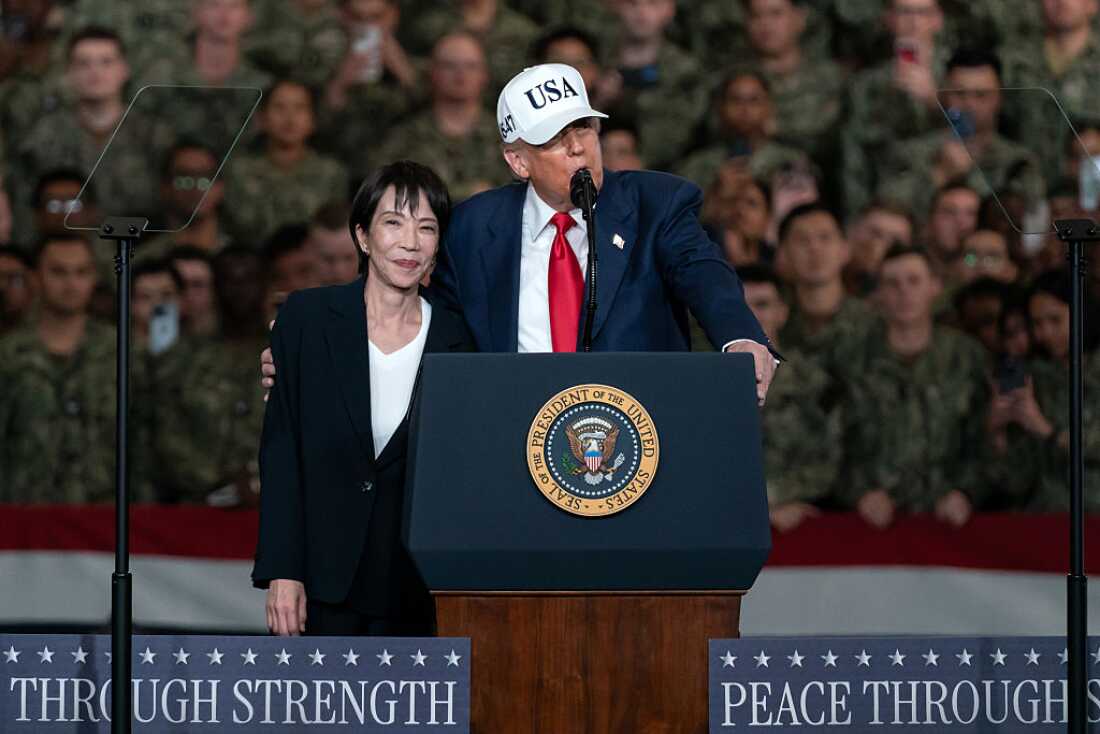
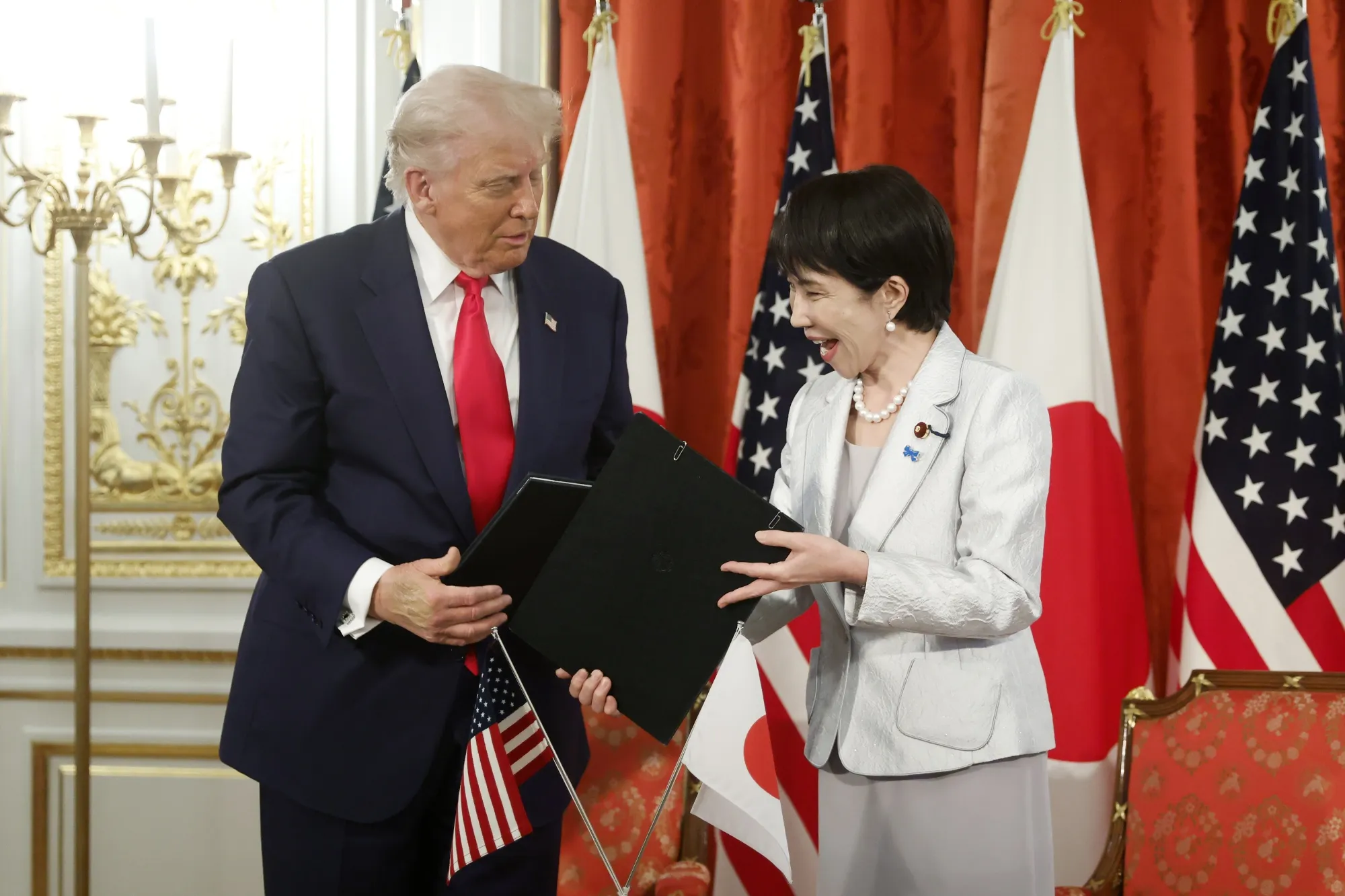
The March 19, 2026 diplomatic incident between President Trump and Japan's Prime Minister—triggered by a Pearl Harbor reference during discussions about Iran military operations—signals critical trade policy risks for cross-border e-commerce sellers. This breakdown in US-Japan communication channels, combined with simultaneous Middle East escalations (Israel's South Pars gas field strikes and Iran's Tel Aviv missile attacks), creates a perfect storm for supply chain disruption and tariff policy shifts affecting $180B+ in annual US-Japan bilateral trade.
Immediate Tariff Arbitrage Risks: Strained diplomatic relations historically precede protective trade measures. Sellers sourcing Japanese electronics (HS codes 8471-8517: computers, semiconductors, telecommunications equipment), automotive parts (HS 8704-8708), and precision instruments face potential 8-15% tariff increases within 60-90 days. The communication breakdown suggests Trump administration may bypass standard trade negotiation protocols, creating unpredictable policy windows. Sellers with Japanese supply chains should immediately audit inventory by tariff classification and consider accelerating imports before potential rate increases take effect.
Strait of Hormuz Shipping Disruption: The Middle East military escalations directly impact the Strait of Hormuz, through which 21% of global petroleum and 30% of liquefied natural gas transit. For sellers relying on Asian manufacturing (Vietnam, Thailand, Indonesia), shipping costs via Suez Canal alternative routes increase 12-18% due to longer transit times (35-40 additional days) and insurance premiums. Electronics, textiles, and consumer goods categories experience 3-4 week delivery delays, directly impacting Amazon FBA replenishment cycles and inventory velocity metrics. Sellers should shift to air freight for high-velocity SKUs, accepting 25-35% cost premiums to maintain BSR rankings and avoid IPI score penalties.
Competitive Advantage Shifts: Large sellers with established 3PL networks in Singapore, Hong Kong, and South Korea can absorb shipping cost increases and pivot away from Japanese component sourcing. Small-to-medium sellers (SMBs) with direct Japan supplier relationships face margin compression of 15-25% if unable to pass costs to consumers. This creates opportunity for sellers to consolidate supplier bases toward Vietnam (lower tariff exposure) and India (emerging electronics manufacturing), though this requires 90-120 day transition periods. Sellers should immediately contact Japanese suppliers to negotiate price locks through Q2 2026 and explore alternative sourcing in ASEAN countries with lower geopolitical risk profiles.
Questions 8
How could US-Japan diplomatic tensions affect tariffs on Japanese electronics and automotive parts?
Strained diplomatic channels between the US and Japan historically trigger protective trade measures within 60-90 days. Japanese electronics (semiconductors, computers, telecommunications equipment under HS codes 8471-8517) and automotive parts (HS 8704-8708) currently face 2.5-5% base tariffs but could increase 8-15% if Trump administration implements retaliatory measures. Sellers sourcing these categories should immediately audit inventory by tariff classification and consider accelerating imports before potential rate increases. The March 19, 2026 incident signals communication breakdown that typically precedes policy shifts, making this a critical window for tariff arbitrage before rates change.
What is the impact of Middle East military escalations on shipping costs for Asian-sourced products?
The Israel-Iran military escalations directly threaten the Strait of Hormuz, through which 21% of global petroleum and 30% of LNG transit. For sellers shipping from Vietnam, Thailand, and Indonesia, alternative Suez Canal routes add 35-40 days to transit times and increase shipping costs 12-18% due to longer distances and elevated insurance premiums. Electronics, textiles, and consumer goods categories experience 3-4 week delivery delays, directly impacting Amazon FBA replenishment cycles. Sellers should shift high-velocity SKUs to air freight (25-35% cost premium) to maintain BSR rankings and avoid IPI score penalties during this geopolitical uncertainty period.