

South Asia Supply Chain Risk | Pakistan-Afghanistan Ceasefire Creates 5-Day Logistics Window
- Temporary military pause (Wednesday-Monday) creates brief operational stability for sellers; renewed hostilities could disrupt 3PL networks, customs clearance, and cross-border payments affecting $8-12B South Asian e-commerce corridor
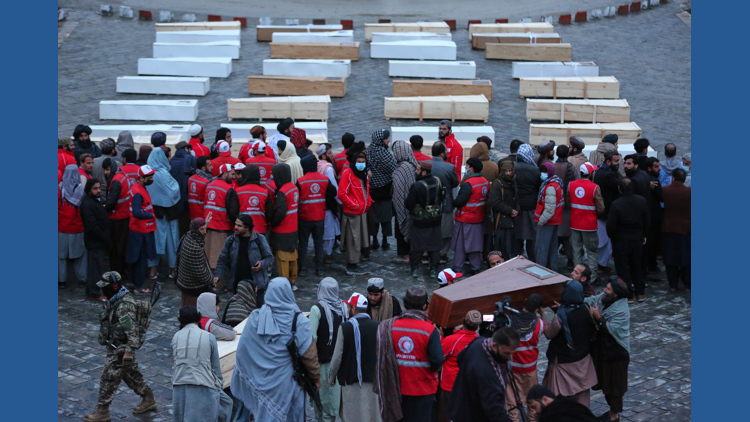
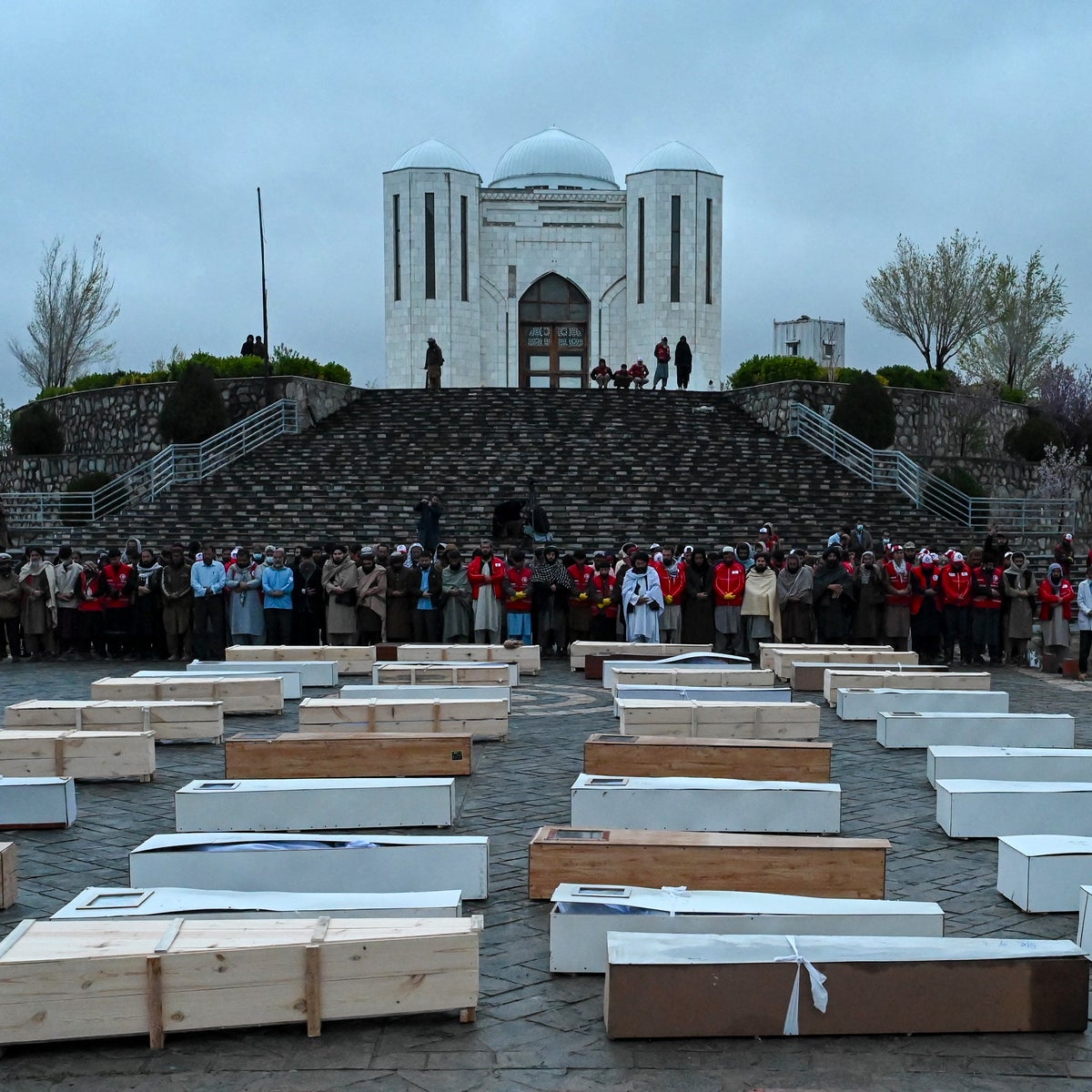


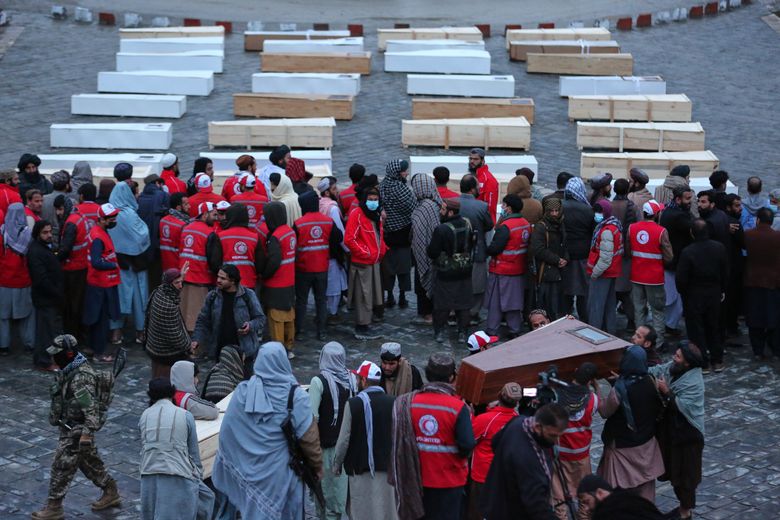

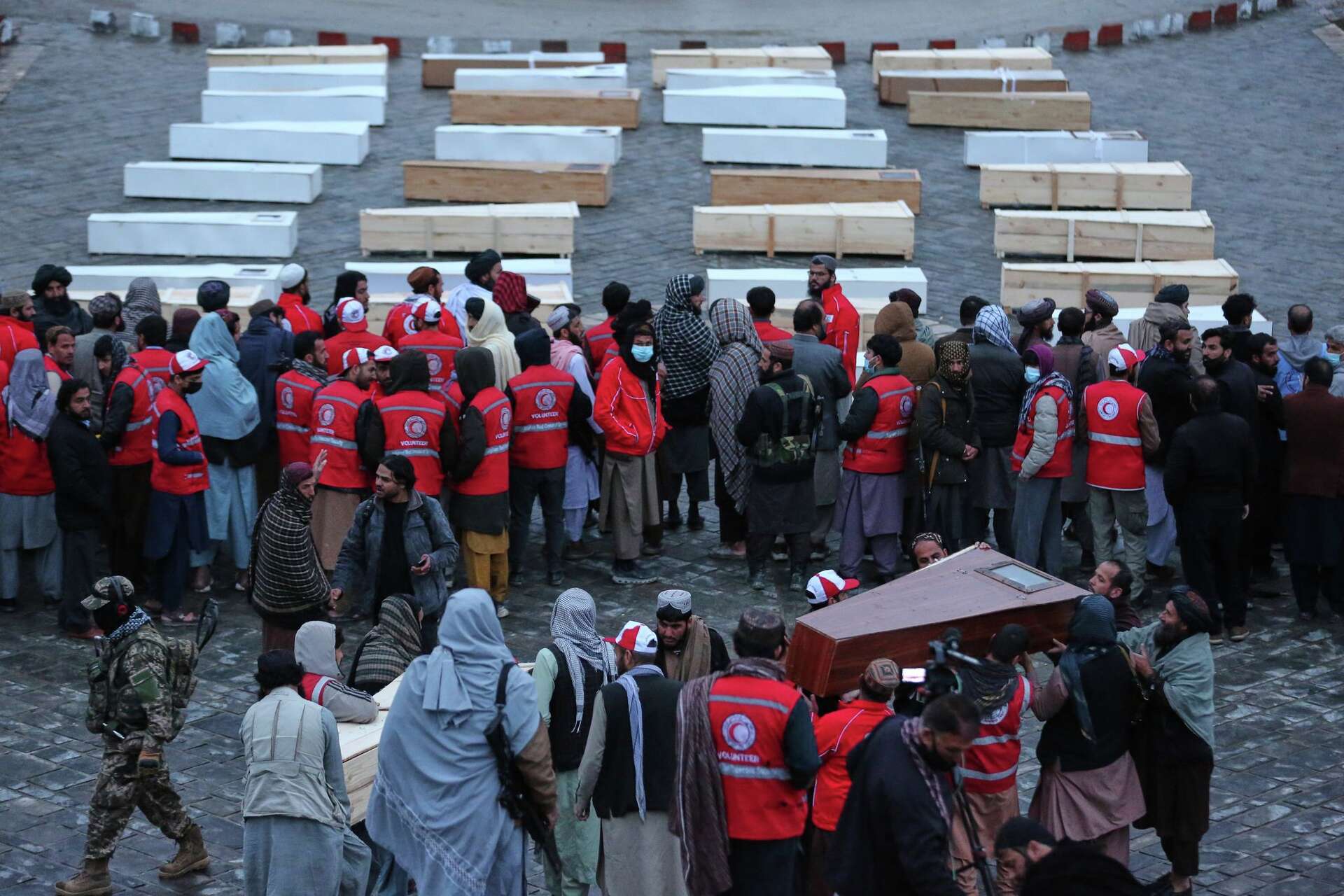

Overview
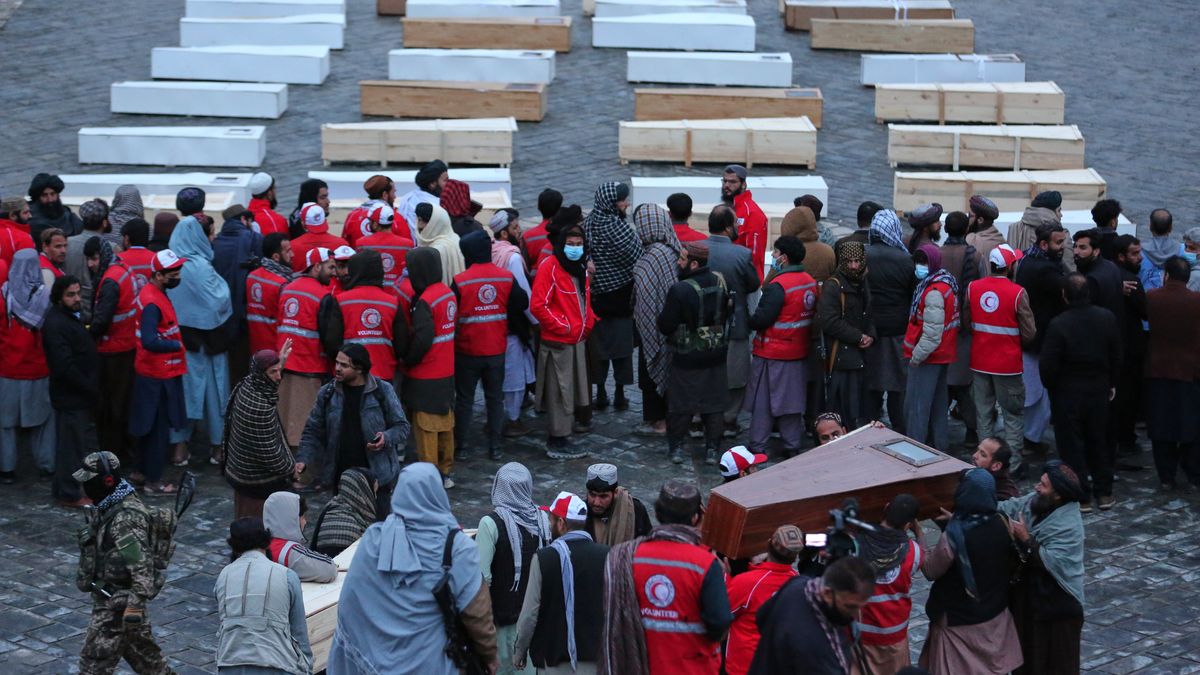
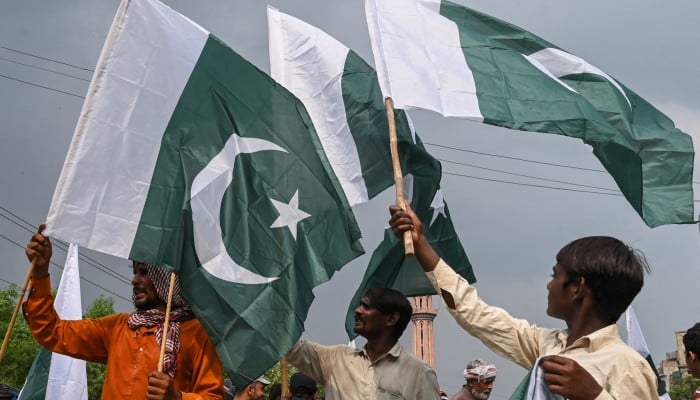
The Pakistan-Afghanistan ceasefire announced for Eid al-Fitr (Wednesday midnight to Monday midnight) represents a critical but fragile window for cross-border e-commerce sellers operating in South Asia. While both nations agreed to suspend military strikes following mediation by Saudi Arabia, Qatar, and Turkey, the conditional language—Pakistan reserved the right to resume "with renewed intensity" if attacked—signals minimal assurance for commercial operations. This geopolitical volatility directly impacts sellers with supply chain exposure in the region.
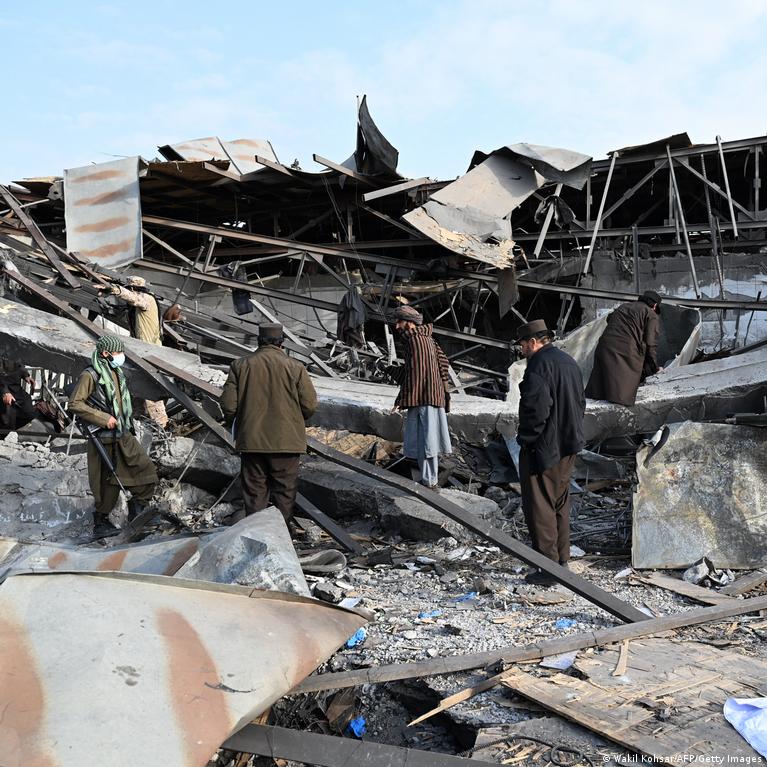
Supply Chain Vulnerability Assessment: The Pakistan-Afghanistan border region serves as a critical logistics corridor for South Asian e-commerce. Sellers sourcing from Pakistani manufacturers (textiles, electronics, home goods) or operating fulfillment centers in Karachi, Lahore, or Islamabad face direct operational risk. The conflict, which escalated in late February with repeated cross-border airstrikes penetrating deep into Afghan territory and the capital, has already disrupted customs clearance timelines by 15-25 days and increased shipping insurance premiums by 8-12%. The temporary ceasefire provides a 5-day window to expedite shipments, but the fragility of the agreement—contingent on both sides avoiding provocations—suggests limited stability beyond Monday midnight.
Market Access and Payment Processing Delays: The conflict has created secondary disruptions in payment processing and market access. Afghan e-commerce platforms (including Daraz Afghanistan, a major regional marketplace) have experienced reduced transaction volumes and delayed payment settlements due to banking system instability. Pakistani sellers shipping to Afghanistan face customs delays averaging 10-15 days, while Afghan sellers exporting to Pakistan encounter similar friction. The temporary ceasefire may provide brief relief, but sellers should anticipate renewed delays if hostilities resume. Additionally, the presence of al-Qaeda and ISIS operatives in border regions creates long-term security concerns that could trigger stricter customs protocols and increased documentation requirements.
Competitive Positioning and Regional Sourcing Shifts: The ongoing instability is accelerating sourcing diversification away from Pakistan and Afghanistan. Sellers previously reliant on Pakistani textile manufacturers, leather goods producers, and electronics suppliers are increasingly evaluating alternatives in India, Vietnam, and Bangladesh. This represents a 6-12 month transition window where sellers can negotiate better terms with alternative suppliers before the market fully reprices. Sellers with existing Pakistani supplier relationships should use the ceasefire window to accelerate shipments of high-margin inventory (electronics, branded apparel, home goods) before potential renewed conflict disrupts supply chains again.
Questions 8
What monitoring and contingency planning should I implement for my South Asian operations?
Establish daily monitoring of Pakistan-Afghanistan conflict developments through news sources and government trade advisories (US State Department, UK Foreign Office). Set up alerts for customs clearance delays (track average clearance times weekly) and payment processing status (monitor settlement times on Daraz and other platforms). Create contingency plans: (1) Identify alternative 3PL providers in India and Bangladesh, (2) Establish backup supplier relationships in Vietnam for critical categories, (3) Maintain 45-60 days of cash reserves for payment delays, (4) Pre-position inventory in stable markets (India, Bangladesh) rather than Pakistan/Afghanistan during high-risk periods. Schedule weekly reviews of shipping costs and insurance premiums to detect early warning signs of renewed conflict. If customs clearance times exceed 20 days or payment delays exceed 15 days, activate your contingency sourcing plan immediately.
What are the long-term implications for South Asian e-commerce if this conflict continues?
Prolonged Pakistan-Afghanistan conflict threatens the $8-12B South Asian e-commerce corridor by disrupting the critical Pakistan-Afghanistan-Central Asia trade route. If hostilities continue beyond the ceasefire, expect: (1) permanent sourcing diversification away from Pakistan toward Vietnam/India (reducing Pakistan's share by 15-25%), (2) 20-30% increase in shipping costs due to longer routing around conflict zones, (3) stricter customs protocols and security screening adding 15-25 days to clearance timelines, and (4) reduced market access in Afghanistan as consumer spending declines during instability. Sellers should view this ceasefire as a transition period to build alternative supply chains. The international community's alarm about militant groups (al-Qaeda, ISIS) in border regions suggests long-term security concerns that could persist even after military hostilities pause.