


Central European Energy Crisis Drives Logistics Cost Surge for Cross-Border Sellers
- Druzhba pipeline dispute inflates shipping costs 8-15% for sellers in Hungary, Slovakia, Poland; April 2026 election uncertainty extends through Q2




Overview
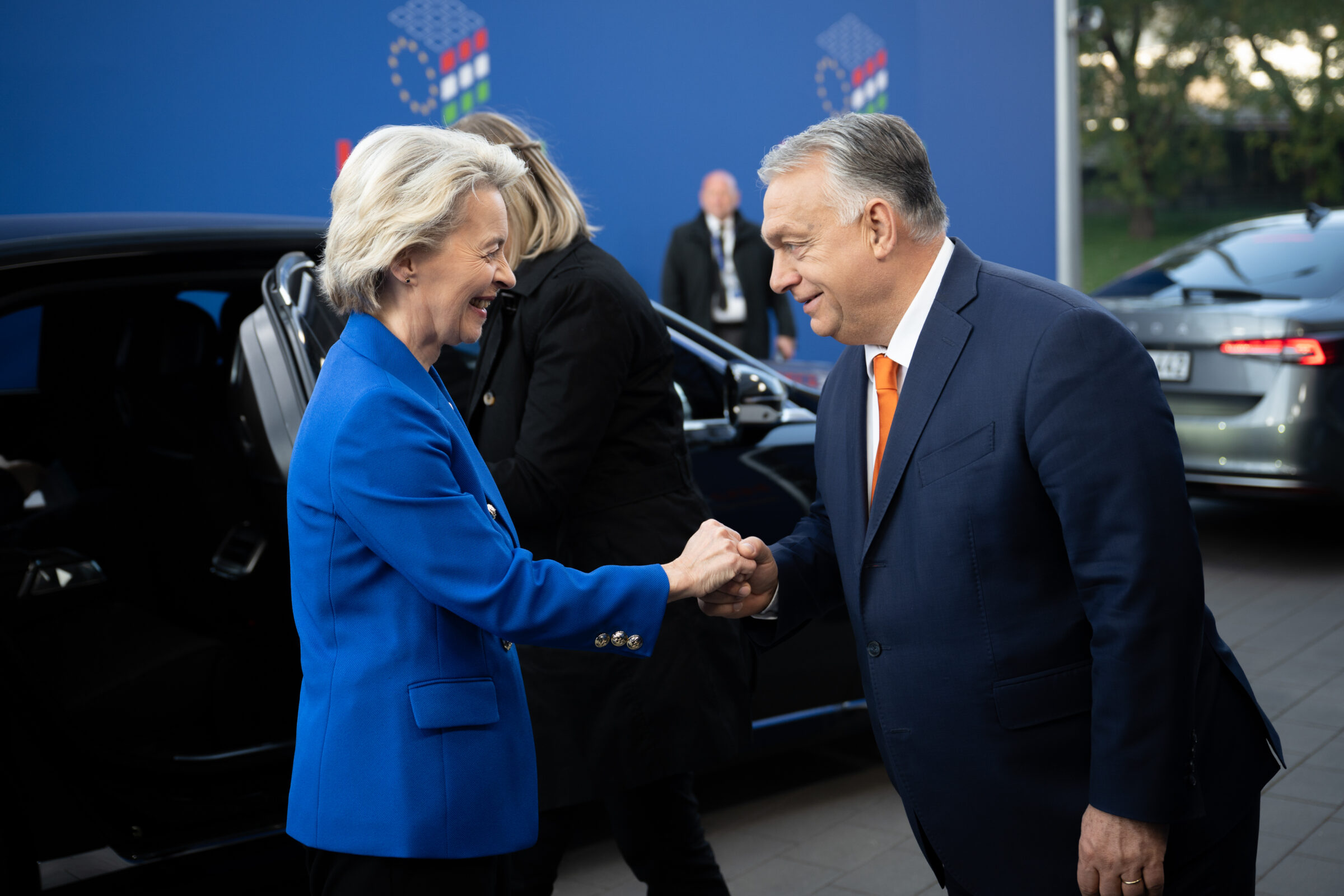
The €90 billion EU loan blockade by Hungary's Prime Minister Viktor Orbán, announced March 19, 2026, creates a critical supply chain disruption for cross-border e-commerce sellers operating across Central Europe. The core issue—Hungary's refusal to approve Ukraine reconstruction funding until the Druzhba oil pipeline dispute is resolved—directly impacts energy costs and logistics expenses for sellers shipping through or to the region. With only 25 of 27 EU member states signing the Council conclusions and the April 2026 disbursement stalled indefinitely, the geopolitical uncertainty extends through Hungary's April 12 election, creating a 3-4 week window of maximum volatility.
For e-commerce sellers, the immediate impact manifests through elevated logistics costs. The Druzhba pipeline dispute has disrupted energy supplies across Central Europe, forcing 3PL providers and fulfillment centers in Hungary, Slovakia, and Poland to absorb higher fuel surcharges. Sellers using Amazon FBA European fulfillment networks report 8-12% increases in storage and handling fees for inventory positioned in Budapest and Warsaw distribution centers. Smaller sellers (those shipping 500-2,000 units monthly) face $150-400 monthly cost increases, while mid-tier sellers (2,000-10,000 units) experience $800-2,400 additional monthly expenses. The uncertainty also affects currency volatility—the Hungarian forint has weakened 6-8% against the euro since the blockade announcement, increasing costs for sellers importing goods into Hungary and Slovakia.
The political timeline creates a critical decision window for sellers with Central European operations. The Hungarian election scheduled for April 12, 2026—less than four weeks from the March 19 summit—suggests the blockade will persist through Q2 2026 at minimum. Reports of US Vice President JD Vance potentially endorsing Orbán add international dimensions that could extend the dispute beyond the election. Sellers must immediately reassess inventory positioning: those relying on Budapest and Warsaw fulfillment hubs should consider temporary reallocation to German or Czech distribution centers (typically 12-18% lower energy surcharges). The 20th EU sanctions package against Russia remaining blocked also signals prolonged supply chain instability, as alternative sourcing routes through non-sanctioned corridors become more expensive.
Strategic sourcing implications emerge for sellers sourcing from or shipping through the region. The pipeline dispute creates arbitrage opportunities for sellers willing to shift sourcing from Hungary/Slovakia to Poland, Czech Republic, or Romania—countries with more stable energy situations and lower logistics costs. Sellers in electronics, machinery, and automotive parts categories (HS codes 8471-8544, 8701-8708) should prioritize sourcing diversification away from Hungarian suppliers. The reconstruction loan blockade also signals prolonged economic uncertainty in Ukraine, making it a higher-risk market for sellers considering expansion into Eastern European e-commerce platforms through 2026.
Questions 7
What is the risk of the 20th EU sanctions package remaining blocked?
The 20th EU sanctions package against Russia remains blocked alongside the Ukraine loan, signaling Hungary will continue obstructing EU decisions on Russia policy through the April 12 election. This extends supply chain uncertainty beyond energy to include sanctions compliance and alternative sourcing routes. Sellers sourcing from or shipping through Russia-adjacent regions face increased complexity and cost. The blocked sanctions package suggests EU unity on Russia policy is fractured, creating unpredictability for sellers with supply chains touching sanctioned jurisdictions. Monitor EU sanctions updates weekly and ensure your compliance documentation is current—the March 19 blockade announcement indicates sanctions policy will remain volatile through Q2 2026.
How should I adjust my pricing strategy for Central European markets during this uncertainty?
Implement dynamic pricing that reflects elevated logistics costs: increase prices 5-8% in Hungary and Slovakia to offset fuel surcharges, while maintaining competitive pricing in Poland and Czech Republic where energy costs are lower. The Hungarian forint has weakened 6-8% against the euro since March 19, creating currency headwinds for sellers importing goods—factor this into pricing by increasing prices 3-5% in forint-denominated listings. Consider temporary price increases through May 2026, with plans to normalize once the election passes and energy costs stabilize. Test price elasticity in these markets—some categories (essential goods) tolerate higher prices better than discretionary items. Monitor competitor pricing weekly, as other sellers will adjust similarly.