



AI Infrastructure Maturity Signals Pricing Pressure for E-Commerce Sellers | GPU Cost Optimization Becomes Critical
- Nvidia's $1 trillion revenue forecast signals normalized AI chip costs; sellers using GPU-accelerated tools face 15-25% pricing pressure as competition intensifies from AMD, Intel, and custom silicon alternatives







Overview
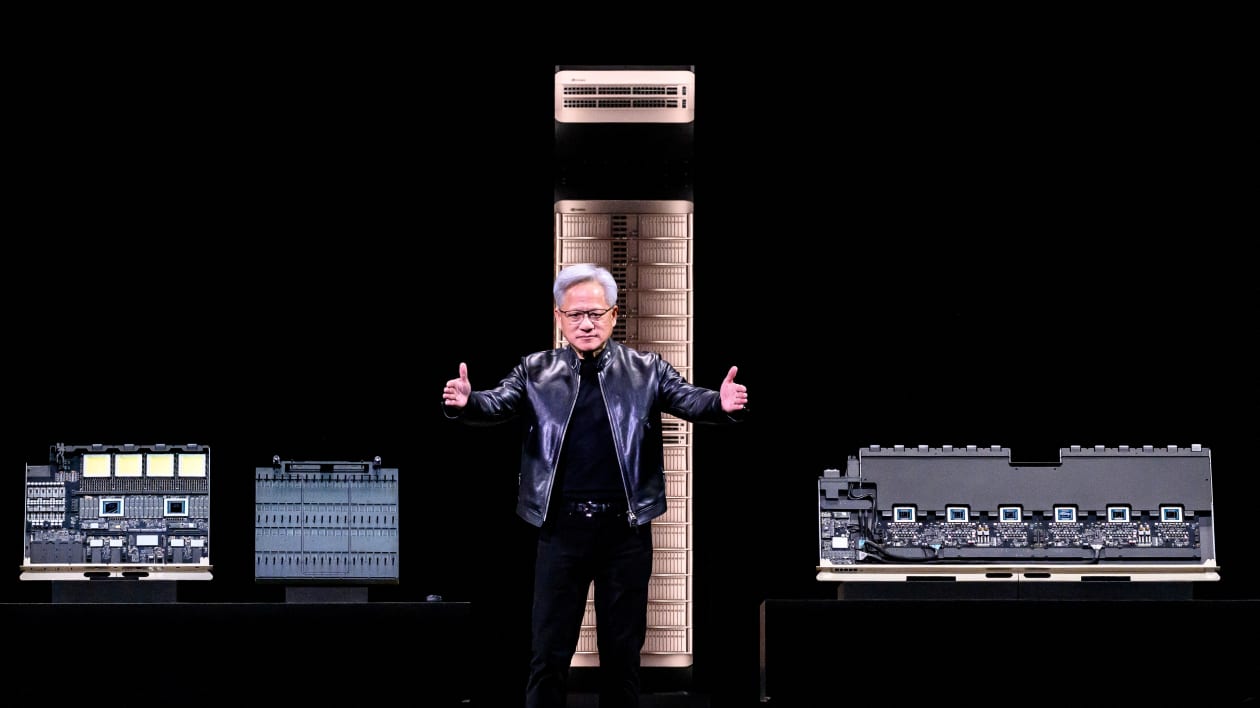
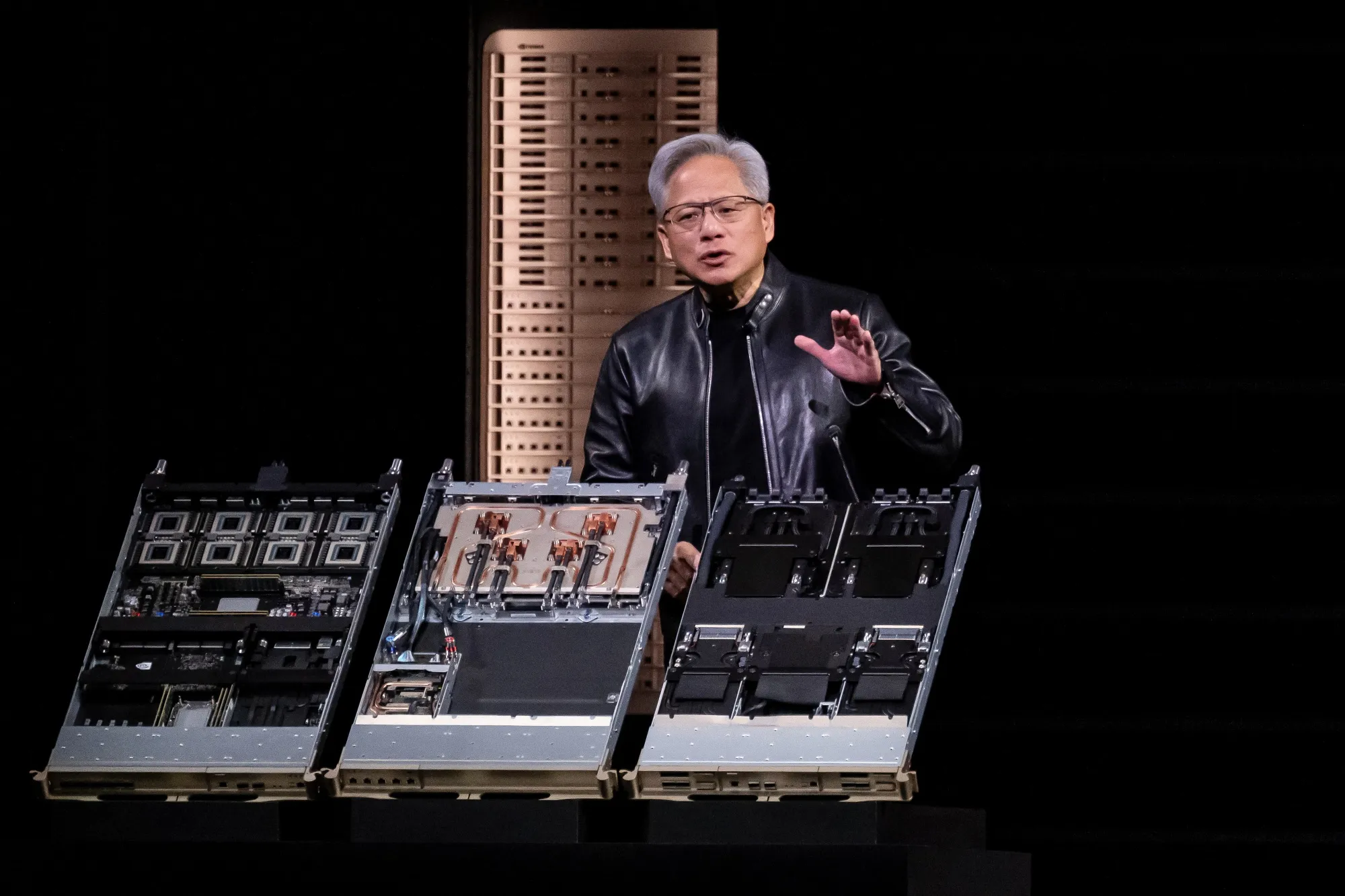
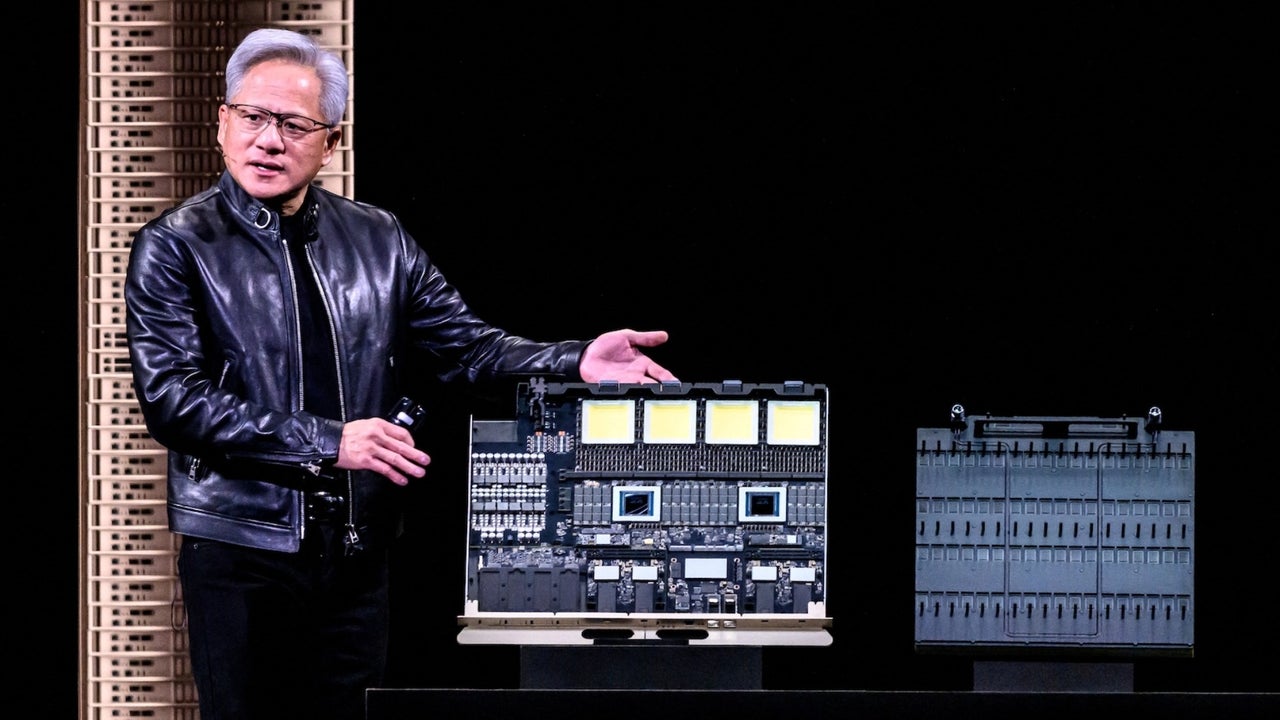
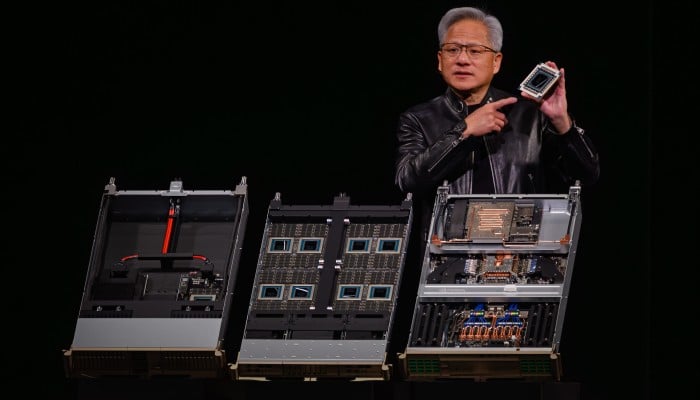
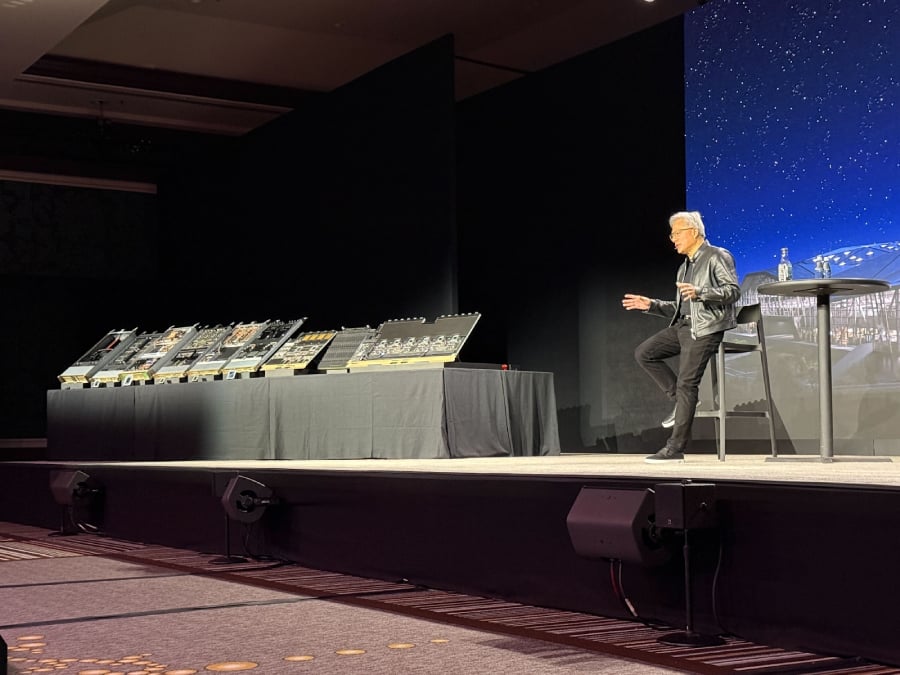
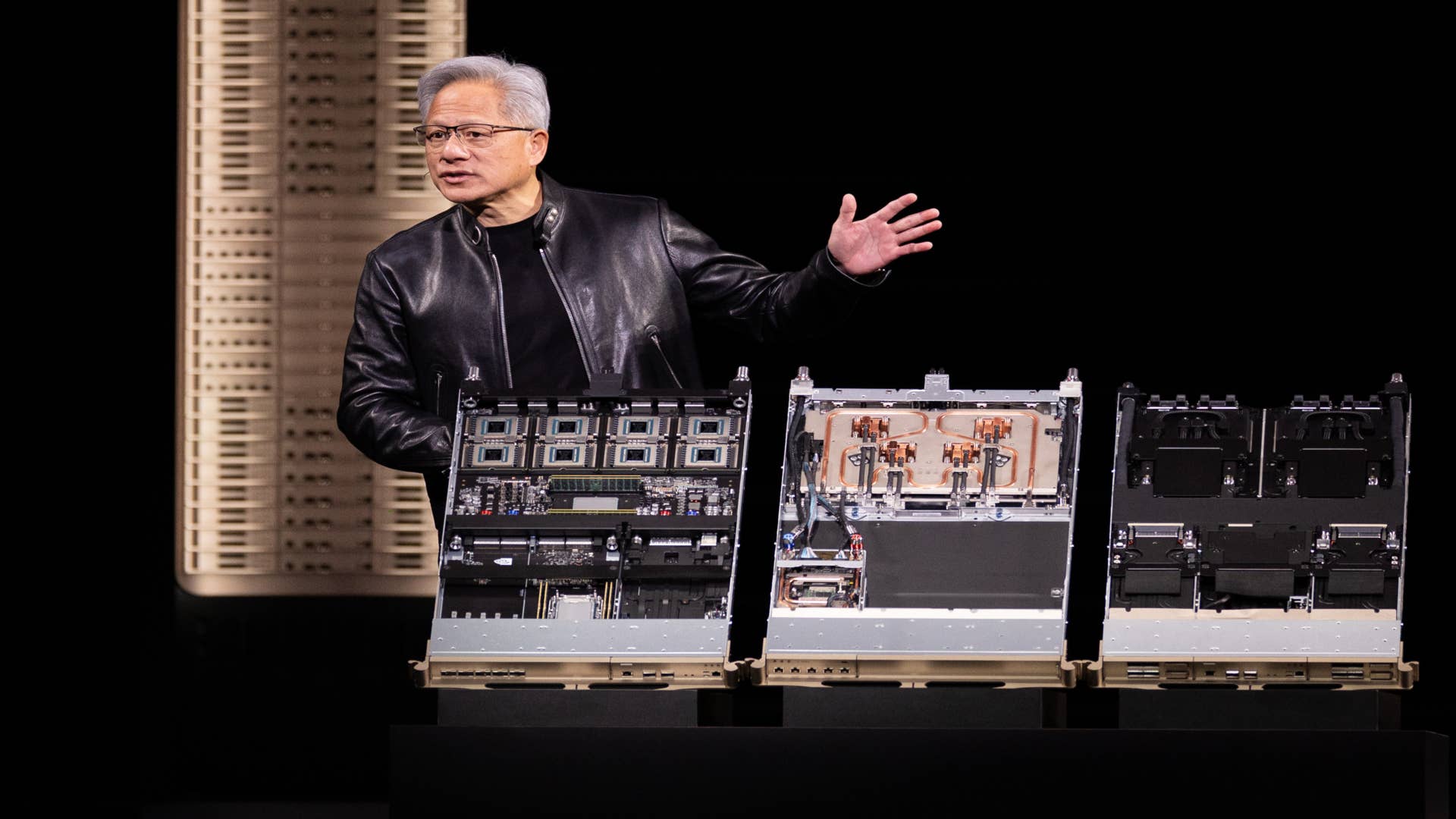
Nvidia's March 2026 GTC conference announcement of $1 trillion in revenue projections over three years (ending 2027) from two chip families represents a critical inflection point for e-commerce sellers relying on AI infrastructure. CEO Jensen Huang's "floor not ceiling" projection—excluding newer offerings like the Groq chip for AI inferencing—underscores that AI compute capacity is transitioning from scarcity to commodity status. This shift has profound implications for sellers using GPU-accelerated services for demand forecasting, inventory optimization, dynamic pricing, and customer analytics.
The Competitive Pressure Reshaping AI Tool Economics: The news highlights intensifying competition from AMD, Intel, and emerging chip designers threatening Nvidia's market dominance, while customers increasingly develop in-house chip capabilities and alternative architectures. For e-commerce sellers, this means the AI tools they depend on—whether cloud-based demand forecasting platforms, automated pricing engines, or inventory management systems—will face cost compression. Sellers currently paying $500-2,000/month for GPU-accelerated analytics services should expect 15-25% price reductions within 12-18 months as competition normalizes margins. Conversely, sellers locked into long-term contracts with premium AI tool providers face competitive disadvantage as cheaper alternatives emerge.
Market Maturity Signals Opportunity for Automation Adoption: The muted stock response to Nvidia's announcement (only 1.02% decline despite analyst enthusiasm) indicates Wall Street has already priced in AI infrastructure commoditization. This disconnect between analyst approval and stock movement reveals that expectations for AI cost reduction are already embedded in market pricing. For sellers, this creates a 6-12 month window to lock in current AI tool pricing before broader market adoption drives down costs. Sellers who delay AI automation adoption until prices drop will miss competitive advantage opportunities during this transition period. The normalization of AI infrastructure also signals that custom silicon development by major e-commerce platforms (Amazon, Alibaba, Shopify) will accelerate, potentially creating proprietary AI advantages for sellers using first-party tools.
Supply Chain and Geopolitical Complexity: Nvidia's acknowledgment of geopolitical tensions and supply chain complexities in maintaining profitability indicates potential disruptions to AI tool availability and pricing stability. Sellers should monitor semiconductor supply chain developments, particularly regarding Taiwan-based manufacturing and US export restrictions, as these directly impact the cost and availability of GPU-accelerated services. The shift toward alternative architectures and custom silicon also suggests sellers should diversify their AI tool dependencies rather than relying solely on Nvidia-dependent cloud providers.
Questions 8
What immediate actions should sellers take following Nvidia's GTC announcement?
Immediate actions (0-30 days): (1) audit current AI tool usage—identify which tools use GPU acceleration and current monthly costs; (2) benchmark alternatives—test demand forecasting accuracy on AWS, Azure, and Google Cloud to identify best-cost provider; (3) lock in pricing—negotiate multi-year contracts with current AI tool providers before competitive pressure forces price increases; (4) evaluate custom silicon options—check if your primary platform (Amazon, Alibaba, Shopify) offers proprietary AI tools with cost advantages. Strategic actions (1-6 months): (1) implement GPU-accelerated automation for highest-ROI tasks (demand forecasting, dynamic pricing); (2) diversify AI infrastructure across multiple providers; (3) monitor competitor adoption rates—sellers who delay automation adoption will face competitive disadvantage as AI tool costs normalize and adoption accelerates.
What does the muted stock response to Nvidia's GTC announcement mean for sellers relying on AI infrastructure?
The 1.02% stock decline despite analyst enthusiasm reveals that market participants have already incorporated AI infrastructure cost reduction expectations into pricing. This disconnect signals a critical window: sellers who adopt GPU-accelerated tools immediately capture competitive advantage before prices drop, while those waiting for cheaper alternatives will miss 6-12 months of operational gains. The market maturity also indicates that major e-commerce platforms (Amazon, Alibaba, Shopify) will accelerate custom silicon development, potentially creating proprietary AI advantages. Sellers should diversify AI tool dependencies rather than relying solely on Nvidia-dependent cloud providers.