





Iran Conflict & Energy Crisis | Sellers Face 85% Diesel Cost Surge
- Strait of Hormuz closure drives Brent crude from $67 to $100/barrel in 2 weeks; diesel costs up 85%, jet fuel surges, threatening FBA logistics and cross-border shipping margins for 50K+ sellers

























Overview
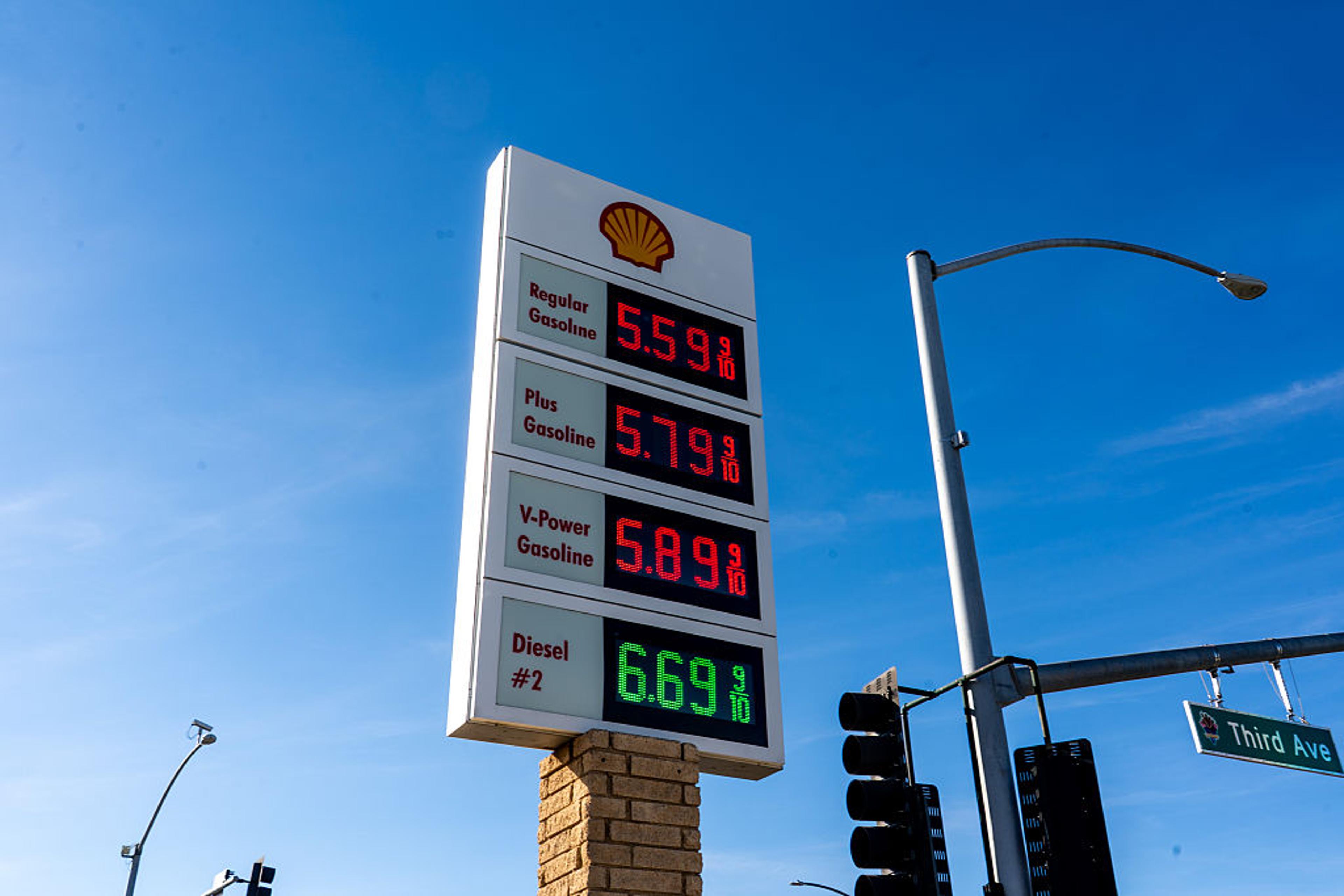
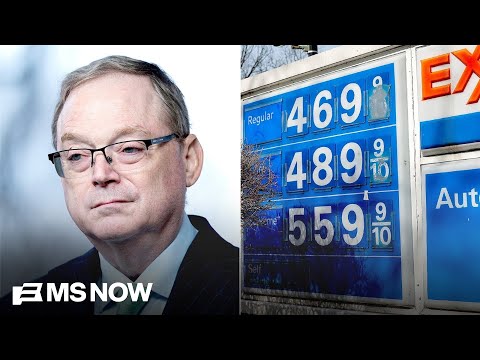
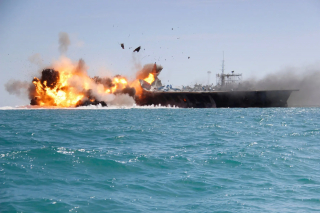
The Iran-U.S. military conflict has triggered a critical energy crisis with immediate implications for cross-border e-commerce operations. Since February 28, 2026, the closure of the Strait of Hormuz—through which one-fifth of global crude oil and natural gas flows—has caused Brent crude prices to surge 50% from $67 to over $100 per barrel in just two weeks. This translates to approximately 180 cents per gallon in additional gas costs for American consumers, totaling over $300 million daily in increased expenses. For e-commerce sellers, the impact is severe and multidimensional: diesel prices have increased 85%, directly raising transportation costs for FBA fulfillment and 3PL logistics operations. Jet fuel costs have surged proportionally, affecting air freight rates critical for cross-border shipments and time-sensitive inventory. Agricultural input costs are rising as fertilizer prices spike, impacting product sourcing and inventory costs for sellers in food, supplements, and agricultural categories.
The operational impact on seller segments is immediate and stratified. Sellers relying on air freight for expedited cross-border shipments face the most acute margin compression—air freight typically represents 8-12% of total logistics costs, and proportional fuel surges translate to $200-500 monthly increases for mid-sized sellers shipping 500+ units internationally. FBA sellers using Amazon's fulfillment network will experience indirect cost increases as Amazon adjusts logistics fees; historical precedent from 2022 energy spikes shows Amazon typically passes 40-60% of fuel cost increases to sellers within 60-90 days through revised FBA fees. Sellers in perishable goods categories (fresh food, supplements, temperature-controlled products) face the highest risk—expedited shipping represents 15-25% of product costs, and diesel increases directly compress margins on already thin-margin categories. Agricultural product sellers (seeds, fertilizers, plant-based supplements) face dual pressure: rising input costs from fertilizer price spikes plus increased shipping costs.
The timeline for cost stabilization remains uncertain, creating extended margin pressure. The Trump Administration faces constrained options for resolution; reopening the Strait requires Iran to stand down with an uncertain timeline. Even after reopening, recovery will be prolonged: Gulf region oil and gas facilities must ramp up from minimum operating rates—a process taking weeks under ideal conditions and potentially much longer if infrastructure sustained damage. Historical precedent from Russia's Ukraine invasion (2022) and Hurricanes Katrina/Rita (2005) demonstrates that pump prices spike rapidly when crude rises but decline slowly when prices fall, with economists documenting that prices respond twice as quickly to increases as decreases. This asymmetry means sellers should expect sustained elevated logistics costs through Q2 2026 minimum, with potential extension into Q3 if geopolitical tensions persist. The International Energy Agency has mobilized 400 million barrels from emergency reserves, but this provides only partial relief with limited sustainability—enough to moderate but not eliminate price pressures. Sellers must immediately reassess logistics strategies, negotiate long-term freight contracts at current rates before further increases, and consider strategic sourcing country shifts to reduce air freight dependency.
Questions 8
What immediate actions should sellers take to mitigate logistics costs?
Sellers should immediately: (1) Negotiate long-term freight contracts with 3PL providers at current rates before further increases—lock in rates for 90-180 days; (2) Review inventory by product category and shift high-margin items to air freight while moving lower-margin products to ground shipping; (3) Audit current logistics spend by carrier (FedEx, UPS, DHL) and consolidate volume with single providers for better rates; (4) Consider strategic sourcing shifts to reduce air freight dependency—evaluate Vietnam, India, or Mexico sourcing for categories currently sourced from China; (5) Monitor Amazon Seller Central for FBA fee announcements and adjust pricing strategies preemptively. These actions should be completed within 30 days before costs increase further.
Should sellers shift sourcing countries to reduce shipping costs?
Yes, strategic sourcing shifts can reduce air freight dependency and total landed costs. Vietnam and India offer 20-30% lower sourcing costs than China for many categories, plus shorter air freight distances reducing fuel surcharge impact. Mexico sourcing eliminates air freight entirely for US-bound shipments via ground transport. However, sourcing transitions require 60-90 days for supplier qualification, sample approval, and initial production runs. Sellers should prioritize high-volume categories (500+ units monthly) where sourcing cost savings exceed transition costs. Evaluate supplier reliability, quality consistency, and minimum order quantities before committing. For immediate relief (0-30 days), focus on logistics optimization; for medium-term relief (60-90 days), execute sourcing transitions.