




Middle East Energy Crisis Drives Permanent Logistics Cost Surge | Cross-Border Seller Impact 2026
- Strait of Hormuz disruption increases shipping costs 8-15% indefinitely; Red Sea recovery stalled at 60% capacity; sellers must restructure supply chains and pricing strategies immediately














)



)












Overview
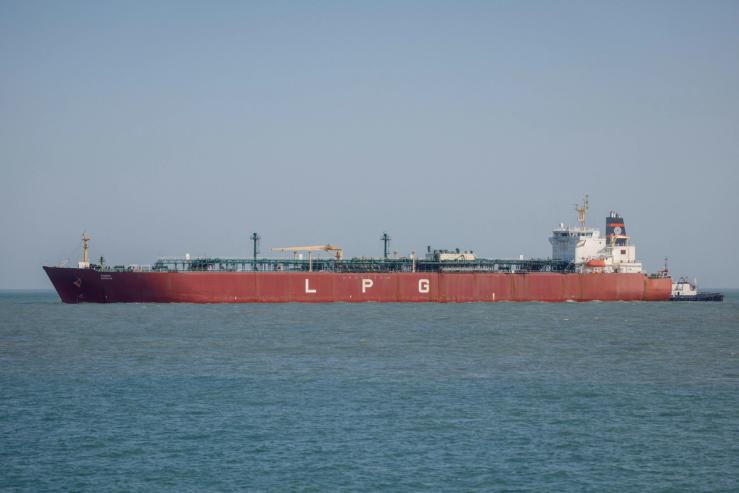
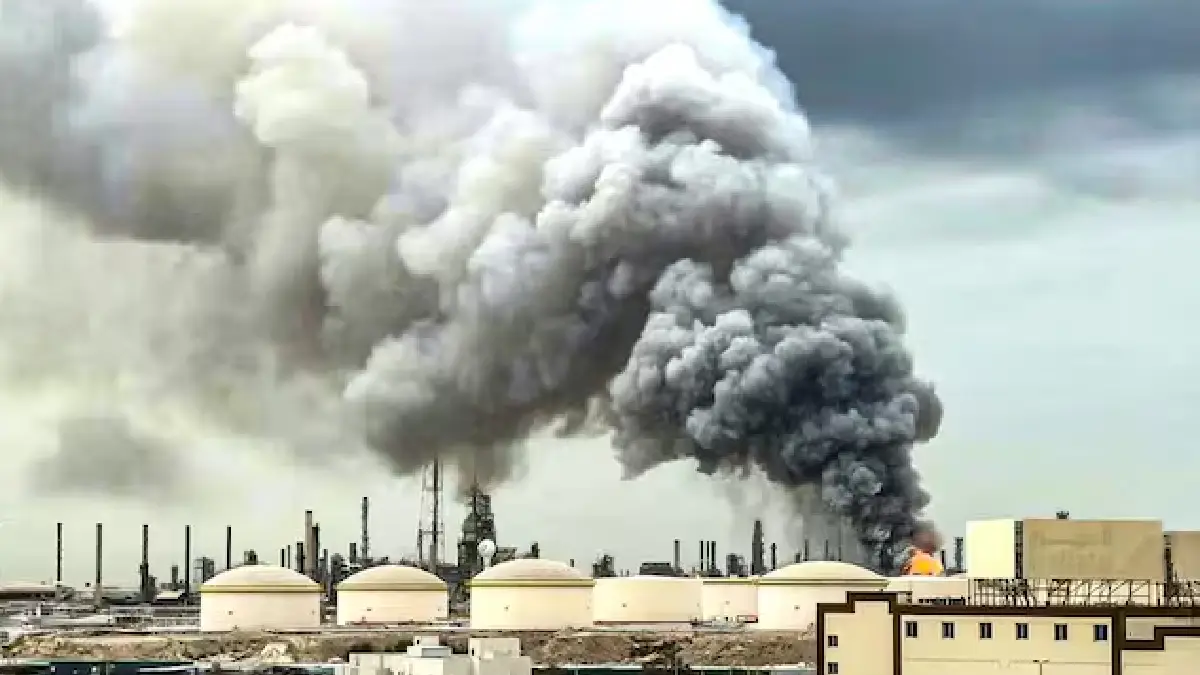
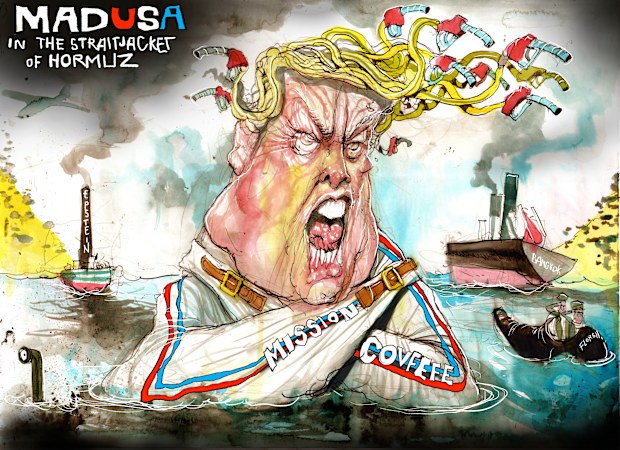
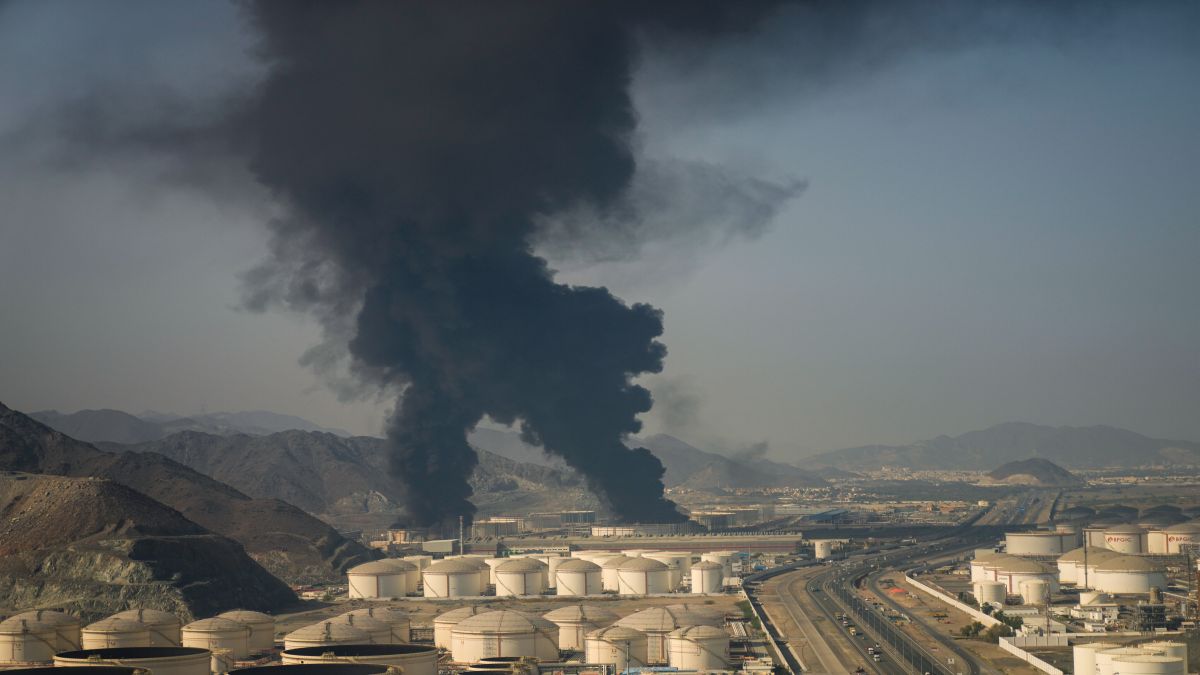
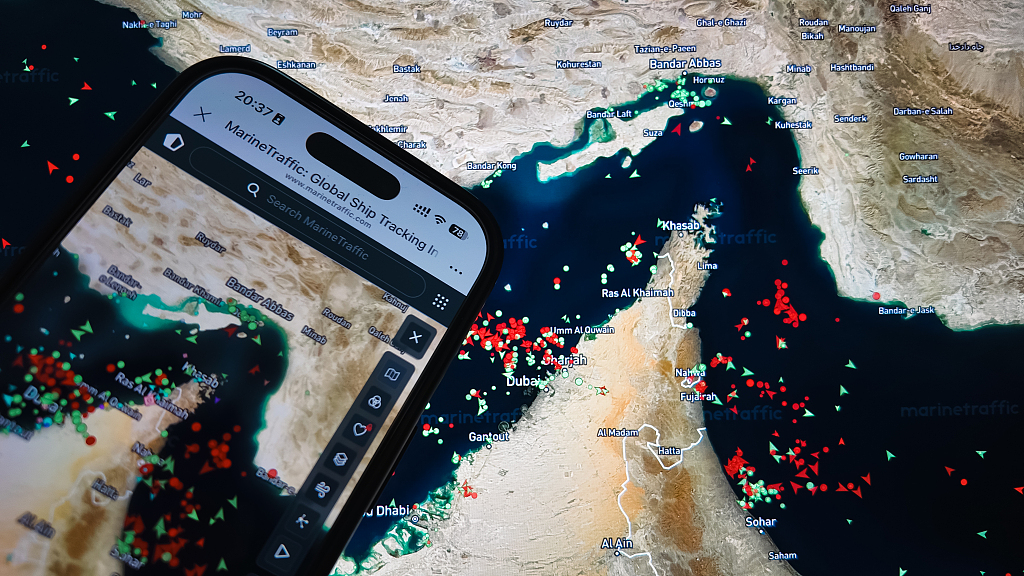
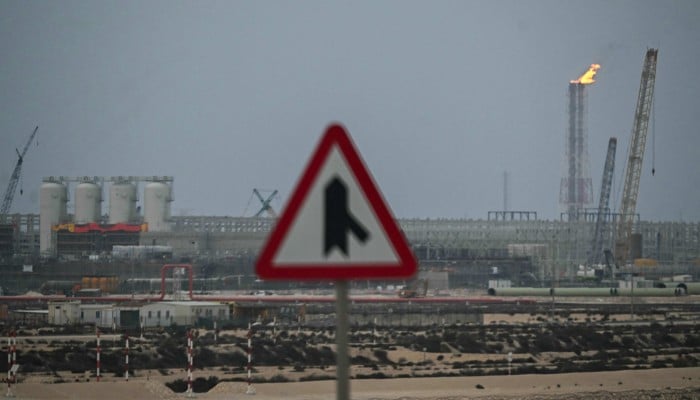
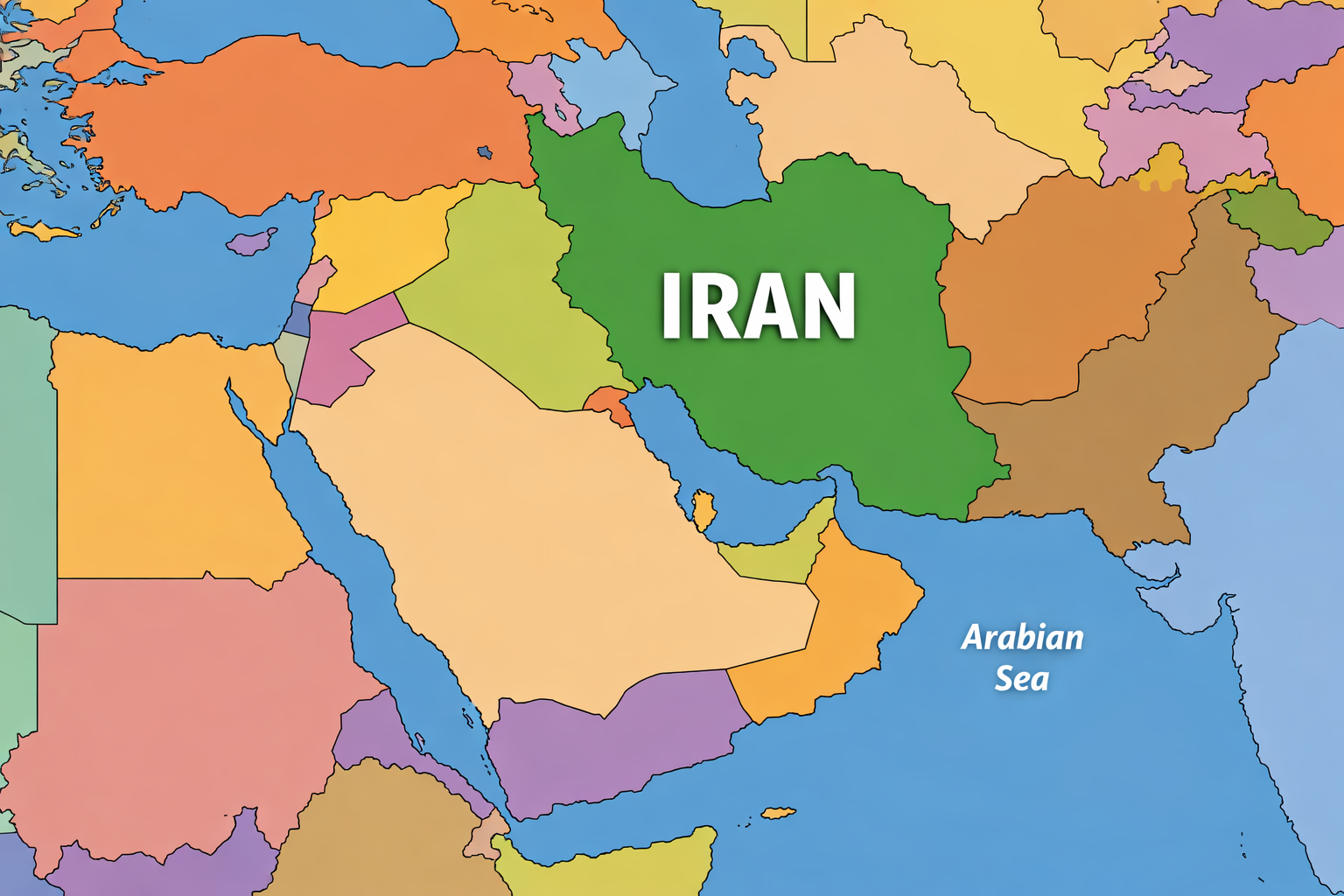
The Iran-Middle East conflict has fundamentally restructured global logistics economics for cross-border e-commerce sellers. The Strait of Hormuz blockade—controlling approximately 20-21% of global oil and liquefied natural gas supplies—pushed crude oil above $100 per barrel, directly cascading into higher fuel surcharges, maritime insurance premiums, and rerouting costs for international sellers. This represents a structural shift, not a temporary disruption: Energy Outlook Advisors analyst Anas Alhajji warns that even immediate conflict resolution will not reverse the "permanent Middle East risk premium" embedded in energy markets for years ahead.
Immediate Operational Impact for Sellers: Shipping insurance and freight forwarding costs have increased significantly across all routes. The Red Sea shipping corridor—a critical alternative to Suez Canal routes—remains at only 60% of pre-October 2023 traffic levels despite ceasefire agreements, demonstrating the extended confidence-restoration timeline. Sellers relying on air freight or expedited shipping face disproportionate cost increases, as fuel surcharges now represent 8-15% of total logistics expenses. For a mid-sized seller shipping 1,000+ units monthly via FBA or 3PL providers, this translates to $200-400 additional monthly costs. Energy-intensive categories—refrigerated goods, specialized packaging, rapid fulfillment—face compounding margin compression.
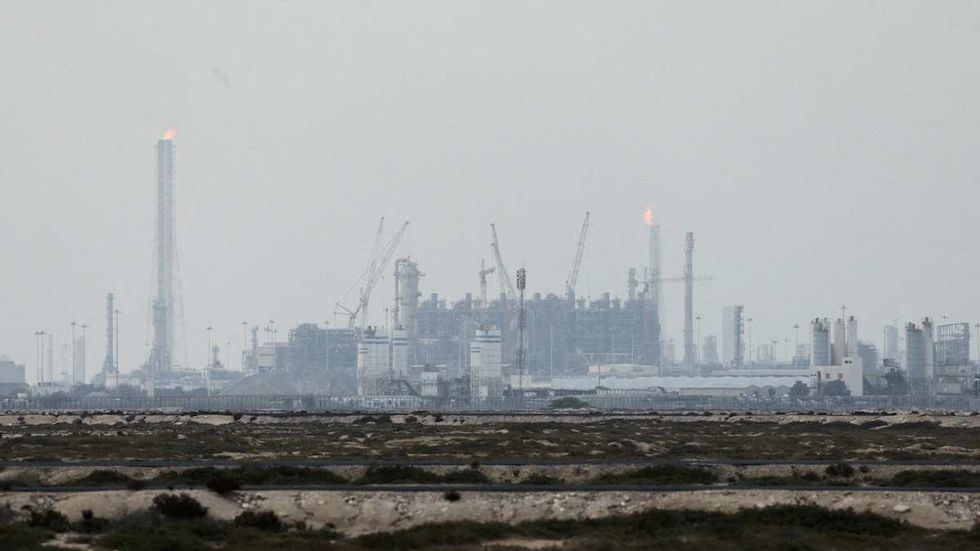
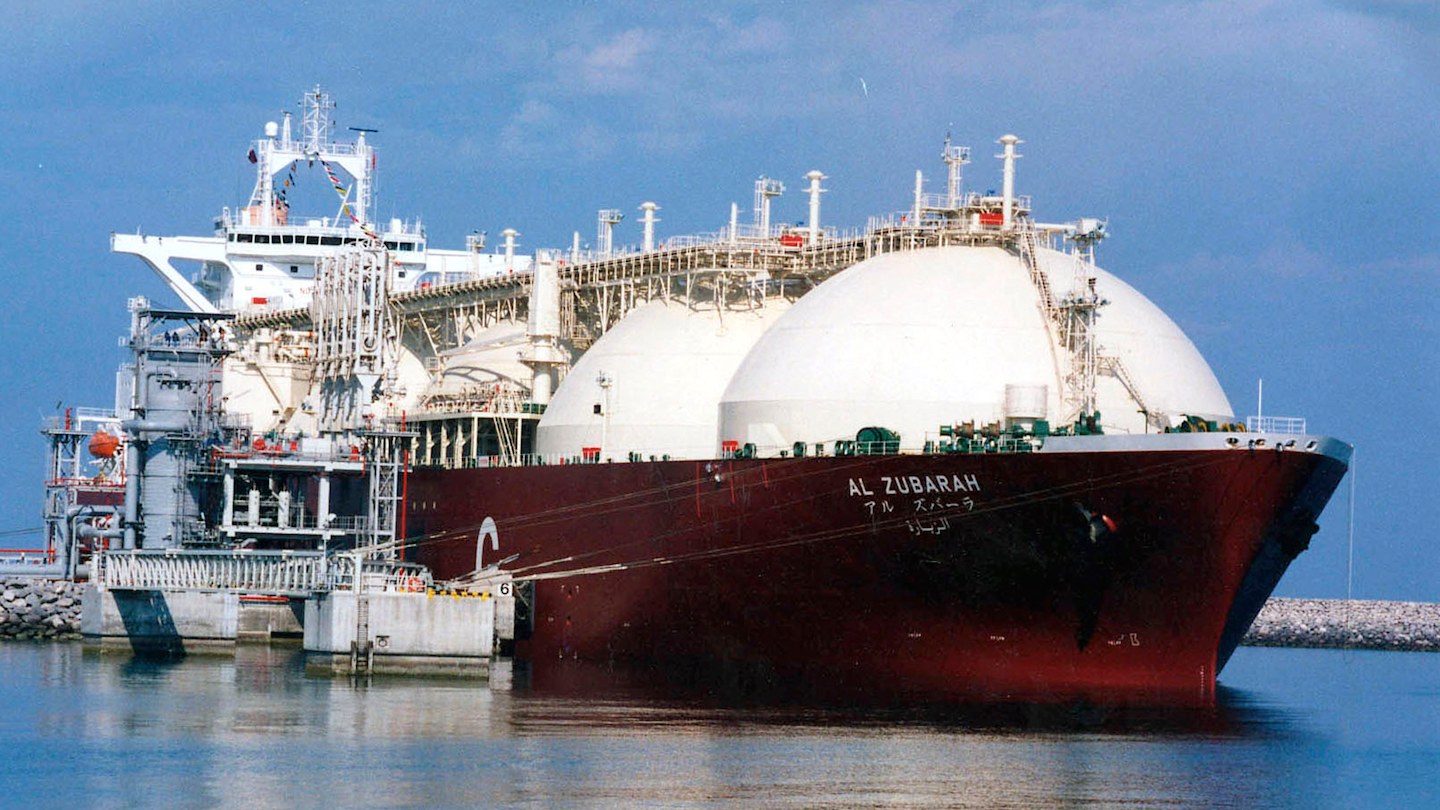
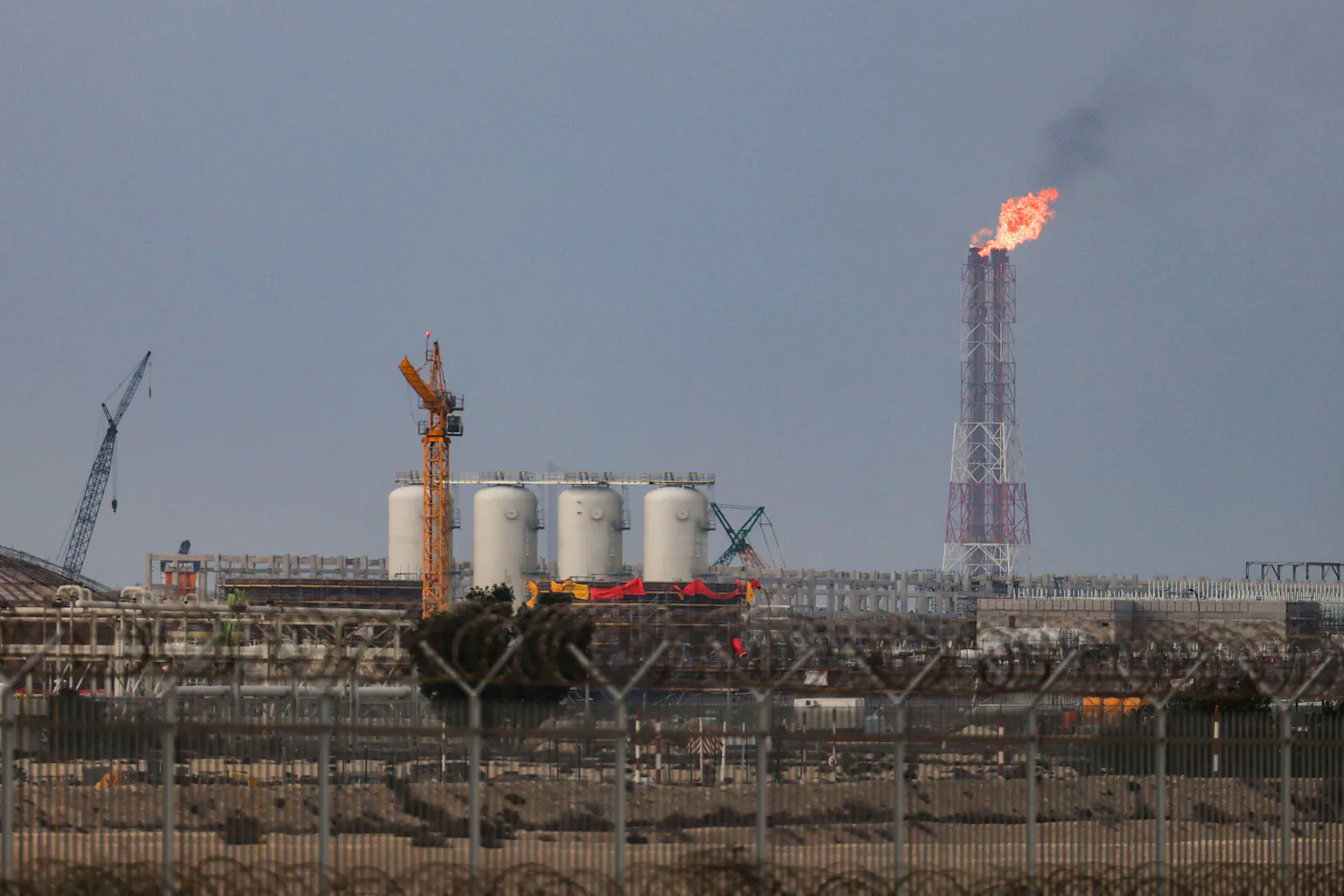
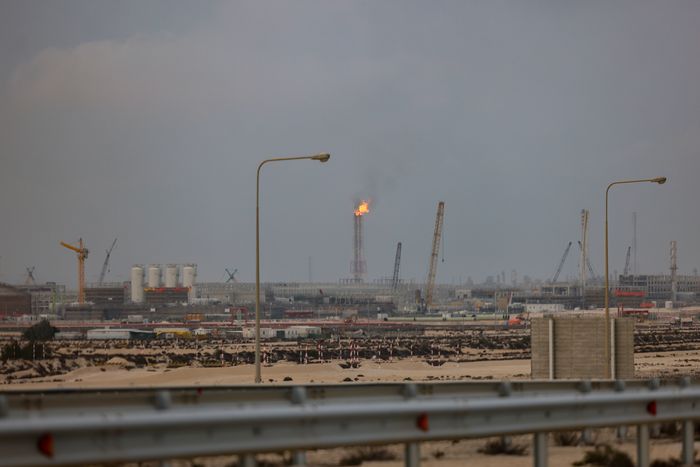
Strategic Supply Chain Restructuring Required: Major Gulf producers (Saudi Arabia, Iraq, UAE) are actively restructuring export routes to reduce Hormuz dependency. Saudi Arabia is redirecting crude loadings through the Red Sea port of Yanbu to record levels, while Iraq and UAE explore alternative pipelines. This geopolitical reconfiguration creates both risks and opportunities: sellers must immediately diversify sourcing away from single-route dependencies. Strategic stockpiling—previously viewed as expensive inventory carrying cost—is now essential risk mitigation. Qatar, the world's second-largest LNG producer with no alternative export routes, faces unique exposure that will perpetuate energy cost volatility. Sellers should anticipate structurally higher transportation costs indefinitely and adjust pricing strategies, supplier relationships, and inventory positioning accordingly. This represents a fundamental shift in global logistics economics that will reshape cross-border trade efficiency and profitability for years.
Questions 8
Which product categories face the biggest logistics cost impact?
Energy-intensive categories face disproportionate cost increases: refrigerated goods (food, pharmaceuticals), specialized packaging (fragile items, hazmat), and rapid fulfillment services (expedited shipping, same-day delivery). These categories already operate on thin margins and cannot easily absorb 8-15% logistics cost increases. Sellers in these categories must immediately restructure pricing or shift to slower, cheaper shipping methods. Conversely, lightweight, non-perishable items with flexible delivery windows (apparel, accessories, books) can absorb costs more easily. Sellers should audit their category's logistics intensity and adjust inventory positioning accordingly—consider reducing FBA inventory for high-cost categories and shifting to slower 3PL or merchant-fulfilled options.
Should I stockpile inventory to avoid future shipping cost increases?
Yes, strategic stockpiling is now essential risk mitigation, though it requires careful execution. The news reports that stockpiling—previously viewed as expensive inventory carrying cost—is now necessary due to permanent energy cost volatility. However, stockpiling only makes sense for fast-moving SKUs with predictable demand. Calculate your inventory carrying cost (storage, insurance, obsolescence) against projected shipping cost increases. For example, if shipping costs increase $200/month and you can stockpile 3 months of inventory at $50/month carrying cost, the math favors stockpiling. Conversely, slow-moving items or seasonal products should not be stockpiled. Immediate action: identify your top 20% SKUs by velocity and profitability, then model 6-month stockpiling scenarios in your inventory management system.