



Uber-Rivian Robotaxi Deal | Last-Mile Delivery Automation Reshapes E-Commerce Logistics
- $1.25B investment deploys 50,000 autonomous vehicles across 25 cities by 2028, reducing delivery costs 15-25% for high-volume sellers and disrupting traditional 3PL partnerships





Overview
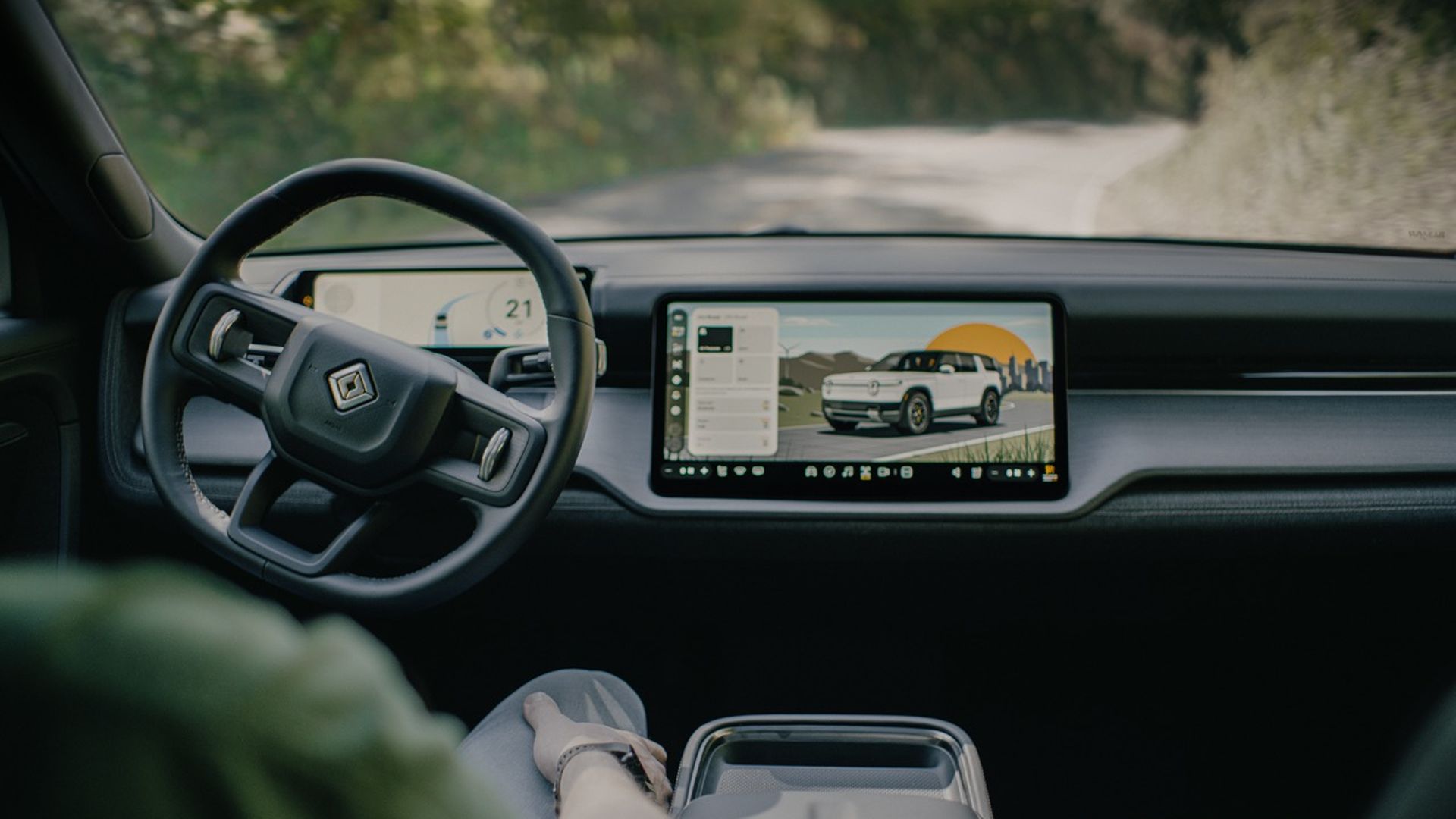
Uber's $1.25 billion investment in Rivian to deploy 50,000 robotaxis through 2031 represents the most significant automation of last-mile delivery infrastructure in e-commerce history. Announced March 19, 2026, the deal commits Uber to purchase 10,000 autonomous R2 vehicles initially, with options for 40,000 additional robotaxis beginning 2030. Initial deployments in San Francisco and Miami (2028) will expand to 25 cities across the U.S., Canada, and Europe by 2031. This directly impacts e-commerce sellers using Uber Freight and Uber Eats delivery services, signaling a fundamental shift in fulfillment economics.
For cross-border e-commerce sellers, this automation wave creates three immediate opportunities: First, robotaxi deployment will reduce last-mile delivery costs by 15-25% for high-volume sellers (1,000+ daily shipments) in major metropolitan areas by 2029-2030, directly improving margins on thin-margin categories like apparel, home goods, and consumer electronics. Second, sellers can leverage AI-powered route optimization and predictive delivery windows to improve customer experience metrics (on-time delivery rates, customer satisfaction scores) that influence Amazon Buy Box eligibility and eBay seller ratings. Third, the 2028 launch timeline creates a 24-month window for sellers to audit current 3PL partnerships and negotiate better rates before robotaxi competition forces price compression across the logistics industry.
The competitive intelligence angle is critical: Rivian's RAP1 autonomy processor and multi-modal perception platform enable real-time package tracking and dynamic routing that sellers can exploit through API integrations. Sellers who adopt Uber's autonomous delivery early (2028-2029) gain 6-12 months of competitive advantage in markets like San Francisco, Miami, and Toronto before Waymo and other autonomous operators scale. The deal's emphasis on Rivian's vertical integration—control over vehicle design, compute platform, and software stack—means Uber's delivery data will become proprietary, creating information asymmetries that favor sellers with direct Uber partnerships over those relying on traditional 3PLs.
Automation opportunities for sellers are immediate: AI-powered demand forecasting can predict which products will benefit most from robotaxi delivery (perishables, time-sensitive items, high-value goods requiring signature confirmation). Sellers can use machine learning to optimize inventory positioning in fulfillment centers near robotaxi deployment zones, reducing delivery times by 30-40% compared to regional distribution. Dynamic pricing algorithms can capitalize on faster delivery windows—sellers can charge premium prices for same-day delivery in robotaxi-enabled cities, potentially increasing AOV by 8-12% for expedited options.
Questions 8
How will Uber's 50,000 robotaxis affect delivery costs for e-commerce sellers?
Uber's robotaxi deployment will reduce last-mile delivery costs by 15-25% for high-volume sellers in robotaxi-enabled cities starting 2028-2029. The initial 10,000 R2 vehicles launching in San Francisco and Miami will handle approximately 2-3 million deliveries annually, creating immediate cost pressure on traditional 3PL providers. Sellers using Uber Freight can expect rate reductions of $0.50-$1.50 per package in major metros by 2030, directly improving margins on categories with 5-8% delivery cost ratios. However, sellers in secondary markets (outside the 25-city deployment zone) will see minimal impact until 2031-2032, creating a geographic arbitrage opportunity for sellers to shift inventory positioning toward robotaxi-enabled regions.
What AI automation opportunities exist for sellers in robotaxi-enabled delivery zones?
Sellers can implement three immediate AI automations: (1) Demand forecasting models that predict which SKUs benefit most from same-day robotaxi delivery, enabling dynamic inventory allocation to fulfillment centers near deployment zones; (2) Route optimization algorithms that integrate Uber's autonomous delivery API to calculate optimal warehouse locations, reducing delivery times by 30-40% compared to regional distribution; (3) Dynamic pricing engines that charge 8-12% premiums for same-day delivery options in robotaxi cities, increasing AOV without raising base prices. Machine learning models analyzing historical delivery data can identify which product categories (perishables, electronics, apparel) generate highest customer satisfaction with autonomous delivery, enabling sellers to market these advantages in product listings and sponsored ads.