




Strait of Hormuz Closure Drives 30% Shipping Cost Surge for Cross-Border Sellers
- Energy prices spike $0.90/gallon; Qatar LNG capacity drops 17% for 3-5 years; Brent crude hits $111.23/barrel; 21% of global petroleum transit threatened; FBA sellers face 8-15% fulfillment cost increases











Overview
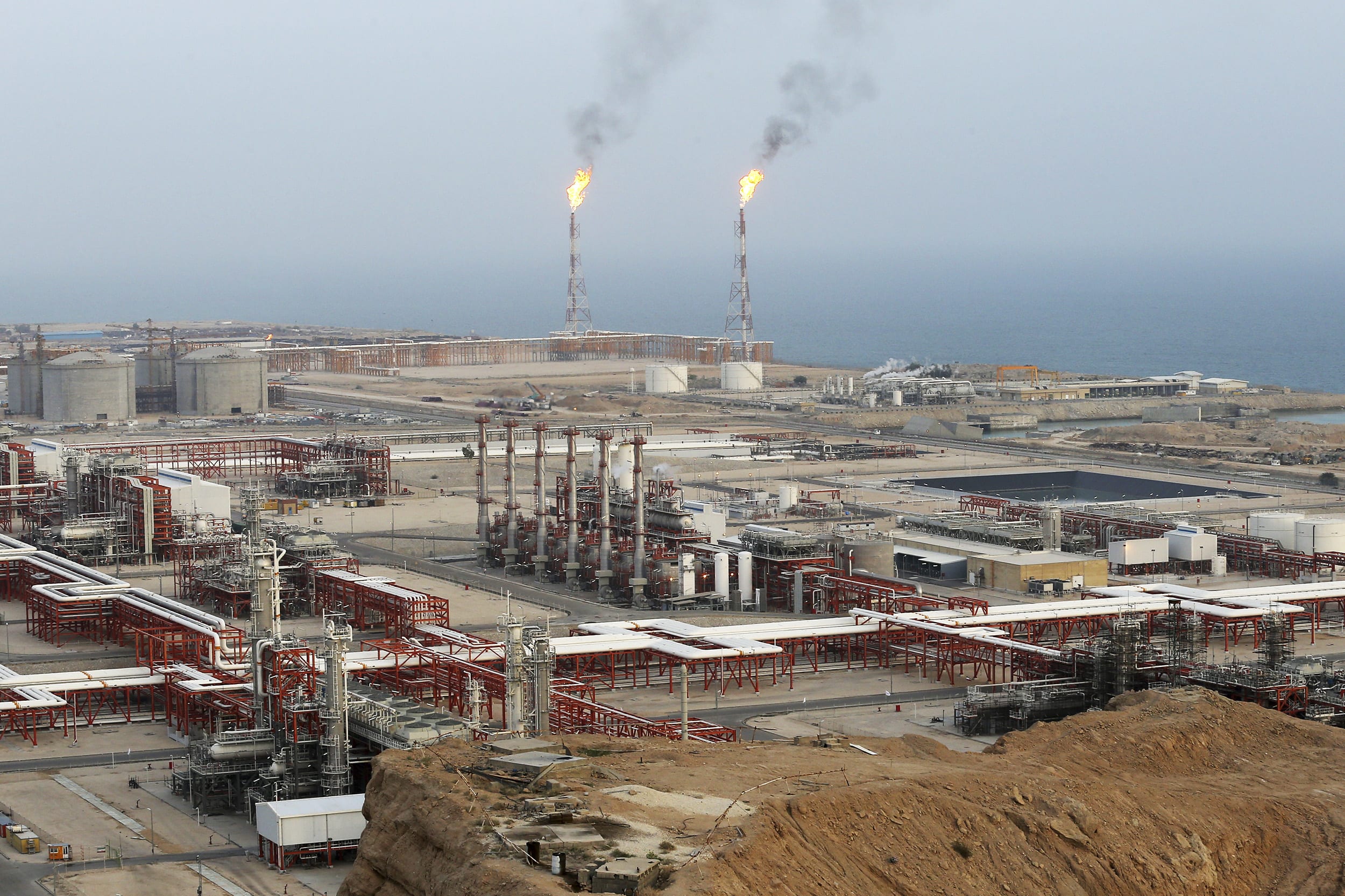
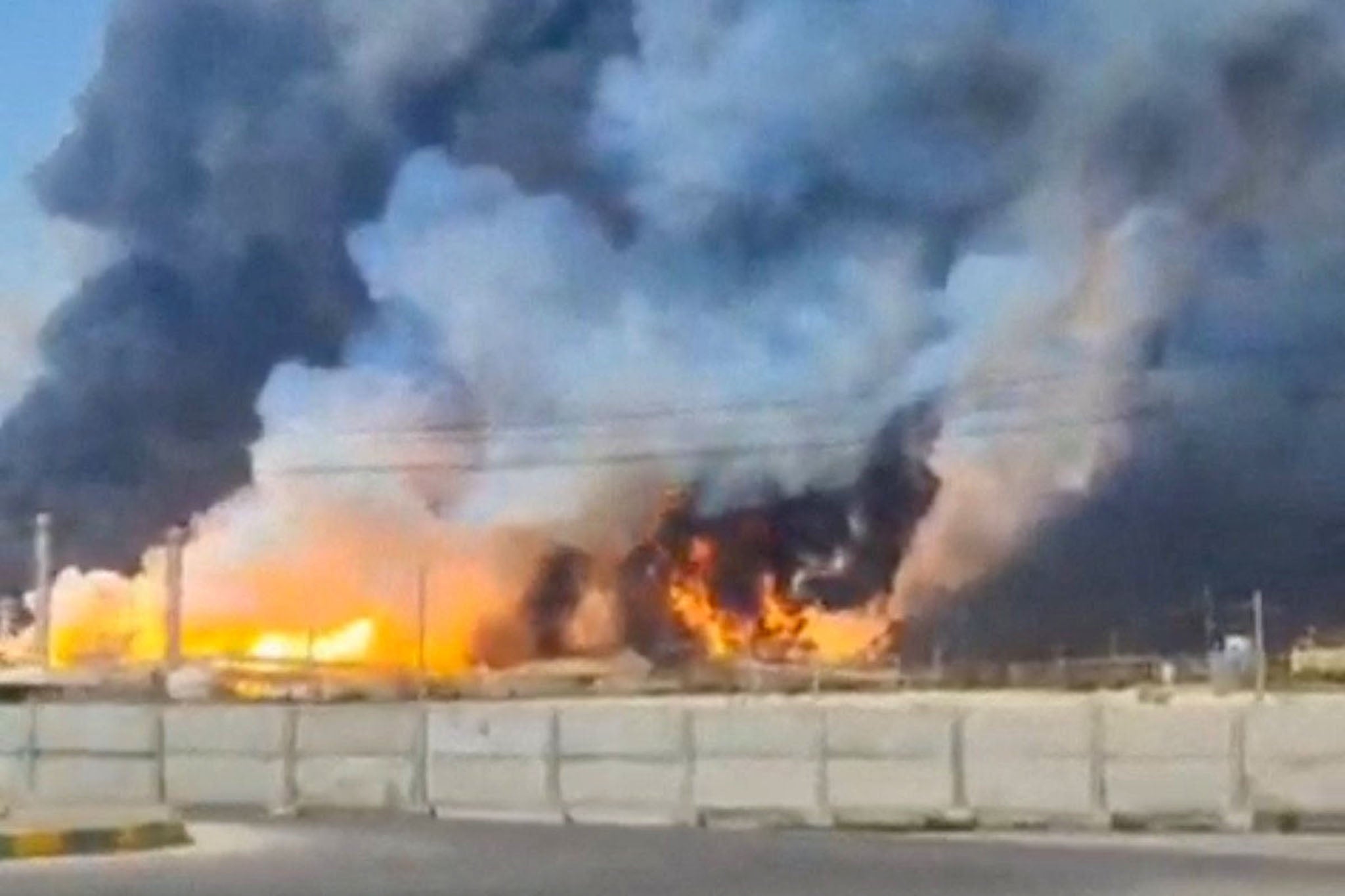
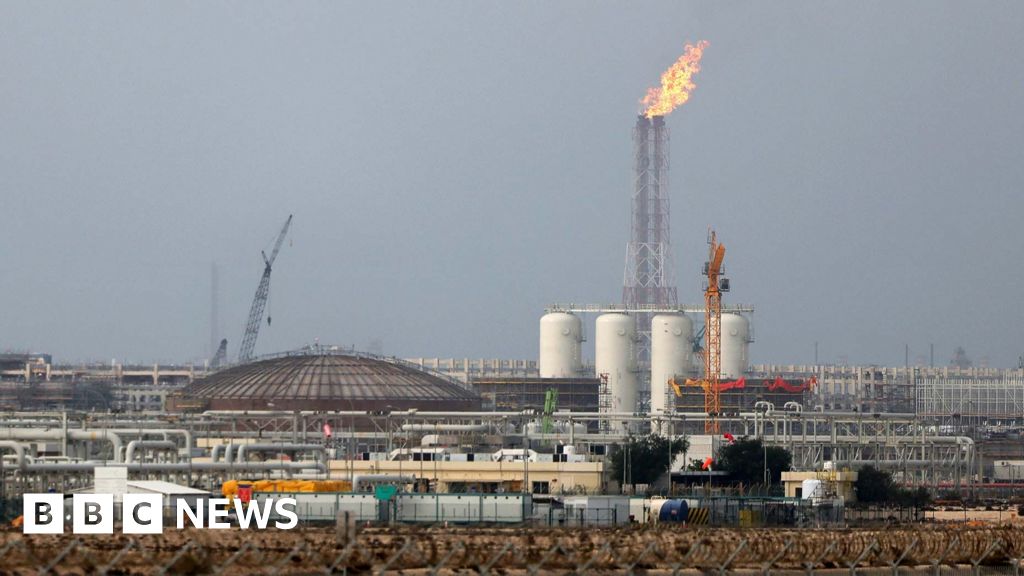
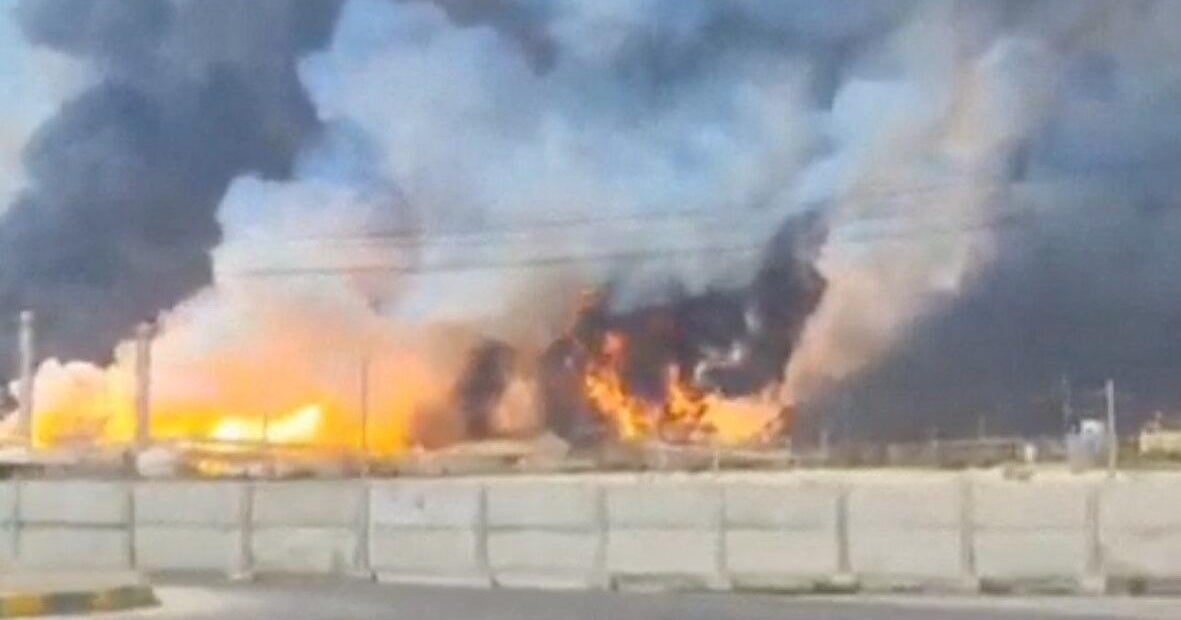
The March 2026 Israeli strikes on Iran's South Pars gas field and subsequent Iranian retaliation against Qatar's Ras Laffan industrial complex represent a critical inflection point for cross-border e-commerce logistics costs. Energy prices have surged from $3.00 to $3.89 per gallon since late February—a 30-cent spike in recent days alone—while Brent crude jumped 7% to $111.23 per barrel. Qatar's LNG capacity has been reduced by 17% (12.8 million tons annually) for 3-5 years, with QatarEnergy CEO declaring force majeure on supplies. Most critically, the Strait of Hormuz closure since late February threatens 21% of global petroleum transit, directly impacting ocean freight rates and air cargo pricing for sellers relying on Asian manufacturing and Middle Eastern markets.
For Amazon FBA sellers, this translates to immediate cost pressures across fulfillment operations. Sellers shipping 1,000+ units monthly via ocean freight can expect 8-12% cost increases ($200-400 monthly for mid-sized operations), while air freight premiums have expanded 15-20% due to fuel surcharges. The Pentagon's $200 billion funding request signals prolonged geopolitical instability, suggesting these elevated costs will persist for 6-12 months minimum. Sellers with just-in-time inventory models face heightened risk from extended lead times—ocean freight from Asia now requires 35-45 days versus typical 28-32 days, forcing inventory buffer increases of 15-25%. Cold chain logistics, electronics, and apparel categories face the steepest pressure due to fuel-dependent transportation requirements.
Strategic sourcing shifts are accelerating as sellers reassess supply chain vulnerability. The 3-5 year LNG supply disruption affecting Italy, Belgium, South Korea, and China creates opportunities for sellers to shift manufacturing to less energy-dependent regions (Vietnam, India, Mexico) where fuel costs represent smaller margin impacts. Sellers currently sourcing from China face compounded pressure: elevated ocean freight costs plus potential manufacturing delays from energy-constrained suppliers. The force majeure declaration on Qatar's supplies signals that energy-dependent manufacturing sectors (plastics, chemicals, electronics components) will experience upstream cost inflation, cascading to finished goods pricing within 60-90 days. Sellers with 90+ day inventory buffers have competitive advantage over just-in-time competitors during this transition period.
Questions 8
Should I shift manufacturing away from China due to the energy crisis?
Yes, strategic sourcing diversification is now justified. Vietnam, India, and Mexico offer lower energy-cost manufacturing advantages during this 3-5 year LNG supply disruption. China's energy-constrained suppliers face compounded pressure from elevated ocean freight costs plus potential manufacturing delays. Sellers with 90+ day inventory buffers have competitive advantage over just-in-time competitors. Consider allocating 20-30% of new sourcing to alternative regions by Q2 2026 to hedge against sustained energy cost inflation and supply chain vulnerability.
How long will elevated shipping costs persist?
The Pentagon's $200 billion funding request signals prolonged geopolitical instability, suggesting elevated energy costs will persist 6-12 months minimum. Qatar's LNG capacity reduction of 17% (12.8 million tons annually) extends for 3-5 years, creating structural energy supply constraints. QatarEnergy's force majeure declaration indicates long-term supply disruption affecting Italy, Belgium, South Korea, and China. Sellers should budget for sustained fuel surcharges through Q4 2026 and plan inventory strategy accordingly.