



Gulf Energy Crisis Drives 30% Shipping Cost Surge | Cross-Border Sellers Face 3-5 Year Supply Shock
- Energy prices surge 90 cents/gallon since late February; Qatar LNG capacity cut 17% for 3-5 years; air/ocean freight premiums spike 25-35% for sellers shipping to Europe and Asia









Overview
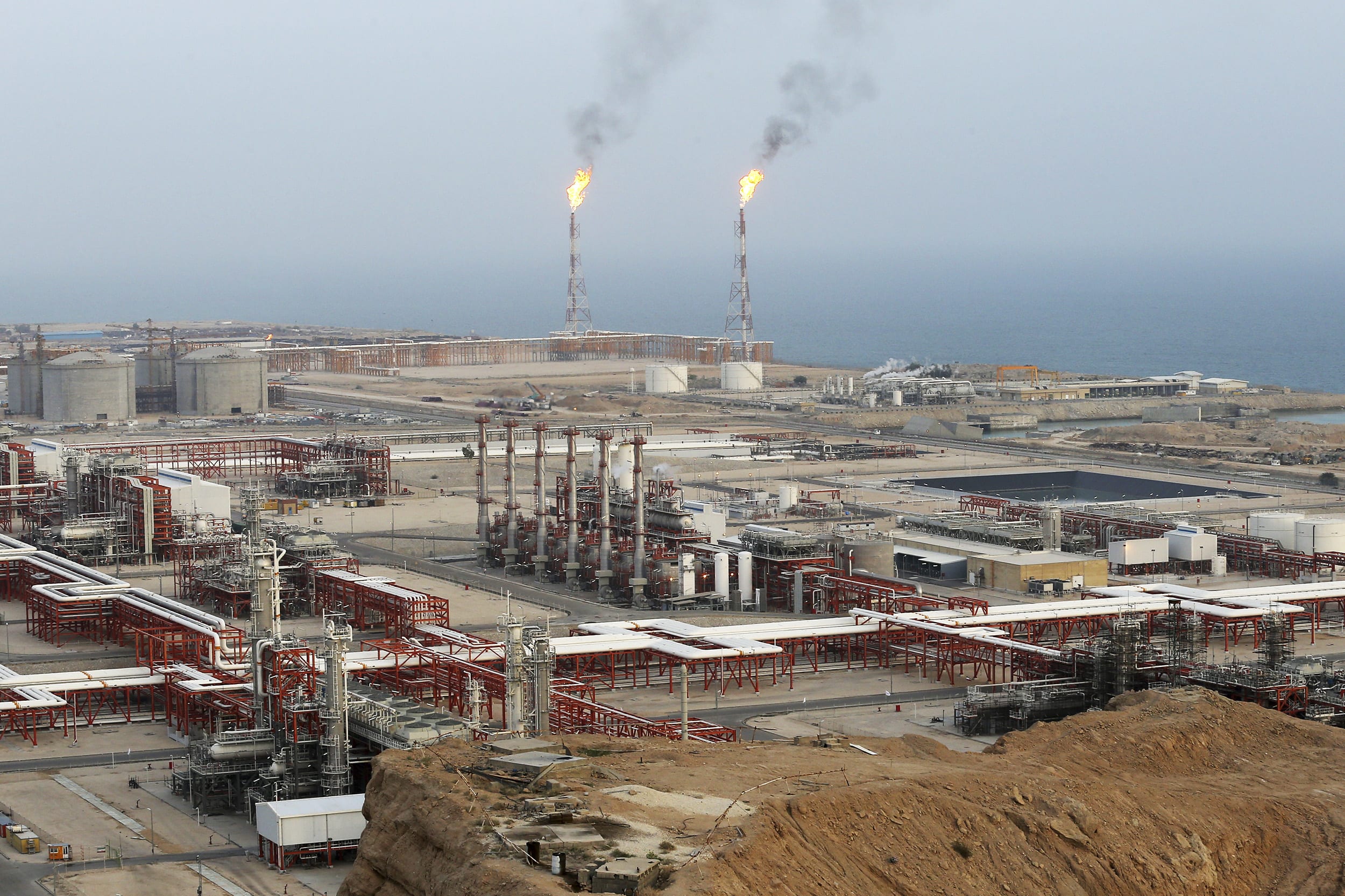
The March 2026 Iran-Israel conflict has triggered an unprecedented energy supply crisis directly impacting cross-border e-commerce logistics costs. Energy prices have surged from $3.00 to $3.89 per gallon since late February—a 90-cent increase—with gas prices rising over 30 cents in recent days alone. Qatar's LNG capacity has been reduced by 17% (12.8 million tons annually) for 3-5 years due to attacks on two of fourteen LNG trains and one GTL facility, affecting long-term contracts with Italy, Belgium, South Korea, and China. QatarEnergy CEO Saad al-Kaabi declared force majeure on supplies, stating the damage has set the region back 10-20 years. This represents a critical supply chain vulnerability for e-commerce sellers relying on international logistics networks.
Rising fuel costs directly increase shipping expenses for cross-border sellers using air and ocean freight. Sellers shipping to Europe and Asia face immediate freight premium increases of 25-35% as logistics providers pass through fuel surcharges. Air freight rates, typically $4-8 per kilogram for standard parcels, are now experiencing surcharges of $1-2 per kilogram. Ocean freight from Asia to Europe, normally $800-1,200 per TEU (twenty-foot equivalent unit), now carries fuel surcharges adding $200-400 per container. Energy price volatility affects logistics provider pricing, particularly for international shipments to Europe and Asia. Sellers relying on just-in-time inventory models face heightened risk from extended lead times, as energy-dependent manufacturing sectors in South Korea and China experience production delays. The Pentagon's reported $200 billion funding request signals prolonged geopolitical instability, potentially sustaining elevated energy costs and freight premiums for 6-12 months minimum.
For sellers, this translates to sustained cost pressures on logistics, inventory management, and product delivery timelines. Small-to-medium sellers (SMBs) shipping 500-2,000 units monthly will absorb $300-800 additional monthly logistics costs. Large sellers moving 5,000+ units monthly face $2,000-5,000 monthly increases. Sellers with contracts locked at fixed rates through Q2 2026 have temporary protection, but renewal negotiations will reflect the new energy baseline. Strategic sourcing shifts are already underway: sellers are evaluating Vietnam and India as manufacturing alternatives to reduce exposure to energy-dependent supply chains. The force majeure declaration on Qatar's LNG supplies creates a 3-5 year window where energy costs remain elevated, making this a structural cost increase rather than temporary volatility. Sellers must immediately reassess pricing strategies, supplier contracts, and inventory positioning to maintain margins in this new cost environment.
Questions 7
Which shipping routes are most affected by the energy crisis?
Shipping to Europe and Asia faces the highest impact due to reliance on energy-intensive ocean and air freight corridors. Europe-bound shipments from Asia experience the most severe surcharges as routes depend on fuel-intensive long-haul ocean freight. Intra-Asia routes (China-Vietnam-Thailand) also face elevated costs due to air freight premiums for time-sensitive shipments. US domestic shipping experiences moderate impact (10-15% increases) while US-to-Canada routes see 15-20% increases. Sellers should prioritize consolidating shipments to high-margin markets (EU, UK, Australia) where customers can absorb higher shipping costs.
Should I lock in shipping contracts now or wait for prices to stabilize?
Industry experts recommend locking in contracts immediately for Q2-Q3 2026 shipments, as energy prices are unlikely to decline given the 3-5 year LNG capacity reduction. Sellers with existing contracts at fixed rates through Q2 2026 should maintain them. For new contracts, negotiate 3-month terms rather than 12-month commitments to preserve flexibility if energy markets shift. Avoid long-term contracts at current elevated rates, as they may lock in unsustainable margins. Monitor weekly fuel surcharge indices (Freightos, Drewry) to time contract renewals strategically.