



BP Refinery Lockout Impacts Fuel Costs | Seller Logistics & Operating Expense Alert
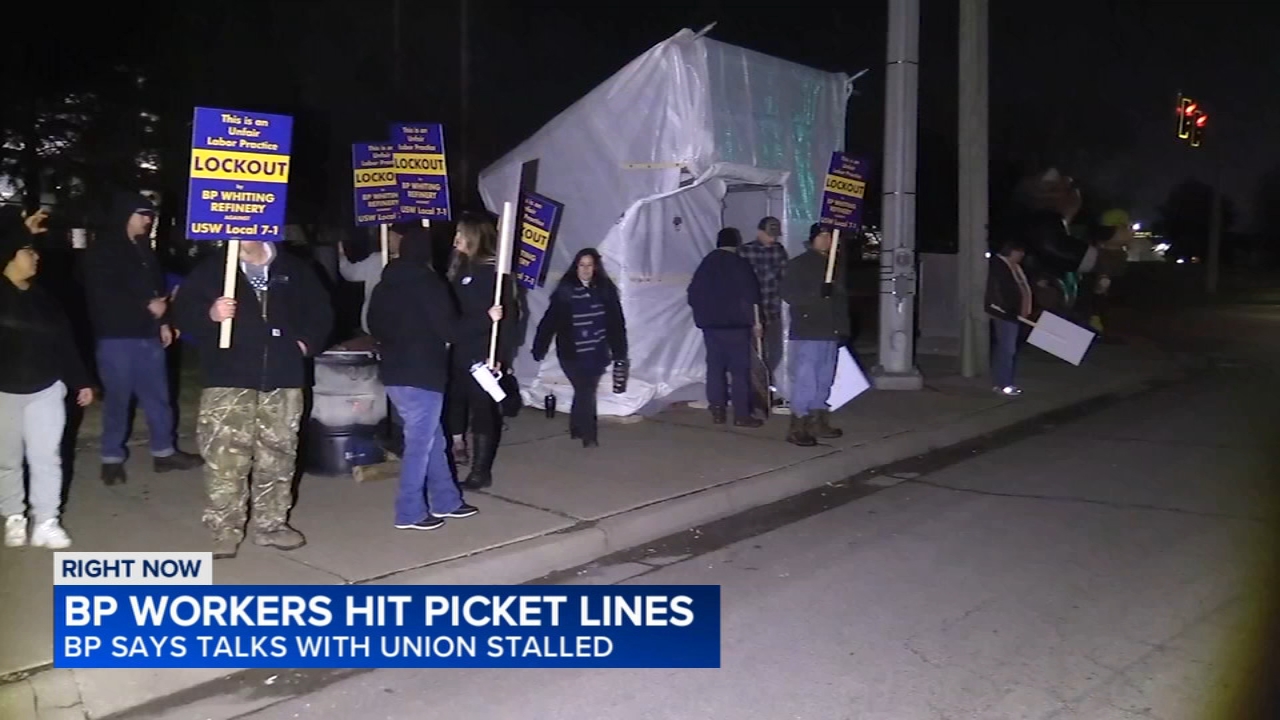
- 800+ workers locked out March 19, 2026; potential fuel price volatility affects shipping costs for 50K+ Midwest e-commerce sellers










Overview
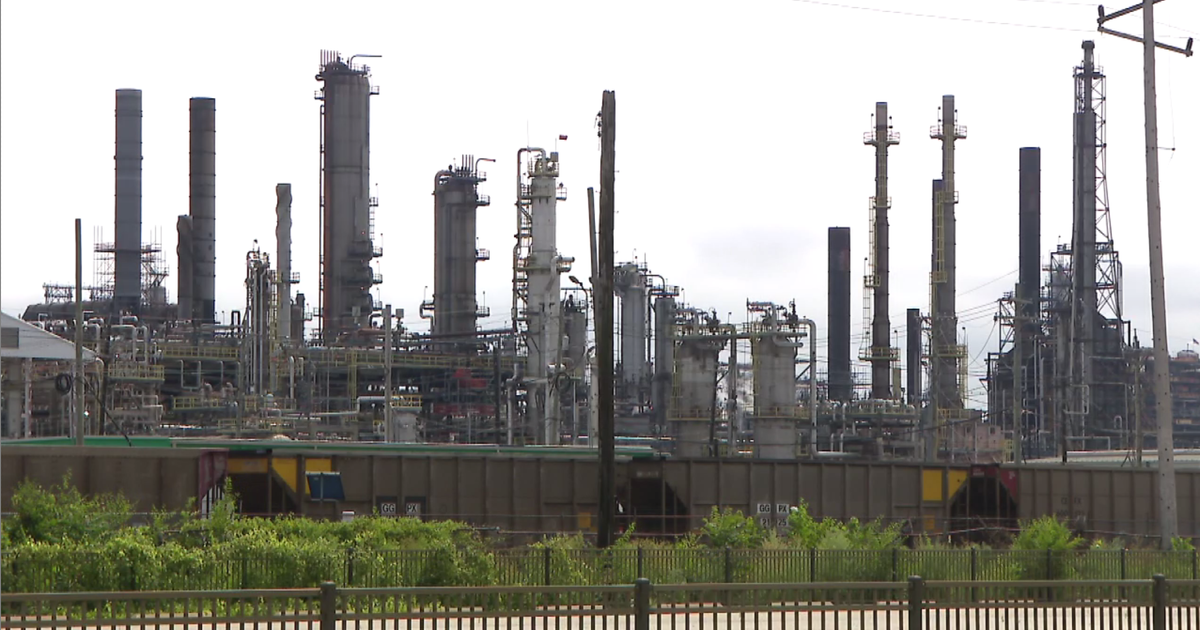
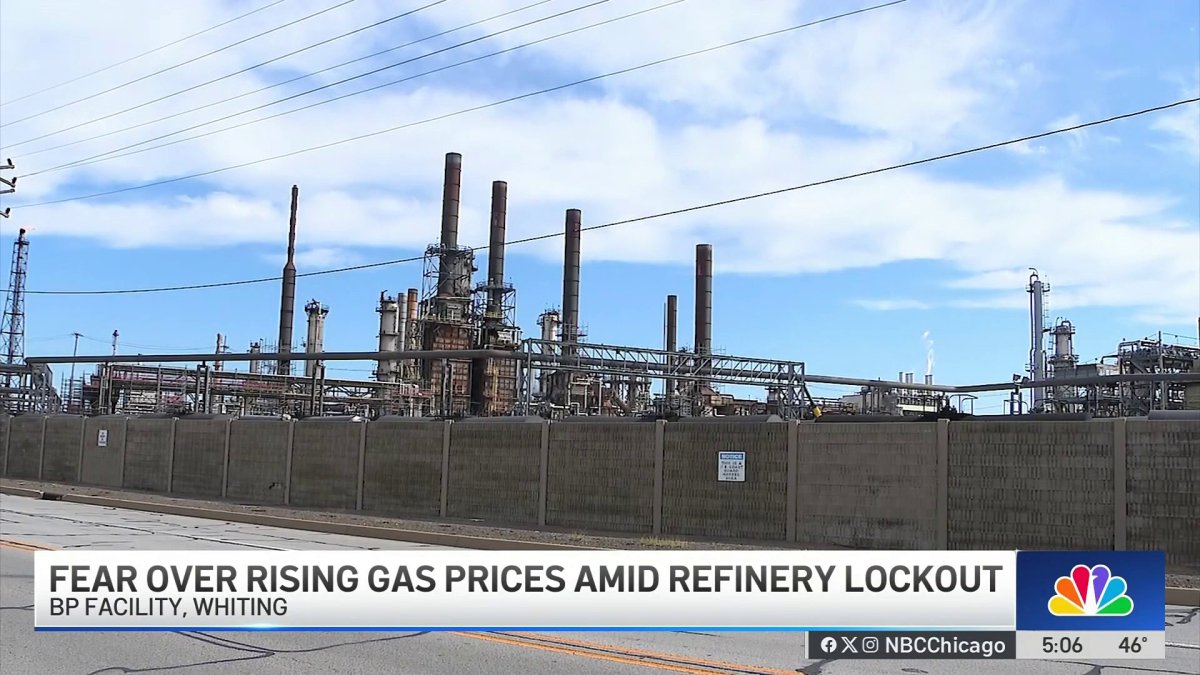
The BP Whiting refinery lockout beginning March 19, 2026, represents a critical supply chain event for e-commerce sellers operating in the Midwest and nationwide. Over 800 United Steelworkers union members were locked out after failed contract negotiations, with the dispute centered on BP's proposal to cut 100+ jobs and reduce salaries. While BP claims the refinery will continue operations with replacement workers, the lockout creates significant uncertainty in regional fuel supply and pricing—directly impacting seller logistics costs, shipping expenses, and fulfillment operations.
Immediate Supply Chain Impact: The Whiting refinery is a major Midwest petroleum facility producing gasoline, diesel, and jet fuel. Labor disputes at critical infrastructure facilities historically create 2-4 week supply chain disruptions, affecting fuel availability and pricing across the region. For e-commerce sellers using FBA fulfillment centers in Indiana, Illinois, Ohio, and Michigan, fuel surcharges on shipping could increase 5-12% during the lockout period. Sellers relying on 3PL providers and regional logistics networks face potential cost escalation as transportation fuel becomes scarcer or more expensive. The union president predicted the lockout could last "weeks," suggesting sustained operational pressure through at least early April 2026.
Seller Segment Exposure: Small-to-medium sellers (SMBs) shipping 500-5,000 units monthly from Midwest warehouses face the highest vulnerability. These sellers typically operate on 15-25% margins and lack the negotiating power of enterprise sellers to absorb fuel surcharges. Large sellers using Amazon FBA in Midwest regions may see increased fulfillment fees if Amazon adjusts regional surcharges. Cross-border sellers importing goods through Midwest distribution hubs face potential delays and increased logistics costs. Sellers in fuel-dependent categories (automotive parts, heavy equipment, industrial supplies) face dual pressure: rising input costs plus shipping expense increases.
Market Dynamics and Consumer Behavior: The news mentions U.S. gas prices have already increased due to the Iran conflict, creating a compounding effect. Fuel price volatility typically triggers consumer purchasing behavior shifts—buyers accelerate purchases of fuel-dependent products (automotive supplies, generators, heating equipment) before price increases. This creates a 1-2 week demand spike opportunity for sellers in these categories, followed by demand contraction. Sellers should monitor fuel price indices and adjust inventory positioning accordingly.
Questions 7
How should I adjust pricing during the fuel cost spike?
Implement **dynamic pricing strategies** that reflect fuel cost increases without triggering customer backlash. For products with 25%+ margins, absorb 3-5% of fuel cost increases while passing 5-8% to customers through modest price increases ($1-3 per unit). Use Amazon's **pricing tools** to test elasticity—increase prices 5-10% on high-demand items (BSR <5,000) where demand is less price-sensitive. For low-margin products (<15%), consider temporary price increases of 8-12% or reduce advertising spend to lower sales volume and inventory carrying costs. Monitor competitor pricing daily and revert to normal pricing within 2 weeks of lockout resolution to avoid losing market share.
What inventory adjustments should I make before fuel costs spike?
Increase inventory levels by 20-30% for high-demand automotive and fuel-efficiency products immediately, as demand typically peaks 3-5 days after fuel price news breaks. Reduce inventory for low-margin, high-weight products (>2 lbs) that incur heavy fuel surcharges—these items become unprofitable when shipping costs increase 10%+. Prioritize **FBA inventory** in non-Midwest regions (California, Texas, Georgia) to avoid regional fuel surcharges. For cross-border sellers, accelerate imports through non-Midwest ports (Los Angeles, Houston) to bypass Midwest logistics bottlenecks. Implement **inventory management tools** to track storage costs and avoid **long-term storage fees** if demand contracts after the lockout ends.