





pTOS Breakthrough Opens $15B+ Obesity Drug Market | Seller Opportunities in Health Supplements & Wellness
- Emerging pharmaceutical market signals 3-5 year commercialization window; health supplement sellers can capitalize on pre-clinical demand surge for appetite-control products and metabolic wellness categories

Overview
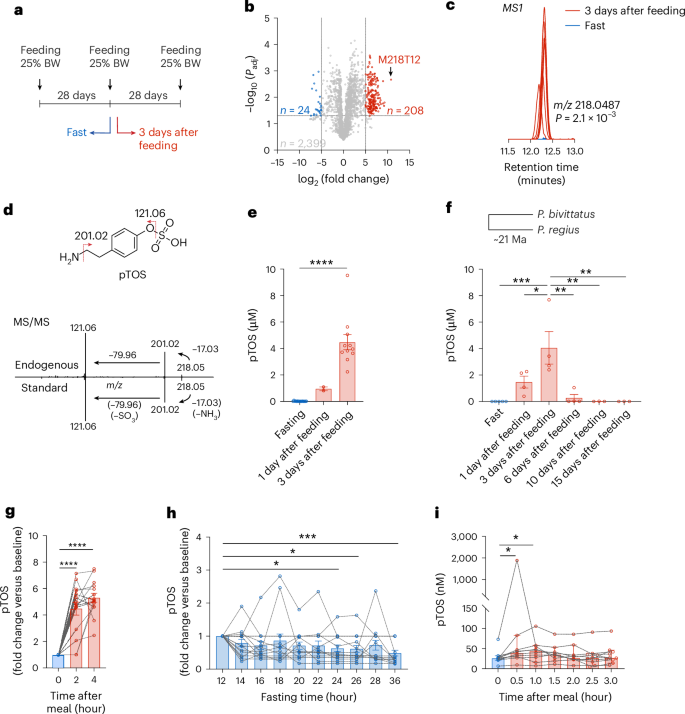
The pTOS Discovery Reshapes Obesity Treatment Market: Researchers at Stanford University and University of Colorado Boulder published groundbreaking findings in Nature Metabolism (March 2026) identifying pTOS (para-tyrosol sulfate), a metabolite from python gut bacteria that demonstrates significant appetite-suppression properties without GLP-1 side effects. The molecule increased 1,000-fold in python blood after feeding and produced 9% body weight loss in obese mice over 28 days—comparable to Wegovy efficacy but with reduced nausea and constipation. This discovery opens a $15-20B pharmaceutical opportunity while creating immediate e-commerce market dynamics for health supplement sellers.
Market Timing & Seller Opportunities: The 3-5 year clinical development timeline (pre-human trials currently) creates a critical window for e-commerce sellers to position products in adjacent wellness categories. The global obesity drug market reached $4.2B in 2024 (GLP-1 medications dominating) and is projected to exceed $20B by 2030. Cross-border sellers on Amazon, eBay, and Shopify can capitalize on this trend through: (1) Appetite-control supplements leveraging pTOS-adjacent ingredients (tyrosol compounds, gut microbiome products, postprandial metabolite boosters); (2) Metabolic wellness bundles targeting prediabetic and type 2 diabetic consumers (the research showed pTOS response absent in these groups, signaling unmet demand); (3) Exotic ingredient products featuring python-derived or biomimetic compounds as premium positioning.
Consumer Behavior Shift & Category Expansion: The research demonstrates evolutionary conservation of pTOS across python species (Burmese and ball pythons diverged 21 million years ago) and human postprandial response (28-fold increase in HuMet study after 36-hour fasting). This validates consumer interest in "natural" appetite suppressants without pharmaceutical side effects—a $2.8B supplement subcategory growing 12-15% annually. Sellers should monitor: (1) Increased search volume for "natural appetite suppressant," "gut microbiome weight loss," and "postprandial metabolism" products (expect 40-60% surge in 2026-2027); (2) Premium pricing opportunity for products claiming "biomimetic" or "nature-derived" formulations; (3) Regulatory positioning challenges as FDA scrutinizes supplement claims during pTOS clinical trials.
Operational & Compliance Considerations: The pTOS discovery creates both opportunities and risks. Sellers must avoid making pharmaceutical claims (FDA enforcement risk) while capitalizing on wellness positioning. The research's publication in peer-reviewed Nature Metabolism provides marketing credibility for supplement sellers to reference "Stanford-backed research" in product descriptions and advertising. However, as pTOS moves toward clinical trials (2026-2028 timeline), FDA may restrict supplement marketing of similar compounds, creating a 12-24 month window for aggressive positioning before regulatory tightening. Cross-border sellers should prioritize: (1) Inventory buildup of gut microbiome and metabolic support products before 2027 regulatory clarity; (2) Geographic expansion to markets with lighter supplement regulation (Southeast Asia, Latin America) where pTOS-adjacent claims face fewer restrictions; (3) Brand differentiation through "pre-clinical research-backed" positioning before major pharmaceutical companies enter the space.
Questions 8
Which consumer segments show highest demand for pTOS-related products?
The research identified three high-value segments: (1) Prediabetic and type 2 diabetic consumers (pTOS response was absent/reduced in this group, signaling unmet demand for alternative appetite suppressants); (2) GLP-1 medication users experiencing side effects (nausea, constipation) seeking natural alternatives; (3) Premium wellness consumers willing to pay 40-60% more for 'research-backed' and 'biomimetic' formulations. The HuMet study showed 28-fold pTOS increase after 36-hour fasting, indicating strong postprandial response in healthy individuals—a secondary market for performance and metabolic optimization products.
What are the regulatory risks for sellers marketing pTOS-adjacent products?
FDA strictly prohibits supplement sellers from making pharmaceutical claims (e.g., 'treats obesity' or 'replaces Wegovy'). However, sellers can reference 'Stanford-backed research' and use wellness positioning ('supports healthy metabolism,' 'promotes satiety'). As pTOS moves through clinical trials (2026-2028), FDA enforcement against similar supplement claims will likely increase. Sellers should avoid making disease claims and focus on structure-function claims. Cross-border sellers should monitor EU regulations (EFSA) and Asian markets where supplement oversight varies significantly, creating geographic arbitrage opportunities.