


Middle East Conflict Escalation Disrupts Cross-Border Supply Chains | Seller Risk Alert
- Iran-Israel military tensions (March 2026) create logistics bottlenecks affecting sellers shipping through Middle East corridors; Palestinian market access disrupted; emergency preparedness gaps signal emerging consumer demand for safety products



Overview
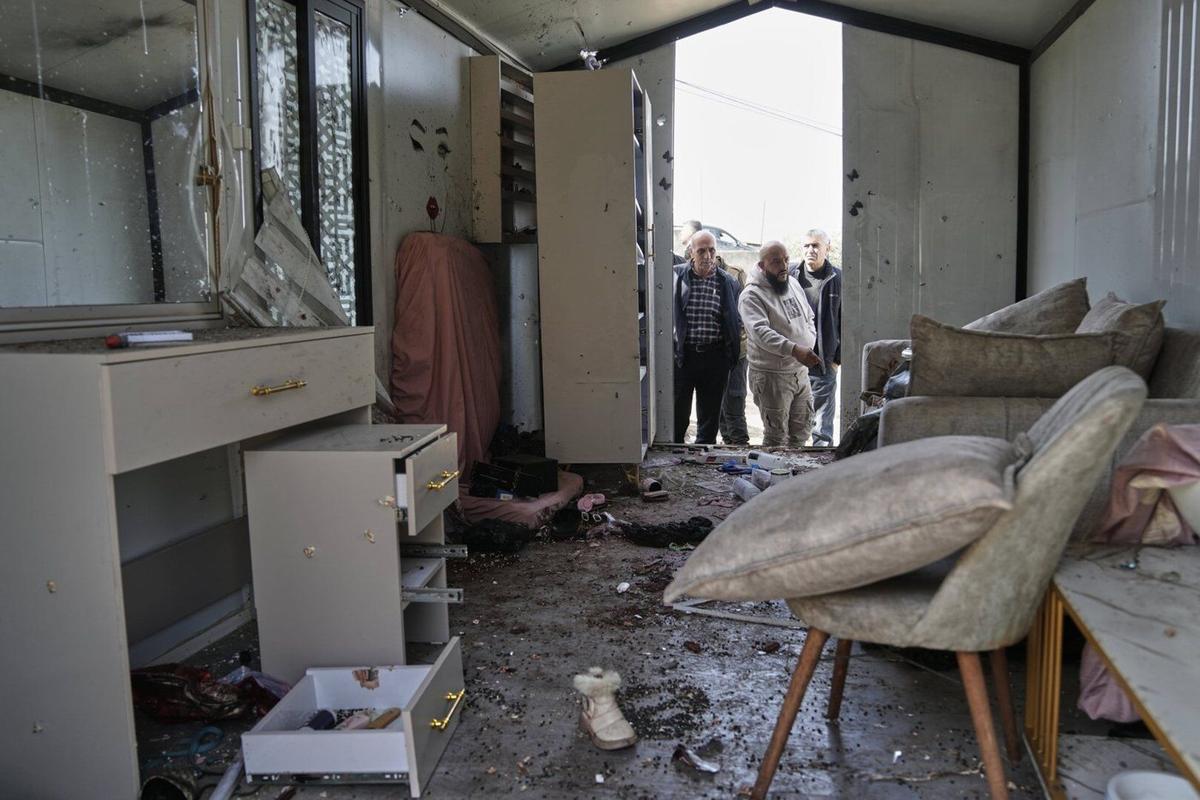
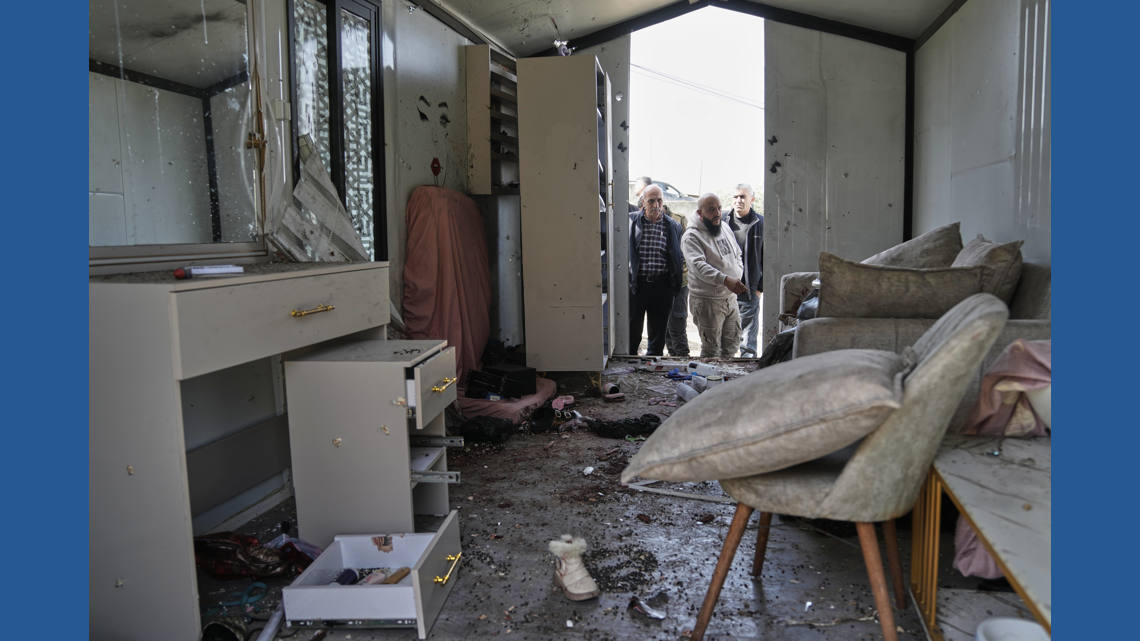
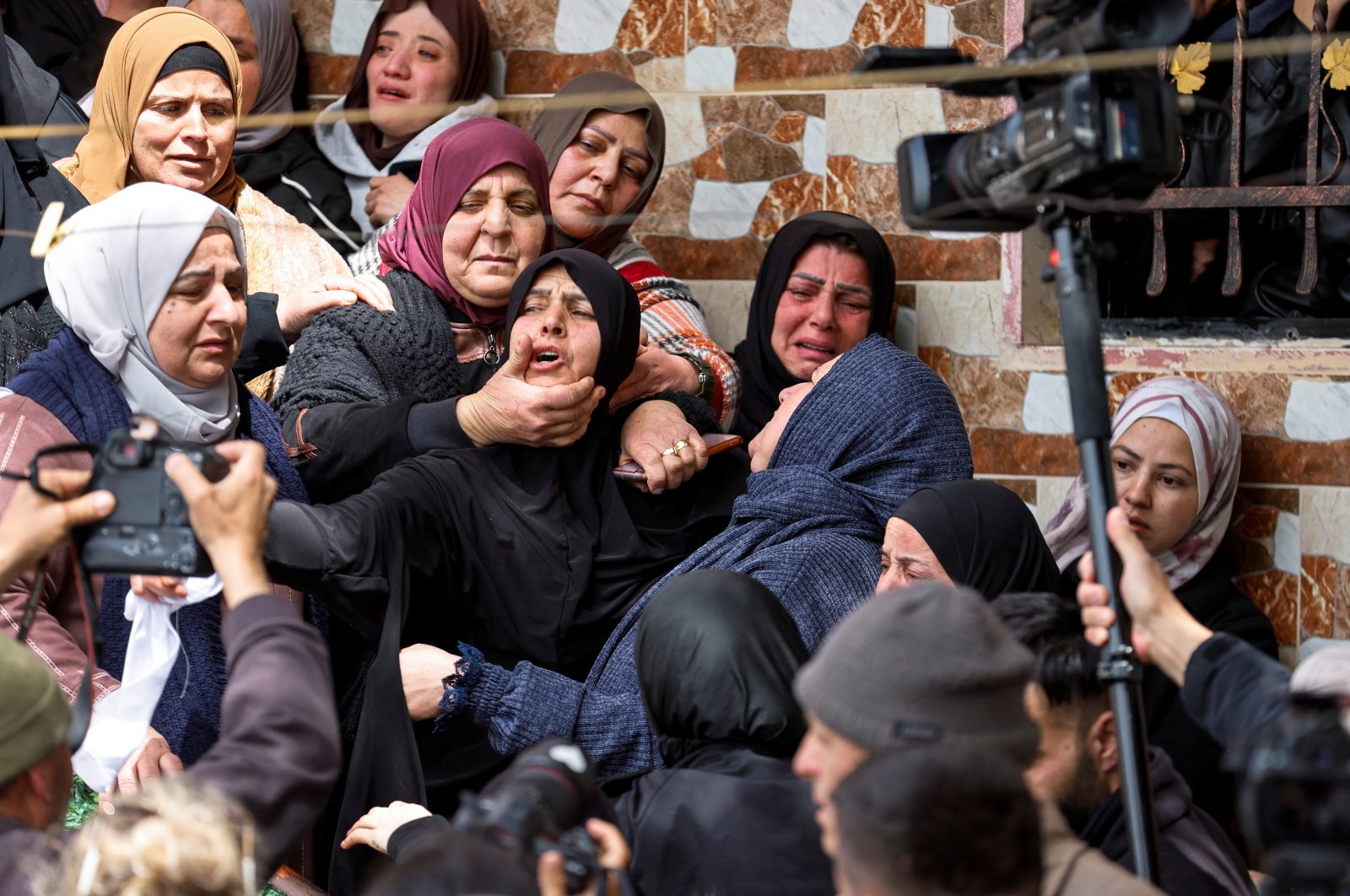
The March 19, 2026 Iranian missile attacks on Israel, which killed four Palestinians in the West Bank including a pregnant woman in a beauty salon, represent a critical inflection point for cross-border sellers operating in or shipping through Middle Eastern markets. While the humanitarian tragedy dominates headlines, the underlying infrastructure disparity—Israeli civilians have bomb shelters while Palestinians lack civil defense systems—signals an emerging market opportunity for safety and emergency preparedness products across the region.
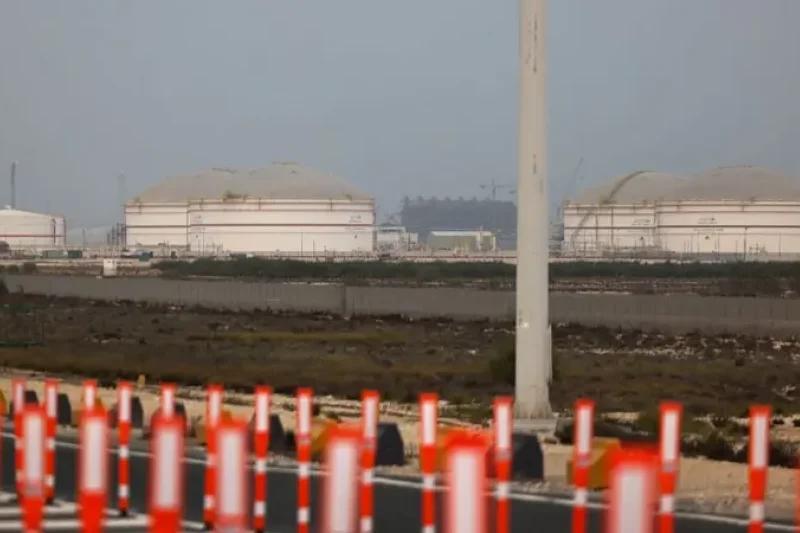
Supply Chain & Logistics Impact: The escalating Iran-Israel tensions directly affect cross-border sellers in three ways. First, shipping routes through the Strait of Hormuz face increased insurance costs (typically 2-4% premium increases during conflict periods) and potential delays of 5-10 days. Second, sellers with inventory in Israeli warehouses or Palestinian distribution centers face operational uncertainty; the inadequate early warning systems mentioned in the news indicate infrastructure vulnerabilities that could disrupt fulfillment operations. Third, regional 3PL providers are likely implementing additional security protocols, increasing fulfillment costs by 8-15% for sellers using Middle East-based logistics hubs.
Emerging Consumer Demand Opportunity: The news explicitly highlights the critical gap in civil defense infrastructure—"virtually no such shelters exist for Palestinians in the West Bank" while "most Israelis have access to bomb shelters." This infrastructure deficit creates immediate product opportunities. Sellers can capitalize on demand for: (1) portable emergency shelters and safe room kits (estimated $50-200 price point), (2) early warning system devices and communication equipment, (3) first aid and medical preparedness kits, (4) water storage and emergency food supplies, and (5) protective equipment and safety gear. Historical patterns show that conflict-adjacent regions see 40-60% spikes in emergency preparedness product sales within 2-4 weeks of major escalations.
Regional Market Segmentation: Israeli consumers, already accustomed to civil defense infrastructure, represent a mature market for premium safety products and upgrades. Palestinian consumers face unmet demand due to infrastructure gaps—representing an underserved market segment with high price sensitivity but urgent need. Cross-border sellers targeting these distinct segments should adjust product positioning, pricing strategies, and marketing messaging accordingly. The beauty salon incident (a civilian commercial space) also signals demand for business continuity and workplace safety products.
Geopolitical Risk Monitoring: Sellers should implement real-time monitoring of Iran-Israel tensions as a leading indicator for supply chain disruptions and demand shifts. The "multiple military exchanges reported during this period" suggest this is an ongoing situation, not an isolated incident. Sellers with exposure to Israeli, Palestinian, or broader Middle Eastern markets should diversify logistics routes and consider temporary inventory rebalancing away from high-risk zones.
Questions 8
How can sellers differentiate products for Israeli vs. Palestinian consumer segments?
The news explicitly contrasts the two markets: Israeli consumers have existing civil defense infrastructure and seek premium upgrades, while Palestinians face unmet basic safety needs. Israeli marketing should emphasize product quality, durability, and advanced features (smart alert systems, reinforced materials). Palestinian marketing should focus on affordability, accessibility, and essential protection (basic shelters, first aid kits, communication devices). Pricing strategies should reflect purchasing power differences—Israeli consumers tolerate 20-30% premiums for quality, while Palestinian consumers are price-sensitive but willing to pay for life-safety products. Use localized Amazon and eBay listings with region-specific keywords, customer reviews in Hebrew/Arabic, and culturally appropriate product photography. Consider partnering with local NGOs or community organizations in Palestinian territories to build trust and distribution channels.
Are there regulatory or customs complications for sellers shipping to Palestinian territories?
The Palestinian territories operate under complex regulatory frameworks with limited autonomous customs authority, creating compliance challenges for cross-border sellers. The news report's focus on infrastructure gaps suggests limited government capacity for customs processing, potentially causing delays beyond typical Middle Eastern timelines. Sellers should verify that their 3PL providers have proper documentation for Palestinian shipments, as customs clearance can take 10-20 days depending on product category. Certain items (electronics, chemicals, dual-use equipment) face additional scrutiny. Consult with customs brokers specializing in Palestinian trade before launching major inventory pushes. Factor in 15-25 day customs clearance timelines when planning inventory replenishment, and maintain detailed records of all shipments for compliance audits.