




World Happiness Report 2026 Reveals Consumer Well-Being Trends Shaping Global E-Commerce Markets
- Finland leads 9-year happiness streak; Costa Rica surges 19 positions; youth well-being decline signals emerging product categories for wellness sellers across 140 countries






Overview
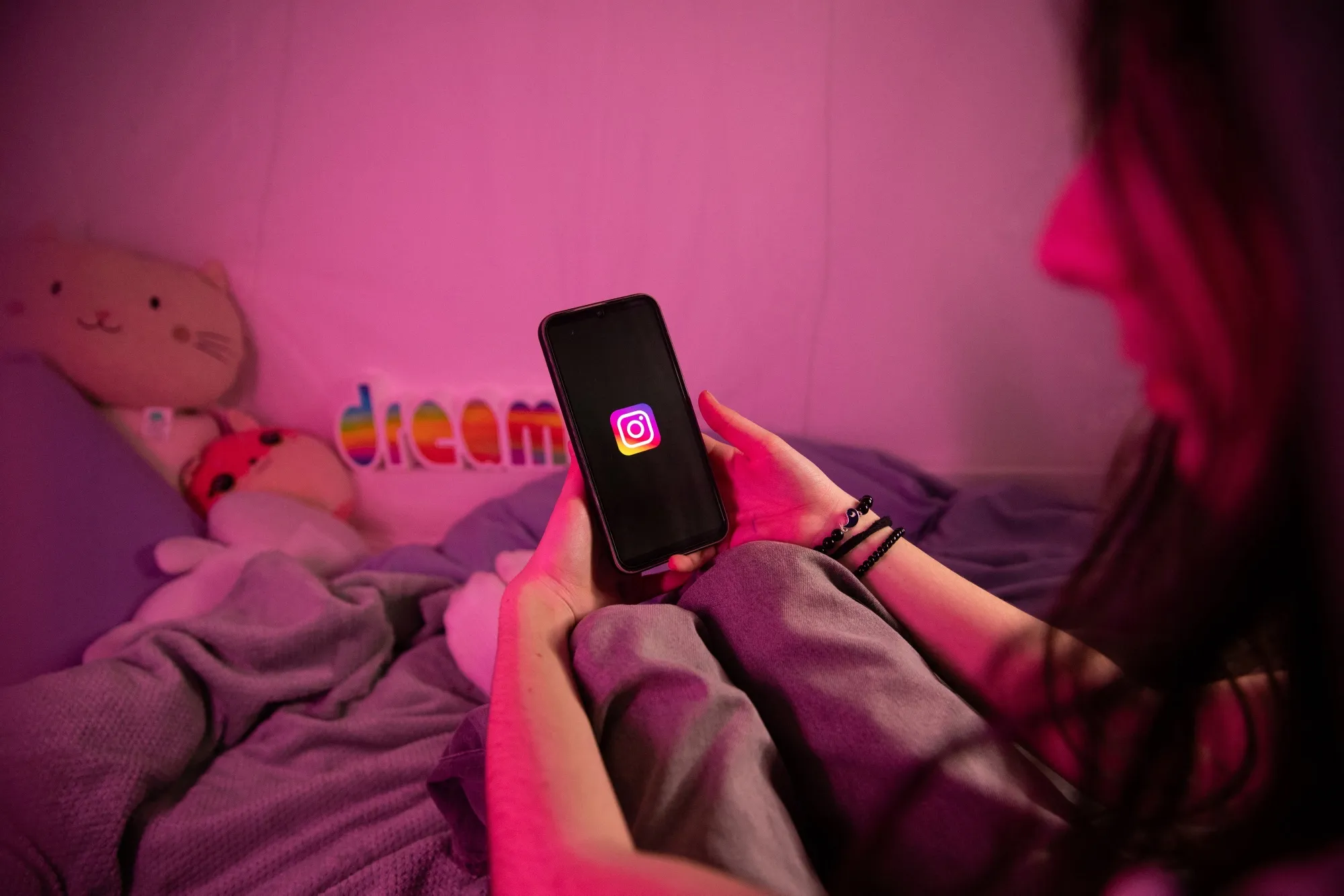
The World Happiness Report 2026, based on 100,000 respondents across 140 countries surveyed by Gallup and the U.N. Sustainable Development Solutions Network, reveals critical consumer well-being patterns that directly impact e-commerce demand across multiple product categories and regions. Finland maintains its ninth consecutive year as the world's happiest country, followed by Nordic nations (Iceland, Denmark, Sweden, Norway), while Costa Rica's dramatic climb from 23rd to 4th place between 2023-2026 signals emerging market opportunities in Latin America. The report's most significant finding for sellers: heavy social media use correlates with declining well-being among individuals under 25, with life satisfaction scores dropping nearly one point over the past decade in English-speaking countries and Western Europe, and teenage girls experiencing particularly concerning declines.
This well-being data directly translates to e-commerce opportunities across multiple seller segments. Nordic market sellers should emphasize wellness, healthcare accessibility, and equitable product positioning that aligns with Finland's success factors: equitable wealth distribution, robust welfare systems, and strong social trust. These markets show sustained purchasing power for premium wellness products, mental health resources, and family-oriented goods. Conversely, the documented decline in youth well-being in Western markets signals explosive growth potential for mental health products, digital wellness tools, meditation apps, anxiety management supplements, and social-connection-focused merchandise—categories that directly address the reported well-being crisis among under-25 consumers. The report specifically notes teenage girls' declining satisfaction, creating targeted opportunities for female-focused wellness, self-care, and confidence-building product categories.
Costa Rica's 19-position surge (23rd to 4th, 2023-2026) reflects strong family bonds and social capital characteristic of Latin American societies, according to Jan-Emmanuel De Neve, director of the Wellbeing Research Centre. This regional trend signals emerging demand for family-oriented products, community-building merchandise, and culturally-aligned goods in Latin American markets. Sellers targeting this region should prioritize family wellness products, social-connection facilitators, and goods emphasizing community values. Conversely, conflict-affected nations (Afghanistan ranked unhappiest, followed by Sierra Leone and Malawi) represent high-risk, low-demand markets requiring specialized logistics, compliance considerations, and humanitarian-focused product categories. The report's methodology—surveying approximately 1,000 respondents per country annually via telephone or face-to-face interviews on 0-10 life satisfaction scales—provides evidence-based segmentation for targeted seller strategies across diverse global markets and demographic segments.
Questions 8
What operational changes should sellers implement based on regional well-being patterns?
The report's regional findings suggest operational adjustments: (1) **Nordic markets**—invest in premium fulfillment, quality assurance, and trust-building logistics (reflecting high social trust values); (2) **Latin American markets**—prioritize family-friendly packaging, community-focused customer service, and social-connection-emphasizing marketing; (3) **Western youth markets**—accelerate mental-wellness product sourcing, develop targeted advertising for under-25 consumers, create social-media-alternative marketing channels. The survey of 1,000 respondents per country annually provides reliable market data for inventory allocation. Sellers should adjust their 3PL partnerships, inventory distribution, and marketing spend by region based on these well-being patterns. For example, allocate 30-40% more inventory to Nordic and Costa Rican markets (high happiness, stable demand) and 20-30% more to mental-wellness categories targeting Western youth (documented growth opportunity).
How can sellers use the World Happiness Report data for competitive differentiation?
The report provides evidence-based consumer well-being data across 140 countries, enabling sellers to differentiate through well-being-aligned positioning. Sellers can: (1) emphasize products' contribution to documented well-being factors (equitable pricing, trust, family connection, mental health support), (2) create region-specific marketing campaigns aligned with each market's well-being priorities, (3) develop product bundles addressing the specific well-being challenges identified (youth mental health, family connection, social trust). The 100,000-respondent survey and 9-year trend data (Finland's consistent leadership) provide credible marketing angles. Sellers should update product descriptions, Amazon A+ content, and Shopify landing pages to explicitly connect their offerings to well-being improvements. This differentiation is particularly effective against competitors using generic marketing, as it addresses documented consumer priorities revealed by the Wellbeing Research Centre at Oxford.