


$200B Pentagon Iran Spending | Shipping Cost Crisis for Cross-Border Sellers
- Strait of Hormuz closure threatens 15-25% shipping cost increases for Asia-to-US sellers; tariff revenue proposals could reshape cross-border trade policy by Q2 2026






























Overview
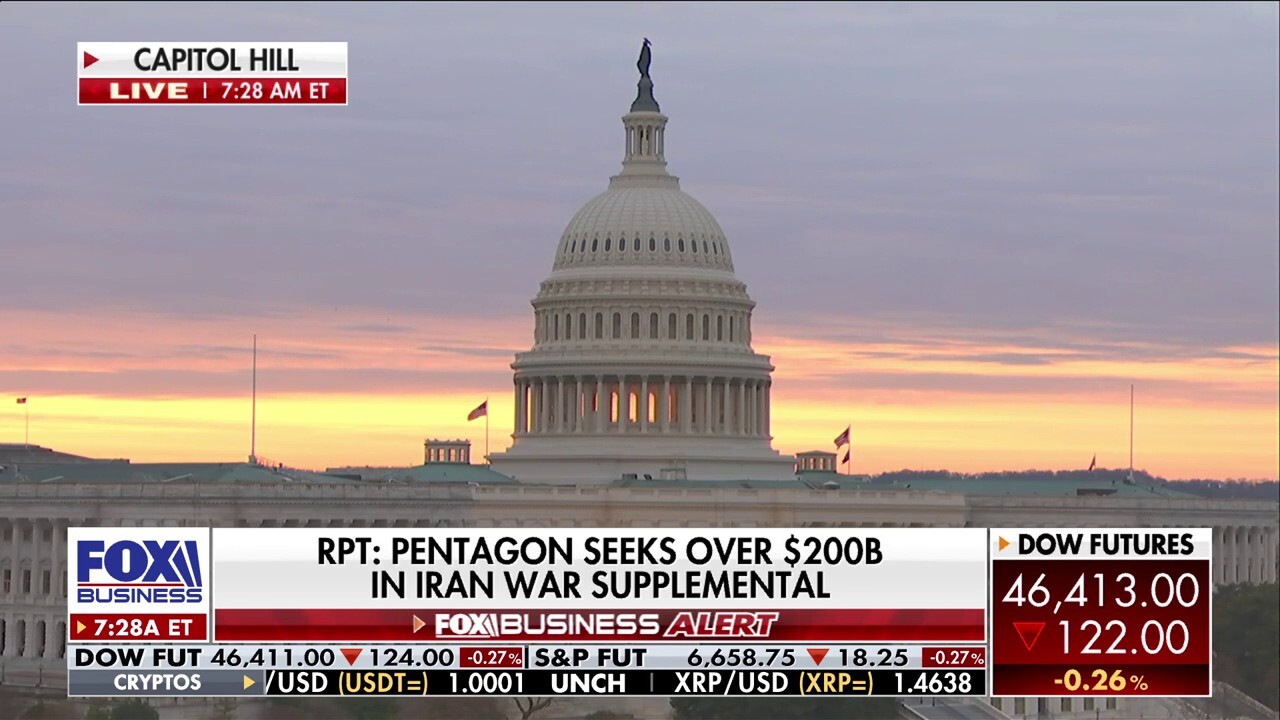
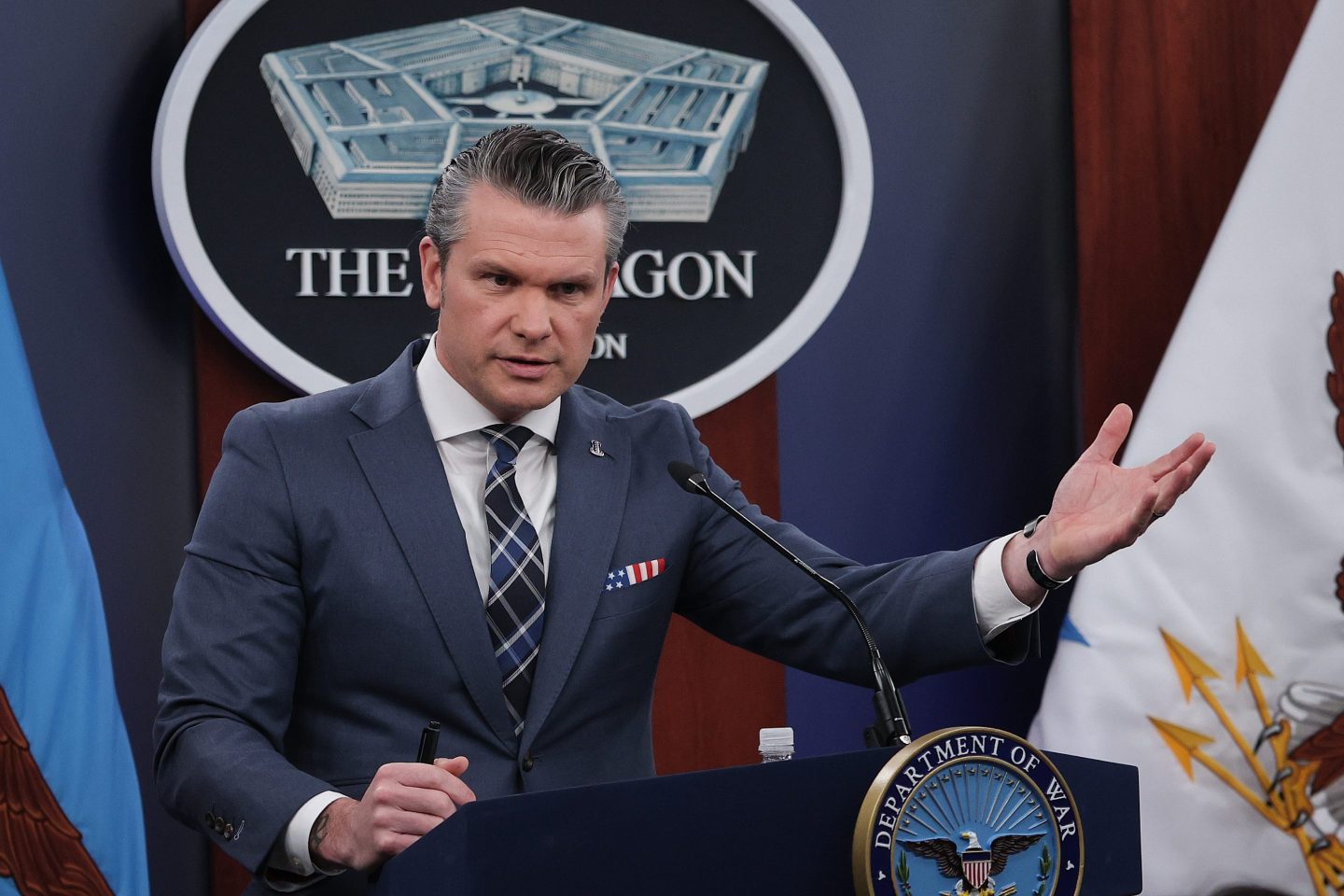
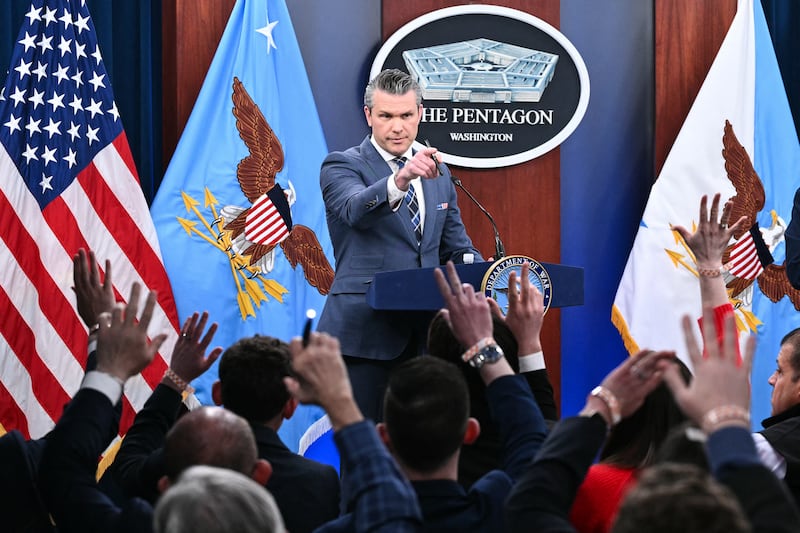
The $200 billion Pentagon supplemental budget request for Iran military operations (initiated February 28, 2026) creates a dual crisis for cross-border e-commerce sellers: immediate logistics disruption and emerging tariff policy uncertainty. The closure of the Strait of Hormuz—a critical shipping corridor handling 21% of global maritime trade—forces rerouting of Asia-Pacific shipments through longer routes (Suez Canal alternatives, Cape of Good Hope), adding 10-14 days to transit times and increasing fuel surcharges by 15-25% for sellers shipping electronics, textiles, and consumer goods from China, Vietnam, and India to US warehouses. For sellers with monthly shipments exceeding 500 units, this translates to $2,000-8,000 additional monthly logistics costs through Q2 2026, depending on product weight and destination.
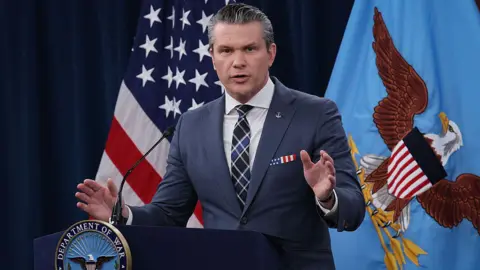
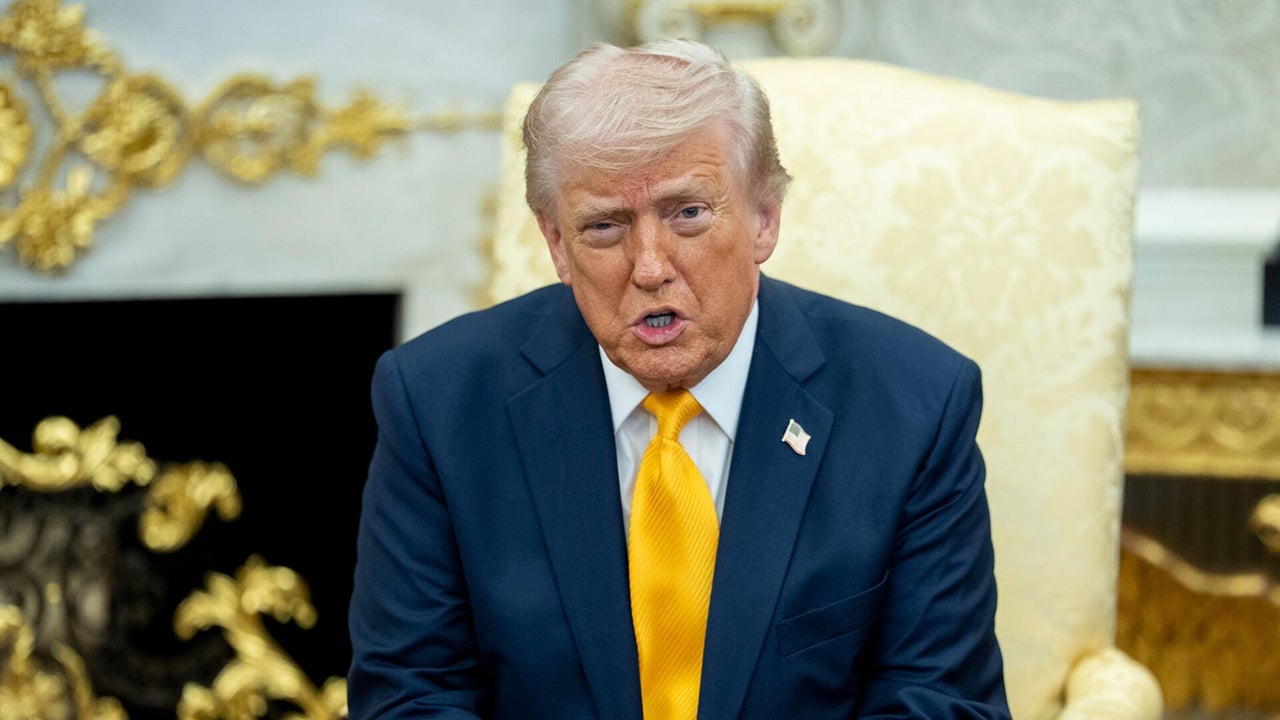
The congressional reconciliation debate introduces a second, more strategic threat: tariff revenue proposals as budget offsets. House Budget Chair Jodey Arrington explicitly proposed using tariff revenue to offset the $200 billion defense spending request, signaling potential tariff increases on imported goods. This directly impacts sellers relying on duty-free or low-tariff imports. Current tariff rates on electronics (2.5-12.5%), apparel (16-32%), and home goods (0-20%) could face 5-15% increases if reconciliation passes. The $33 trillion existing spending bill creates deficit pressure, making tariff revenue politically attractive to fiscal hawks. Senate Republicans prefer traditional appropriations (avoiding reconciliation), but Trump's engagement remains the deciding factor—and his administration has historically favored tariff strategies.
Immediate operational impacts for seller segments: (1) Asia-sourcing sellers (electronics, home goods, apparel): Monitor Strait of Hormuz reopening timelines; consider shifting 20-30% inventory to 3PL providers with pre-positioned US warehouses to avoid rerouting delays. (2) High-volume sellers (1000+ monthly units): Budget 15-25% shipping cost increases into Q2 2026 pricing models; consider price increases of 8-12% on affected categories or margin compression acceptance. (3) Tariff-sensitive categories (apparel, footwear, consumer electronics): Prepare for potential 5-15% tariff increases by reviewing supplier diversification to non-tariff-vulnerable countries (Mexico, Vietnam alternatives to China). (4) FBA sellers: Amazon's fulfillment network may experience cost pass-through; monitor FBA fee announcements for potential 5-8% increases in Q2-Q3 2026.
Strategic timeline: Congressional vote on reconciliation package expected by April-May 2026; Strait of Hormuz reopening negotiations ongoing with 6 allied nations (UK, France, Germany, Italy, Netherlands, Japan). Sellers should lock in shipping rates by end of March 2026 before potential tariff legislation advances.
Questions 8
What is the timeline for congressional action on the $200B Pentagon spending request?
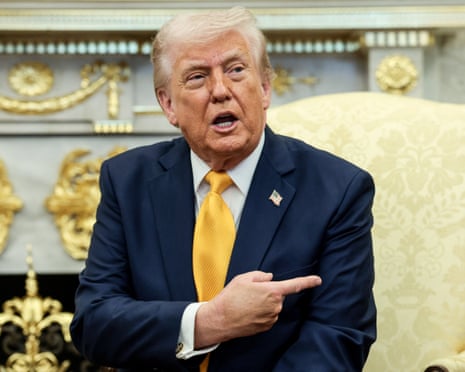
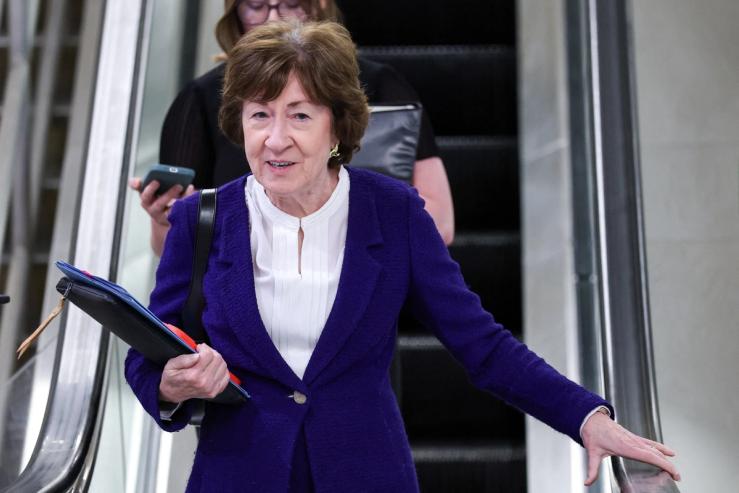
Congressional vote on the reconciliation package incorporating the $200 billion Pentagon request is expected April-May 2026. House Republicans (led by Speaker Mike Johnson) are pushing for reconciliation to advance the spending bill, while Senate Republicans (led by Appropriations Chair Susan Collins) prefer traditional appropriations. President Trump's engagement is critical to determining the outcome. If reconciliation passes, tariff revenue offset proposals could become law by June 2026, with tariff increases potentially effective July-August 2026. Sellers should prepare contingency plans by end of March 2026 and monitor Trump administration statements on tariff strategy weekly through May 2026.
Will Amazon FBA fees increase due to this military spending and shipping disruption?
Yes, there is moderate-to-high probability of FBA fee increases in Q2-Q3 2026. Amazon's fulfillment network relies on carrier partnerships (UPS, FedEx, USPS) that will pass through Strait of Hormuz rerouting costs and potential tariff increases. Historical patterns show Amazon increases FBA fees 5-8% within 60-90 days of carrier cost increases. Current FBA fees range $2.41-4.27 per unit for standard-size items; a 5-8% increase would add $0.12-0.34 per unit. Monitor Amazon Seller Central announcements starting April 2026. Sellers should review pricing elasticity for their products and consider pre-emptive price increases of 3-5% before official fee announcements to maintain margins.