


Middle East Energy Crisis Triggers Demand Destruction | Sellers Face 15-25% Logistics Cost Surge
- Strait of Hormuz blockade halts 20% global oil supply; Brent crude hits $114/barrel; Asia-Pacific sellers face inventory delays and margin compression across discretionary categories



























Overview
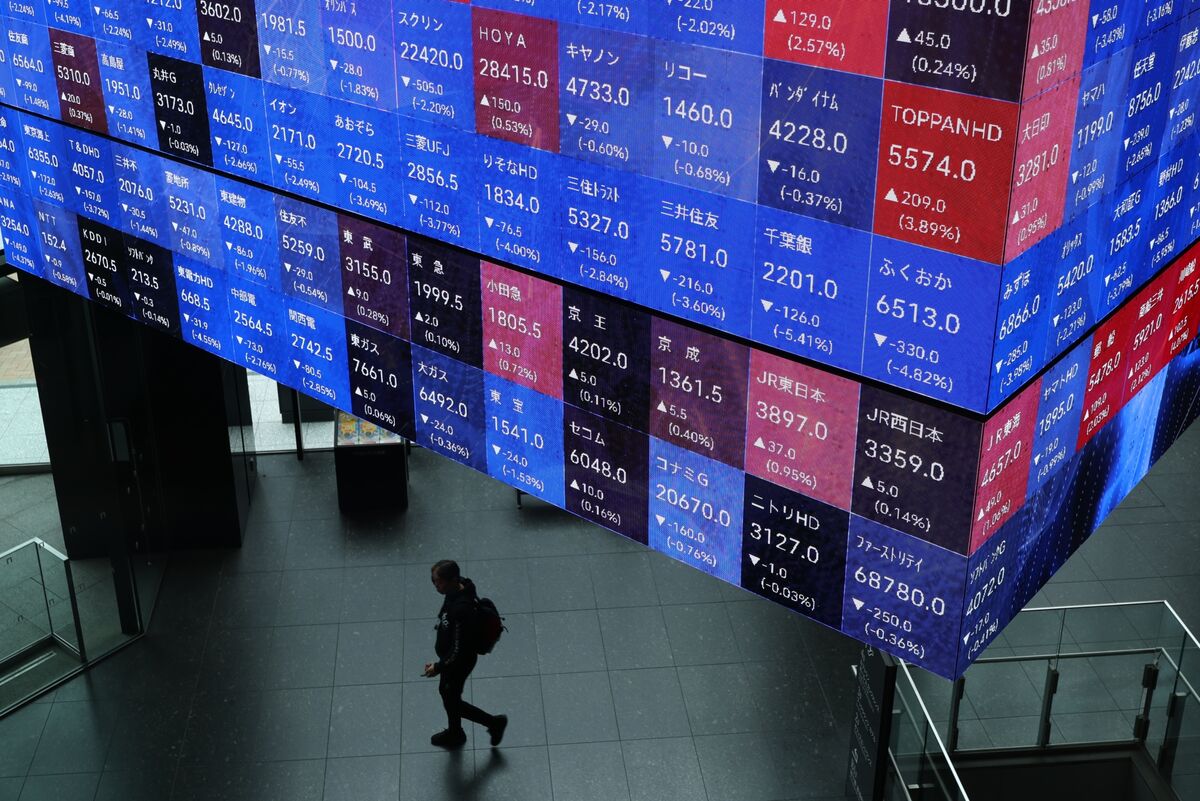
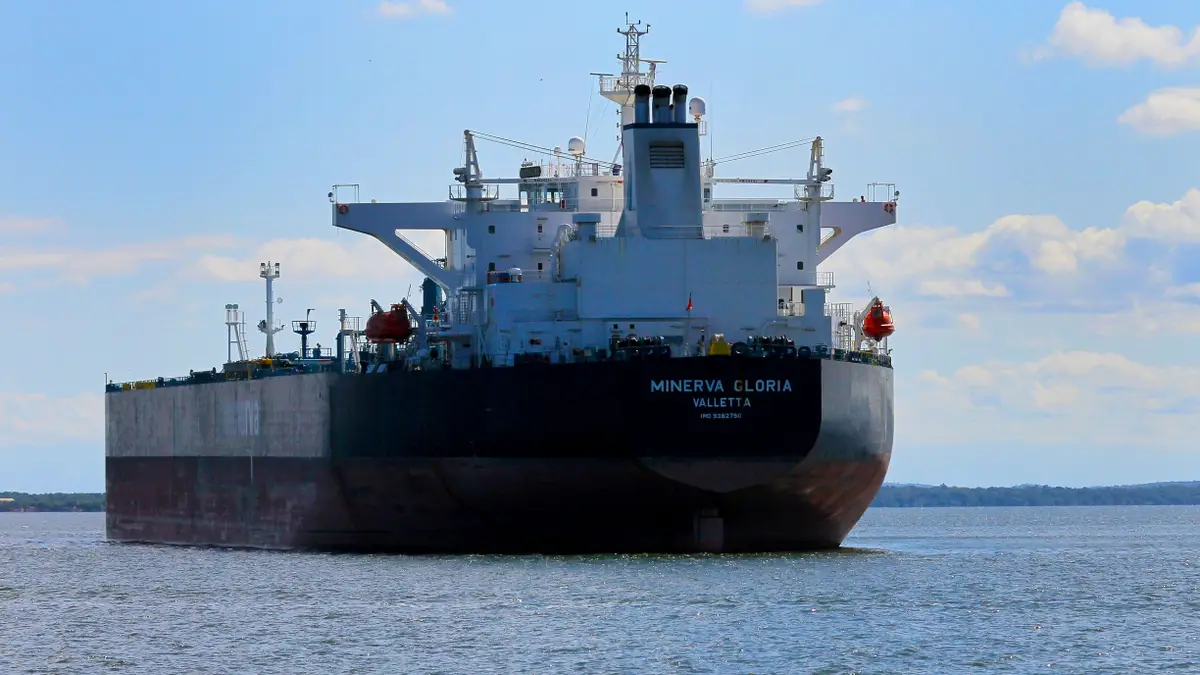
The convergence of geopolitical conflict and demand destruction is creating a dual crisis for cross-border e-commerce sellers. Following the March 20, 2026 Middle East conflict that halted shipping through the Strait of Hormuz—a corridor carrying 20% of global oil and 84% of Asia's crude imports—sellers face simultaneous headwinds: surging logistics costs and collapsing consumer demand. The Financial Times reports demand destruction has commenced across major markets, with consumers prioritizing essential purchases over discretionary items. Brent crude has reached $114/barrel, with the International Energy Agency releasing 400 million barrels to stabilize prices, yet analysts predict prolonged elevated costs as nations rebuild strategic reserves.
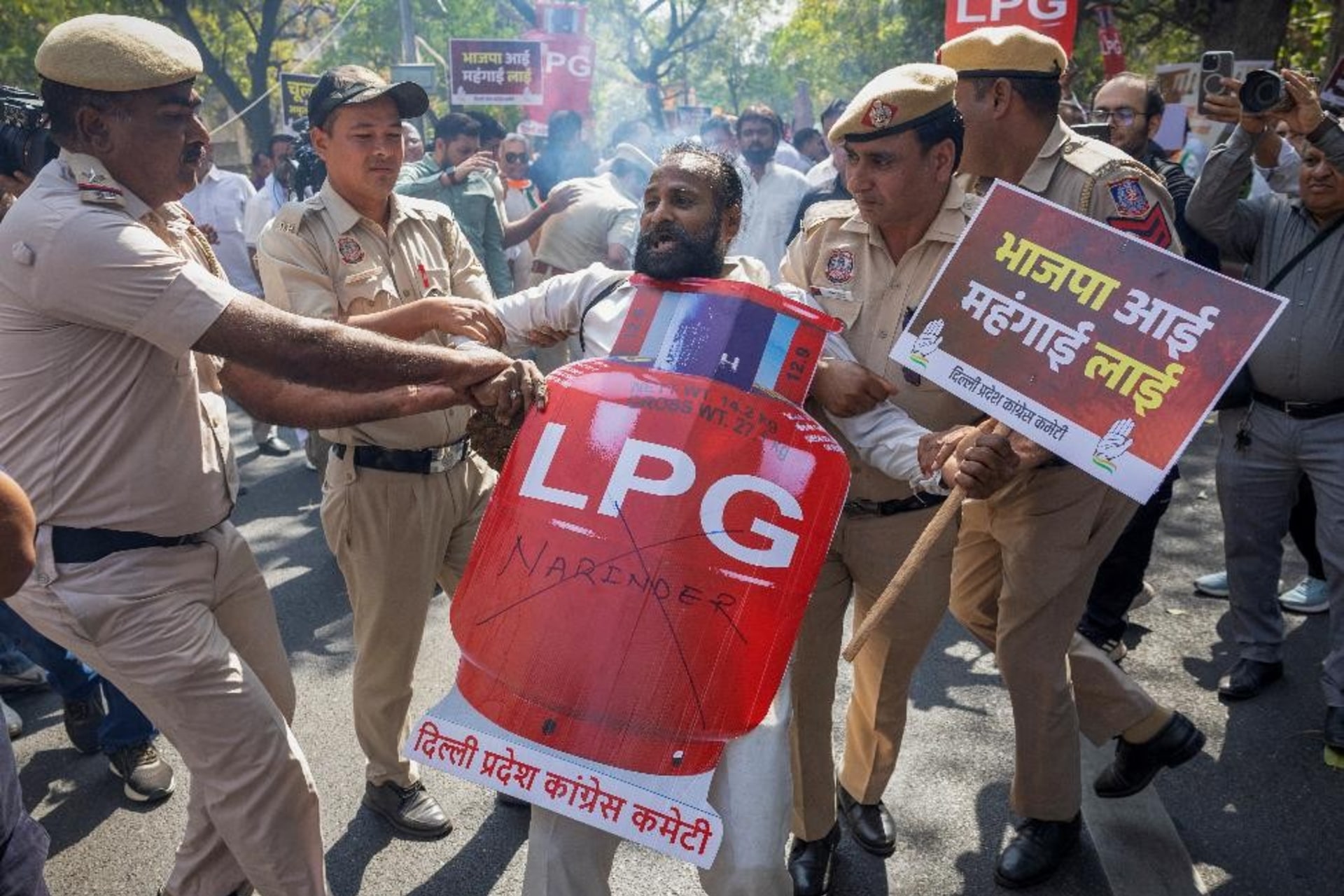
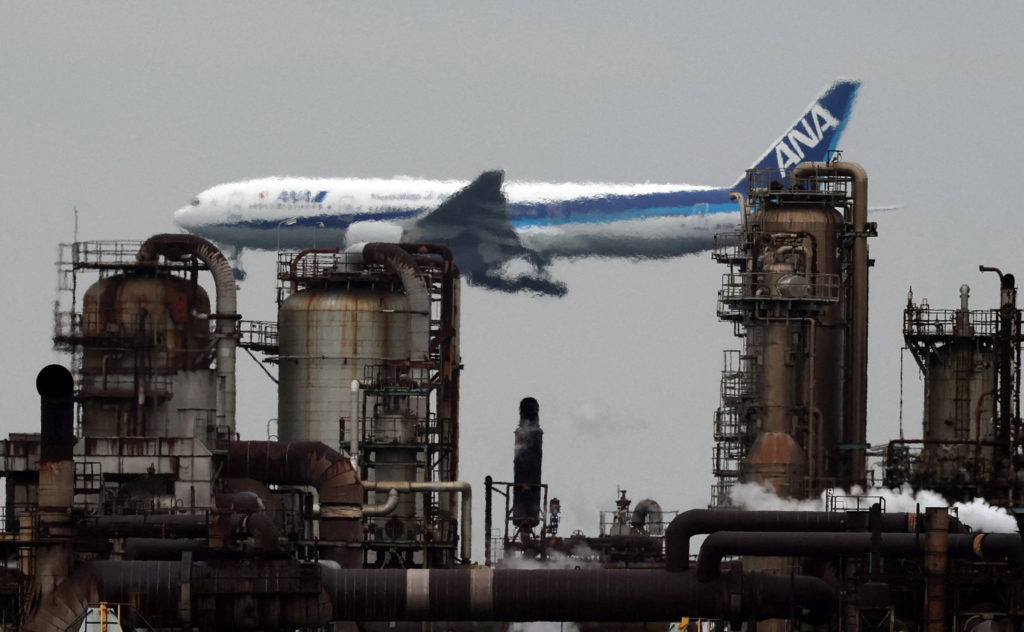
For sellers, this creates a profitability squeeze across multiple dimensions. Air freight costs are surging as jet fuel prices spike to record levels—Air New Zealand alone canceled 1,100 flights through early May, exemplifying broader supply chain disruptions. Sellers shipping from Asia face 15-25% increases in logistics costs, particularly for air freight. Simultaneously, demand destruction is compressing margins: fashion, electronics, home goods, and luxury category sellers face disproportionate risk as consumers shift toward value-oriented products. India's reserves cover only 20-25 days of imports versus China's 120-day supply, creating regional disparities in shipping cost inflation. Smaller sellers with limited cash reserves face accelerated consolidation pressure, while larger platforms with diversified portfolios and stronger financial positions gain competitive advantage.
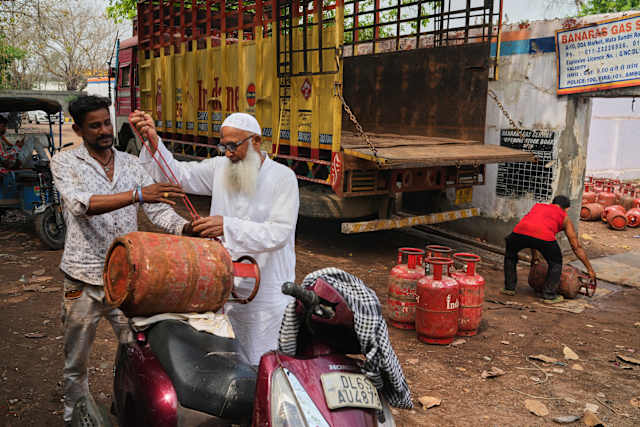
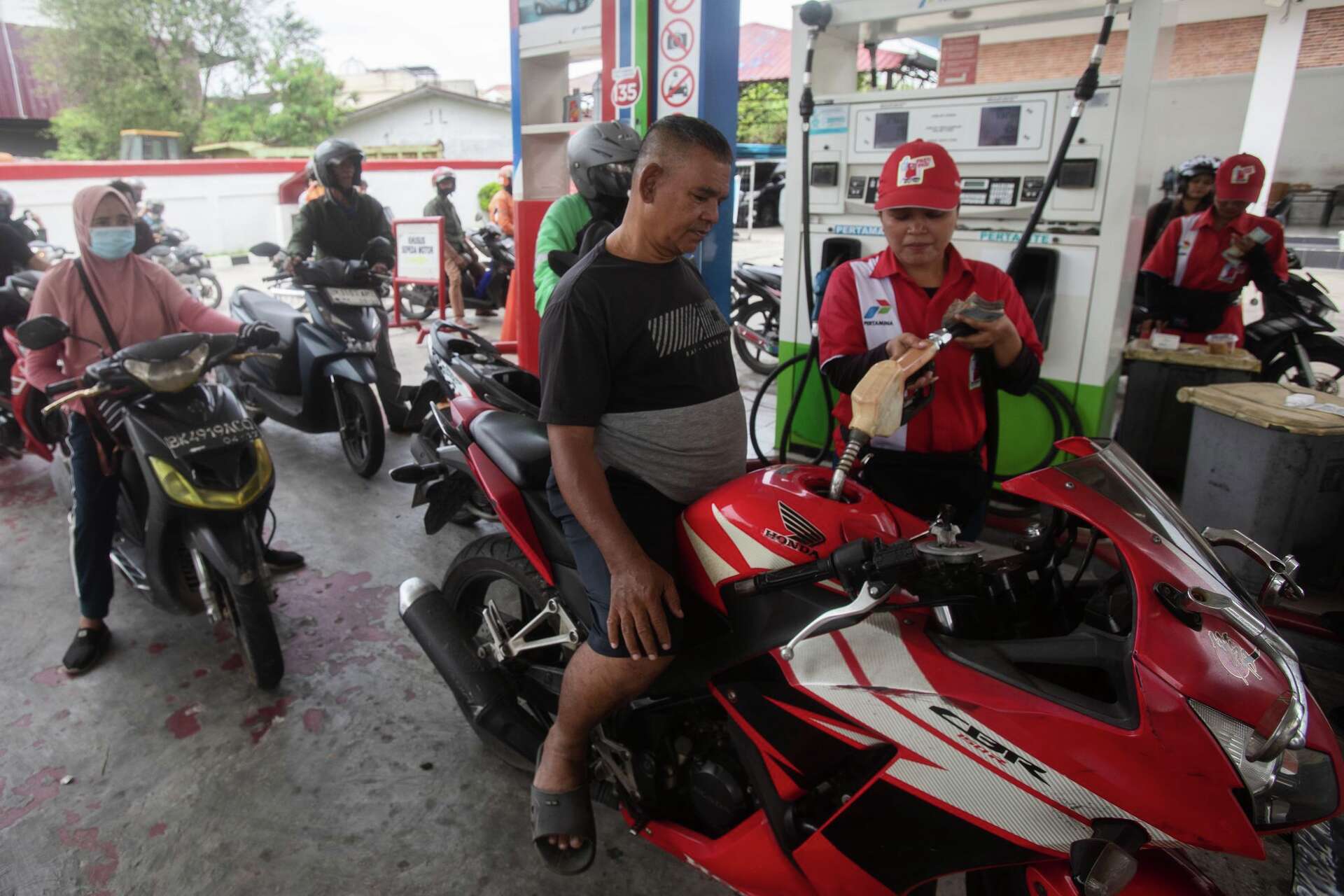
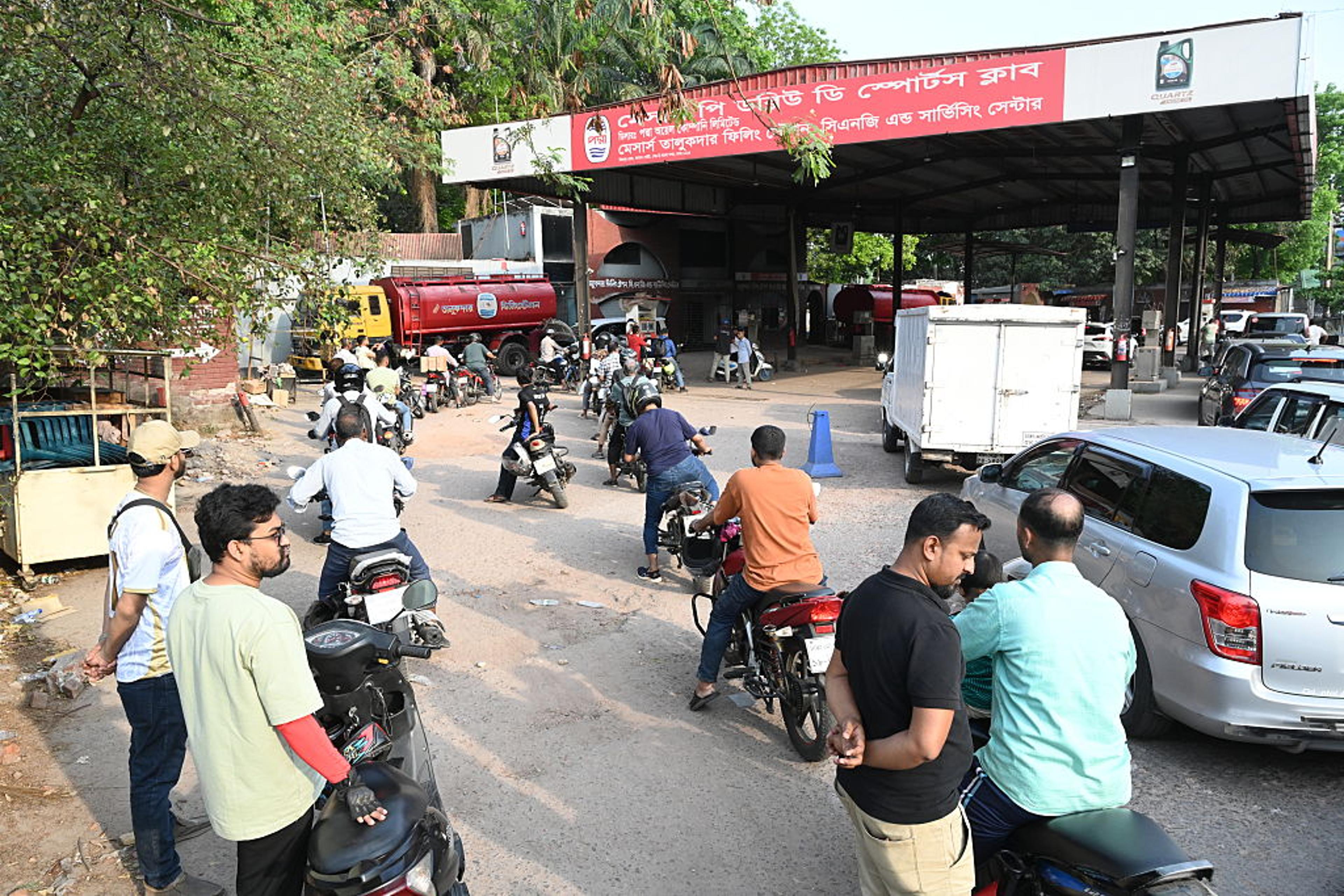
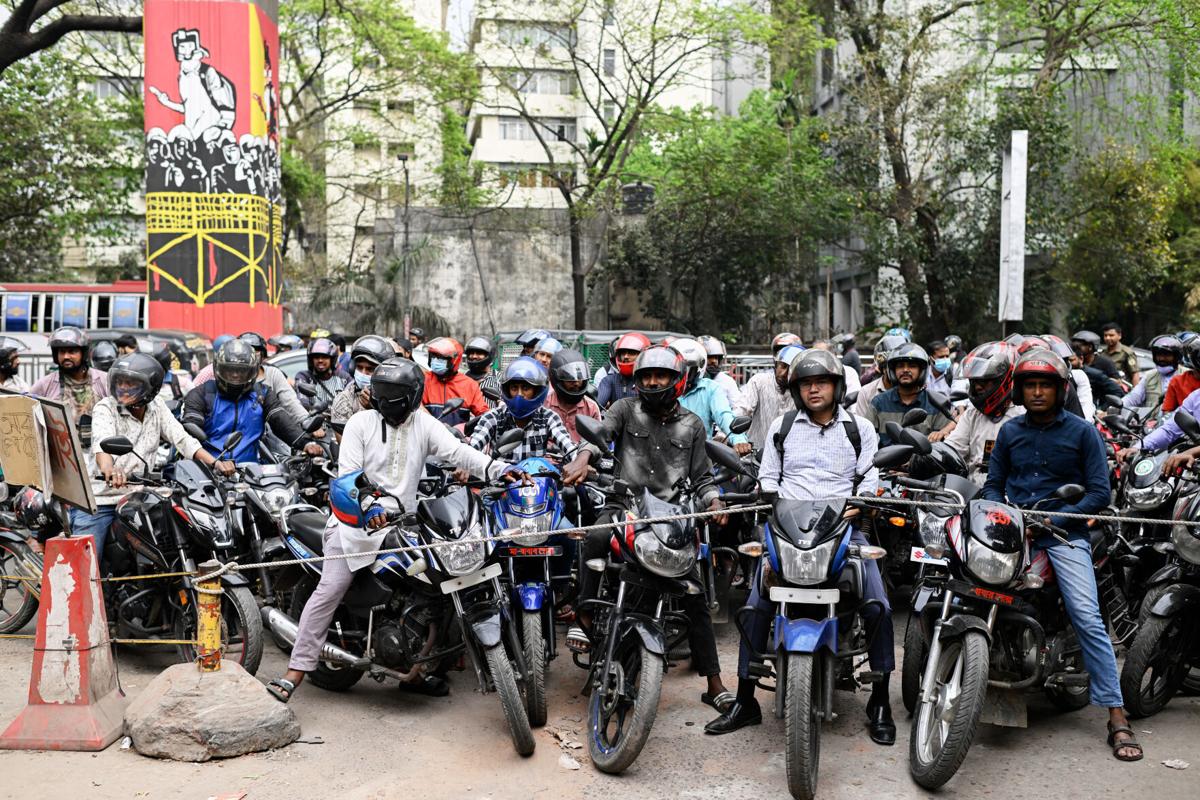
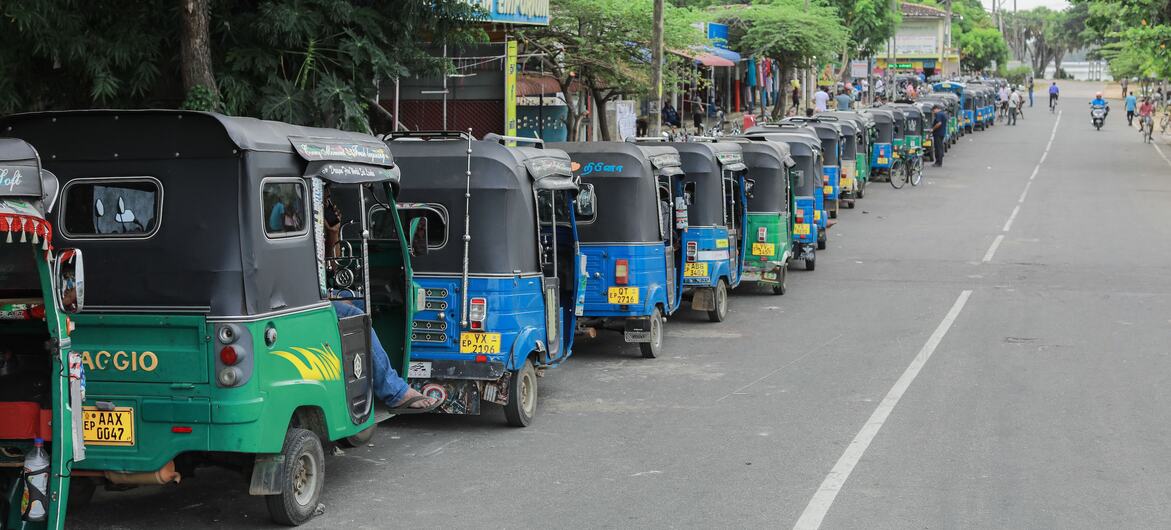
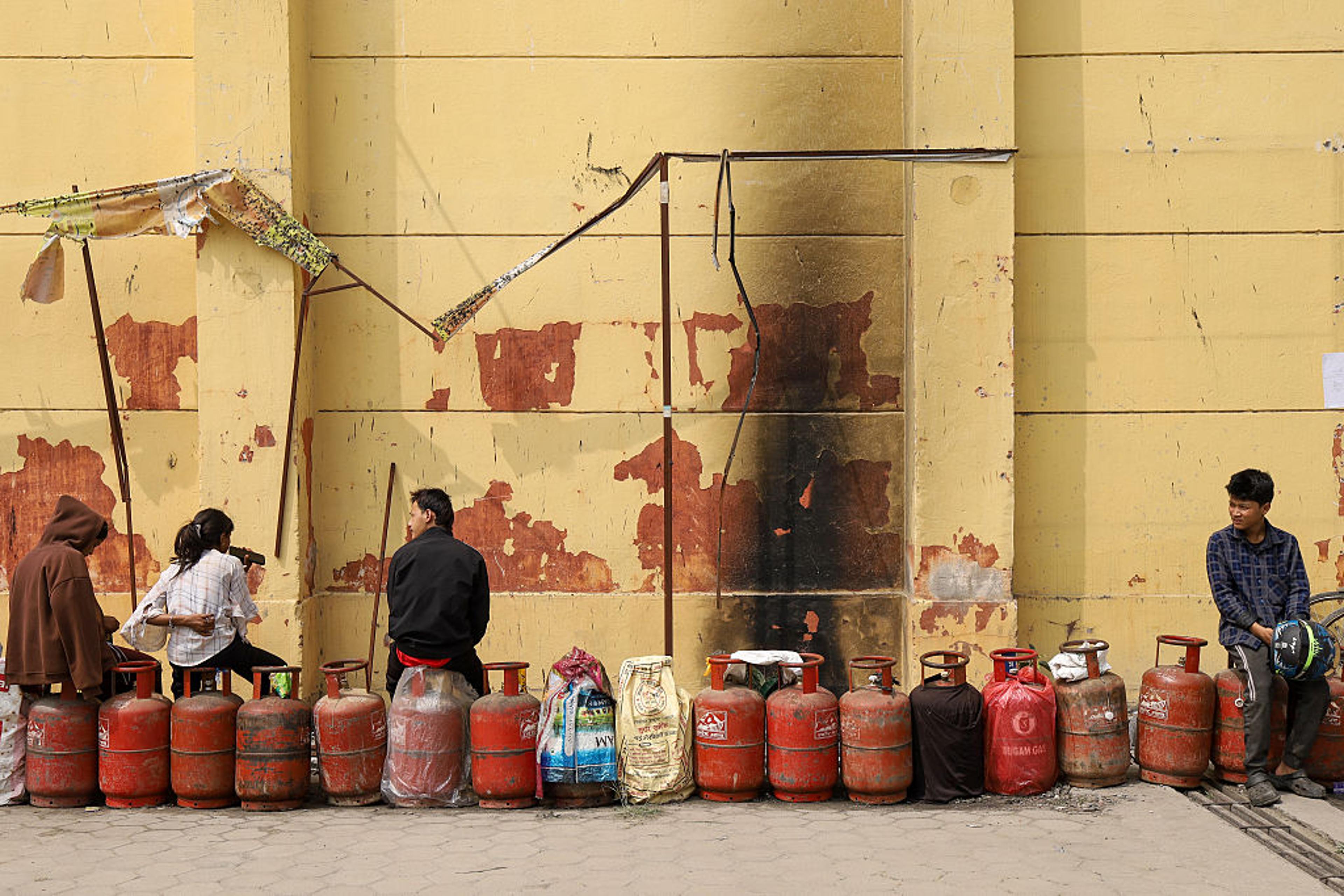
The operational impact varies dramatically by seller segment and geography. Sellers sourcing from China, India, Japan, and South Korea face extended lead times as governments implement export restrictions to protect domestic supplies. Vietnam and Thailand have posted "sold out" signs at gas stations; Bangladesh canceled university classes; the Philippines shifted to a four-day workweek. These demand destruction signals indicate reduced consumer purchasing power in key Asian markets. Sellers in essential goods categories (food, health, basic supplies) experience relative stability, while discretionary sellers must optimize inventory turnover aggressively. The shift toward resilience-based energy strategies means governments will prioritize hoarding over cost optimization, sustaining elevated fuel prices for 6-12+ months. Warehousing and 3PL costs will rise as energy-dependent logistics operations face higher operational expenses. Strategic responses include: (1) immediately diversifying product mix toward essential goods; (2) shifting 20-30% of inventory to regional 3PL providers closer to end markets; (3) implementing dynamic pricing to maintain margins amid cost inflation; (4) accelerating inventory turnover to reduce working capital exposure; (5) monitoring customer acquisition costs and conversion rates weekly to detect demand destruction signals early.
Questions 8
Which product categories will be hit hardest by demand destruction?
Fashion, electronics, home goods, and luxury categories face disproportionate risk as consumers prioritize essential purchases during demand destruction. The Financial Times reports discretionary spending is collapsing across major markets due to reduced purchasing power and economic uncertainty. Essential goods sellers (food, health, basic supplies) experience relative stability. Sellers should immediately audit their inventory mix and shift 20-30% of capital toward essential categories. Monitor your category's sales velocity and customer acquisition costs daily—demand destruction typically shows 10-15% velocity declines before broader market recognition.
How does the energy crisis affect inventory replenishment from Asian suppliers?
Supply chain disruptions are extending lead times by 2-4 weeks as governments implement export restrictions to protect domestic energy supplies. China maintains 120-day strategic reserves, but India (20-25 days), Vietnam, and Thailand face critical shortages, forcing production slowdowns. Air New Zealand canceled 1,100 flights through May, exemplifying broader transportation disruptions. Sellers should immediately contact suppliers in India, Vietnam, and Thailand to confirm production timelines and negotiate extended payment terms. Consider shifting 15-20% of sourcing to China or Japan, which maintain higher energy reserves and more stable production schedules.