



FedEx Network 2.0 Drives $1B+ Cost Cuts | Shipping Rate Relief for Cross-Border Sellers
- FedEx Q3 2026 beats expectations with 6-6.5% revenue growth; AI-driven automation exceeds $1B cost reduction targets, signaling competitive shipping rate pressure and improved delivery speeds for e-commerce sellers

















Overview
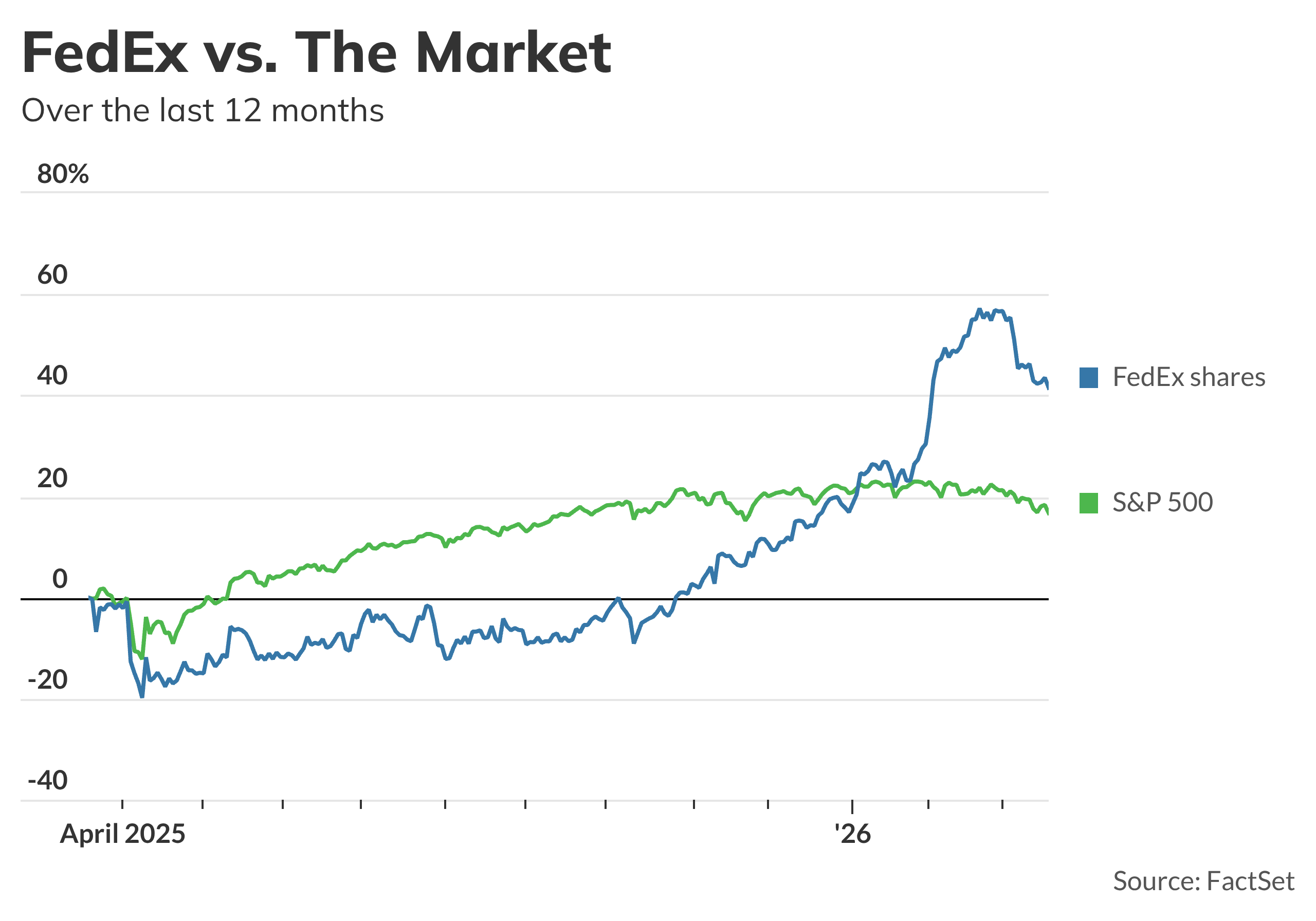
FedEx's exceptional fiscal Q3 2026 performance (reported March 19, 2026) represents a critical inflection point for cross-border e-commerce sellers relying on international logistics. The company posted adjusted EPS of $5.25 versus $4.09 estimates and raised full-year guidance to $19.30-$20.10, with revenue growth projecting 6-6.5% against analyst expectations of 5.6%. Most significantly, FedEx's Network 2.0 initiative is now expected to exceed $1 billion in cost reductions—surpassing original projections—through AI-driven automation and package processing optimization. This operational breakthrough directly impacts seller economics across three critical dimensions.
Shipping Rate Pressure and Cost Savings: FedEx's $1B+ cost reduction achievement signals the carrier is positioned to offer more competitive international shipping rates to remain competitive against UPS and DHL. For sellers shipping 500+ units monthly via FedEx International Priority or Express Saver, this translates to potential 3-8% rate reductions on cross-border shipments to EU, Asia-Pacific, and Americas markets. The company's adjusted operating income of $1.68B (beating $1.39B estimates) demonstrates pricing power without margin compression, meaning FedEx can pass savings to high-volume sellers. Sellers should renegotiate volume contracts before Q2 2026 to lock in improved rates before competitors capture capacity.
AI-Driven Delivery Speed and Accuracy: Network 2.0's automation focus directly improves package handling speed and accuracy—critical metrics for Amazon FBA sellers managing IPI scores and customer satisfaction ratings. Faster FedEx processing reduces in-transit times by 1-3 days on international routes, enabling sellers to maintain competitive delivery windows without expedited shipping premiums. The AI optimization also reduces mishandling rates, lowering claim frequency for sellers shipping high-value electronics, jewelry, and collectibles. For sellers currently experiencing 2-4% damage/loss rates on international shipments, improved FedEx handling could recover $5,000-$25,000 annually depending on shipment volume.
Strategic Inventory Positioning: FedEx Freight's June 1, 2026 spinoff creates a specialized LTL (less-than-truckload) carrier focused on B2B freight, while FedEx Express/Ground optimize parcel operations. This separation enables sellers to access more tailored logistics solutions—FedEx Express for time-sensitive cross-border parcels, and FedEx Freight for bulk inventory consolidation to regional warehouses. Sellers managing 3PL operations should evaluate FedEx Freight's post-spinoff pricing for inbound consolidation from Asian suppliers, potentially reducing landed costs by 4-6% on bulk shipments to US/EU distribution centers.
Questions 8
What are the total landed cost implications of FedEx rate reductions for sellers?
FedEx's projected 3-8% rate reductions on international shipments directly reduce total landed costs for cross-border sellers. For a seller shipping 1,000 units monthly at average $8/unit FedEx cost, a 5% reduction saves $4,000/month or $48,000 annually. Combined with 1-3 day delivery speed improvements, sellers can reduce safety stock by 10-15%, freeing $10,000-$30,000 in working capital. The improved accuracy also reduces claim processing costs and customer service overhead. Sellers should model rate reductions across their top 5 shipping routes and update pricing strategies to capture margin improvements while remaining competitive.
How can sellers leverage FedEx's improved package handling accuracy for high-value products?
FedEx Network 2.0's AI-driven automation reduces mishandling rates, directly benefiting sellers of electronics, jewelry, collectibles, and luxury goods. Sellers currently experiencing 2-4% damage/loss rates on international shipments could recover significant value through improved FedEx handling. Implement FedEx-specific packaging standards (reinforced boxes, internal cushioning) to maximize the benefits of improved automation. For sellers shipping items valued $100+, the reduction in claims and customer returns could improve net margins by 1-2% annually. Track FedEx damage rates post-Network 2.0 implementation (expected Q2-Q3 2026) to quantify ROI and adjust product sourcing strategies.