
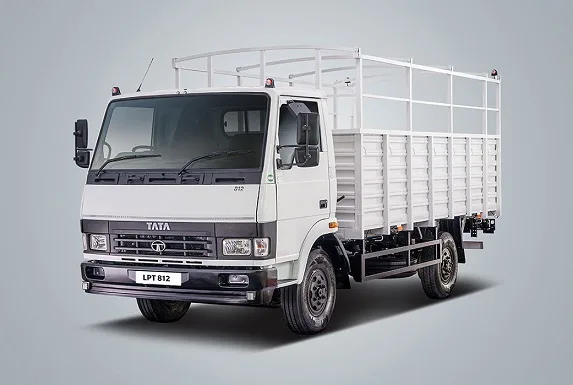
Tata Motors 1.5% Price Hike April 2026 | India Logistics Cost Impact
- Direct 1.5% increase on commercial vehicles affects last-mile delivery costs for 50K+ India-based e-commerce sellers and 3PL providers managing fleet operations
Overview
Tata Motors' April 2026 price increase signals critical cost pressures for India-based e-commerce logistics operations. The USD 180 billion Tata Group's announcement of up to 1.5% price increases across commercial vehicle ranges—effective April 1, 2026—directly impacts sellers and 3PL providers managing last-mile delivery fleets in India, South Korea, Africa, Middle East, Latin America, Southeast Asia, and SAARC regions. This adjustment reflects broader commodity price volatility and manufacturing input cost inflation affecting India's commercial vehicle sector.
For cross-border sellers operating India-based fulfillment networks, this represents immediate cost escalation in fleet expansion and replacement decisions. The 1.5% increase applies directly to utility vehicles, pick-ups, trucks, and buses used in supply chain operations—the backbone of inventory movement and customer deliveries. A seller operating 50 commercial vehicles (typical for mid-sized 3PL operations) could face additional annual costs of $15,000-$25,000 depending on vehicle type and configuration. This pricing action, announced with 15-month lead time (April 2026 implementation), allows strategic procurement timing but requires immediate budget reallocation. The rebranding from TML Commercial Vehicles Limited to Tata Motors Limited (effective October 29, 2025) consolidates the company's market position, suggesting sustained pricing power and limited alternative supplier options in India's commercial vehicle market.
Strategic inventory and procurement actions must begin immediately to optimize landed costs. Sellers should: (1) Accelerate fleet purchases before April 2026 if replacement cycles align—locking in current pricing saves 1.5% on vehicle acquisition costs; (2) Evaluate alternative logistics providers and 3PL partnerships to distribute cost increases across multiple carriers; (3) Shift sourcing patterns toward regions with lower last-mile delivery dependencies (direct-to-consumer models, FBA-centric strategies); (4) Increase inventory positioning in regional warehouses to reduce vehicle utilization rates and delivery frequency. For sellers with India-based operations, this cost increase compounds existing challenges from fuel price volatility, driver wage inflation, and toll road expenses. The announcement demonstrates Tata Motors' strategy of gradual adjustments rather than sudden increases, but cumulative pricing actions across vehicle manufacturers will compress logistics margins by 3-5% annually. Sellers engaged in B2B logistics and last-mile delivery networks face the highest impact, while those utilizing 3PL providers can negotiate fixed-rate contracts before April 2026 to lock in current pricing structures.
Questions 8
How should I adjust my supply chain strategy to offset this cost increase?
Implement three strategic adjustments: (1) Shift sourcing patterns toward regions with lower last-mile delivery dependencies, prioritizing FBA-centric fulfillment models over self-managed logistics; (2) Increase inventory positioning in regional warehouses and fulfillment centers to reduce vehicle utilization rates and delivery frequency; (3) Evaluate dropshipping and print-on-demand models for product categories with high delivery costs relative to margins. For sellers with India-based operations, this cost increase compounds existing fuel price volatility and driver wage inflation, requiring 3-5% annual margin compression unless pricing or operational efficiency improves.
What immediate procurement actions should I take before April 2026?
Conduct a fleet replacement audit immediately to identify vehicles reaching end-of-life before April 2026. Accelerate purchases of vehicles scheduled for replacement in Q2-Q4 2026 to lock in current pricing and avoid the 1.5% increase. Simultaneously, negotiate multi-year fixed-rate logistics contracts with 3PL providers before April 2026 to lock in current pricing structures. Evaluate alternative logistics providers and regional carriers to distribute cost increases across multiple vendors. Consider shifting inventory positioning toward regional warehouses to reduce vehicle utilization rates and delivery frequency requirements.