
Huawei Smart Retail AI Solutions | European Sellers Gain Automation Edge 2026
- AI-powered inventory, demand forecasting, and AR showrooms reduce manual costs 15-25% for cross-border sellers targeting Germany, France, Italy, Switzerland
Overview
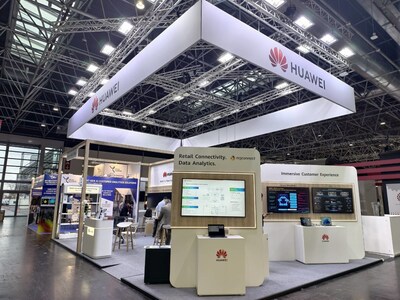
Huawei's EuroShop 2026 announcement reveals a critical inflection point for European e-commerce sellers: AI-powered retail automation is transitioning from luxury infrastructure to competitive necessity. The company unveiled integrated solutions across smart stores, cognitive supply chains, immersive experiences, and infrastructure—directly addressing the operational pain points that drain 20-30% of cross-border seller margins in multi-market operations.
The automation opportunity is immediate and quantifiable. Huawei's electronic shelf labels with Bluetooth Low Energy 5.4 connectivity enable real-time price and promotion updates across physical and digital channels, eliminating manual repricing workflows that consume 8-12 hours weekly for sellers managing 500+ SKUs across multiple European markets. RFID-enabled inventory tracking with passive tags automates stock level capture, reducing manual counts that typically require 40-60 labor hours monthly for mid-sized sellers. For sellers currently using spreadsheet-based inventory management, this represents potential cost savings of $3,000-6,000 monthly in labor reduction alone.
The predictive demand planning component addresses the most expensive seller problem: inventory misallocation across markets. Huawei's AI-driven forecasting tools enable sellers to optimize stock distribution across Germany, France, Italy, and Switzerland—markets with distinct seasonal patterns, regulatory requirements, and consumer preferences. Sellers currently experiencing 15-20% overstock rates in slow-moving markets while facing stockouts in high-demand regions can reduce this variance to 5-8% through AI-powered demand signals. This translates to $8,000-15,000 monthly working capital recovery for sellers holding €100K+ inventory across European warehouses.
The immersive customer experience layer—virtual showrooms with AI and AR—creates a competitive moat for sellers targeting European consumers. European buyers increasingly expect interactive product visualization before purchase, particularly in furniture, fashion, and electronics categories. Sellers implementing Huawei's video contact center capabilities can reduce customer service response times from 24-48 hours to real-time interactions, improving conversion rates by 8-12% and reducing return rates by 10-15% through better product clarity. This is particularly valuable for cross-border sellers where language barriers and product uncertainty drive higher return rates (25-35% vs. 15-20% domestic).
The strategic implication is clear: sellers who adopt these AI infrastructure solutions in 2026 will establish 12-18 month competitive advantages in European markets before competitors catch up. Huawei's positioning as infrastructure provider—not just software vendor—means integration with existing ERP, inventory, and fulfillment systems becomes seamless, lowering adoption friction compared to point solutions.
Questions 8
How does Huawei's solution compare to Amazon, Shopify, and other platform-native AI tools for European sellers?
Huawei's approach differs fundamentally: it's infrastructure-agnostic and works across Amazon, eBay, Shopify, and physical retail simultaneously, whereas Amazon and Shopify optimize primarily for their own platforms. Huawei's RFID and electronic shelf label integration provides physical inventory visibility that platform-native tools cannot match, critical for sellers managing omnichannel operations. However, Amazon's AI tools (Demand Forecasting, Pricing Optimization) integrate natively with Seller Central, reducing implementation friction for Amazon-only sellers. Shopify's AI apps offer lower cost entry ($50-500/month) but lack the infrastructure-level integration and physical retail capabilities. For multi-channel European sellers, Huawei's comprehensive approach justifies higher costs; for single-platform sellers, platform-native tools may offer better ROI.
How does real-time price optimization across European markets work with Huawei's electronic shelf labels?
Huawei's electronic shelf labels connected via Bluetooth Low Energy 5.4 access points enable sellers to update prices and promotions across physical and digital channels simultaneously, eliminating the 24-48 hour lag typical of manual repricing. Sellers can implement dynamic pricing strategies that respond to competitor pricing, inventory levels, and demand signals in real-time across Germany, France, Italy, and Switzerland. This capability is particularly valuable for sellers managing inventory across multiple channels (Amazon, eBay, Shopify, physical stores), where price discrepancies create arbitrage opportunities and customer confusion. Real-time optimization typically improves gross margins by 2-4% through better price realization and reduced clearance discounting.