



Middle East Energy Crisis Drives 60% Oil Surge | Shipping Costs Spike for E-Commerce Sellers
- Brent crude climbs to $119/barrel, air freight rates increase 8-15%, maritime routes threatened through Strait of Hormuz affecting Asia-Europe trade corridors




)





)



Overview
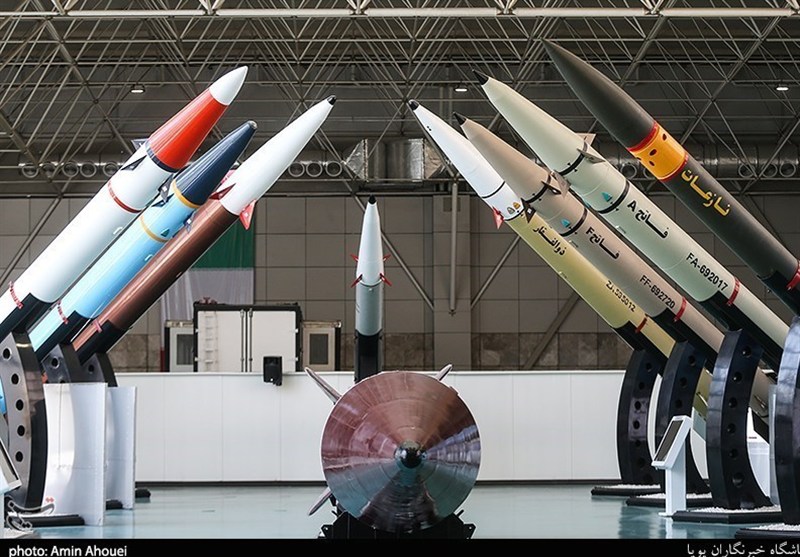
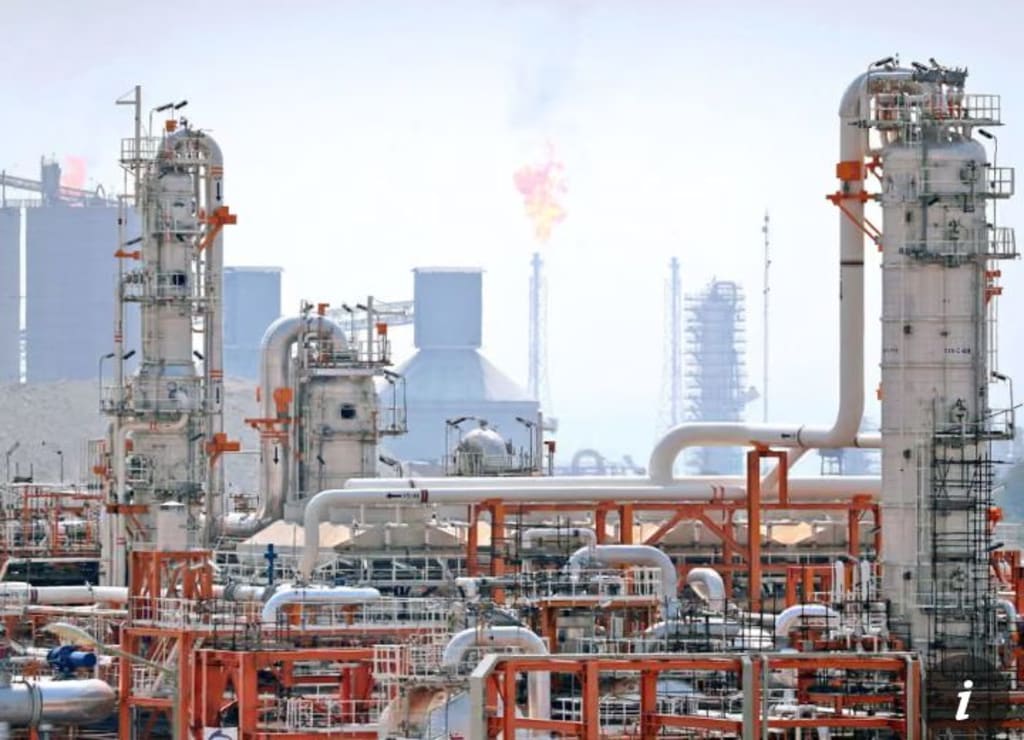
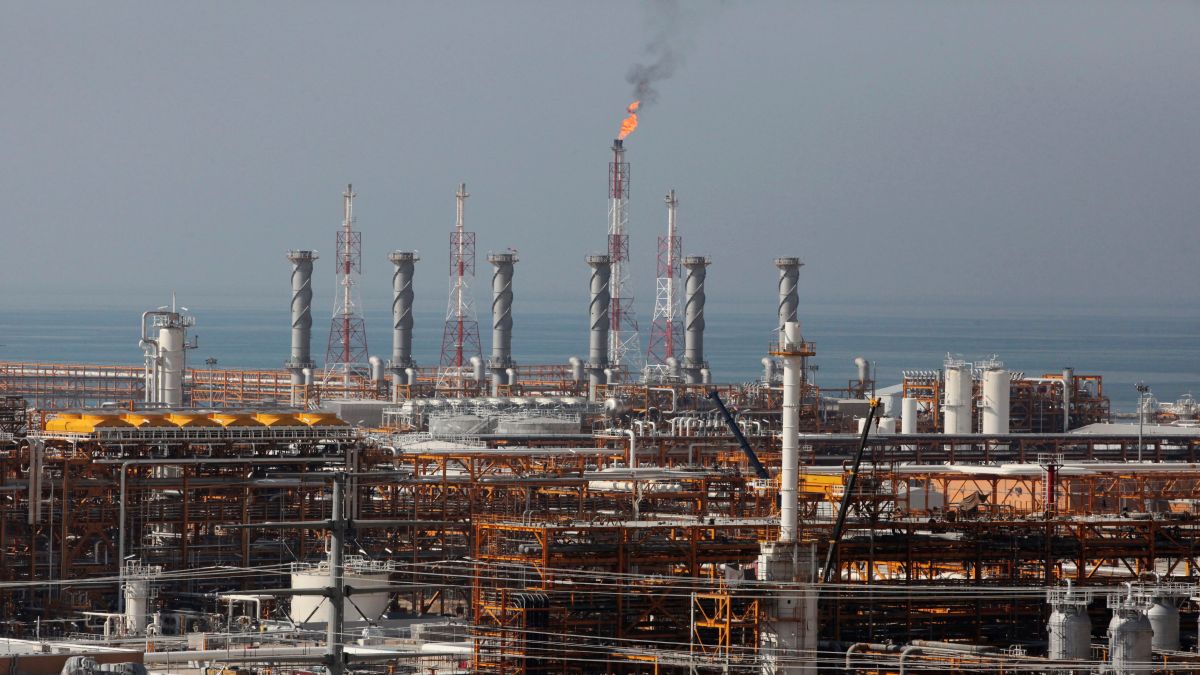
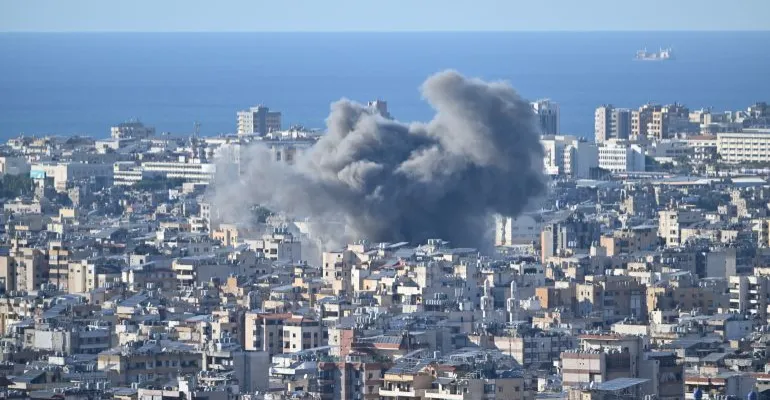
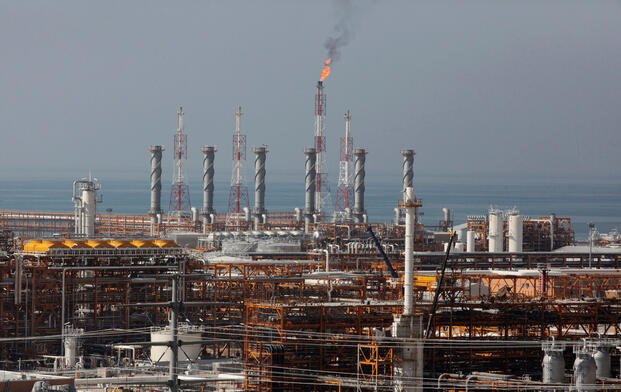
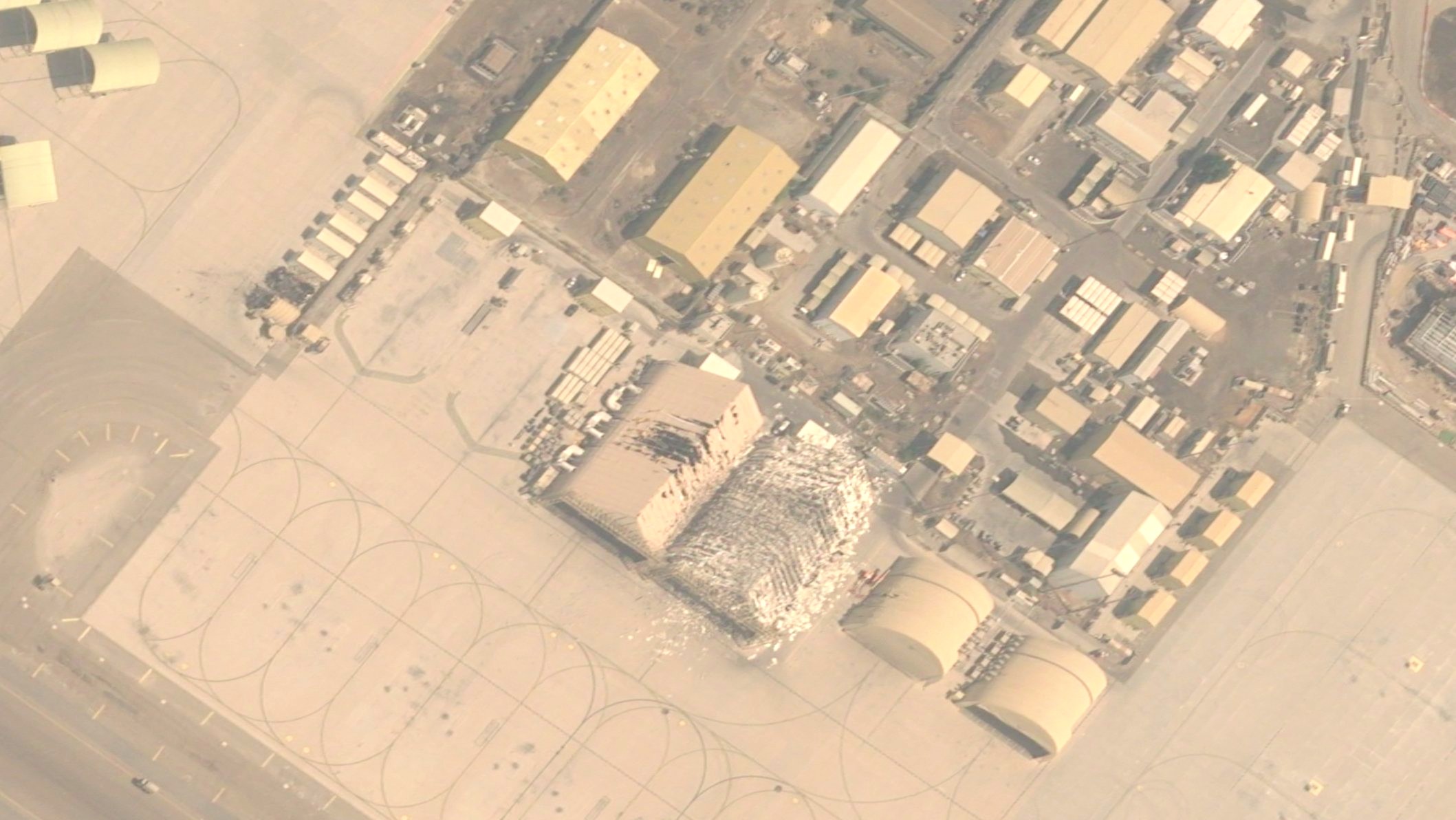
The escalating Iran-Israel conflict represents a critical supply chain disruption event for cross-border e-commerce sellers, with immediate and measurable cost impacts across all logistics channels. Since February 28, 2026, Brent crude oil has surged 60% to $110-119/barrel, while European gas prices doubled and Qatar's LNG export capacity dropped 20% following strikes on the Ras Laffan complex. For e-commerce sellers, this translates directly to operational cost increases: air freight rates have risen 8-15% as carriers Air France-KLM and Lufthansa announced surcharges and rerouted operations away from disrupted Gulf hubs. The potential blockade of the Strait of Hormuz—through which 20% of global oil passes—threatens the Asia-Europe maritime corridor critical for sellers shipping electronics, apparel, and consumer goods from China/Vietnam to EU markets.
Immediate seller impact by logistics channel: FBA sellers using air freight for expedited inventory replenishment face $200-400 monthly cost increases per 1,000-unit shipments. Ocean freight remains cheaper but faces 2-4 week delays due to rerouting around the Persian Gulf. Warehousing costs in EU and UK facilities have increased 5-8% due to energy surcharges, directly compressing margins for sellers with high inventory turnover. Cold chain logistics for perishables and temperature-sensitive products (vitamins, supplements, cosmetics) face the steepest increases—up to 12-18%—as refrigeration costs spike with energy prices.
Strategic sourcing implications: The conflict accelerates existing supply chain diversification away from Middle East-dependent routes. Sellers currently sourcing from China/Vietnam and shipping via Suez Canal face 15-25 day route extensions if rerouting around Africa becomes necessary. This creates a 60-90 day window of opportunity for sellers to negotiate fixed-rate freight contracts before further escalation. Vietnam-based suppliers gain competitive advantage over China for European markets, as alternative Southeast Asia routes bypass the Strait of Hormuz entirely. The geopolitical instability also signals potential for additional sanctions on Iran, which could trigger secondary effects on Turkish and UAE transshipment hubs that currently handle 30-40% of Asia-Europe e-commerce cargo.
Market access shifts: The conflict creates immediate opportunities in defensive product categories—emergency supplies, backup power systems, water purification, and survival gear see 40-60% demand spikes during geopolitical crises. Sports merchandise faces headwinds as FIFA confirmed World Cup proceeds as scheduled but security concerns may reduce event-related merchandise demand in Middle East markets. The broader economic uncertainty (FTSE 100 down 2.35%, Asian markets experiencing heavy sell-offs) signals consumer spending caution in developed markets, suggesting sellers should reduce inventory exposure in discretionary categories and pivot toward essential goods with stable demand.
Questions 8
How does this conflict affect my Amazon seller account and FBA operations specifically?
Amazon Seller Central will reflect fuel surcharges within 2-3 weeks of crude price changes. FBA storage fees remain unchanged, but shipping costs increase 8-15% for air freight and 2-4 weeks for ocean freight. Your IPI (Inventory Performance Index) may suffer if you reduce inventory to cut costs—maintain minimum stock levels to avoid account restrictions. Monitor your Seller Central dashboard for updated shipping rate cards and fuel surcharge notifications. Consider switching to Fulfillment by Merchant (FBM) for slower-moving SKUs to avoid FBA storage fees during the crisis. Adjust your pricing strategy to reflect 5-8% cost increases while remaining competitive—most sellers are experiencing similar pressures.
When should I lock in freight rates and for how long to protect against further price increases?
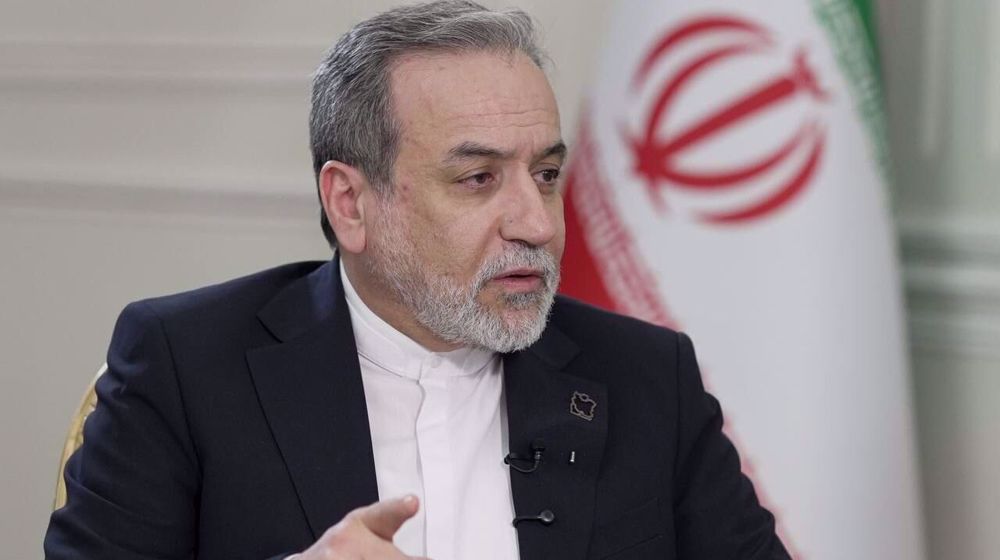
Lock in freight rates immediately for 90-180 day contracts before further escalation. The conflict remains unpredictable with Iranian Foreign Minister stating 'zero restraint' if infrastructure is targeted again, suggesting potential for additional strikes. Brent crude has already surged 60% since February 28; further escalation could push prices to $130-150/barrel. Negotiate fixed-rate air freight contracts for Q2-Q3 2026 shipments now—rates typically increase 2-3% weekly during crises. For ocean freight, 180-day contracts offer better protection than 90-day terms. Monitor daily geopolitical developments and be prepared to execute emergency sourcing pivots if the Strait of Hormuz closes.