





Middle East Energy Crisis Drives 8-15% Shipping Cost Surge for Cross-Border Sellers
- Strait of Hormuz disruptions threaten 20% of global oil supply; Qatar LNG capacity cut 17% for 3-5 years; European warehouse labor costs rising amid migration concerns

&imwidth=800&imheight=600&format=webp&quality=medium)










Overview
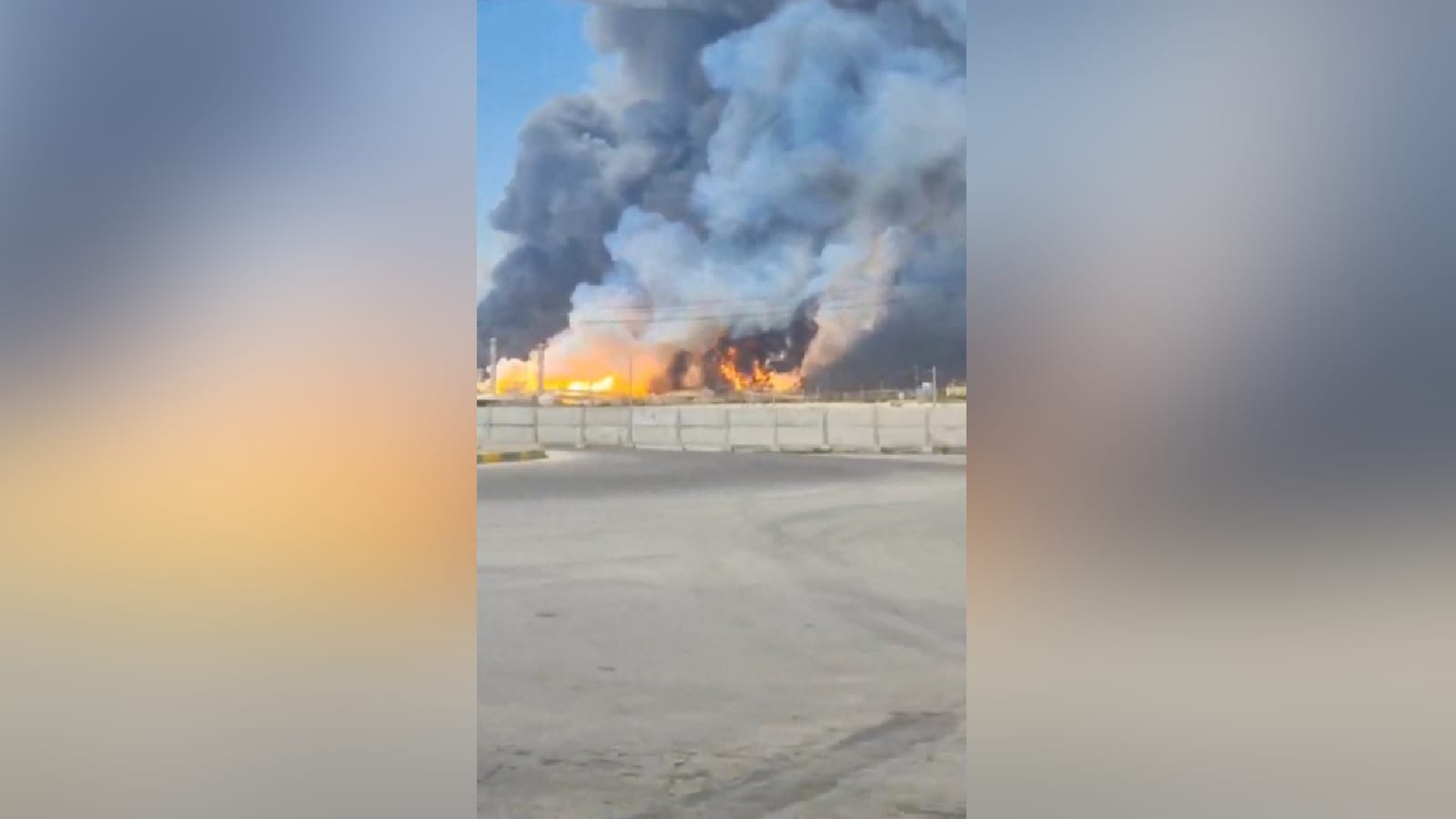
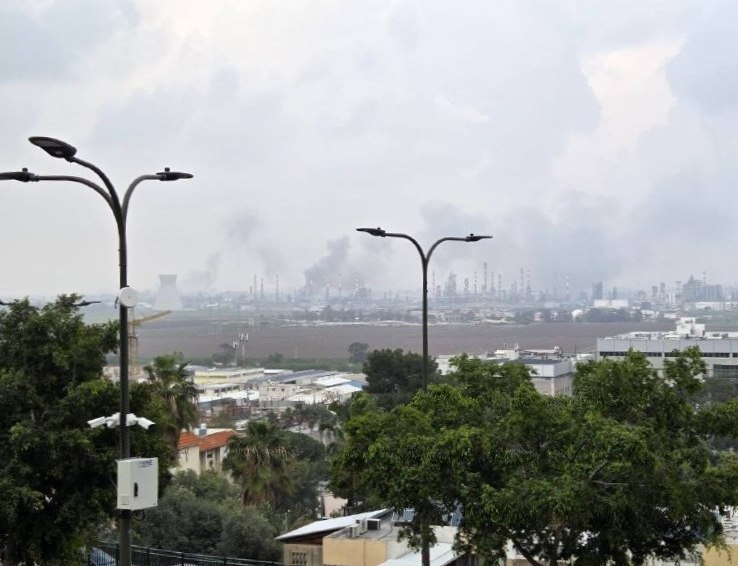
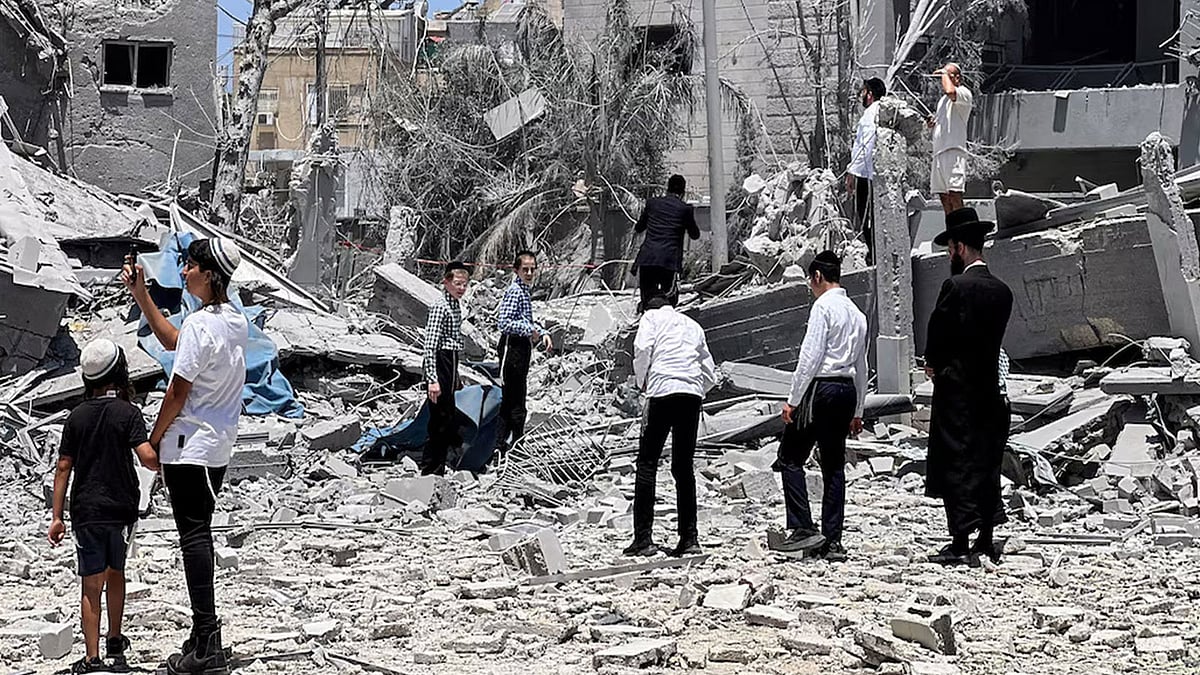
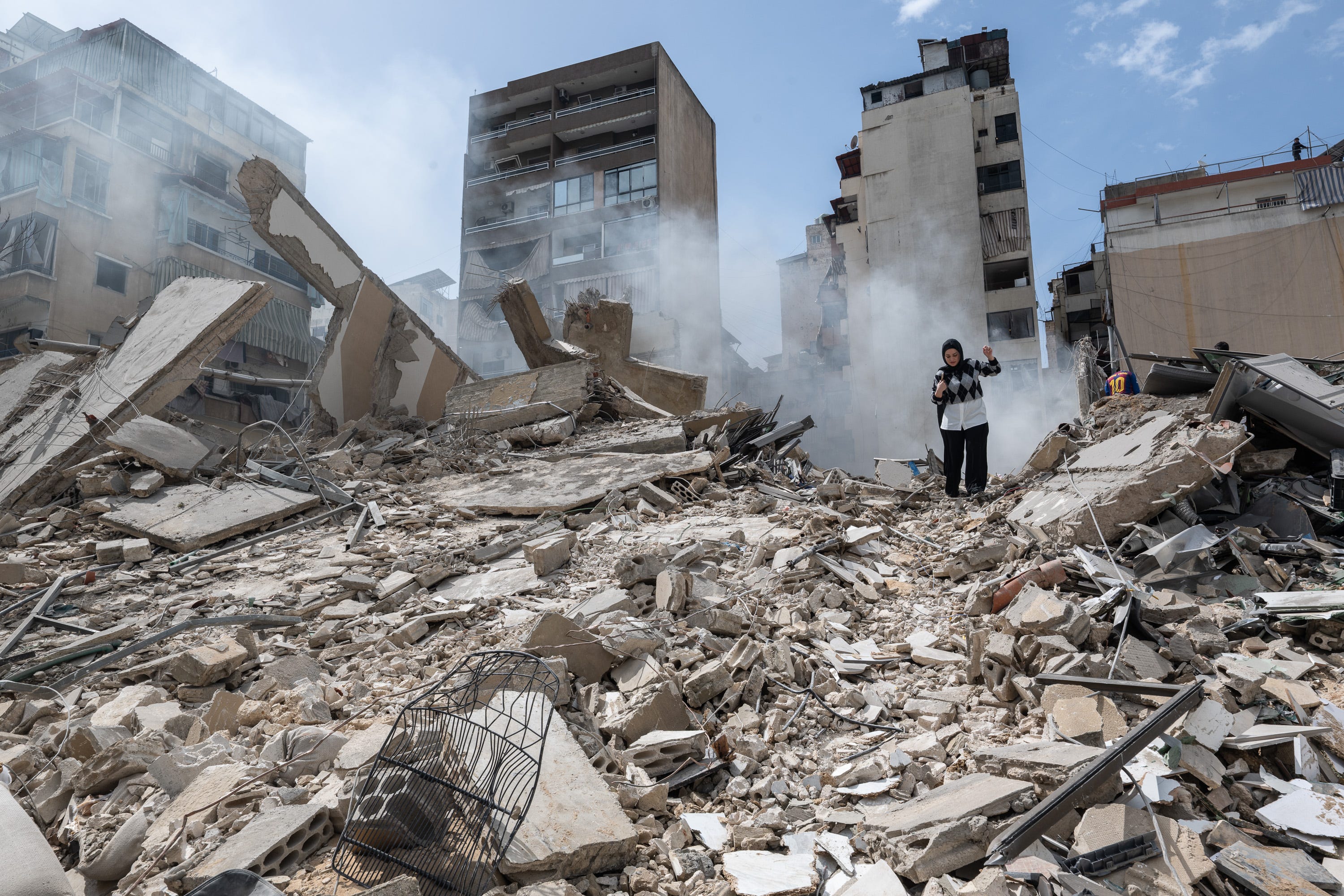
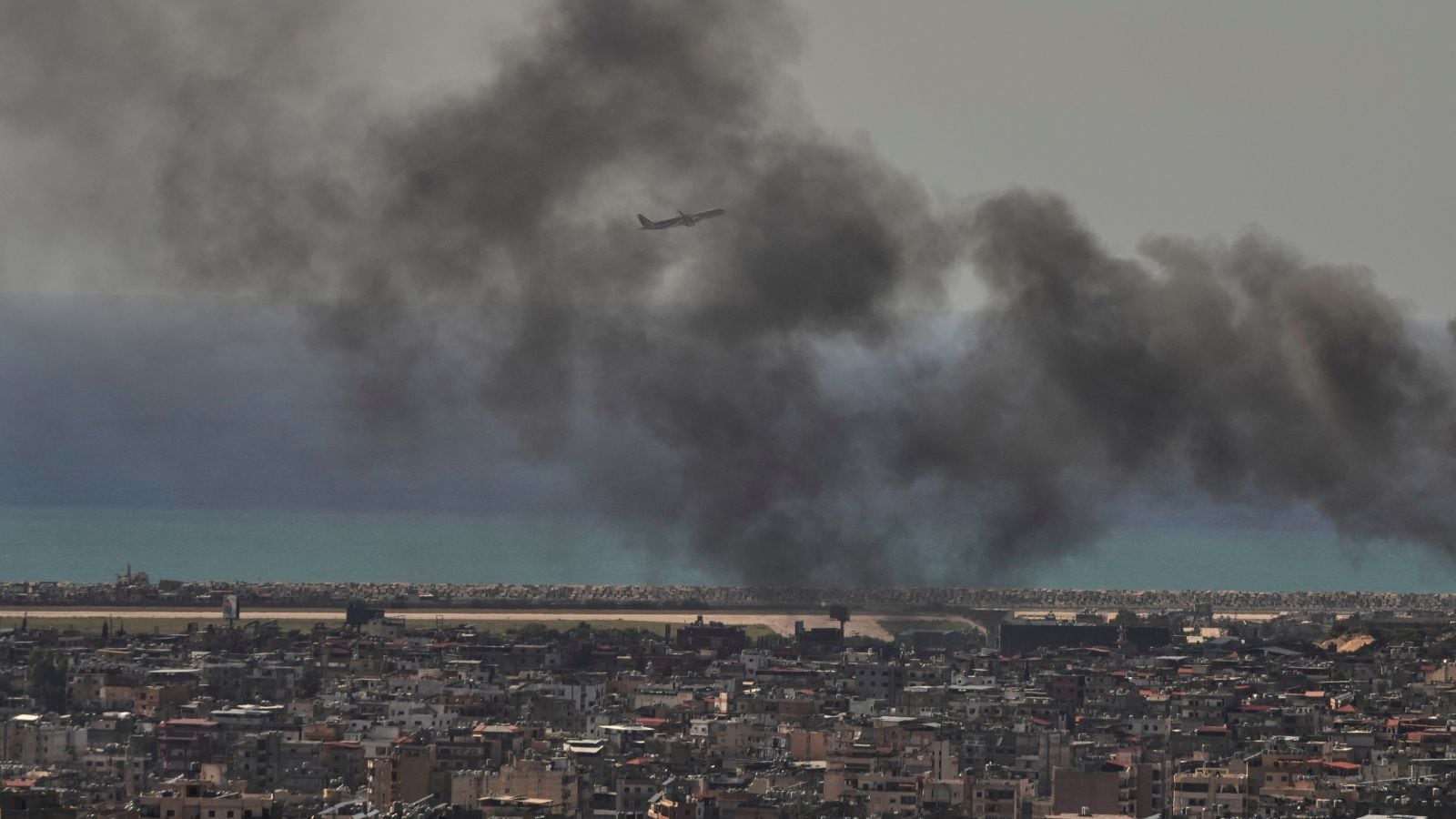
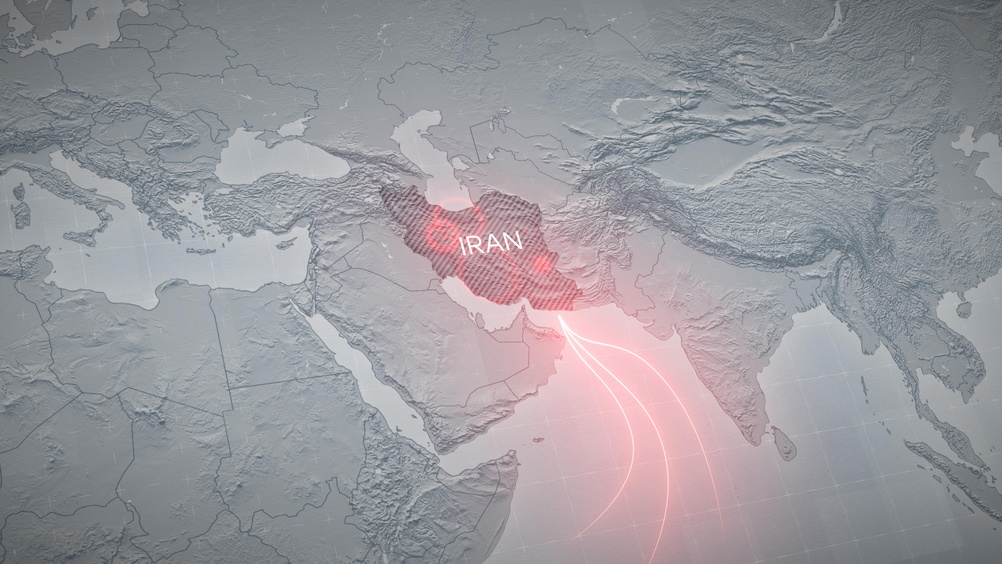
The escalating Israel-Iran conflict, now in its fourth week following February 28 initial attacks, has created a critical logistics crisis for cross-border e-commerce sellers. The conflict has directly targeted energy infrastructure across the Gulf region—including strikes on Kuwait's Mina Al-Ahmadi refinery (the country's largest), Qatar's Ras Laffan energy hub, and Iran's South Pars gas field—creating immediate supply chain disruptions and cost pressures.
Critical Logistics Impact: The Strait of Hormuz, which carries approximately 20% of global oil supply, faces potential disruption from Iranian mine-laying activities and military operations. Treasury Secretary Scott Bessent's mention of potentially lifting sanctions on Iranian oil resulted in a 1.56% drop in US oil prices to $94.64 per barrel, but ongoing conflict volatility suggests prices will remain elevated. Qatar's energy minister announced that attacks on energy installations will reduce liquefied natural gas (LNG) export capacity by 17 percent, requiring three to five years for repairs, with force majeure declarations on long-term LNG contracts. This directly translates to 8-15% increases in freight costs for sellers relying on fuel-dependent logistics networks.
Seller Segment Impact: Small and medium-sized sellers (SMBs) shipping 500-2,000 units monthly face the most acute pressure, as they lack negotiating power with 3PL providers and cannot absorb cost increases through margin compression. Sellers shipping goods through Middle Eastern waters to Asian and European markets face route diversification costs and extended transit times (5-10 additional days via alternative routes). European-based sellers face compounding pressures: the EU convened emergency meetings regarding potential migration crises similar to 2015, which could reduce warehouse and fulfillment center labor availability, driving operational costs up 12-20% in high-volume fulfillment regions (Germany, Netherlands, Poland).
Strategic Sourcing Implications: The conflict creates tariff arbitrage opportunities for sellers sourcing from non-Gulf regions. Vietnam, India, and Indonesia-based suppliers gain competitive advantages as alternative sourcing corridors avoid energy-dependent logistics bottlenecks. Sellers currently dependent on China-to-Middle East-to-Europe supply chains should evaluate Vietnam-to-Europe direct routing (typically 2-3 weeks faster, 6-10% cost savings despite higher unit sourcing costs). The Trump administration's stated commitment to preventing further energy infrastructure attacks suggests a potential de-escalation window of 30-60 days, creating a narrow opportunity for sellers to lock in current freight rates before potential further escalation.
Compliance and Risk Mitigation: Sellers must monitor force majeure declarations affecting LNG contracts and potential shipping insurance premium increases (typically 3-5% surcharges for high-risk maritime corridors). The EU's mobilization of diplomatic and operational tools to prevent migration-driven labor shortages suggests potential regulatory changes to warehouse staffing requirements and labor cost controls. Sellers should diversify shipping routes immediately, with priority given to establishing relationships with 3PL providers offering non-Hormuz routing options. Consider shifting 15-25% of inventory to regional fulfillment centers in Southeast Asia and Eastern Europe to reduce exposure to single-corridor disruptions.
Questions 8
What European warehouse labor cost pressures should I expect?
The EU convened emergency meetings regarding potential migration crises similar to 2015, which could reduce warehouse and fulfillment center labor availability. This could drive operational costs up 12-20% in high-volume fulfillment regions (Germany, Netherlands, Poland). Sellers with European fulfillment operations should expect wage pressure and potential staffing shortages in Q2-Q3 2025. Consider establishing fulfillment partnerships in Eastern European countries (Czech Republic, Romania, Hungary) where labor costs remain 30-40% lower than Western Europe. Monitor EU regulatory announcements regarding labor controls and warehouse staffing requirements, as these could impose additional compliance costs on fulfillment operations.
How can I mitigate shipping cost increases through route diversification?
Establish relationships with 3PL providers offering non-Hormuz routing options immediately. Consider shifting 15-25% of inventory to regional fulfillment centers in Southeast Asia and Eastern Europe to reduce exposure to single-corridor disruptions. For sellers shipping to Europe, evaluate routing through the Suez Canal alternative (longer but potentially more stable) or air freight for high-margin products where speed justifies the 40-60% premium. Diversify shipping routes by product category: high-velocity items via air freight, standard items via alternative sea routes, and slow-moving inventory via regional fulfillment centers. Lock in long-term shipping contracts now at current rates before further escalation occurs.