



Gulf Energy Crisis Drives Logistics Costs Up 8-15% | Cross-Border Sellers Face 3-5 Year Supply Shock
- Brent crude spikes to $109+/barrel; Qatar LNG capacity drops 17% through 2030; shipping costs surge for sellers using fuel-dependent fulfillment networks





















Overview
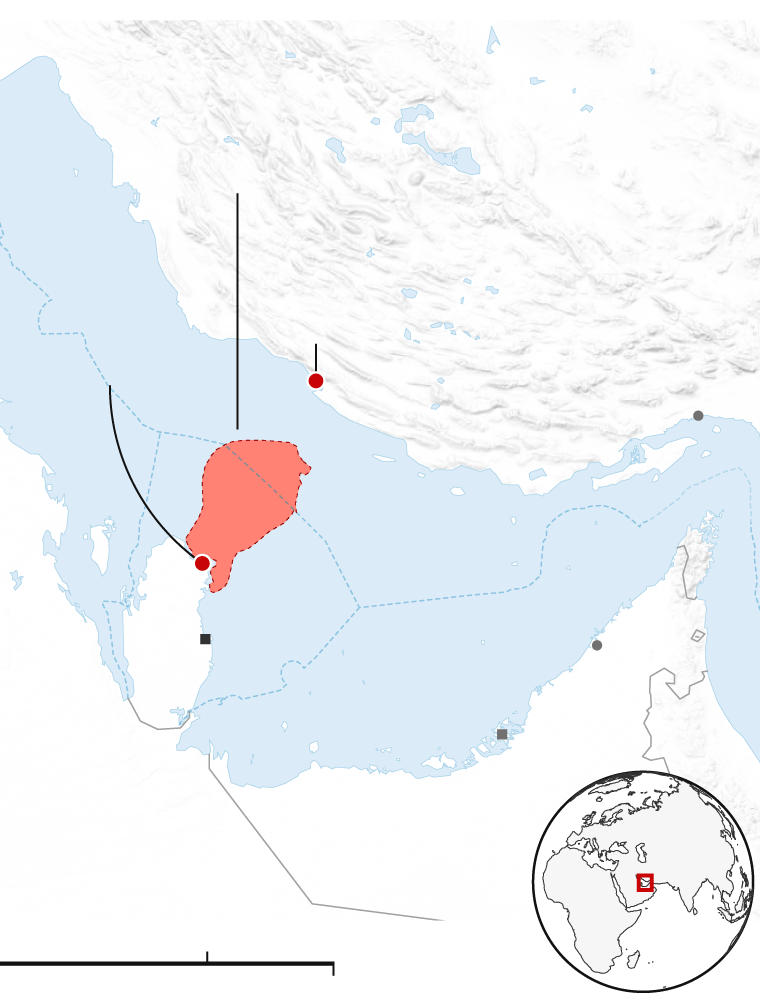
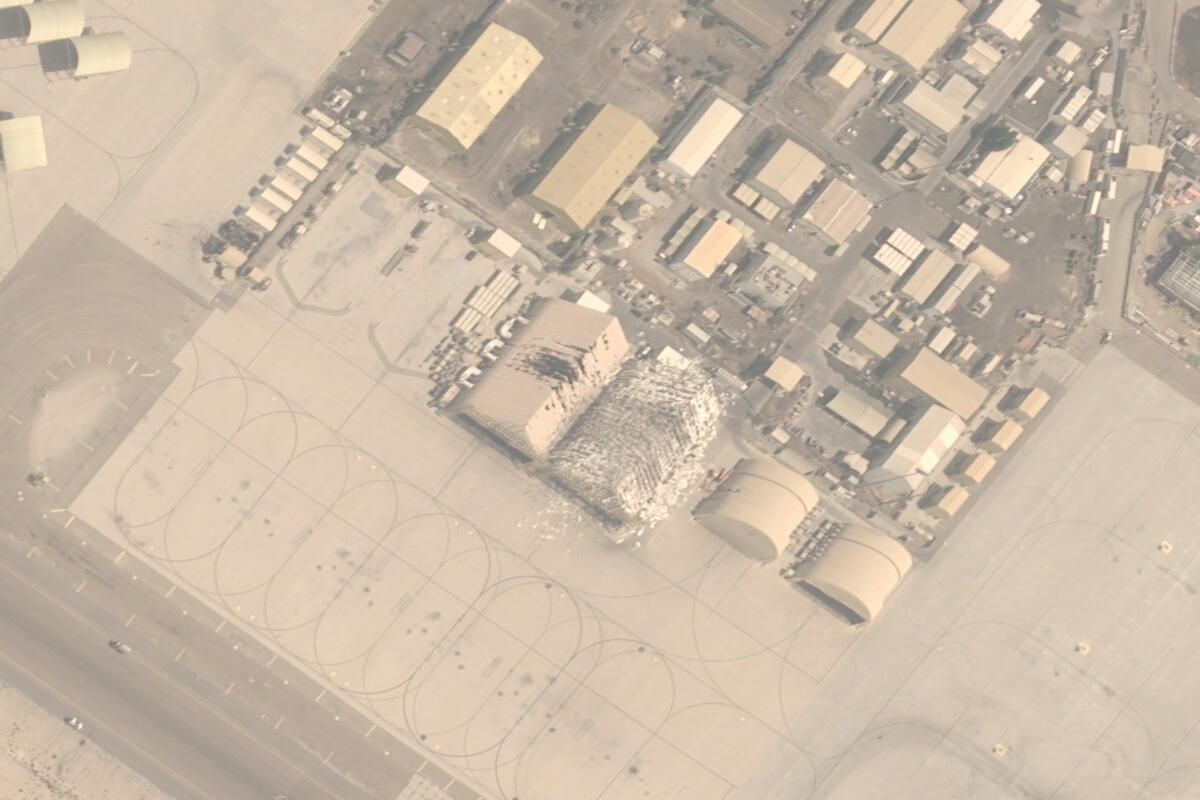
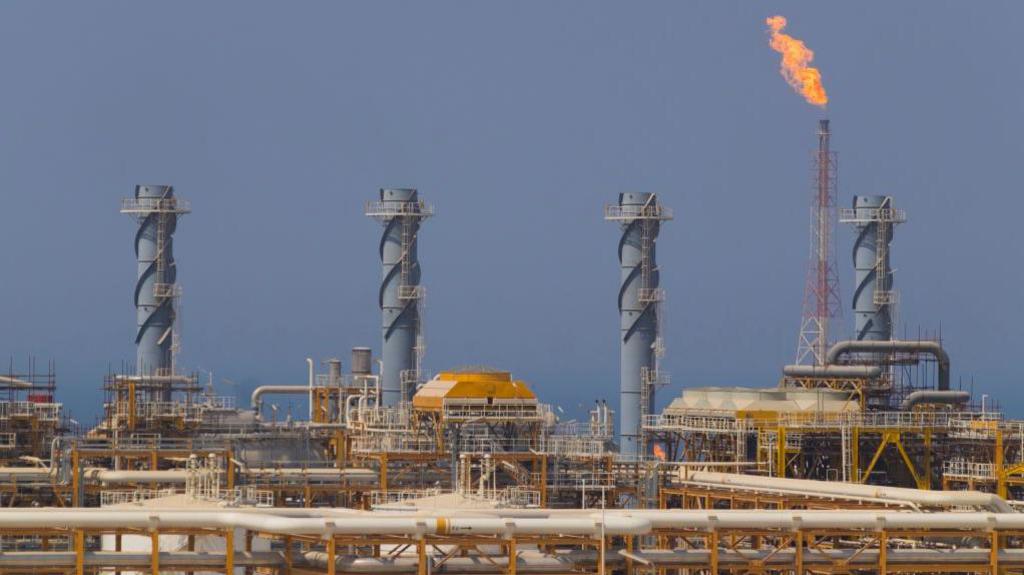
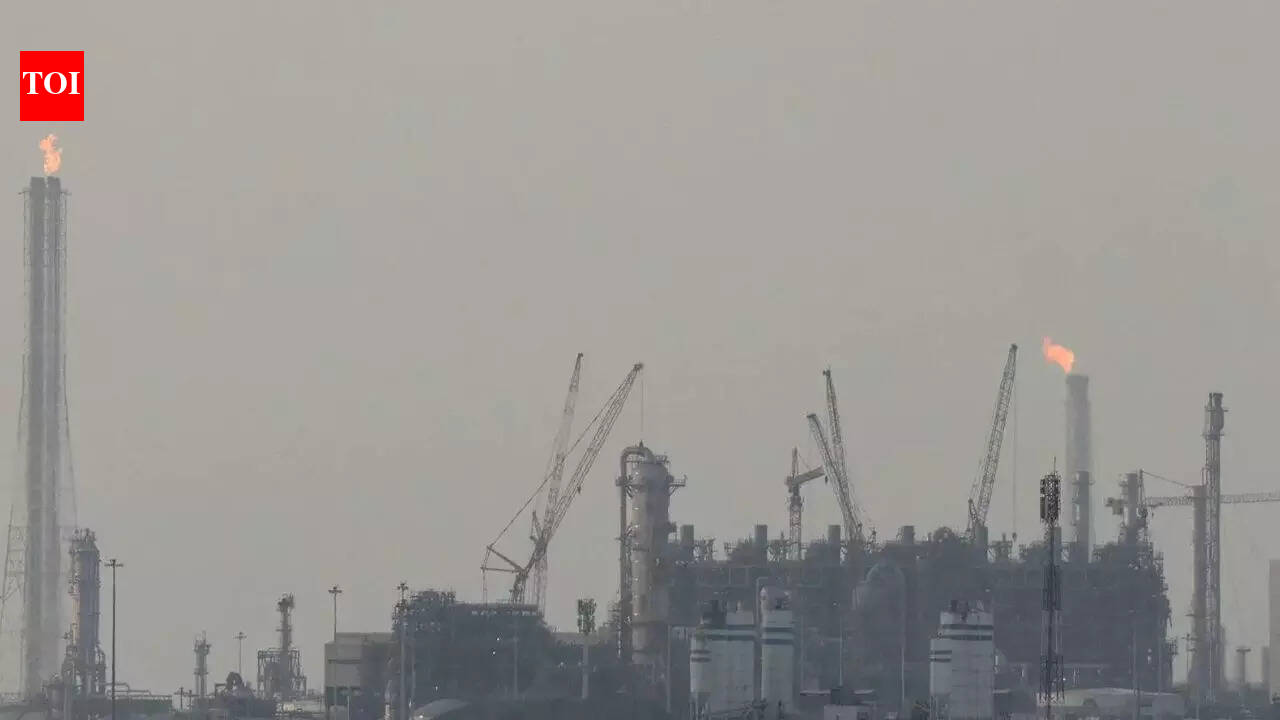
The geopolitical escalation in the Persian Gulf is creating a sustained energy supply crisis that directly impacts cross-border e-commerce operations through elevated logistics costs and supply chain disruptions. Between March 19-20, 2026, military strikes on critical energy infrastructure—including Qatar's Ras Laffan LNG facility (17% capacity reduction requiring 3-5 years to repair), Kuwait's Mina Al-Ahmadi refinery, and Iranian gas fields—sent Brent crude oil prices spiking above $109 per barrel. This represents a critical inflection point for sellers relying on fuel-intensive logistics networks, as energy costs directly translate to increased freight rates, warehouse operations, and fulfillment expenses across Amazon FBA, 3PL providers, and international shipping corridors.
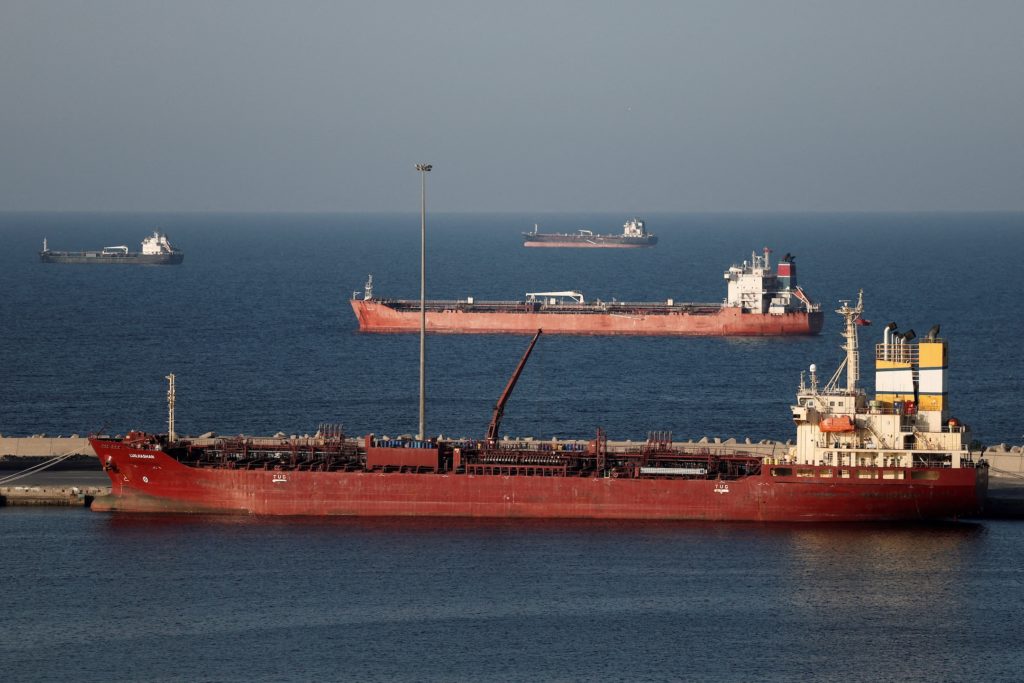
For cross-border sellers, the operational impact breaks down into three distinct cost categories. First, freight rate escalation: Sellers shipping via ocean freight (the dominant mode for cross-border commerce) face 8-15% cost increases as bunker fuel surcharges rise with crude prices. A typical 40-foot container from Shanghai to Los Angeles costs $2,500-3,500; at current energy prices, this could increase $200-525 per shipment. Second, warehouse and fulfillment costs: Amazon FBA and third-party logistics providers pass through fuel surcharges on storage, pick-and-pack, and last-mile delivery. Sellers managing 1,000+ units monthly in FBA could see monthly costs increase $150-400 depending on category weight and regional fulfillment center location. Third, inventory carrying costs: The extended 3-5 year repair timeline for Qatar's LNG facility signals sustained energy price elevation, forcing sellers to optimize inventory turnover and reduce safety stock, compressing working capital efficiency by 5-8%.
The competitive advantage shifts toward sellers with supply chain flexibility and geographic diversification. Sellers sourcing exclusively from China or shipping through Middle Eastern ports face maximum exposure. However, sellers who have already diversified sourcing to Vietnam, India, or Indonesia—or who utilize alternative shipping routes avoiding the Suez Canal—can maintain cost advantages. Additionally, sellers in lower-weight categories (apparel, electronics accessories, home goods under 2 lbs/unit) experience proportionally lower fuel surcharge impacts compared to heavy categories (furniture, sporting goods, industrial supplies). The Trump administration's stated intention to lift sanctions on Iranian oil and release strategic reserves could provide temporary relief, but the 3-5 year LNG repair timeline suggests energy prices will remain elevated through 2030-2031, creating a structural cost headwind for logistics-dependent sellers.
Questions 8
Will the Trump administration's oil sanctions relief reduce shipping costs?
Treasury Secretary Scott Bessent indicated the U.S. may lift sanctions on Iranian oil and release strategic reserves to mitigate price pressures. If implemented, this could reduce crude prices by $5-15/barrel in the near term (3-6 months), translating to 2-5% shipping cost reductions. However, this relief is temporary and doesn't address the structural 3-5 year LNG supply deficit from Qatar's facility damage. Plan for sustained elevated energy costs through 2030 even if sanctions relief provides short-term relief. Use any price dips to lock in fixed-rate shipping contracts with carriers and 3PL providers.
Which product categories are most affected by energy price increases?
Heavy, low-margin categories experience the highest impact: furniture (15-20% cost increase), sporting goods, industrial supplies, and bulk consumables. Lightweight, high-margin categories like apparel, electronics accessories, and jewelry see minimal impact (2-5% cost increase). For sellers in heavy categories, energy costs now represent 8-12% of total logistics expenses versus 4-6% pre-crisis. This compresses margins significantly unless you can increase prices 5-8% or reduce product weight through packaging optimization. Sellers in light categories should capitalize on this competitive advantage by potentially gaining market share from competitors in heavy categories who face margin compression.