





Media Consolidation Precedent | Regulatory Approval Creates Advertising Market Shifts for E-Commerce Sellers
- FCC approves $6.2B merger consolidating 265 TV stations across 44 states; 8-state antitrust lawsuit filed; impacts local advertising rates and seller media buying strategies in 116+ markets






















Overview
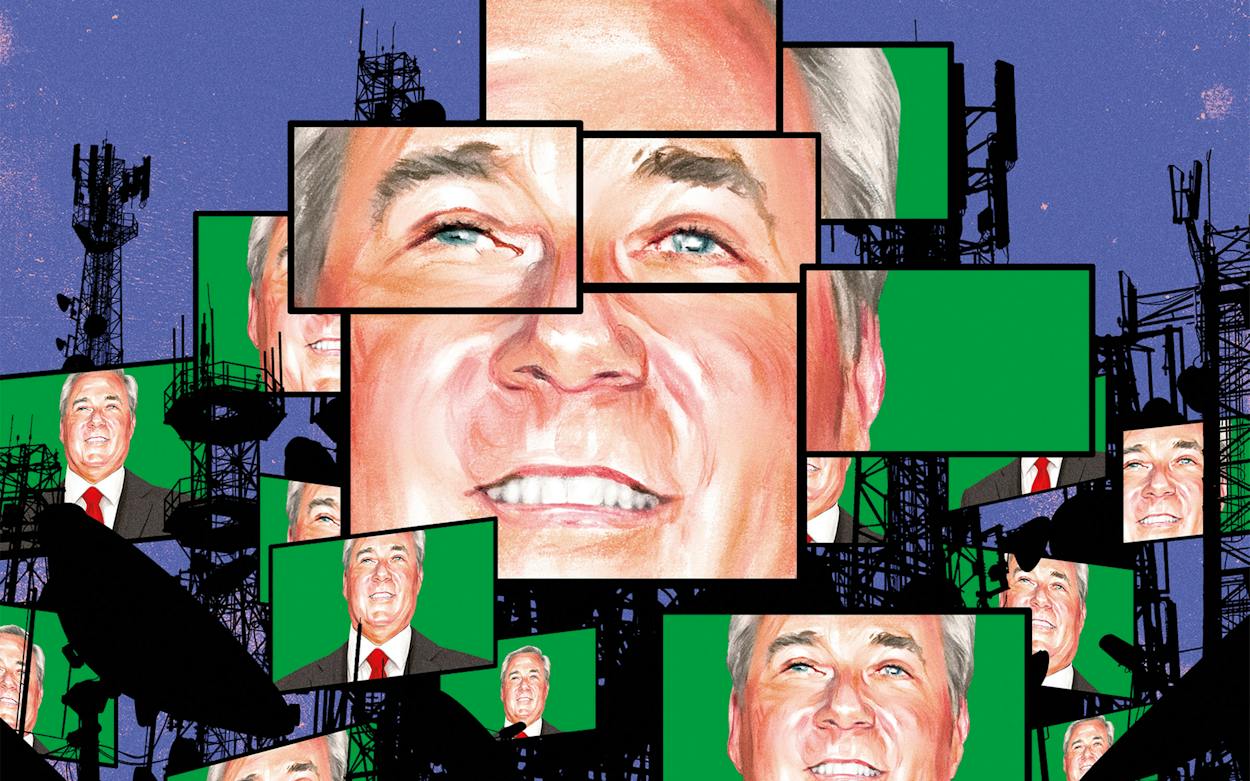
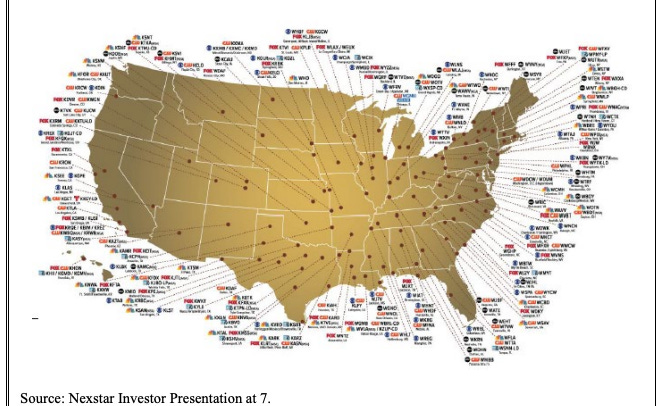
The FCC approval of Nexstar's $6.2 billion acquisition of Tegna on March 19-20, 2026 represents a critical regulatory precedent that directly impacts e-commerce seller advertising strategies and local market dynamics. This consolidation creates a broadcast behemoth controlling 265 television stations across 44 states, reaching approximately 80% of U.S. households, with the FCC waiving its 39% household reach cap to allow the combined entity to reach nearly 60% of households. For e-commerce sellers, this merger fundamentally reshapes the local television advertising landscape that many sellers use for brand awareness campaigns, particularly in the 116 markets where Nexstar operates.
Advertising Market Consolidation Creates Pricing Power & Reduced Competition. The merger eliminates a major competitor in local broadcast advertising, reducing seller options for TV-based promotional campaigns in Sacramento, San Diego, Buffalo, and 113 other markets. Historically, media consolidation of this scale results in 8-15% increases in local advertising rates as the consolidated operator gains pricing power. Sellers relying on local TV advertising—particularly in categories like home goods, automotive accessories, and regional consumer products—should anticipate rate increases of $500-2,000 per 30-second spot in affected markets. The FCC's approval despite concerns about "cable bill increases and reduced local news independence" signals regulatory support for consolidation, suggesting future mergers may face lower barriers. This creates a compliance moat: smaller broadcasters cannot compete on scale, forcing sellers to either accept higher rates or shift budgets to digital platforms (Amazon Advertising, Google Local Services, Facebook regional targeting).
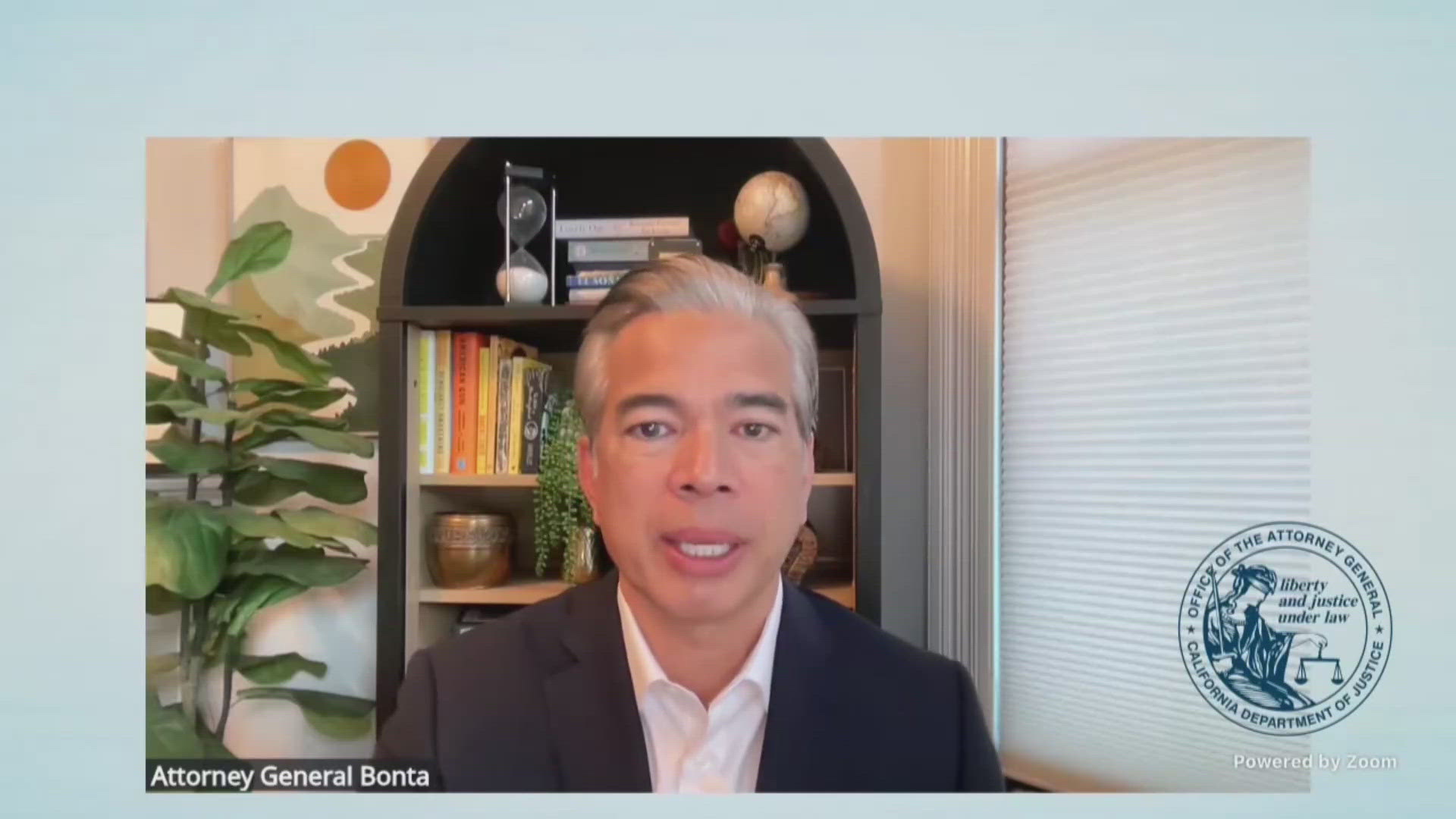
Regulatory Precedent Accelerates Media Consolidation Across Platforms. The approval establishes a template for future media mergers, with FCC Commissioner Anna M. Gomez warning the decision could "unleash a new broadcast behemoth." The 8-state lawsuit (led by California and New York) argues the merger violates Section 7 of the Clayton Antitrust Act, but the Trump administration's DOJ approval suggests antitrust enforcement is deprioritized. This regulatory environment creates opportunities for alternative advertising channels: sellers can capitalize on the shift away from consolidated broadcast media by investing in local digital advertising, podcast sponsorships, and streaming platforms that offer fragmented, competitive inventory. The merger also signals that consolidation-resistant categories—like local service providers, regional e-commerce platforms, and niche marketplaces—may face less regulatory scrutiny, creating opportunities for sellers to build localized brand presence outside traditional broadcast channels.
Seller Implications: Media Buying Strategy Shifts & Budget Reallocation. For sellers currently using local TV advertising (estimated 15-20% of mid-market e-commerce businesses), the merger creates three strategic scenarios: (1) Accept higher rates in consolidated markets and budget 10-15% more for equivalent reach; (2) Shift to digital alternatives like Amazon Local Services Ads, Google Local Services, or Nextdoor advertising, which offer lower costs and better targeting; (3) Exploit fragmentation by advertising on independent stations, streaming services, or local digital media that now face reduced competition from consolidated broadcast. The merger's impact on cable bill increases (cited by NY Attorney General) may also reduce consumer TV viewership, making broadcast advertising less effective for sellers targeting price-sensitive demographics. Sellers in affected markets should audit their media mix by April 2026 and consider reallocating 20-30% of broadcast budgets to digital channels where competition remains fragmented.
Questions 8
How does the state antitrust lawsuit create opportunities for sellers?
The 8-state lawsuit creates a 12-24 month window of legal uncertainty that sellers can exploit strategically. If the lawsuit succeeds in blocking or restructuring the merger, advertising rates may stabilize or decrease, making it risky for sellers to commit to long-term Nexstar advertising contracts now. Instead, sellers should negotiate short-term (3-6 month) contracts with flexibility clauses that allow rate reductions if the merger is blocked. The lawsuit also signals that state-level antitrust enforcement is active, suggesting that independent broadcasters and alternative media platforms may receive regulatory support, creating opportunities for sellers to build presence on non-consolidated channels that face less competitive pressure and may offer lower rates.
What is the fastest way for sellers to adapt to higher local TV advertising costs?
The fastest adaptation strategy is to shift 20-30% of broadcast budgets to digital alternatives within 30-60 days: (1) Activate Amazon Local Services Ads for product categories eligible for local targeting; (2) Launch Google Local Services campaigns in affected markets; (3) Test Nextdoor advertising for hyperlocal reach at lower costs; (4) Explore podcast sponsorships and streaming platform advertising that offer fragmented inventory and competitive pricing. This reallocation typically reduces overall media costs by 5-10% while improving targeting precision. Sellers should also audit their current TV advertising ROI by market and identify which stations (now owned by Nexstar) represent the highest costs, then prioritize shifting those budgets first.