





US Mortgage Rates Surge to 6.22% | Consumer Spending Collapse Threatens E-Commerce Demand
- 30-year fixed rates jump 24 basis points in 3 weeks; mortgage applications drop 10%; discretionary spending power erodes for 50M+ US homeowners































Overview
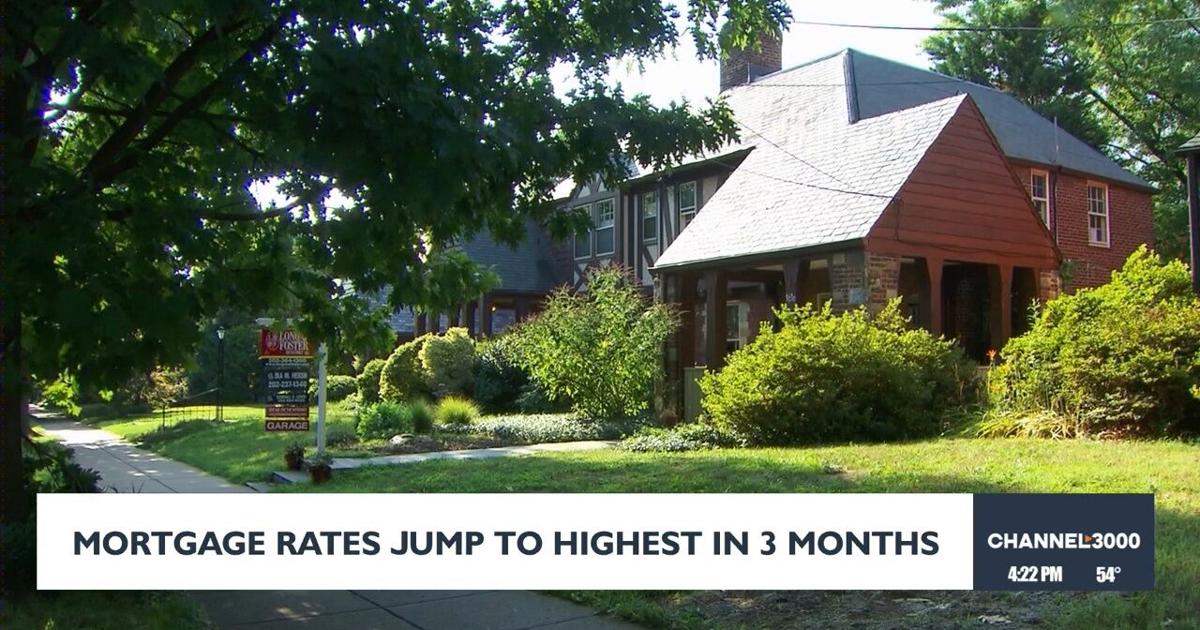
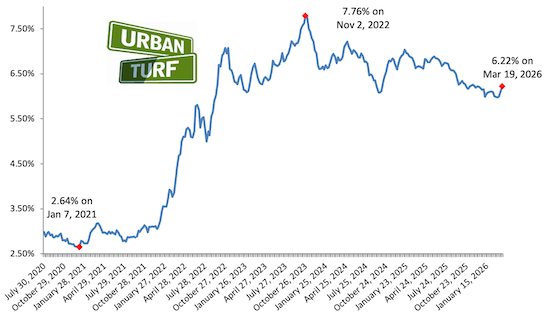
The macroeconomic headwind is real: US mortgage rates climbed to 6.22% by mid-March 2026—the highest level in three months—driven by geopolitical escalation in the Middle East that triggered oil price spikes and inflation fears. This represents a 0.11 percentage point jump from the previous week's 6.11% rate, following a brief dip to 5.98% in late February when the Trump administration's housing affordability initiatives briefly boosted market sentiment. The 10-year Treasury yield, which directly anchors mortgage rates, surged from 3.96% pre-conflict to 4.28%, signaling investor concerns about sustained inflation. For cross-border e-commerce sellers targeting US consumers, this development carries immediate financial implications through consumer purchasing power erosion.
The demand destruction is measurable and accelerating. The Mortgage Bankers Association reported a 10% decline in mortgage applications in the week following the rate spike, indicating homebuyers are already pulling back from spring market activity—traditionally the busiest real estate season. Higher borrowing costs directly compress discretionary spending capacity among the 50+ million US homeowners and prospective buyers who represent core e-commerce customer segments. For homebuyers, the rate increase translates to hundreds of additional dollars in annual loan payments, forcing budget reallocation away from non-essential purchases. This macroeconomic squeeze disproportionately impacts consumer electronics, home goods, furniture, and lifestyle product categories where cross-border sellers generate significant revenue. The National Association of Home Builders reports declining developer sentiment, with builders facing elevated material costs from energy price inflation—a supply chain cost transmission that will eventually reach consumer prices.
The financing and cash flow implications extend beyond consumer demand. The geopolitical context driving rate increases creates unpredictable energy costs that inflate logistics expenses for cross-border sellers shipping to the US market. Sellers relying on working capital financing or inventory loans face higher borrowing costs as lenders price in inflation risk and economic uncertainty. The Federal Reserve's March 17-18 meeting maintained the federal funds rate unchanged, but Fed Chair Jerome Powell signaled minimal appetite for rate cuts in 2026, contingent on inflation cooling—a scenario complicated by prolonged Middle East tensions. This means sellers cannot expect relief from lower financing costs in the near term. The 10-year Treasury yield's climb to 4.28% (highest in nearly two months) signals that bond markets are pricing in sustained inflation, which will keep mortgage rates elevated and consumer spending suppressed through at least Q2 2026. Sellers should immediately reassess inventory levels for discretionary categories, accelerate cash conversion cycles through invoice financing or factoring, and consider shifting product mix toward essential goods categories that prove more resilient during consumer spending contractions.
Questions 8
Which e-commerce product categories face the steepest demand decline from housing market weakness?
Discretionary home-related categories face 10-20% demand declines: furniture (highest sensitivity), home improvement products, home décor, appliances, and consumer electronics. Essential categories (groceries, health/beauty, basic apparel) show 2-5% resilience. The housing market contraction signals builders are delaying projects and homeowners are deferring renovations—directly impacting demand for construction materials, tools, and home furnishings. Sellers in furniture and home goods should reduce inventory by 15-20% for Q2 2026, shift marketing spend toward essential categories, and consider promotional pricing to clear discretionary stock. Sellers in essential categories should increase inventory allocation and expect margin compression from increased competition as discretionary sellers pivot.
When will mortgage rates decline if the Fed is unlikely to cut rates in 2026?
The Federal Reserve signaled only one quarter-point rate cut in 2026, contingent on inflation cooling—a scenario complicated by Middle East tensions sustaining energy prices. Fed Chair Powell stated the central bank needs additional time to assess conflict and tariff impacts before adjusting rates. Mortgage rates track the 10-year Treasury yield, not the federal funds rate, meaning they respond to inflation expectations rather than Fed decisions. Rates will likely remain elevated (6.0-6.5%) through Q3 2026 unless Middle East tensions resolve and energy prices normalize. Sellers should plan inventory and cash flow strategies assuming sustained consumer spending weakness through mid-2026. Monitor Treasury yield trends weekly; if yields fall below 4.0%, expect mortgage rate relief and demand recovery within 2-3 weeks.