

College Football's Power Struggle Notre Dame's Playoff Rebellion Exposes Conference Fault Lines
- Institutional Independence Collides with Playoff Politics in High-Stakes Athletic Governance Showdown












Overview
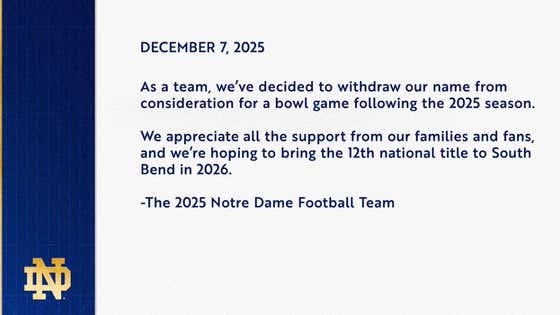
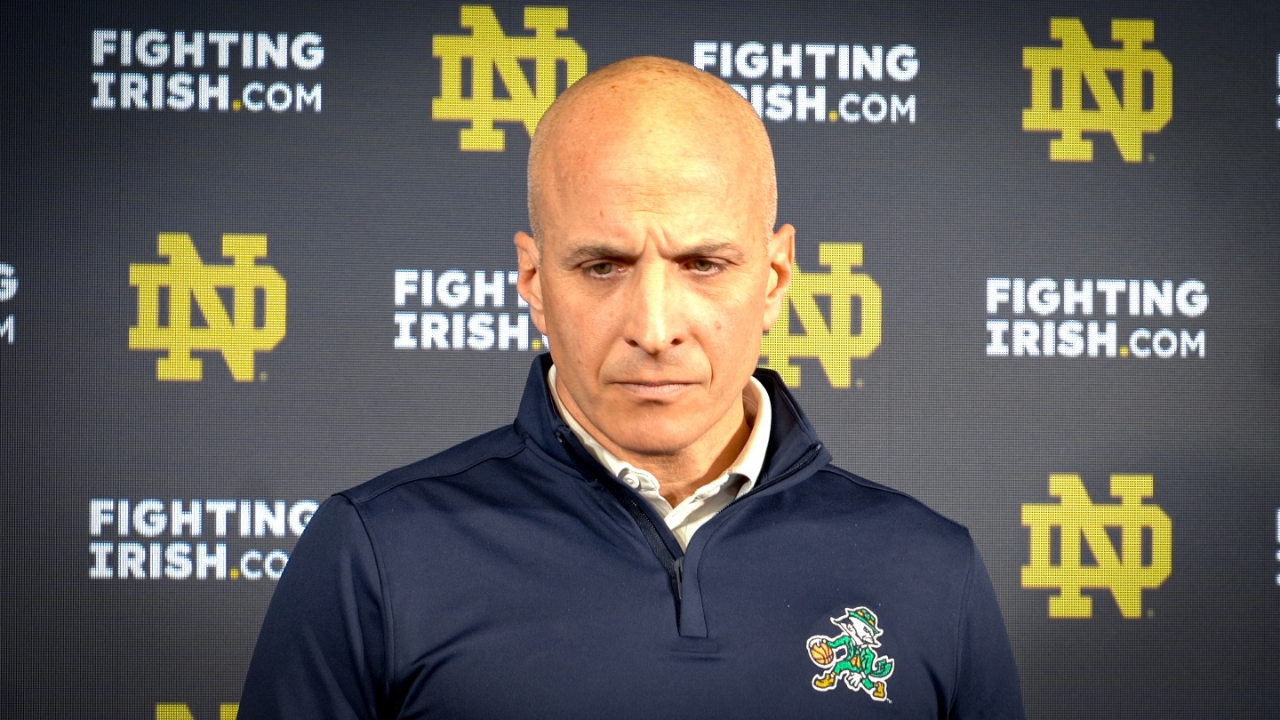
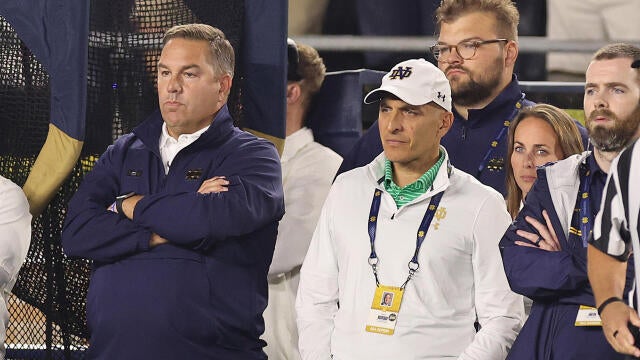
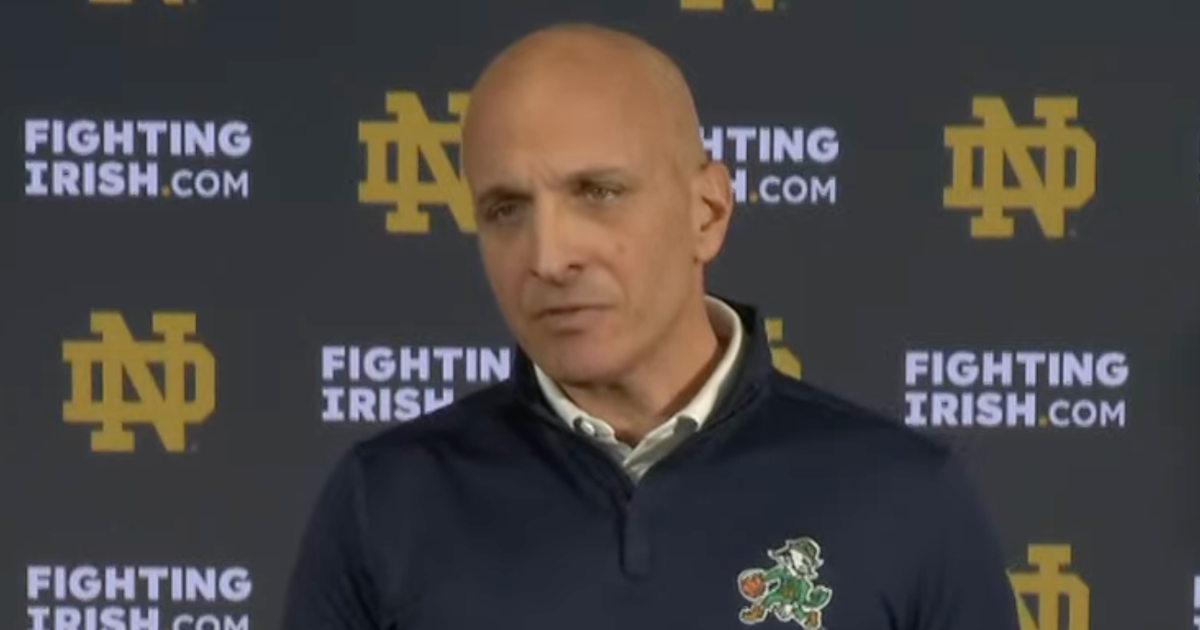
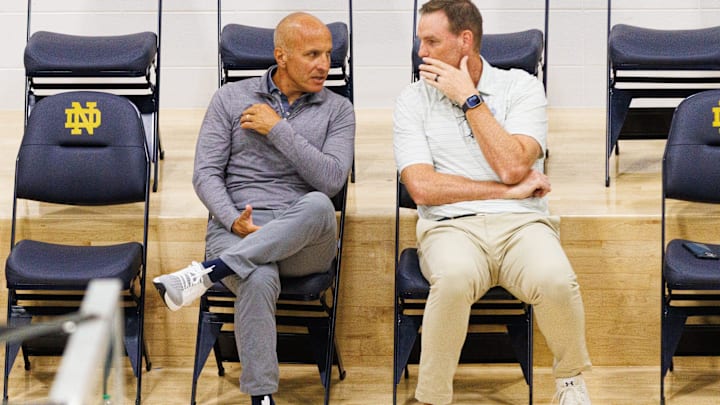
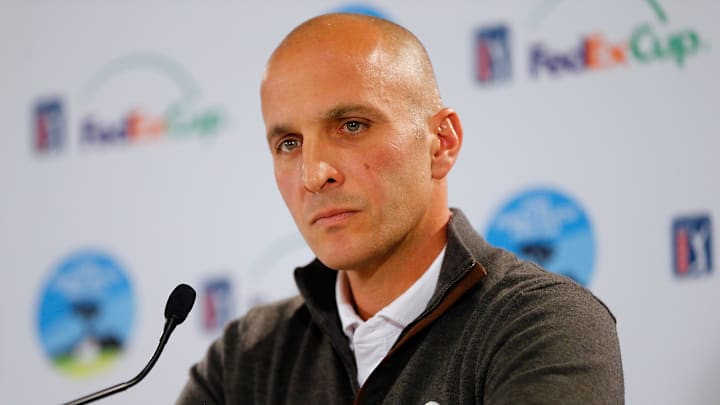
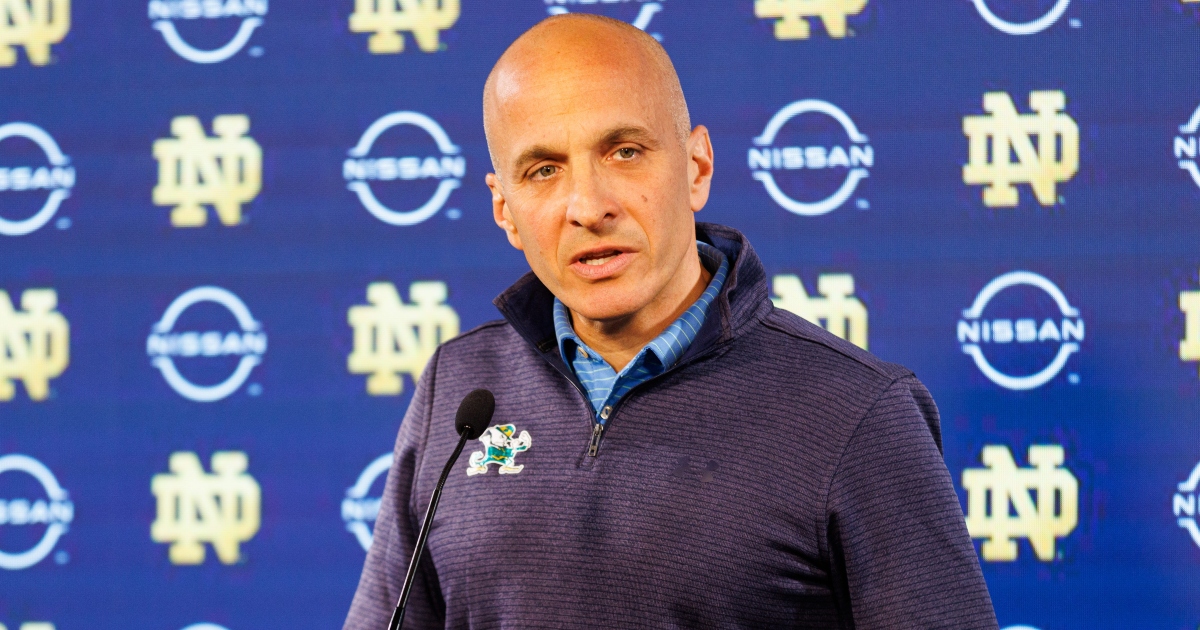
The recent Notre Dame playoff controversy reveals a seismic tension in college football's institutional landscape, where athletic independence is increasingly challenged by complex conference dynamics and playoff selection politics. At the heart of this conflict is Notre Dame Athletic Director Pete Bevacqua's aggressive response to being excluded from the College Football Playoff (CFP), which has triggered a public confrontation that exposes deeper structural vulnerabilities in collegiate sports governance.
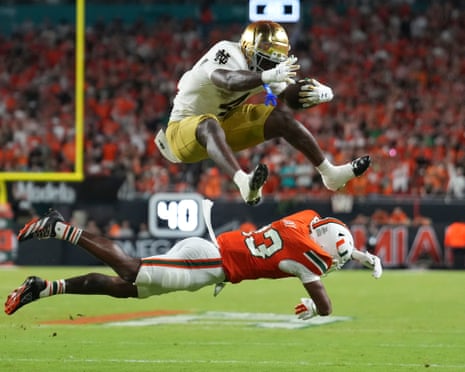
Strategic Independence vs. Systemic Constraints emerge as the core narrative. Despite finishing with a 10-2 record, Notre Dame was passed over for Miami, sparking Bevacqua's claim that the playoff selection process is fundamentally flawed. His characterization of Notre Dame's season as "one of the most dominant 10-game runs in college football history" underscores the university's frustration with a system that seemingly penalizes independent programs.
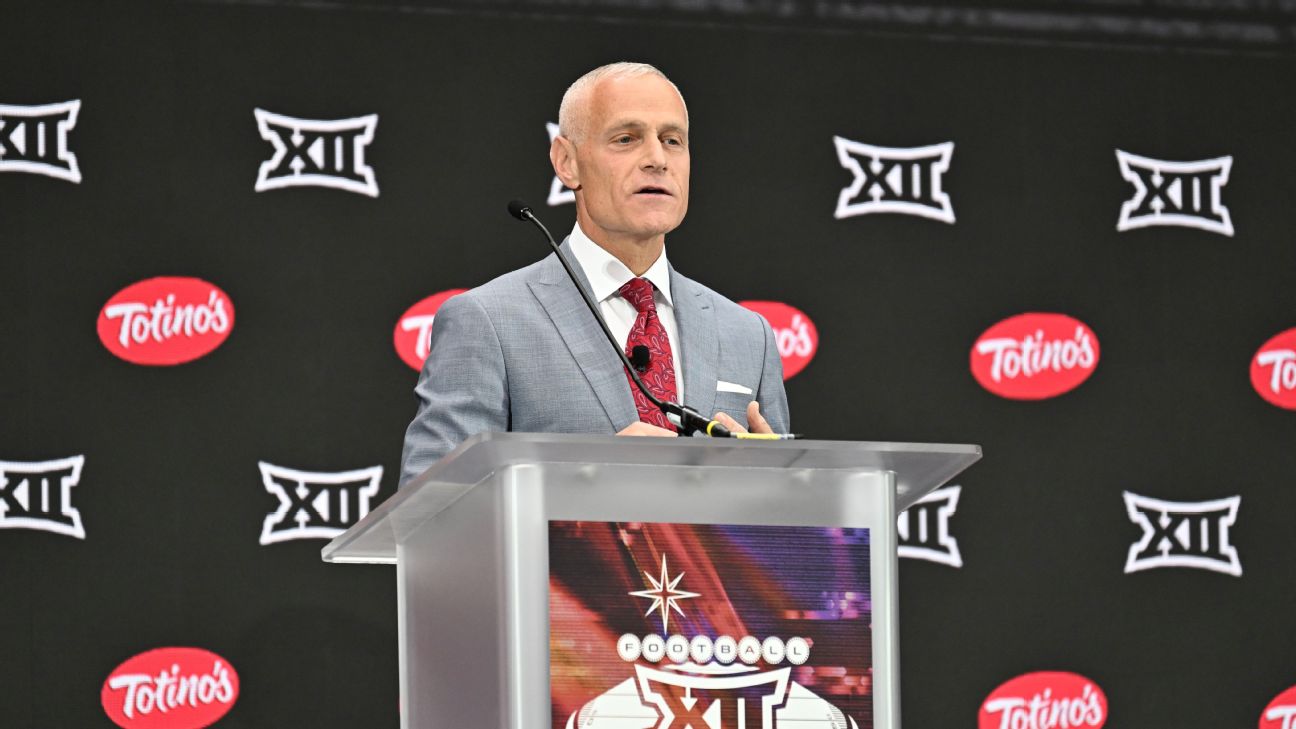
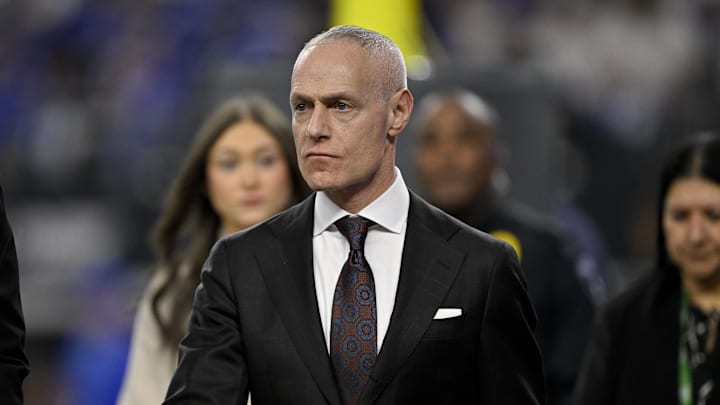
The dispute escalated when Big 12 Commissioner Brett Yormark publicly denounced Bevacqua's behavior as 'egregious', highlighting the interpersonal and institutional tensions underlying the conflict. This public rebuke suggests that Notre Dame's confrontational approach has violated unwritten rules of collegiate sports administration, potentially damaging its relationships across conference leadership.
Institutional Reputation and Conference Dynamics are at stake. Notre Dame remains steadfast in maintaining football independence, viewing conference membership as potentially limiting its competitive strategy. A memorandum of understanding guarantees playoff consideration if ranked in the top 12, but this recent exclusion challenges that arrangement. The potential long-term implications include a possible exodus from the ACC, which would significantly disrupt existing conference structures and television revenue models.
The controversy illuminates the increasingly complex landscape of college sports conferences, where scheduling, television rights, and playoff selections create a volatile ecosystem of competing interests. Notre Dame's stance represents a broader challenge to traditional conference models, suggesting that institutional pride and competitive strategy are becoming more important than conference loyalty.
Questions 4
What does this controversy reveal about college sports governance?
The dispute highlights the complex, politically charged environment of collegiate sports leadership, where institutional reputation, playoff selections, and inter-conference relationships create a volatile ecosystem. It demonstrates that athletic administrators must carefully navigate institutional pride, competitive strategy, and conference politics.
How does Notre Dame's football independence impact its playoff prospects?
While Notre Dame maintains a memorandum of understanding guaranteeing playoff consideration if ranked in the top 12, this recent exclusion challenges that arrangement. The university views its independence as strategically advantageous, providing scheduling flexibility, but the playoff selection process may increasingly penalize non-conference teams.