

Notre Dame's Playoff Rebellion: How Athletic Leadership Challenges College Football's Power Dynamics
- Institutional independence meets conference politics in a high-stakes playoff showdown











Overview
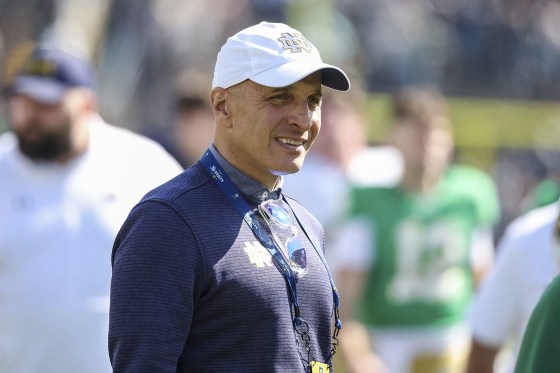
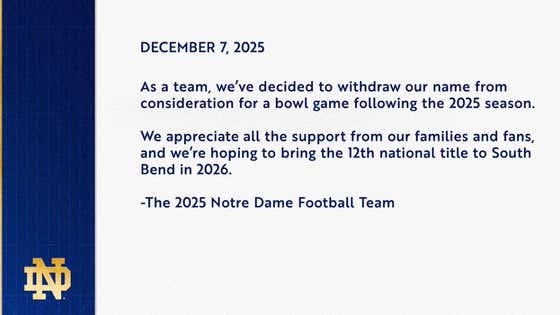
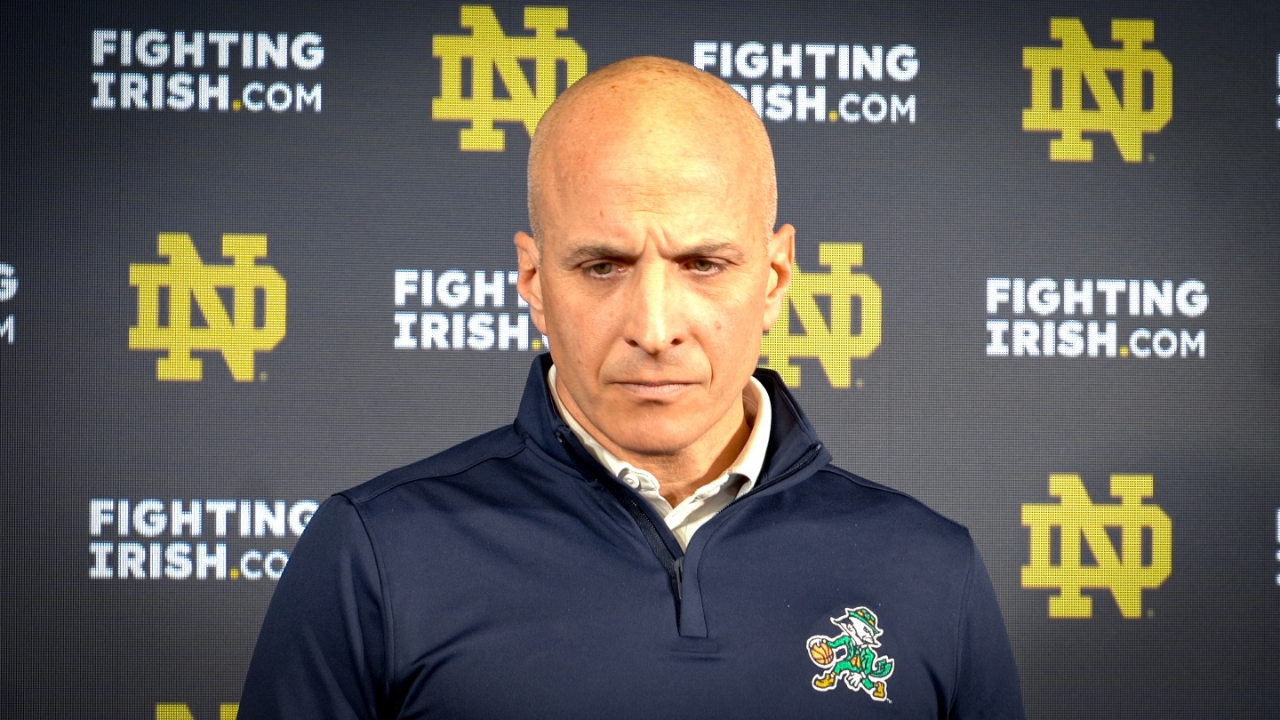
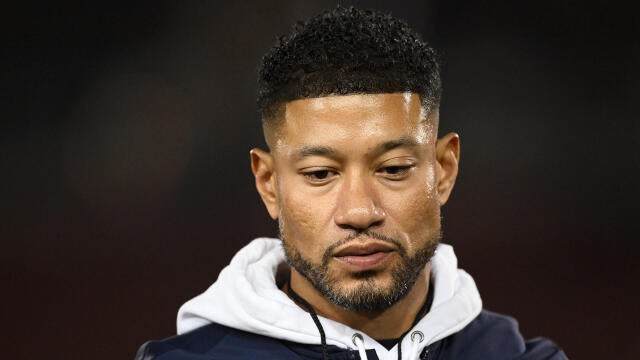
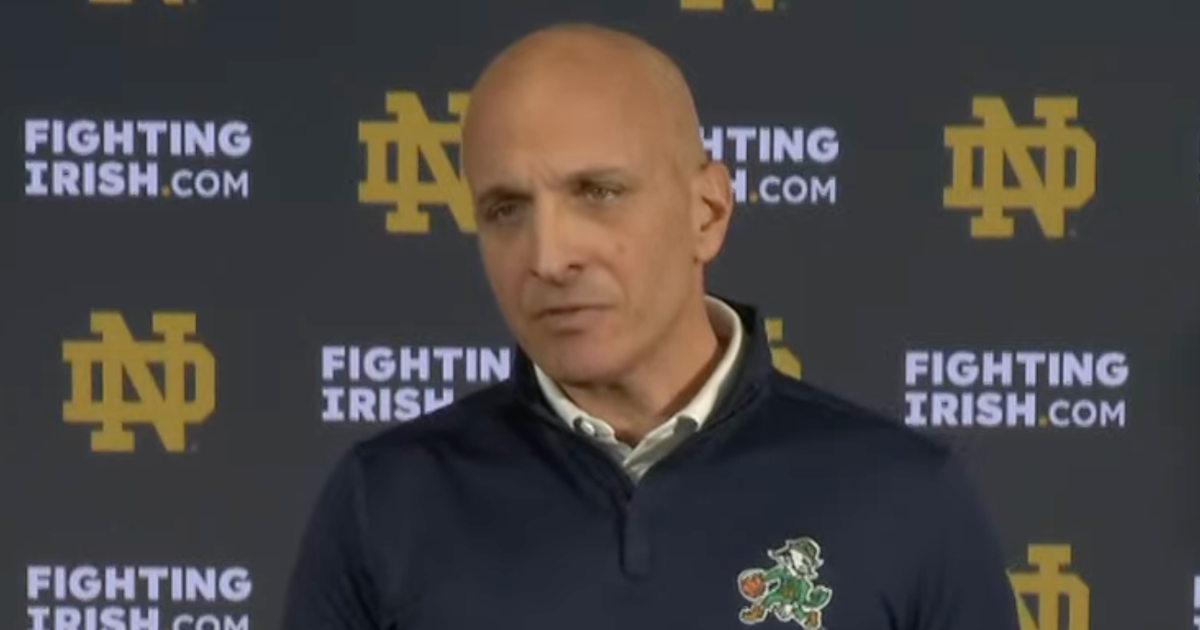
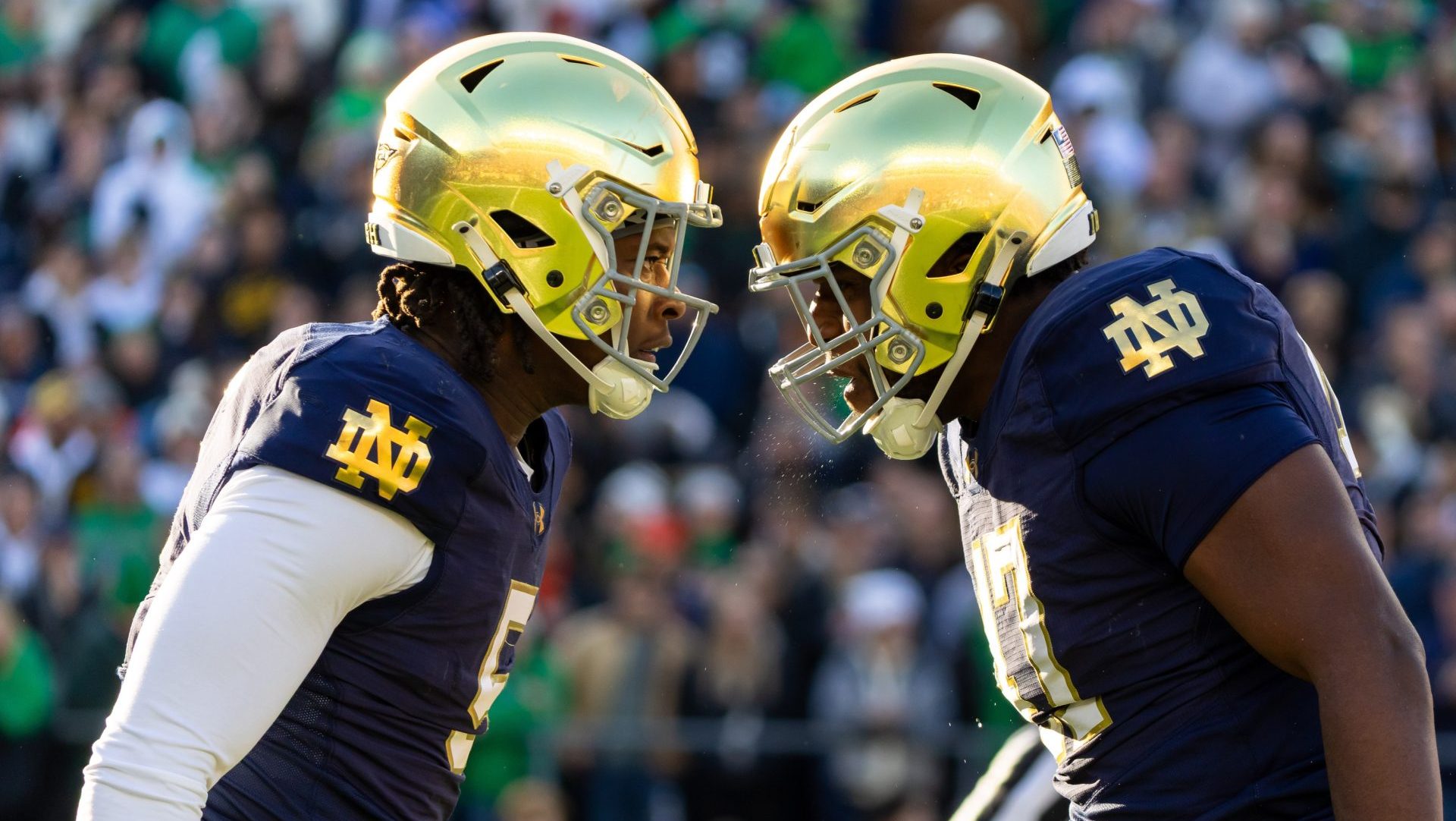
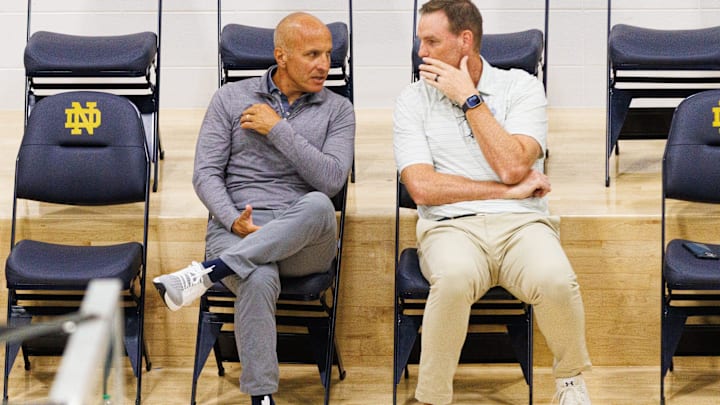
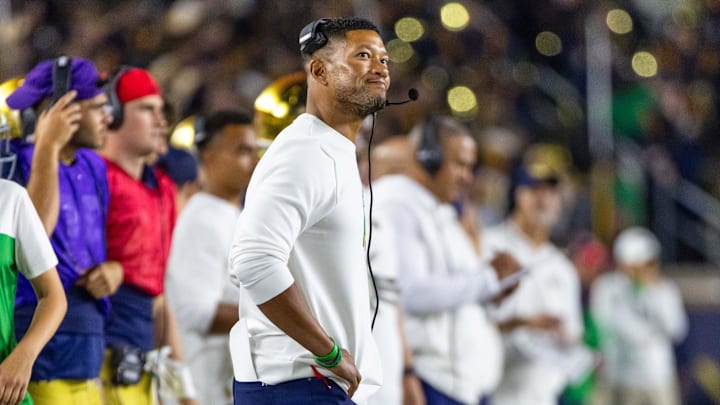
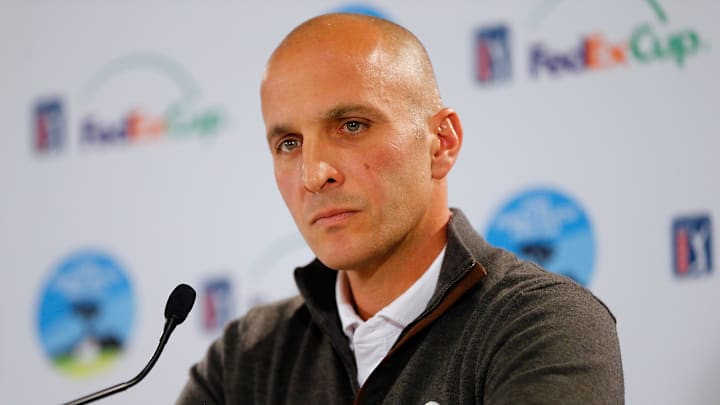
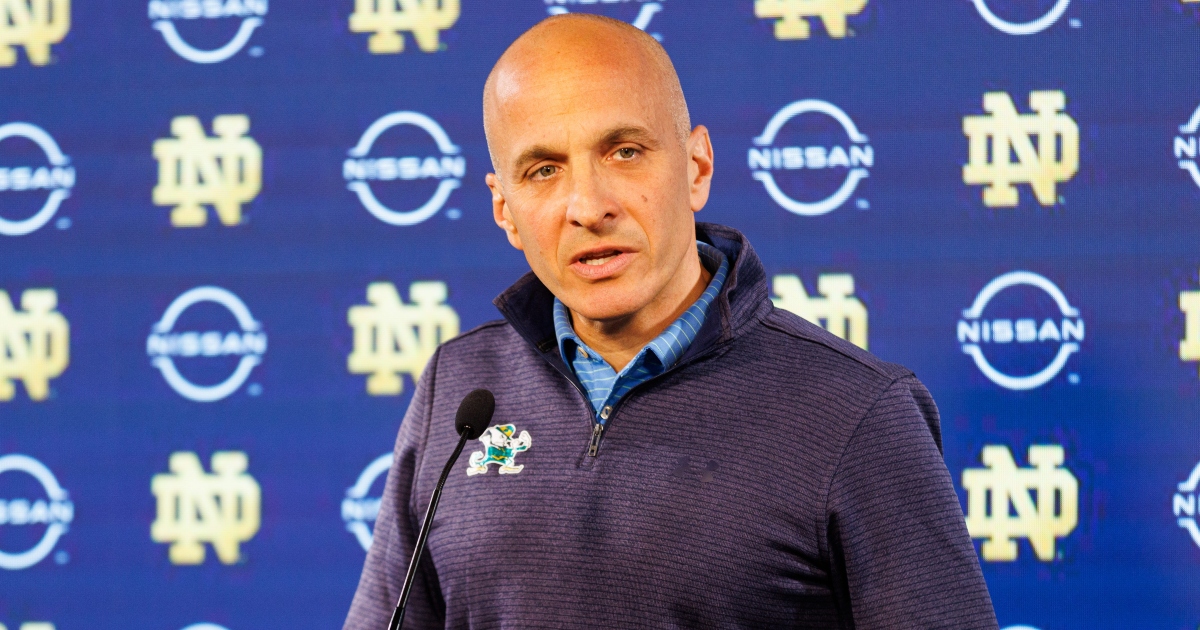
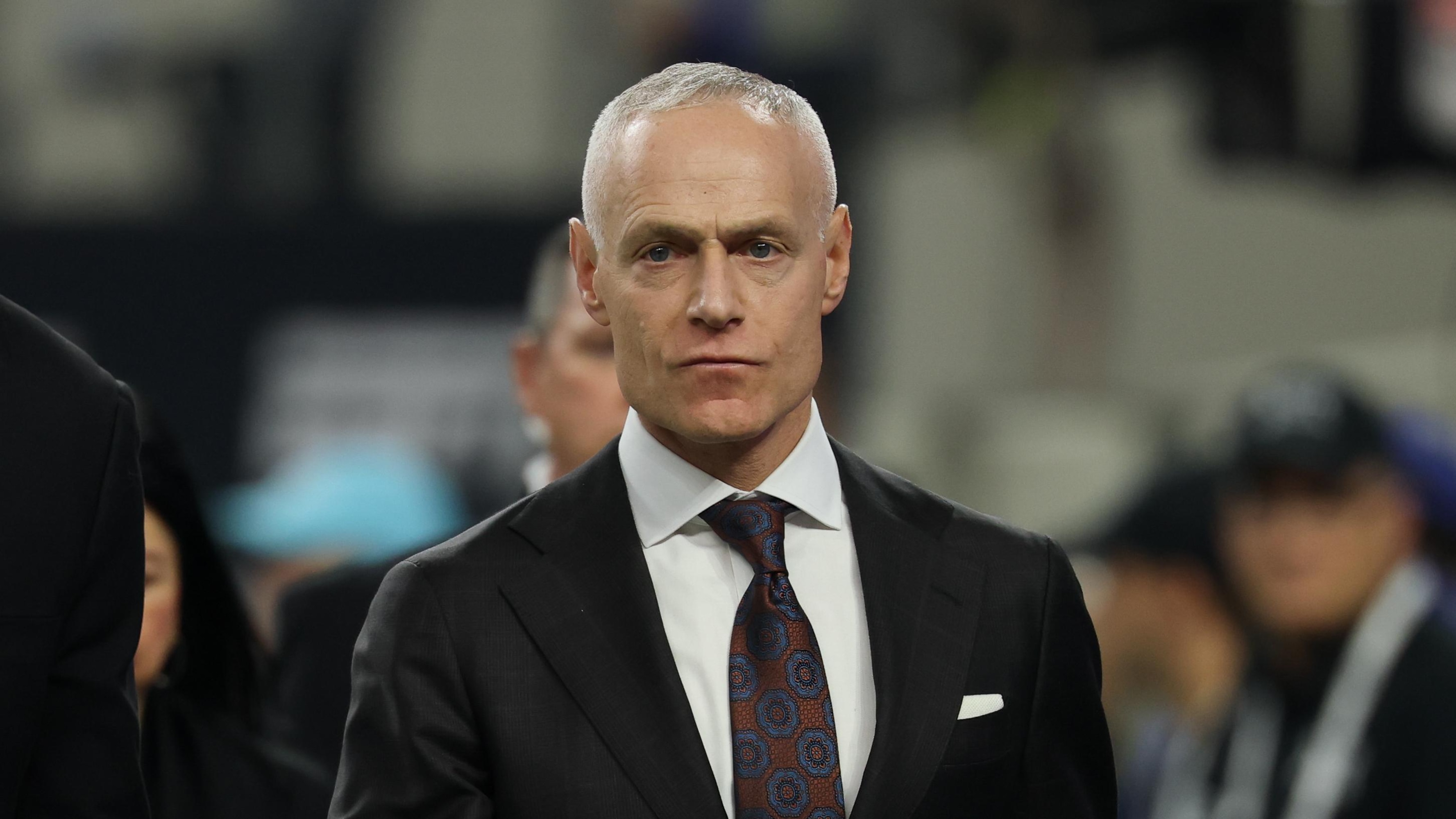
The recent College Football Playoff (CFP) controversy surrounding Notre Dame reveals a profound tension at the heart of collegiate athletics: the delicate balance between institutional autonomy and conference power structures. Notre Dame's athletic director Pete Bevacqua has emerged as a pivotal figure challenging the established playoff selection ecosystem, transforming what could have been a routine exclusion into a strategic confrontation that exposes deeper systemic vulnerabilities.
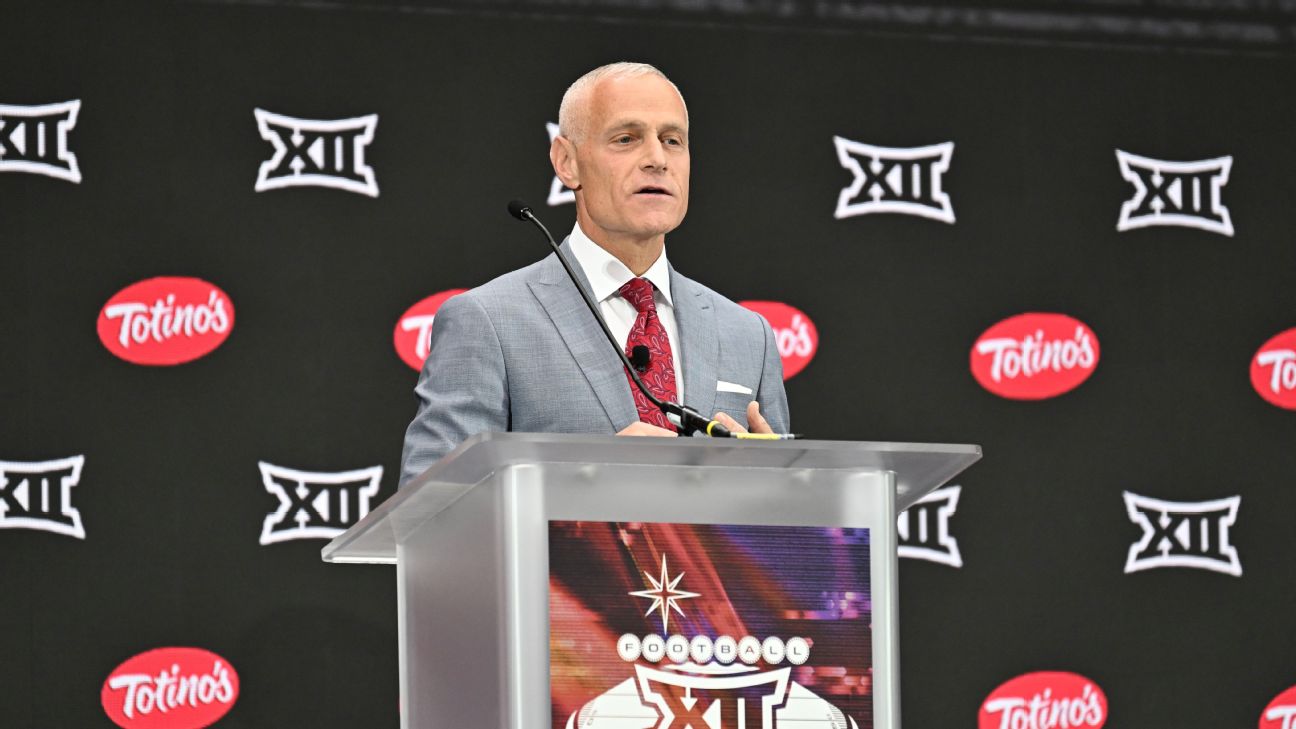
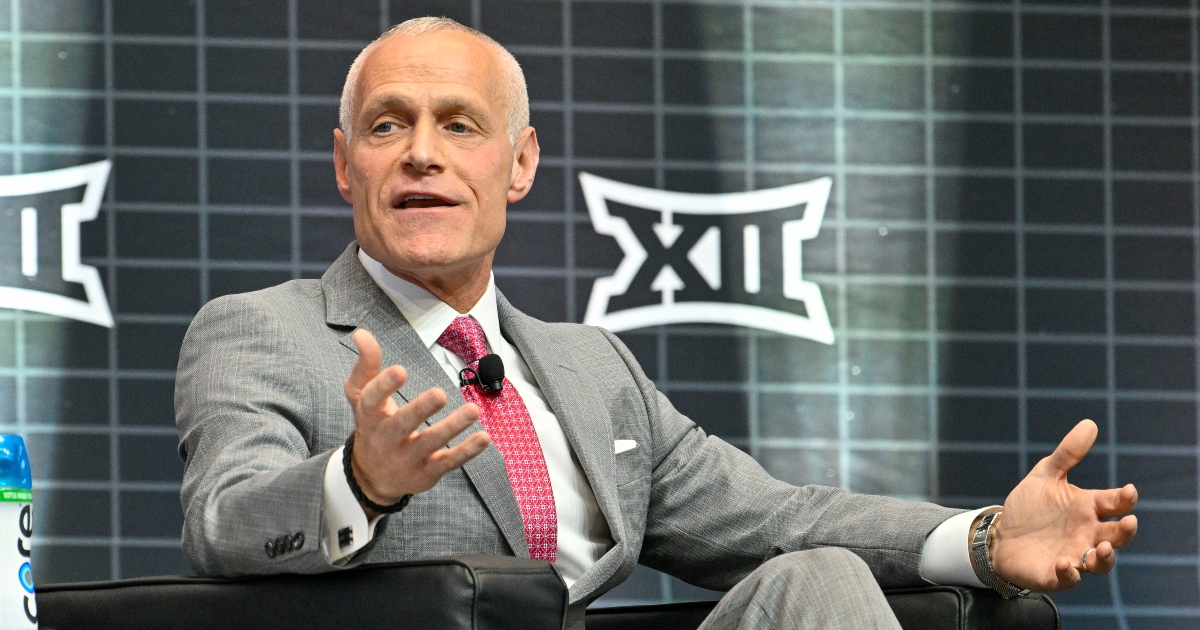
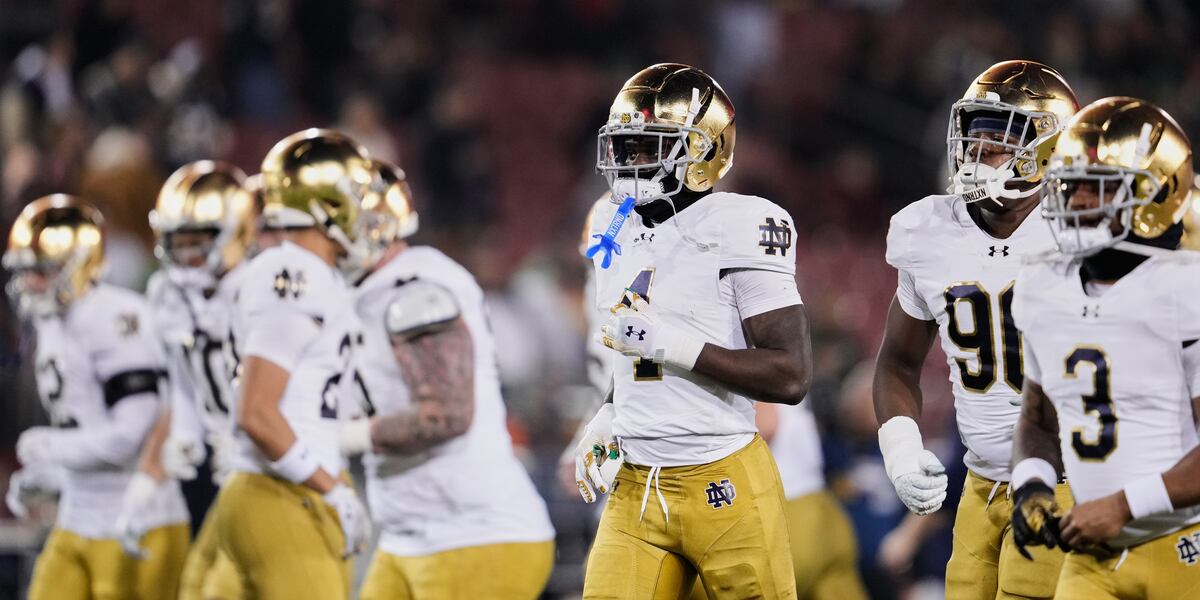
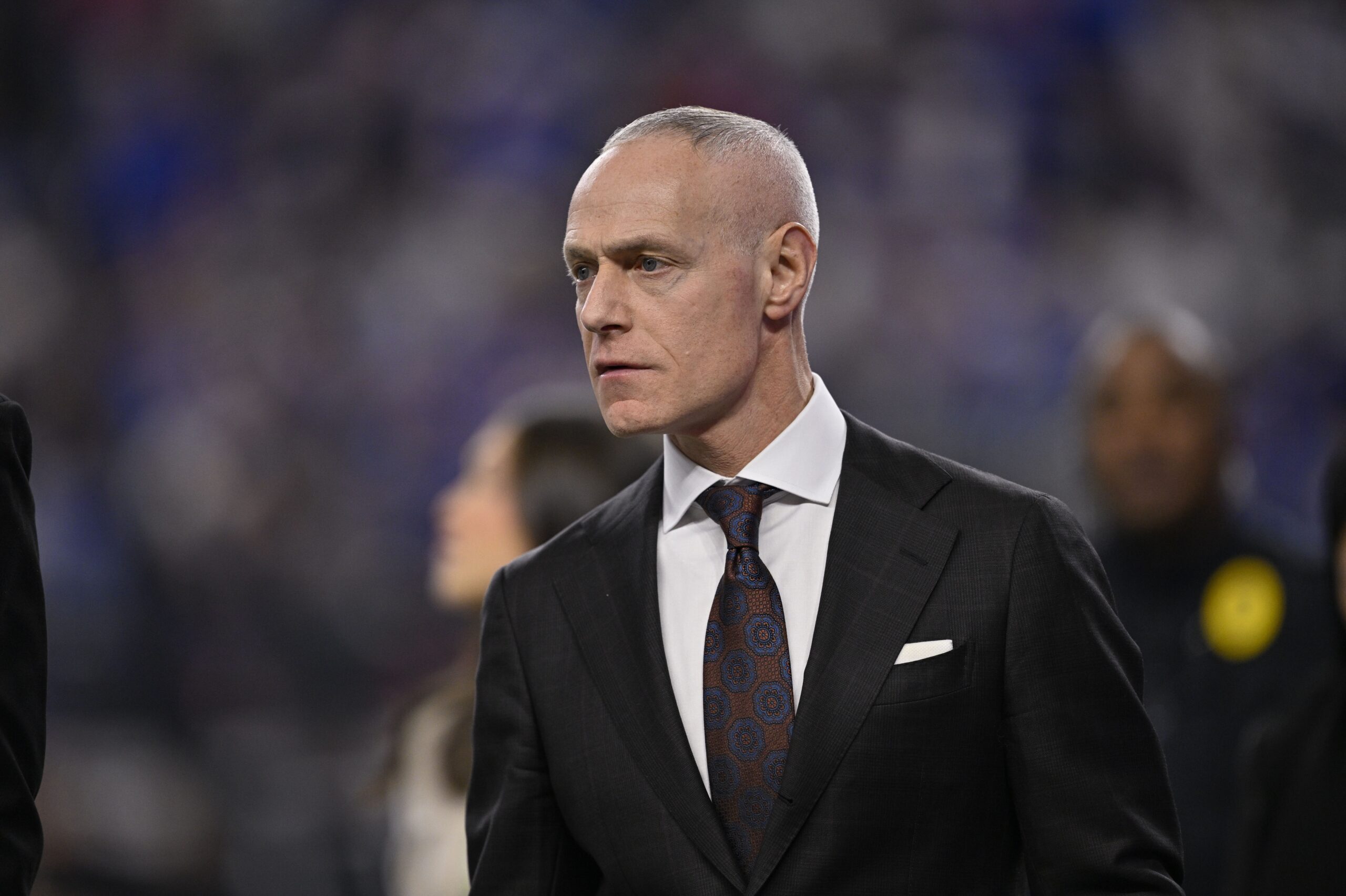
At the core of this dispute is Notre Dame's 10-2 season and subsequent playoff rejection, which Bevacqua dramatically characterized as a "stolen" opportunity from student-athletes. By publicly criticizing the ACC and calling the weekly ranking shows a "farce", he has transformed an administrative decision into a broader narrative about fairness and institutional representation. The Big 12 Commissioner Brett Yormark's swift and public condemnation of Bevacqua's approach as "egregious" further illuminates the high-stakes interpersonal dynamics within collegiate sports leadership.
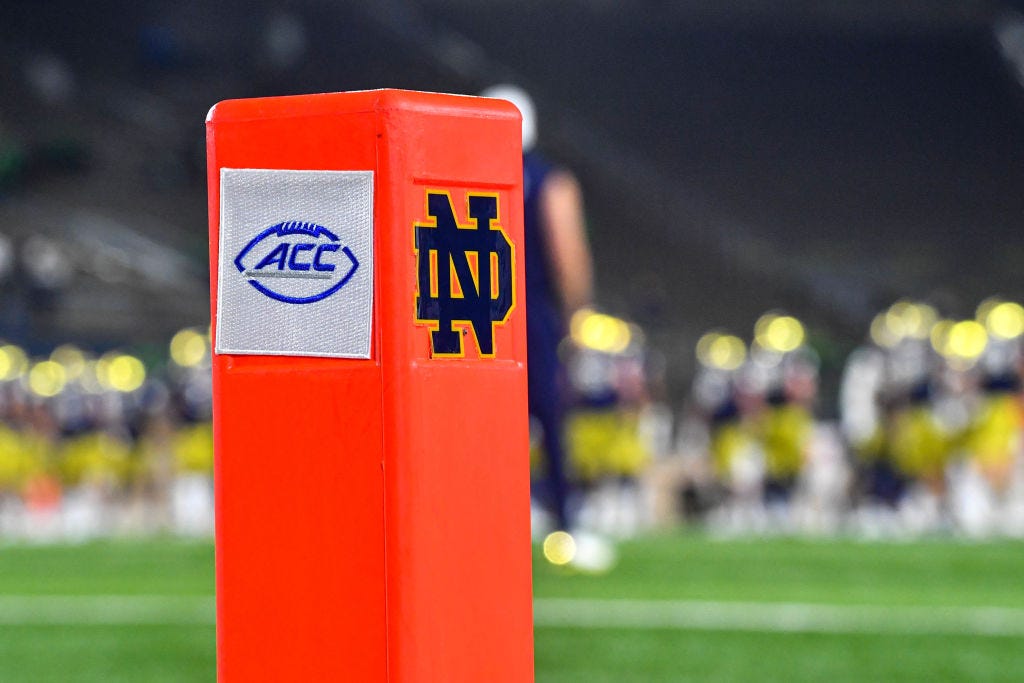
The controversy transcends a single playoff selection, signaling a potential inflection point for independent athletic programs. Notre Dame's steadfast commitment to football independence—described by Bevacqua as "part of their DNA"—represents a strategic model that challenges traditional conference affiliations. Their current arrangement with the ACC, coupled with a memorandum guaranteeing playoff consideration if ranked in the top 12, demonstrates a nuanced approach to maintaining competitive flexibility.
The long-term implications are significant. The potential for a Notre Dame "exodus" from the ACC could reshape conference dynamics, television revenue models, and scheduling strategies. With Notre Dame's matchups generating substantial viewer interest and the university contributing to an 18-program conference, any departure would send ripple effects through collegiate sports governance.
Ultimately, this controversy illuminates the complex political landscape of college football, where institutional reputation, playoff positioning, and leadership advocacy intersect in increasingly unpredictable ways. Bevacqua's aggressive stance suggests a new era of athletic leadership—one willing to publicly challenge established systems and negotiate more assertively on behalf of their institution.
Questions 4
How might this controversy impact future playoff selections?
The public dispute highlights potential flaws in the current selection process. Notre Dame's advocacy for a 5-11 playoff format with more at-large bids could influence future playoff expansions, particularly for independent teams seeking more transparent selection criteria.
Could Notre Dame potentially leave the ACC?
The current tension suggests a possible conference exodus. Bevacqua claimed the ACC caused 'permanent damage' to their relationship, and the university remains committed to football independence. While no immediate departure is confirmed, the strain indicates potential future realignment.