




Precious Metals Volatility Reshapes Cross-Border Seller Costs | March 2026
- Oil prices surge 2.78% to $98.81, shipping costs rise 8-15% for sellers; higher interest rates increase inventory financing costs 150-300 basis points

















Overview
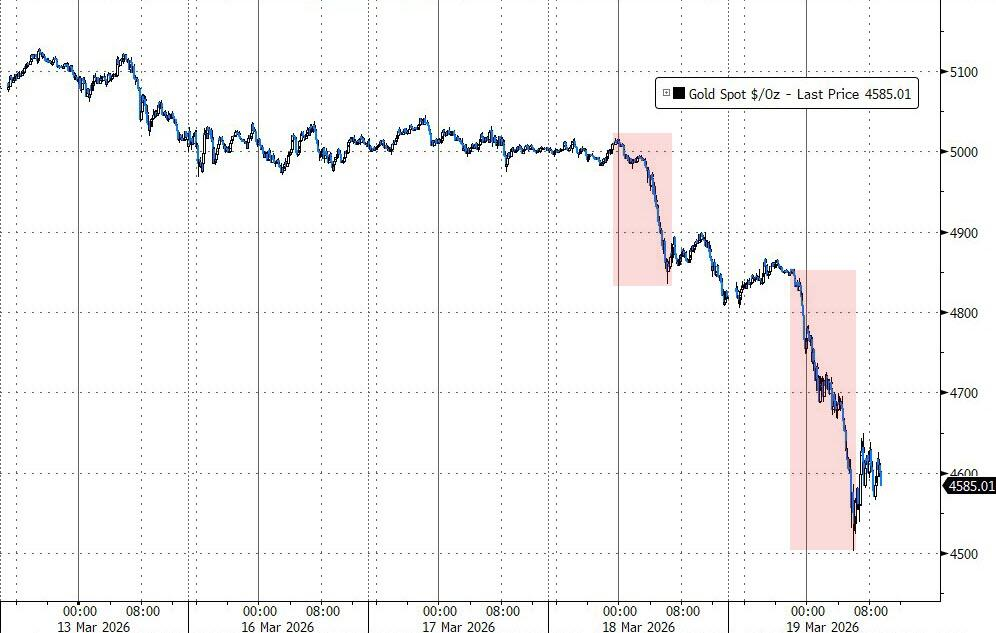
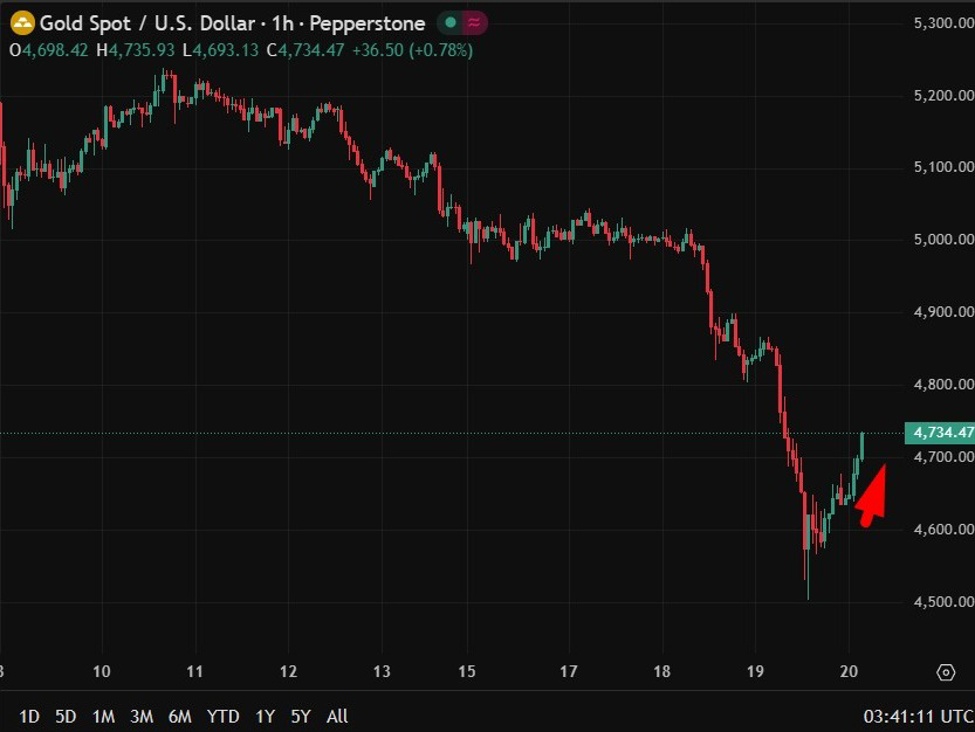
Precious metals markets experienced severe volatility during March 19-20, 2026, with gold declining 6-9% weekly and silver dropping over 10%, driven by escalating Middle East tensions and the Federal Reserve's "higher-for-longer" interest rate stance. This macroeconomic shift creates cascading financial pressures on cross-border e-commerce sellers through three critical channels: elevated shipping costs, constrained working capital access, and compressed consumer purchasing power.
Shipping Cost Inflation Directly Impacts Logistics Expenses. Crude oil prices surged to $98.81 (up 2.78%), with geopolitical tensions in the Middle East creating sustained supply concerns. For cross-border sellers, fuel surcharges on international shipping typically increase 8-15% when oil prices rise above $95/barrel. A seller shipping 500 units monthly via air freight from China to the US faces incremental costs of $400-800/month; ocean freight sellers see $200-400 monthly increases. These costs compound across Q2-Q3 peak seasons when shipping volumes peak. Sellers must immediately audit freight contracts for fuel surcharge clauses and consider locking in rates through forward contracts with 3PL providers like DHL Global Forwarding or Flexport before further escalation.
Higher Interest Rates Compress Working Capital and Financing Access. The Federal Reserve's commitment to elevated rates (reflected in the 4.387% 10-year yield) increases borrowing costs for inventory financing by 150-300 basis points. Sellers relying on inventory loans, purchase order financing, or supply chain finance products face APR increases from 6-8% to 8-11%. For a seller with $100K inventory financed through trade finance, this represents $2,000-3,000 additional annual interest expense. More critically, lenders are tightening approval criteria—traditional inventory lenders like Fundbox and Clearco are raising minimum revenue thresholds and reducing advance rates. Sellers should immediately explore alternative financing: invoice factoring (60-75% advance rates at 2-4% monthly fees), supply chain finance platforms like Tradeshift or Coupa, and regional banking options in Singapore or Hong Kong where rates remain 100-150 basis points lower than US equivalents.
Consumer Purchasing Power Deteriorates Amid Inflation Concerns. The precious metals selloff reflects rising inflation expectations (gold down 9% weekly despite historical safe-haven demand). This signals consumer confidence erosion, particularly in discretionary categories. Sellers in jewelry, luxury goods, home décor, and electronics should expect 5-12% demand softening in Q2 2026. Conversely, value-oriented categories (budget apparel, home essentials, food products) may see relative strength. The S&P 500 decline (1.51%) and Nasdaq drop (2.01%) indicate broader equity market weakness, reducing consumer wealth and discretionary spending. Sellers should immediately rebalance inventory allocation: reduce SKUs in high-margin discretionary categories by 20-30%, increase allocation to essential/value products, and implement dynamic pricing strategies that capture margin compression through volume growth.
Questions 7
How much will my shipping costs increase if oil prices stay above $95 per barrel?
Shipping costs typically increase 8-15% when crude oil exceeds $95/barrel due to fuel surcharges applied by carriers. For air freight from Asia to North America, expect $400-800 monthly increases per 500-unit shipment; ocean freight sellers see $200-400 monthly incremental costs. Most 3PL contracts include fuel surcharge clauses that adjust automatically. Lock in rates immediately through forward contracts with providers like Flexport or DHL Global Forwarding before further escalation. Monitor the Energy Information Administration's weekly crude oil reports to anticipate surcharge adjustments 2-3 weeks in advance.
What financing options are available if inventory loan APRs increase 150-300 basis points?
Traditional inventory lenders like Fundbox and Clearco are raising rates from 6-8% to 8-11% APR as the Federal Reserve maintains elevated rates. Alternative options include: (1) Invoice factoring at 2-4% monthly fees with 60-75% advance rates, (2) Supply chain finance platforms like Tradeshift offering 30-60 day payment terms at lower costs, (3) Regional banking in Singapore/Hong Kong where rates run 100-150 basis points lower than US equivalents, (4) Supplier financing programs that extend payment terms 30-60 days interest-free. For a $100K inventory position, these alternatives can save $2,000-3,000 annually versus traditional loans.