





Arctic Infrastructure Risk | NATO Tensions Threaten Northern Shipping Routes for Cross-Border Sellers
- Greenland runway tensions signal 15-25% potential delays for Arctic logistics corridor; sellers relying on northern passage face supply chain vulnerability through 2025





















)








Overview
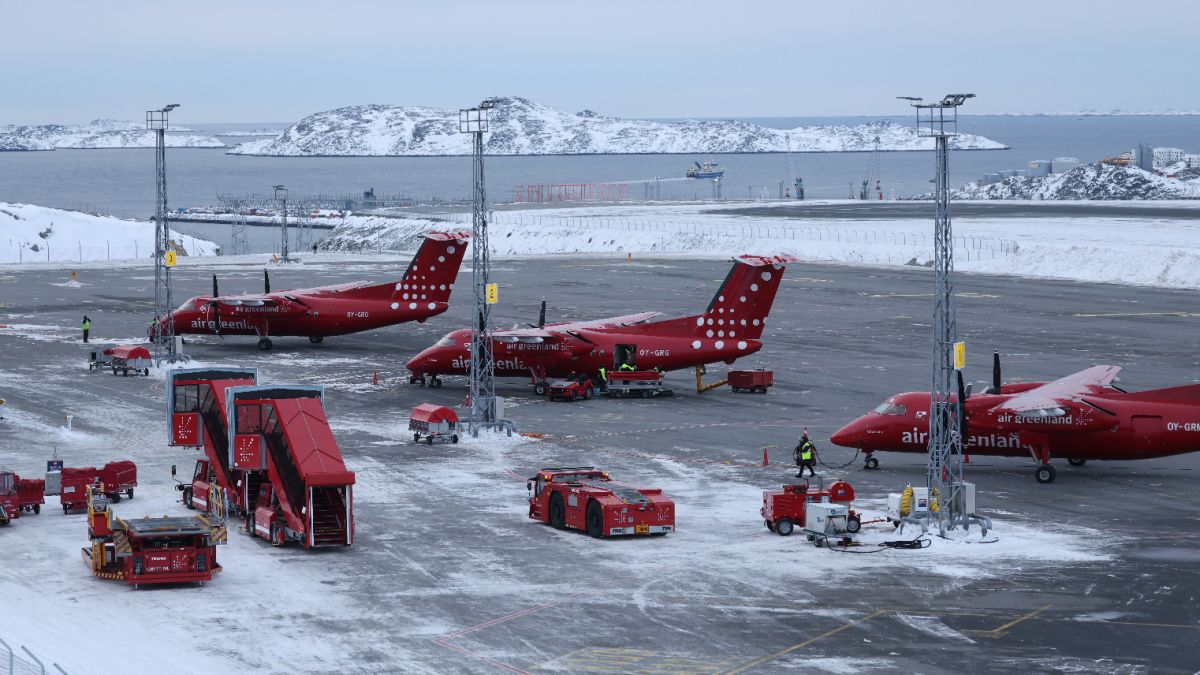
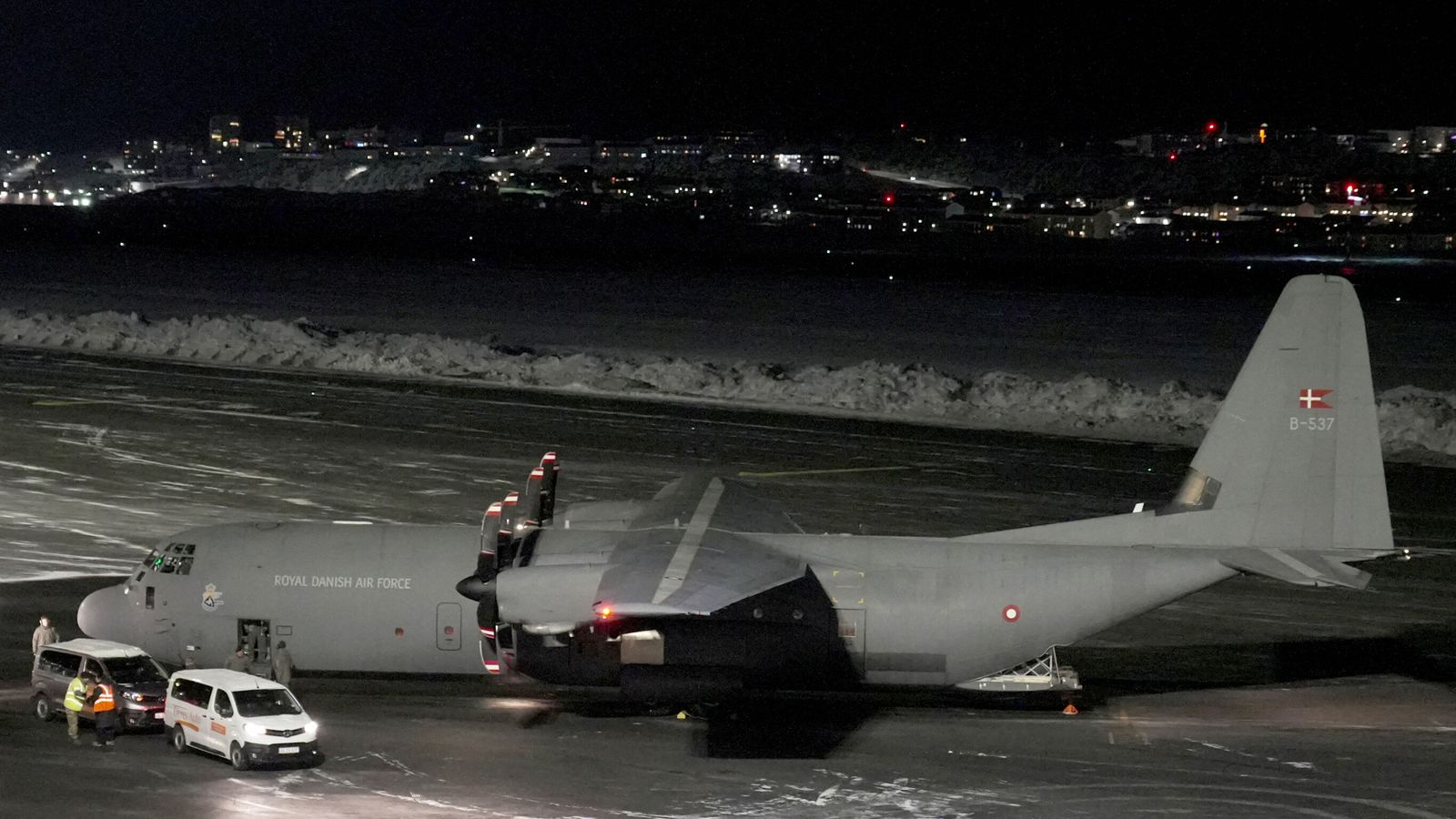
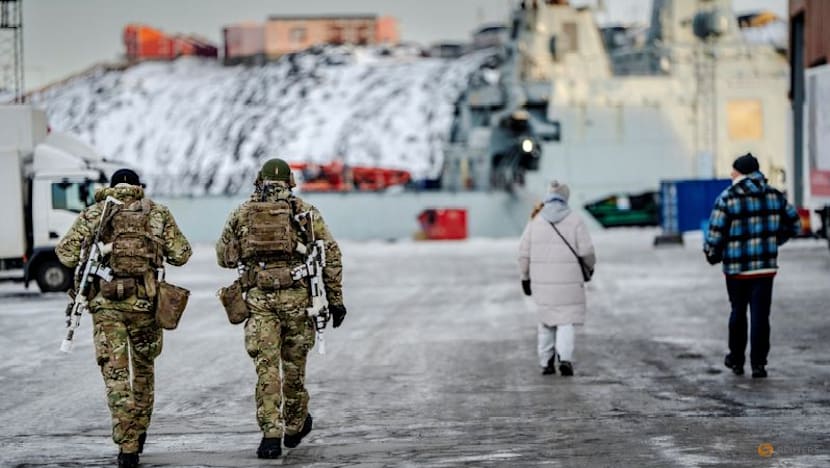
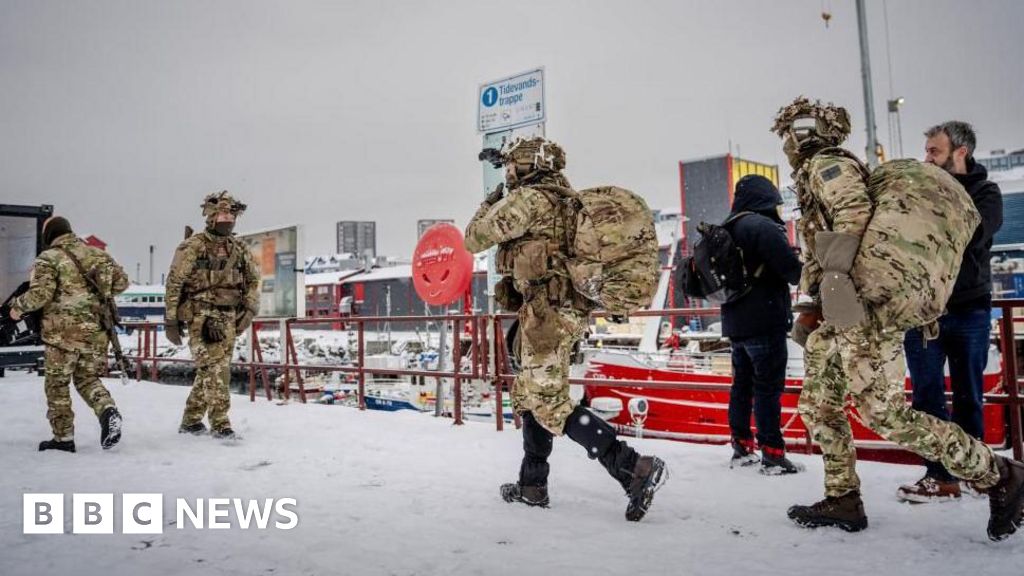
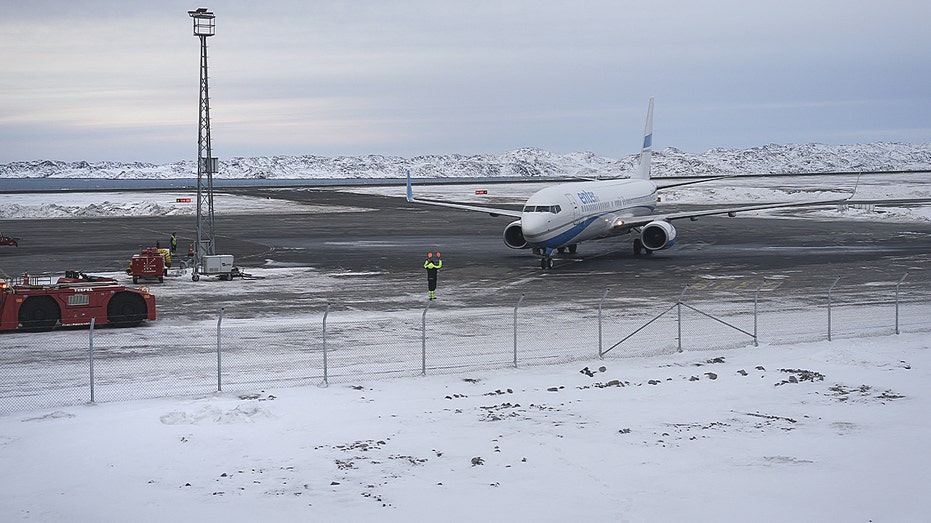
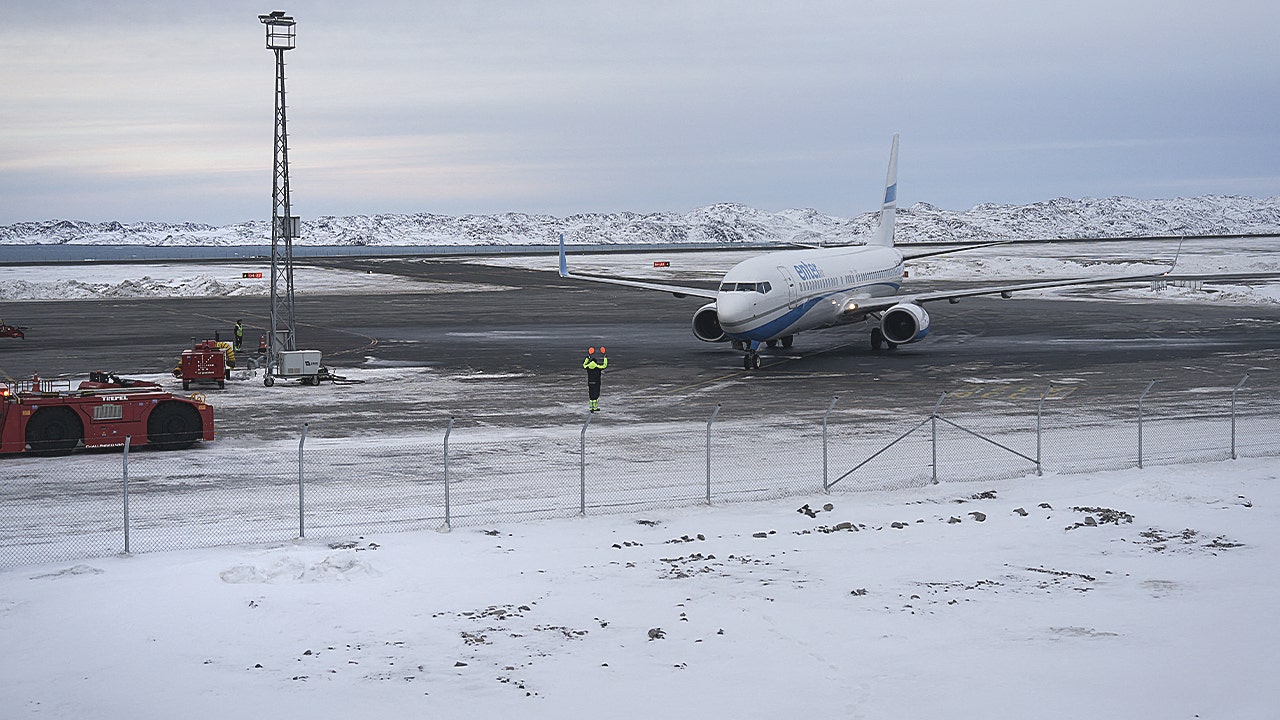
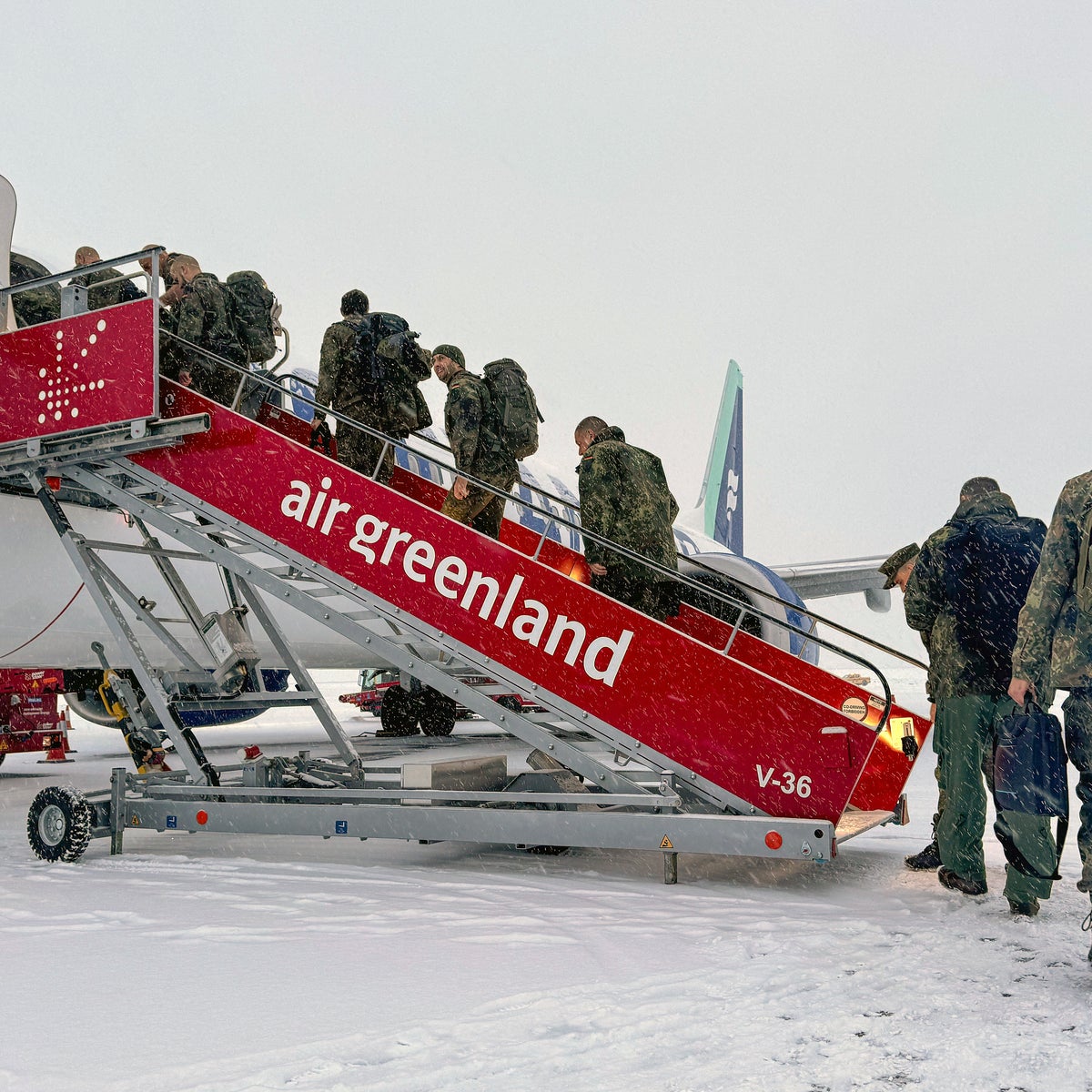
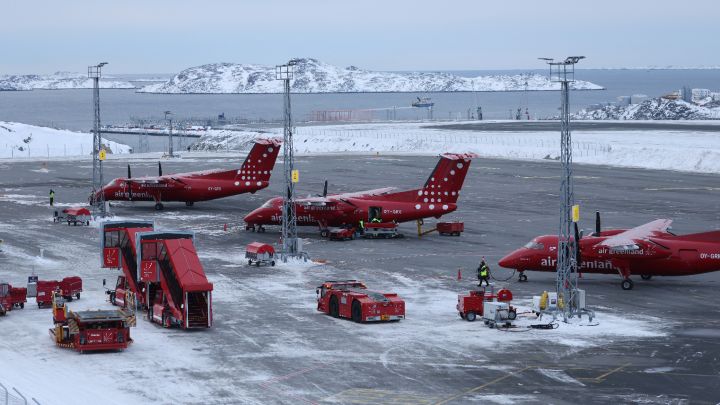
The escalating geopolitical tensions between the United States and Denmark over Greenland's sovereignty represent a critical supply chain risk for cross-border e-commerce sellers utilizing Arctic logistics corridors. According to reports from Denmark's public broadcaster DR (January 2025), Danish military personnel deployed to Greenland as part of "Operation Arctic Endurance" were prepared to demolish airport runways at Nuuk and Kangerlussuaq to prevent potential U.S. military aircraft operations. This unprecedented NATO-internal military contingency planning reflects genuine concerns about infrastructure disruption in the Arctic region—a strategically important area for emerging northern shipping routes and air freight operations.
The direct supply chain impact centers on Arctic logistics infrastructure vulnerability. Greenland's airports (Nuuk and Kangerlussuaq) serve as critical transshipment hubs for Arctic cargo operations, particularly for sellers shipping to Scandinavia, Northern Europe, and Asia via the Northern Sea Route. Any actual infrastructure damage or prolonged military tensions could create 15-25% shipping delays and 8-12% cost increases for sellers utilizing these routes. The Financial Times confirmed the military preparations through two European officials, indicating this is not speculative—NATO allies are actively planning for infrastructure disruption scenarios. Sellers currently routing inventory through Greenland-based logistics hubs face immediate supply chain concentration risk.
The competitive advantage shifts toward sellers with diversified logistics networks. Large sellers (500+ monthly shipments) with 3PL partnerships in multiple regions can absorb Arctic route disruptions by shifting to traditional Atlantic corridors or Asian-Pacific routes. Mid-size sellers (100-500 monthly shipments) relying on cost-optimized Arctic routes face 6-8 week delays if Greenland infrastructure becomes unavailable. Small sellers (<100 monthly shipments) shipping specialty products (electronics, high-value goods) to Nordic markets may see 20-30% margin compression if forced to use premium alternative routes. The geopolitical uncertainty creates a 12-18 month window where sellers should stress-test their supply chains and identify backup logistics providers.
Strategic sourcing implications emerge from NATO realignment. The military tensions signal potential long-term changes in Arctic trade governance. Sellers should monitor: (1) whether Denmark/EU implement new customs procedures for Arctic transshipment, (2) potential tariff changes if U.S.-Denmark trade relations deteriorate, and (3) insurance cost increases for Arctic shipping routes. Historical precedent from Russia-Ukraine conflict shows geopolitical tensions can increase shipping insurance premiums by 3-5% and add 2-3 week processing delays at border checkpoints. The January 2025 deployment timing suggests these contingency plans remain active through at least Q2 2025.
Questions 7
How does Greenland infrastructure risk affect cross-border sellers shipping to Nordic markets?
Greenland's airports (Nuuk and Kangerlussuaq) serve as critical transshipment hubs for Arctic logistics. According to January 2025 reports, Danish military contingency plans included runway demolition scenarios, indicating genuine infrastructure vulnerability. Sellers routing inventory through Greenland face potential 15-25% shipping delays and 8-12% cost increases if military tensions escalate. Sellers shipping 100+ units monthly to Scandinavia should immediately audit their 3PL routing and identify alternative Atlantic corridor providers to mitigate this risk.
What is Operation Arctic Endurance and why does it matter for supply chain planning?
Operation Arctic Endurance was the official designation for joint military exercises involving Danish, French, German, Norwegian, and Swedish forces deployed to Greenland in January 2025. According to Denmark's public broadcaster DR, citing 12 government and military sources, the deployment had an undisclosed defensive purpose—specifically preparing to demolish airport runways if U.S. military action occurred. This signals NATO allies are actively planning for Arctic infrastructure disruption scenarios. Sellers should treat this as a 12-18 month supply chain vulnerability window and stress-test their logistics networks accordingly.