


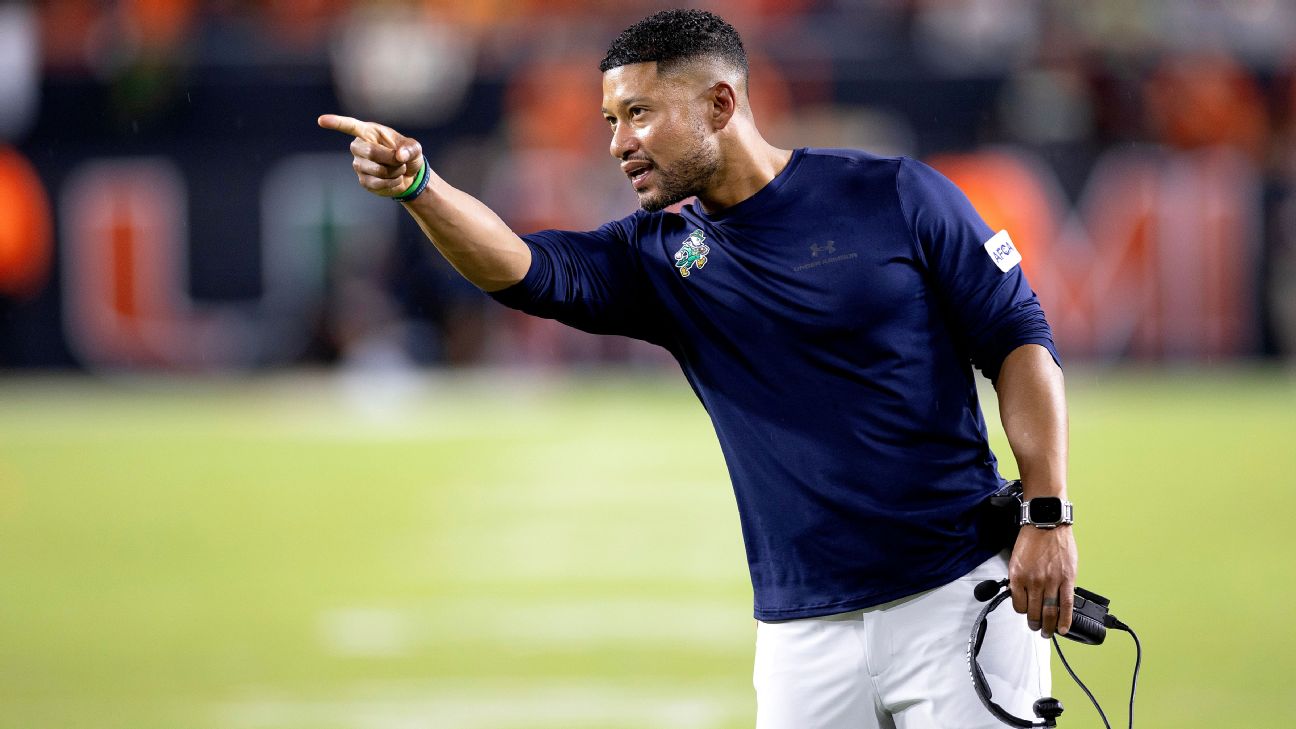
College Football's Power Play: Notre Dame's Playoff Rebellion Exposes Conference Fault Lines
- Institutional independence meets systemic pressure in high-stakes athletic governance




















Overview
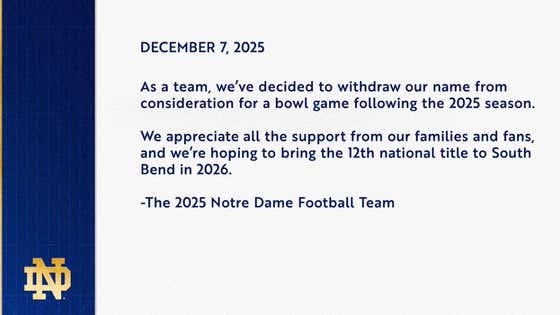
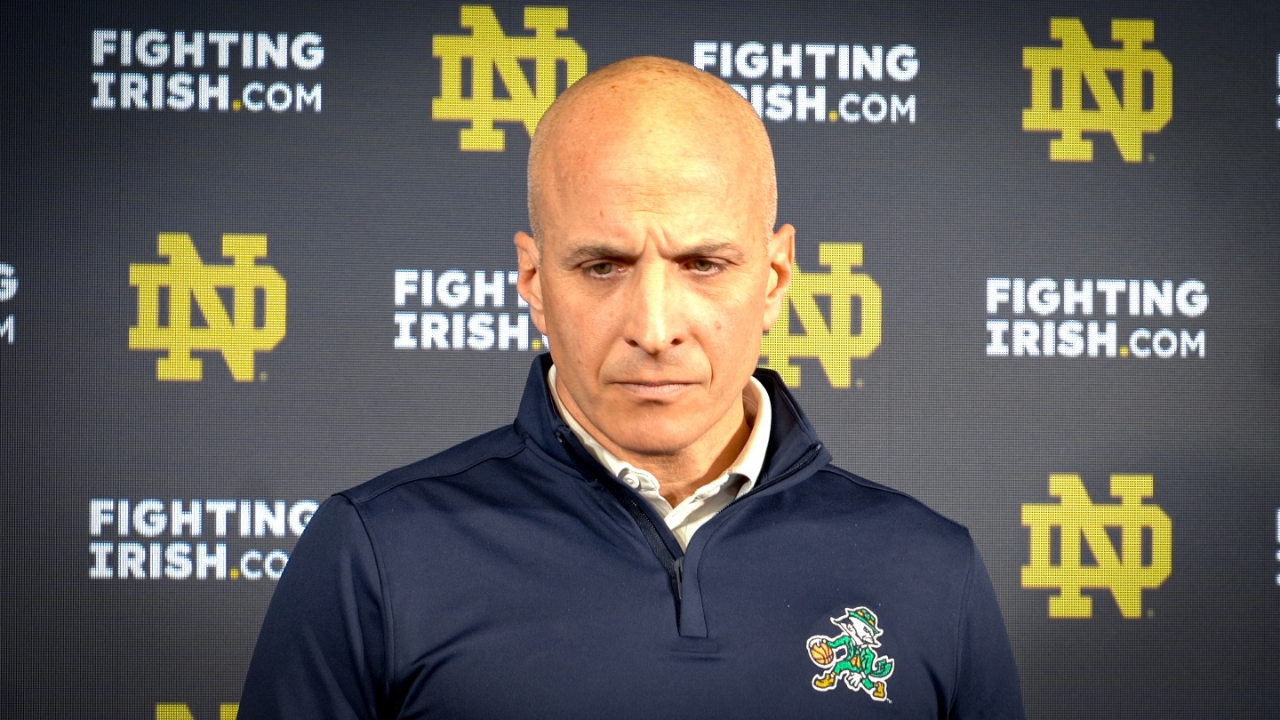
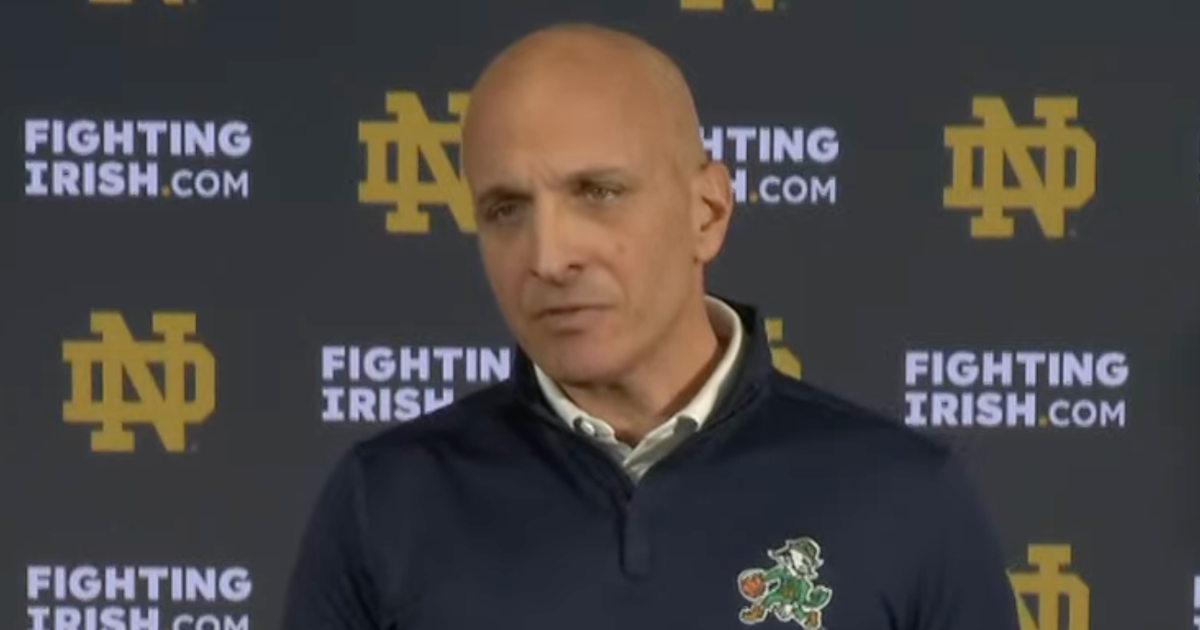
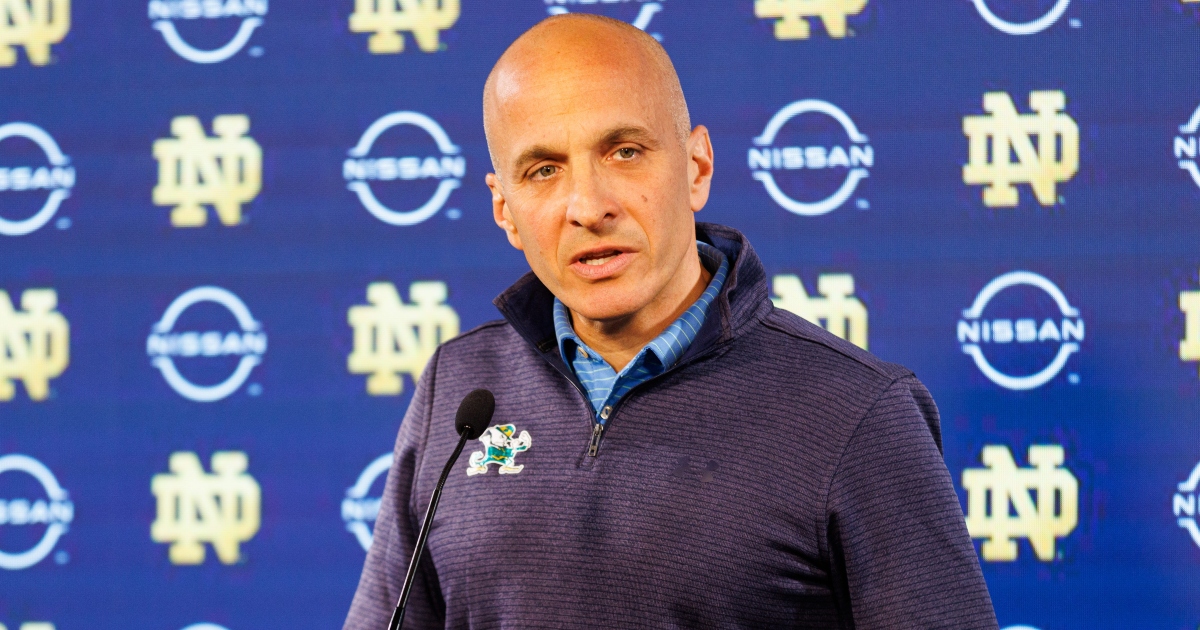
The recent Notre Dame College Football Playoff controversy reveals a profound tension at the heart of collegiate athletics: the delicate balance between institutional autonomy and conference dynamics. Pete Bevacqua's aggressive response to Notre Dame's playoff exclusion has transformed a routine ranking dispute into a potential watershed moment for independent football programs.
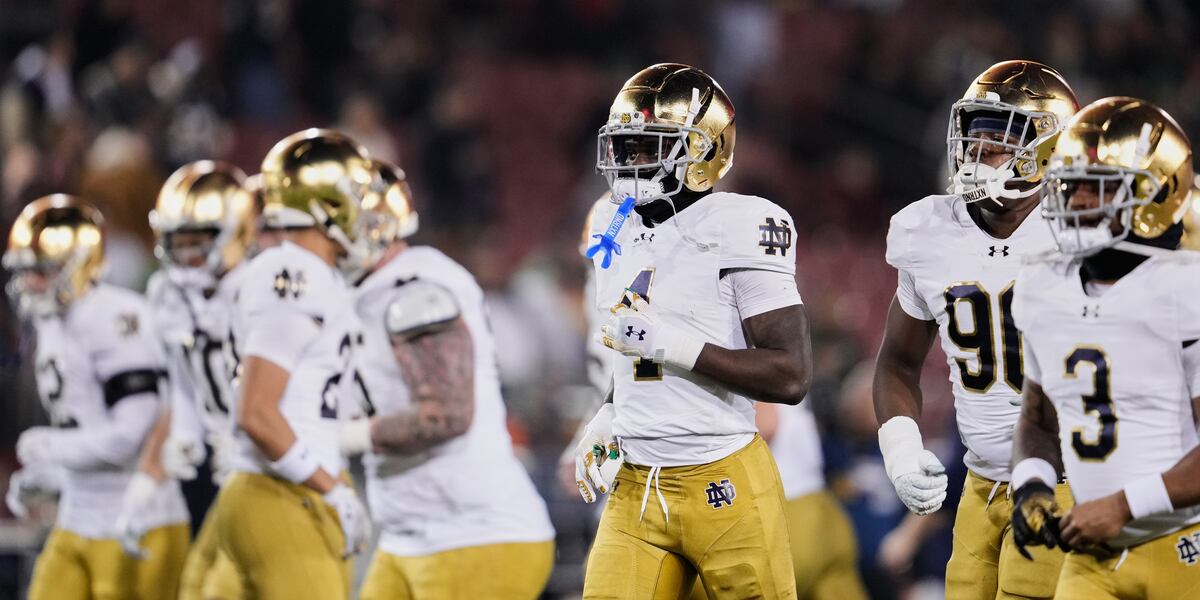
At the core of this conflict lies a strategic paradox. Notre Dame's football independence, long considered a source of institutional pride, is now being challenged by an increasingly complex playoff selection ecosystem. Despite finishing with a 10-2 record and what Bevacqua described as "one of the most dominant 10-game runs in college football history", the team was passed over for Miami—a decision that sparked a public confrontation with significant implications.
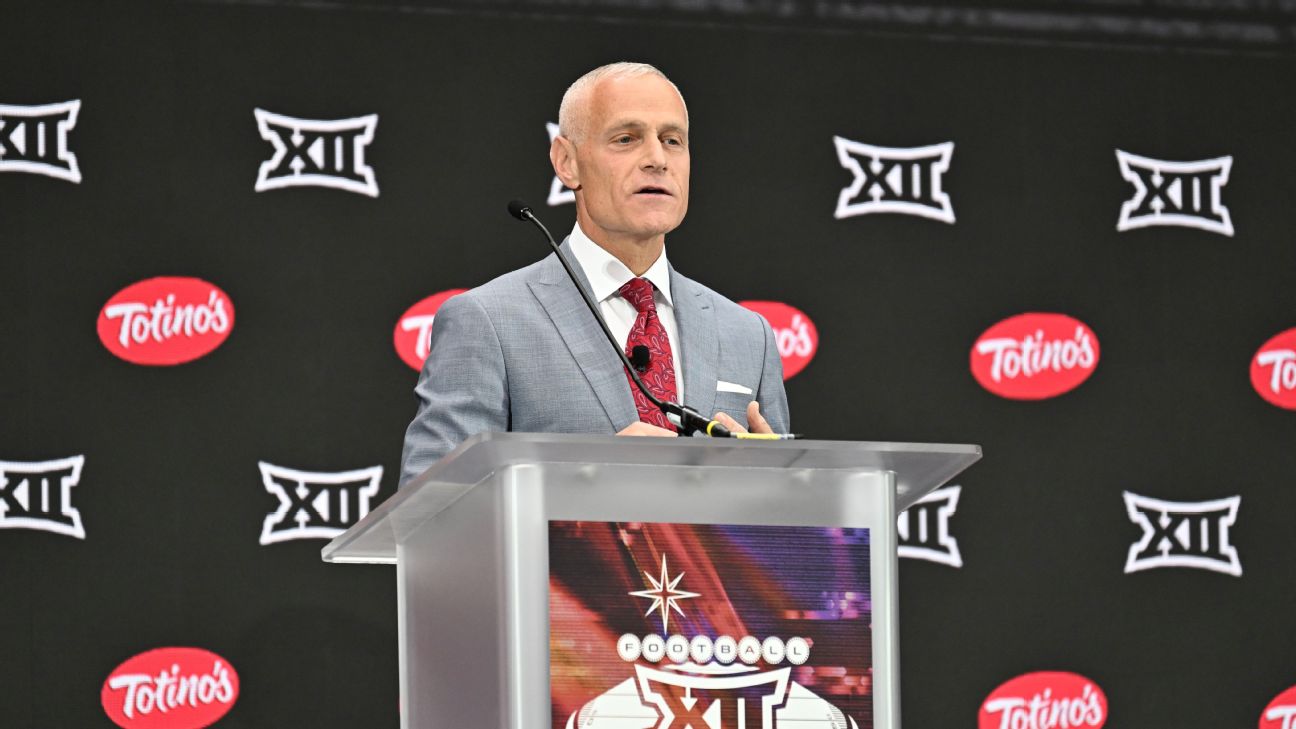
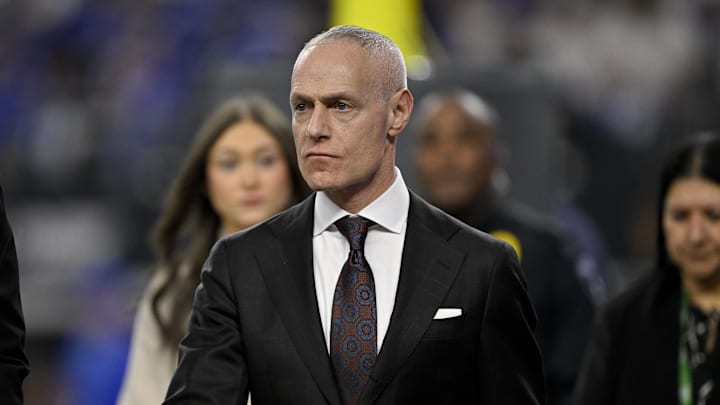
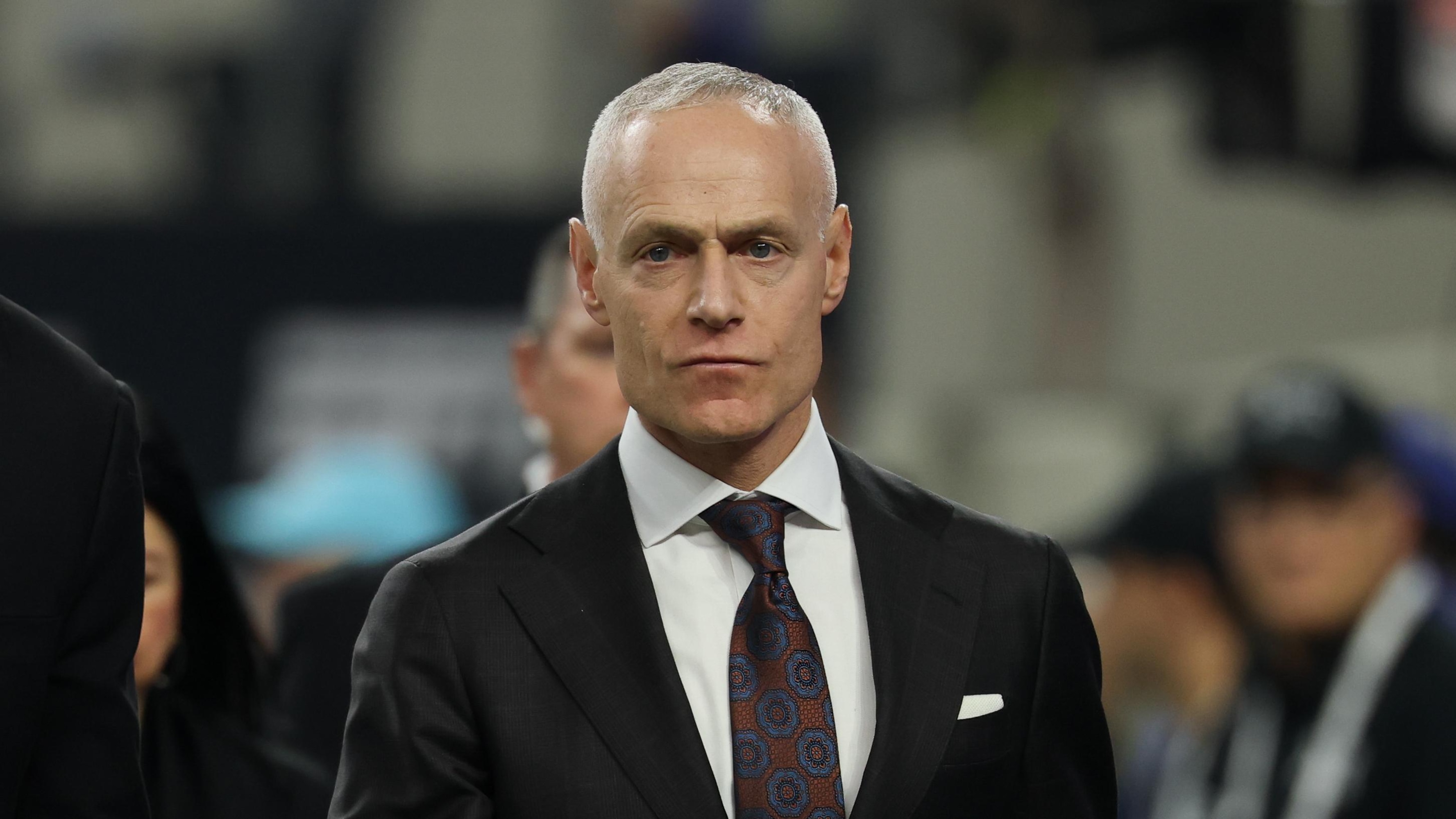
The dispute goes beyond a single season's rankings. Big 12 Commissioner Brett Yormark's public rebuke, calling Bevacqua's behavior "egregious" and "totally out of bounds", signals deeper institutional tensions. This isn't merely about one team's playoff hopes, but about the evolving power structures in collegiate sports. Notre Dame's response—publicly criticizing the ACC and potentially contemplating a conference exodus—suggests a strategic recalculation of their long-term positioning.
The controversy highlights several critical dynamics: the subjective nature of playoff selections, the increasing pressure on independent programs, and the complex television revenue considerations that underpin modern collegiate athletics. Notre Dame's current memorandum of understanding, which guarantees playoff consideration if ranked in the top 12, may no longer provide the strategic insulation it once did.
Looking forward, this incident could precipitate significant changes. The potential for Notre Dame to exit the ACC, the ongoing debates about playoff expansion, and the increasing scrutiny of scheduling approaches all point to a transformative moment in college football governance. What emerges is not just a story about one team's exclusion, but a broader narrative about institutional power, media influence, and the changing economics of collegiate sports.
Questions 4
How might Notre Dame's strategy evolve in response to this playoff exclusion?
Notre Dame might explore a more aggressive scheduling approach, potentially seeking more high-profile non-conference games or reconsidering its stance on conference membership. The university could also lobby for changes in the playoff selection process that provide more favorable considerations for independent teams.
What are the potential long-term implications of this controversy?
The dispute could accelerate discussions about playoff expansion, challenge Notre Dame's independent football model, and potentially strain its relationship with the ACC. It might also prompt broader conversations about how independent programs can maintain competitive relevance in an increasingly conference-driven landscape.