


EU Energy Crisis Reshapes Supply Chains | Seller Opportunities in Industrial Equipment & Logistics
- €90B EU loan blocked by pipeline dispute; 6-week repair window creates sourcing alternatives for sellers shipping to Central/Eastern Europe; energy cost volatility impacts fulfillment pricing across Hungary, Slovakia, Ukraine markets













Overview
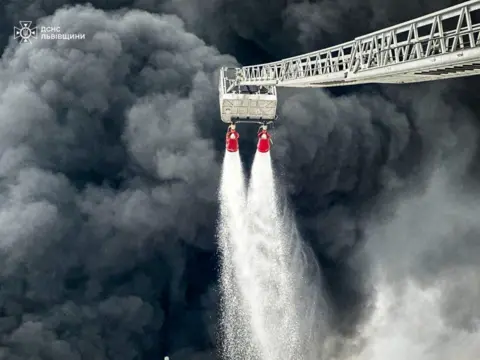
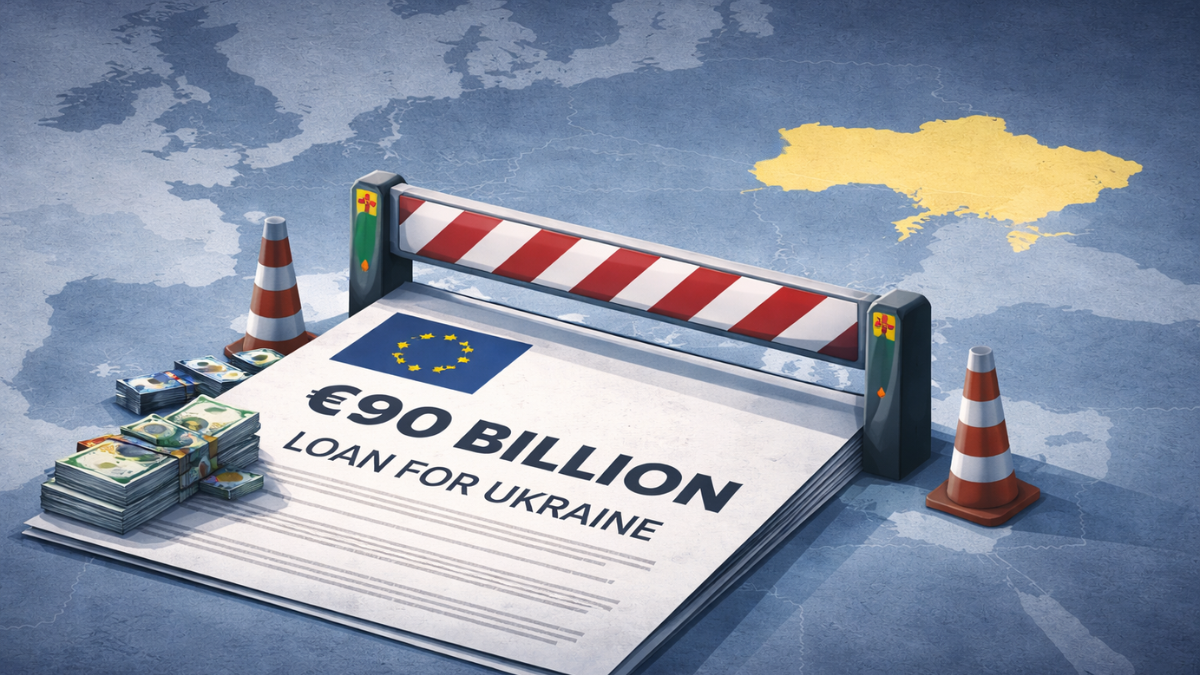
The January 27, 2025 Russian bombardment of Ukraine's Brody oil hub—damaging a 75,000 cubic-meter storage tank and critical pipeline infrastructure—has triggered a €90 billion EU loan freeze and fundamentally disrupted Central European energy supply chains. This geopolitical crisis creates immediate commercial opportunities for cross-border sellers while simultaneously introducing operational risks that demand strategic repositioning.
Market Access & Sourcing Shifts: Hungary's MOL refineries, lacking equipment to process non-Russian crude, are now sourcing from Norway, Saudi Arabia, and Libya via the Adria pipeline through Croatia. This 6-week repair window (extending through mid-March 2025) creates a critical sourcing arbitrage opportunity. Sellers of industrial equipment—particularly pumps, sensors, valves, and pipeline inspection systems (HS codes 8413, 8481, 9031)—face surging demand from Ukrainian reconstruction efforts backed by EU technical support and funding. The European Commission's commitment to accelerate repairs signals €2-5B in infrastructure contracts flowing to equipment suppliers. Simultaneously, Hungary's refining capacity constraints create temporary fuel cost premiums (estimated 8-15% above baseline) affecting logistics costs for sellers shipping to Hungary, Slovakia, and Czech Republic through Q1 2025.
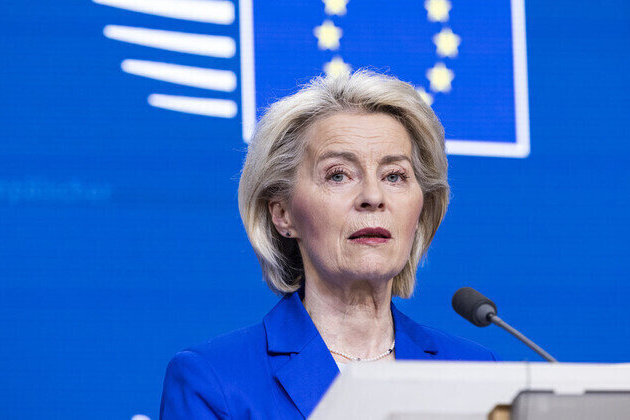
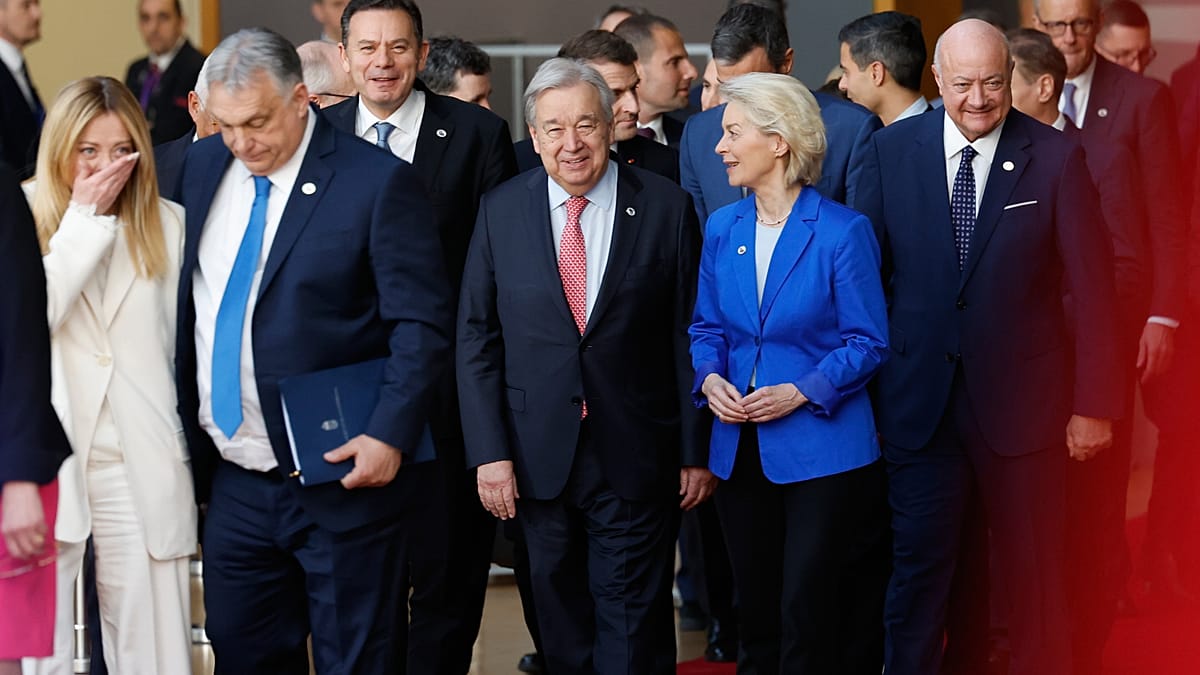
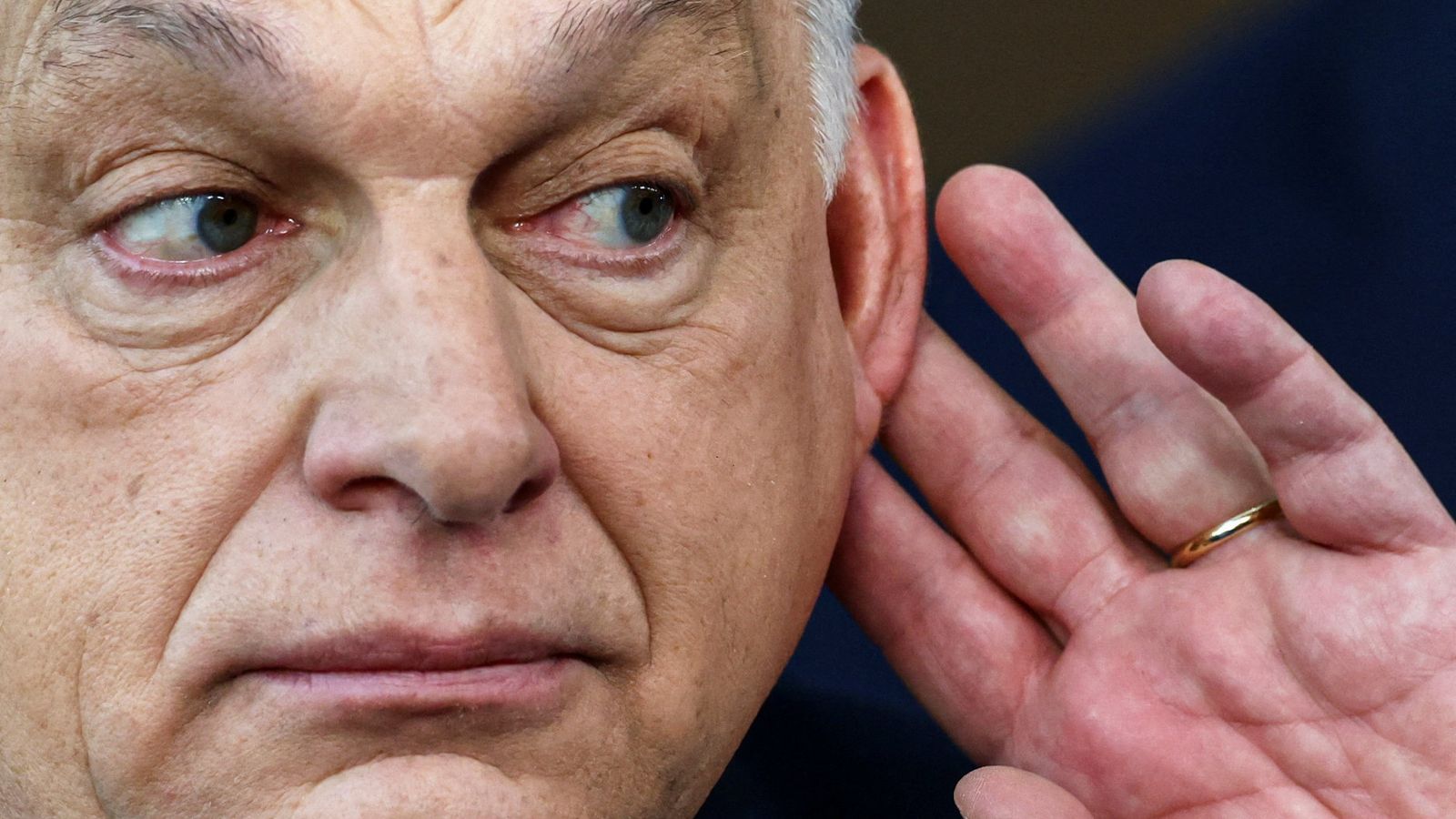
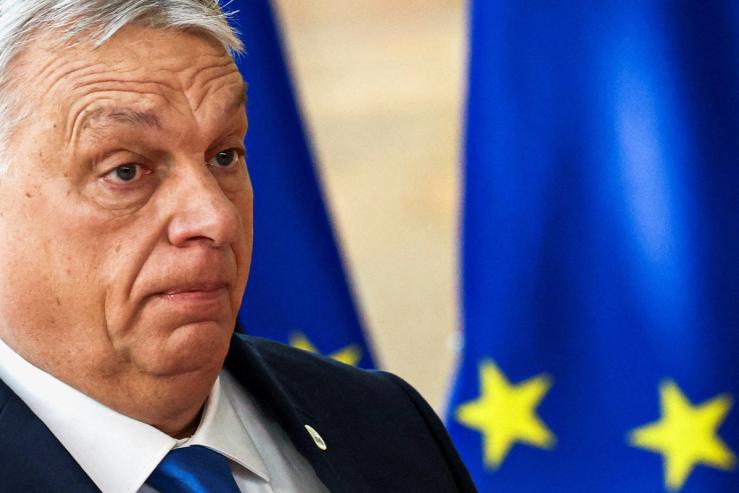
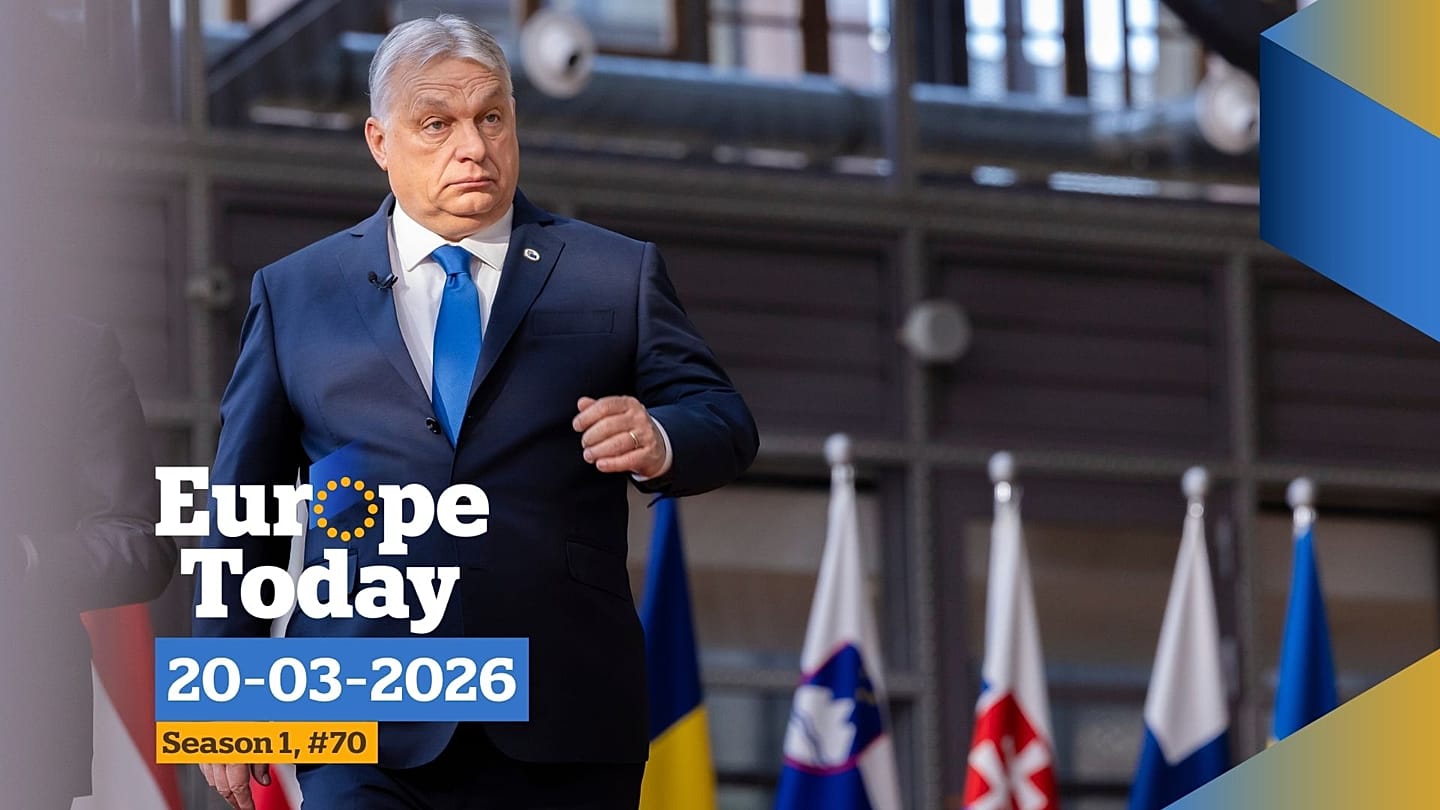
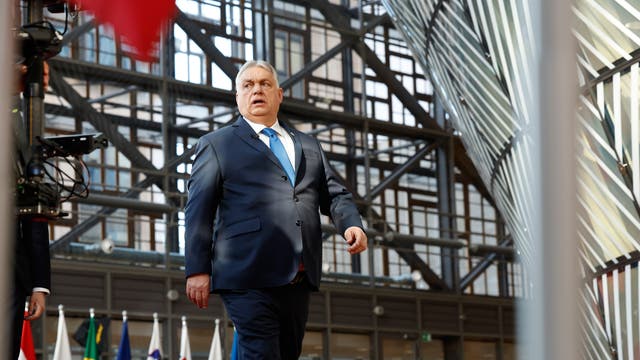
Competitive Dynamics & Seller Segments: Small-to-medium sellers (SMEs) shipping industrial components to Ukraine gain first-mover advantage before larger competitors mobilize supply chains. EU-based sellers in Germany, Poland, and Austria can capitalize on proximity to repair sites and reduced shipping costs compared to Asian competitors. However, sellers relying on Hungarian 3PL providers or fulfillment centers face 10-18% cost increases due to elevated fuel surcharges. The dispute exemplifies how individual EU member states (Hungary under Viktor Orban's Moscow-aligned government) can obstruct collective decision-making, creating unpredictable tariff and logistics environments. Sellers must diversify fulfillment networks away from Hungary-dependent routes.
Timing & Compliance Windows: The 6-week repair timeline (January 27–mid-March 2025) represents the critical opportunity window before pipeline restoration normalizes energy prices and reduces equipment demand. Ukraine's daylight-only work constraints due to nightly air raids extend project timelines, creating sustained demand through Q2 2025. Sellers should immediately audit inventory of industrial equipment, pipeline components, and energy infrastructure products; adjust pricing for Hungarian market to reflect fuel surcharges; and establish alternative logistics corridors through Croatia's Adria pipeline route to bypass Hungary's political obstruction.
Questions 8
How does this crisis affect sellers of energy-intensive products?
Sellers of products requiring significant energy inputs (chemicals, metals, electronics manufacturing) face 8-15% cost increases for production or fulfillment in Hungary, Slovakia, and Czech Republic through mid-March 2025. This creates margin compression for sellers with manufacturing or fulfillment operations in these countries. However, sellers can mitigate by: (1) shifting production to Poland, Austria, or Germany with more stable energy costs; (2) increasing prices 8-12% for affected markets to maintain margins; (3) sourcing from suppliers in countries with lower energy costs (Norway, Saudi Arabia crude alternatives); (4) accelerating inventory turnover before fuel surcharges increase carrying costs. The 6-week repair window creates temporary competitive advantages for sellers with diversified supply chains.
How should sellers adjust fulfillment strategies for Hungary and Slovakia?
Sellers should reduce reliance on Hungarian 3PL providers due to 10-18% cost increases from fuel surcharges through mid-March 2025. Alternative strategies include: (1) routing shipments through Croatia's Adria pipeline corridor to bypass Hungary's constrained refining capacity; (2) establishing fulfillment centers in Poland or Czech Republic with lower fuel cost exposure; (3) increasing inventory in Slovakia to reduce cross-border shipping distances; (4) adjusting pricing 8-12% higher for Hungarian market to reflect temporary fuel premiums. The dispute exemplifies geopolitical risks in EU logistics—diversification away from single-country dependencies is essential for supply chain resilience.