



ECB Rate Hikes 2026 | Cross-Border Sellers Face 8-12% Financing Cost Surge
- Three 25bp rate hikes forecast April-July 2026 driving inventory financing costs up 200-300bps; euro depreciation creates FX arbitrage opportunities; energy inflation spikes to 3.1% Q2 2026 compress consumer spending across EU markets























Overview
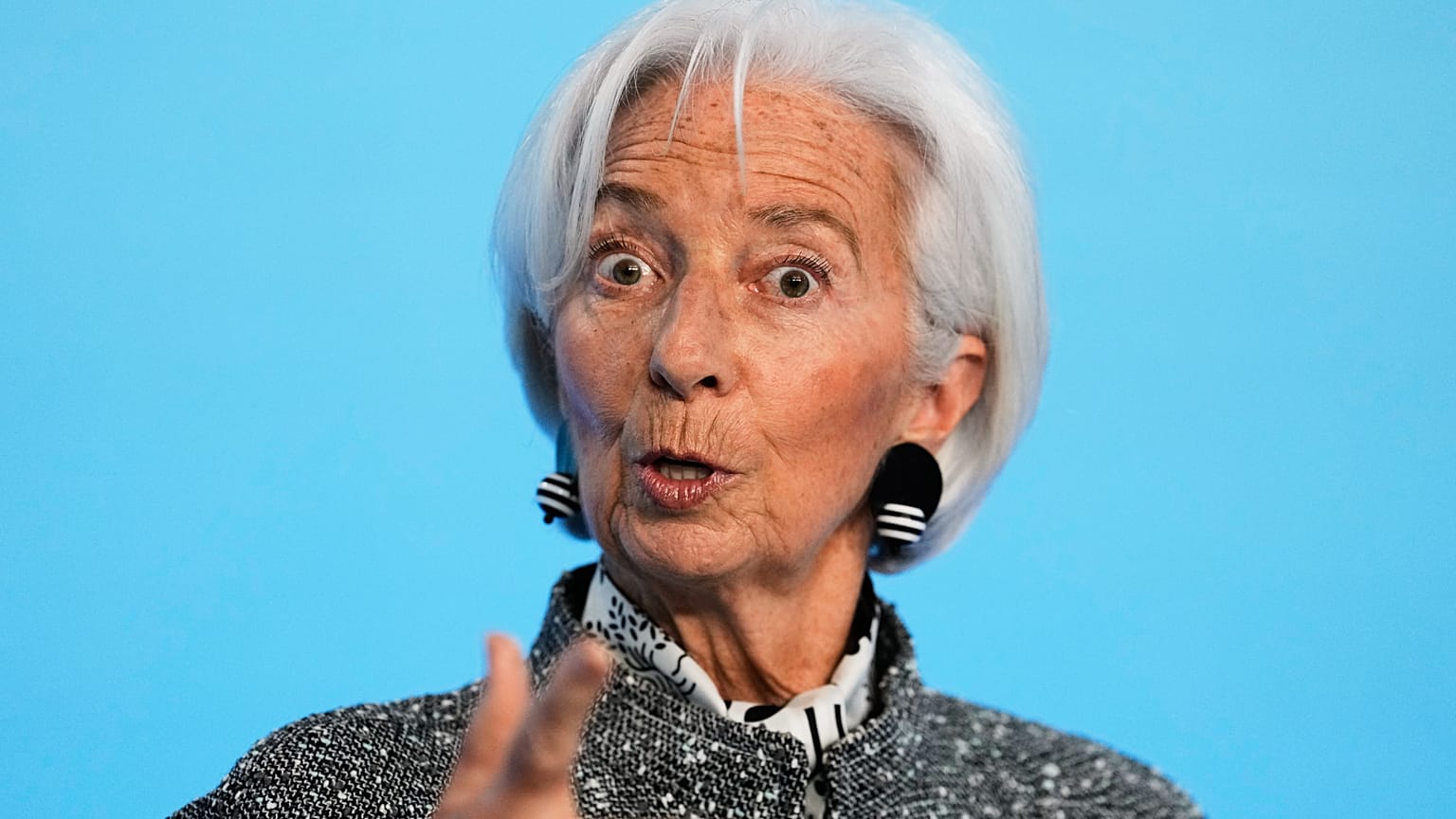
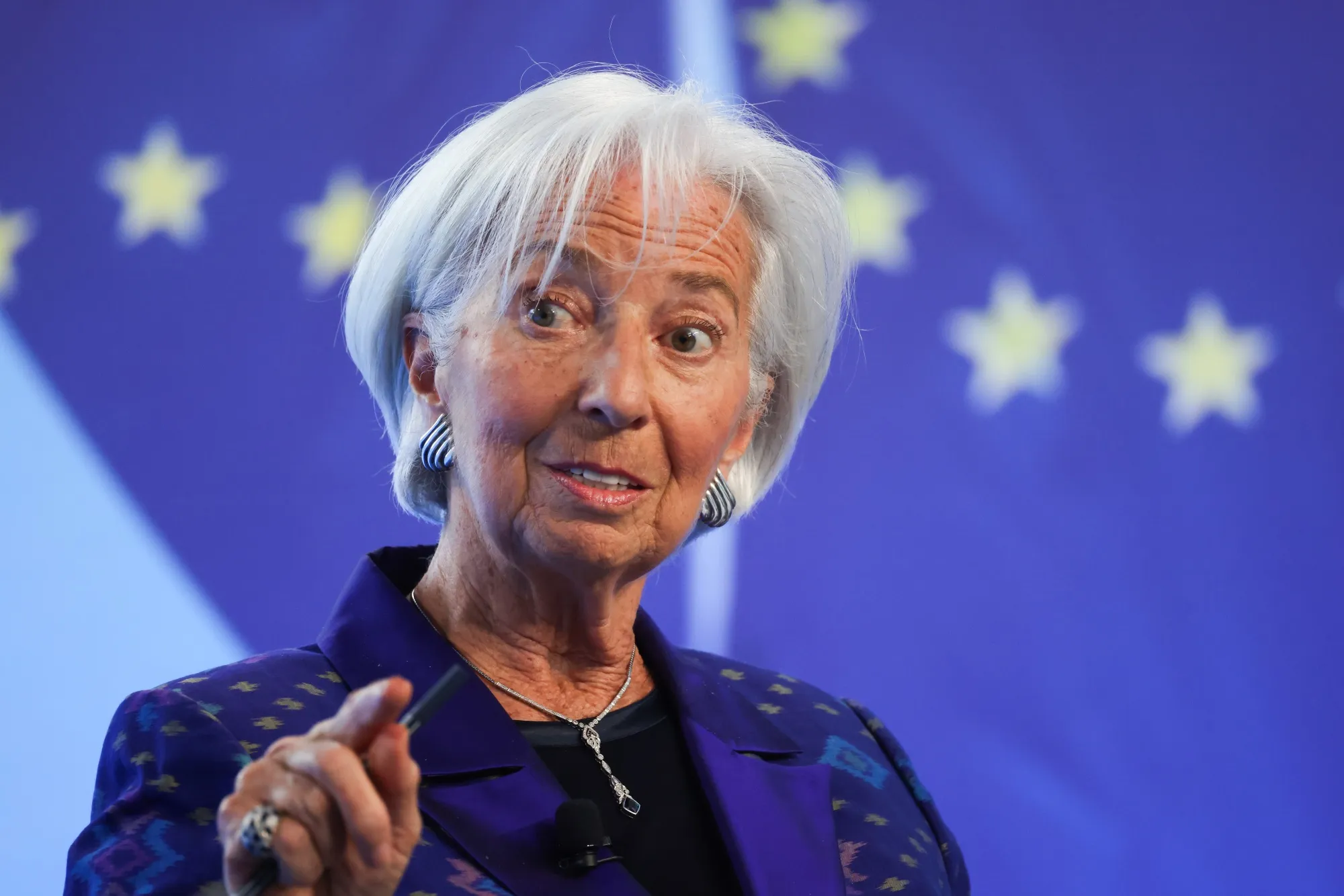
The European Central Bank faces mounting pressure to raise interest rates aggressively in 2026, with Barclays and J.P. Morgan forecasting three consecutive 25-basis-point hikes in April, June, and July, potentially bringing the ECB deposit rate to 2.75% by year-end. This represents a dramatic reversal from December 2025 expectations of unchanged rates. Market data from LSEG indicates a 50% probability of an April rate hike, rising to 80% for June, driven by Iran conflict impacts on energy markets and ECB President Christine Lagarde's warnings about "significantly increased economic uncertainty and inflation risks."
For cross-border e-commerce sellers, this monetary tightening creates immediate financial headwinds. Inventory financing costs will increase 200-300 basis points, translating to 8-12% higher borrowing costs for sellers relying on working capital loans, invoice financing, or PO financing. A seller with €500,000 in inventory financed at current rates (~3-4%) will face additional annual costs of €40,000-60,000 if rates rise to 5.5-6.5%. European fulfillment center operators and sellers sourcing from EU suppliers face compounded pressure: energy inflation is projected to spike to 3.1% in Q2 2026 (baseline scenario), with severe scenarios modeling oil at USD 145/barrel and gas at 106/MWh, directly increasing logistics and warehousing costs.
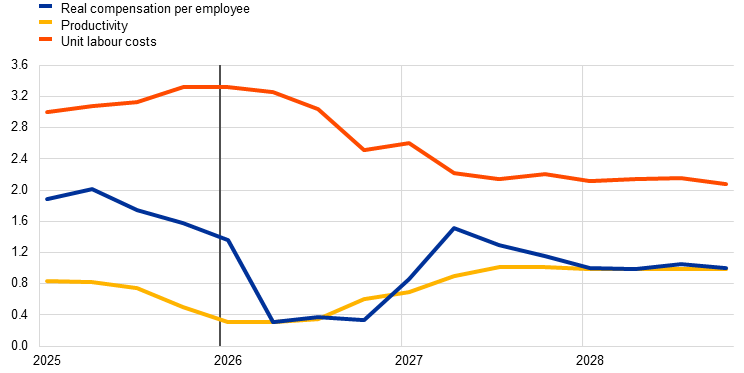
The ECB's March 2026 macroeconomic projections reveal euro area GDP growth declining to 0.9% in 2026 (down 0.3pp from December), with consumer spending dampened by reduced purchasing power from energy shocks. This demand compression creates pricing power erosion for sellers—the ability to pass through cost increases to European buyers diminishes as household budgets tighten. Currency dynamics present both risk and opportunity: euro depreciation against USD (driven by rate differentials with the Federal Reserve) increases costs for sellers importing from Asia or the US, but creates FX arbitrage opportunities for sellers with multi-currency exposure. Sellers with USD-denominated supplier costs and EUR-denominated revenue face margin compression of 3-5% per 2% euro depreciation.
Strategic financial moves unlock immediate working capital relief: sellers should accelerate invoice financing arrangements before April rate hikes (locking in current 3-4% rates vs. post-hike 5-6%), shift 15-25% of inventory to 3PL providers to reduce on-balance-sheet financing needs, and implement dynamic pricing strategies that front-load margin capture before consumer demand softens in Q2-Q3 2026. Sellers with European bank relationships should lock in fixed-rate inventory loans immediately—variable-rate facilities will become significantly more expensive. Currency hedging becomes critical: sellers should hedge 40-60% of Q2-Q3 2026 EUR revenue exposure using 3-month forward contracts to protect against further euro depreciation.
Questions 8
How much will ECB rate hikes increase inventory financing costs for European sellers?
ECB rate hikes of 75 basis points (three 25bp increases April-July 2026) will increase inventory financing costs by 200-300 basis points when fully passed through by lenders. A seller with €500,000 in inventory financed at current 3-4% rates will face €40,000-60,000 in additional annual financing costs at post-hike rates of 5.5-6.5%. Invoice financing and PO financing arrangements will see immediate rate increases of 150-200bps within 30-60 days of each ECB hike. Sellers should lock in fixed-rate facilities before April 2026 to avoid variable-rate exposure.
What FX opportunities exist from euro depreciation during ECB tightening?
Euro depreciation against USD (typically 2-4% per 100bp rate differential with the Fed) creates arbitrage opportunities for sellers with multi-currency exposure. Sellers with USD supplier costs and EUR revenue face 3-5% margin compression per 2% depreciation, but sellers with EUR costs and USD revenue benefit proportionally. Forward currency contracts locked at current rates (1.08-1.10 EUR/USD) protect against further depreciation. Sellers should hedge 40-60% of Q2-Q3 2026 EUR revenue using 3-month forwards at current rates before depreciation accelerates post-April hike.