



US Export Control Enforcement on AI Chips | Critical Compliance Risk for Tech Sellers 2026
- $2.5B smuggling case triggers heightened scrutiny on Nvidia chip exports; sellers face felony penalties and supply chain disruptions





















































Overview
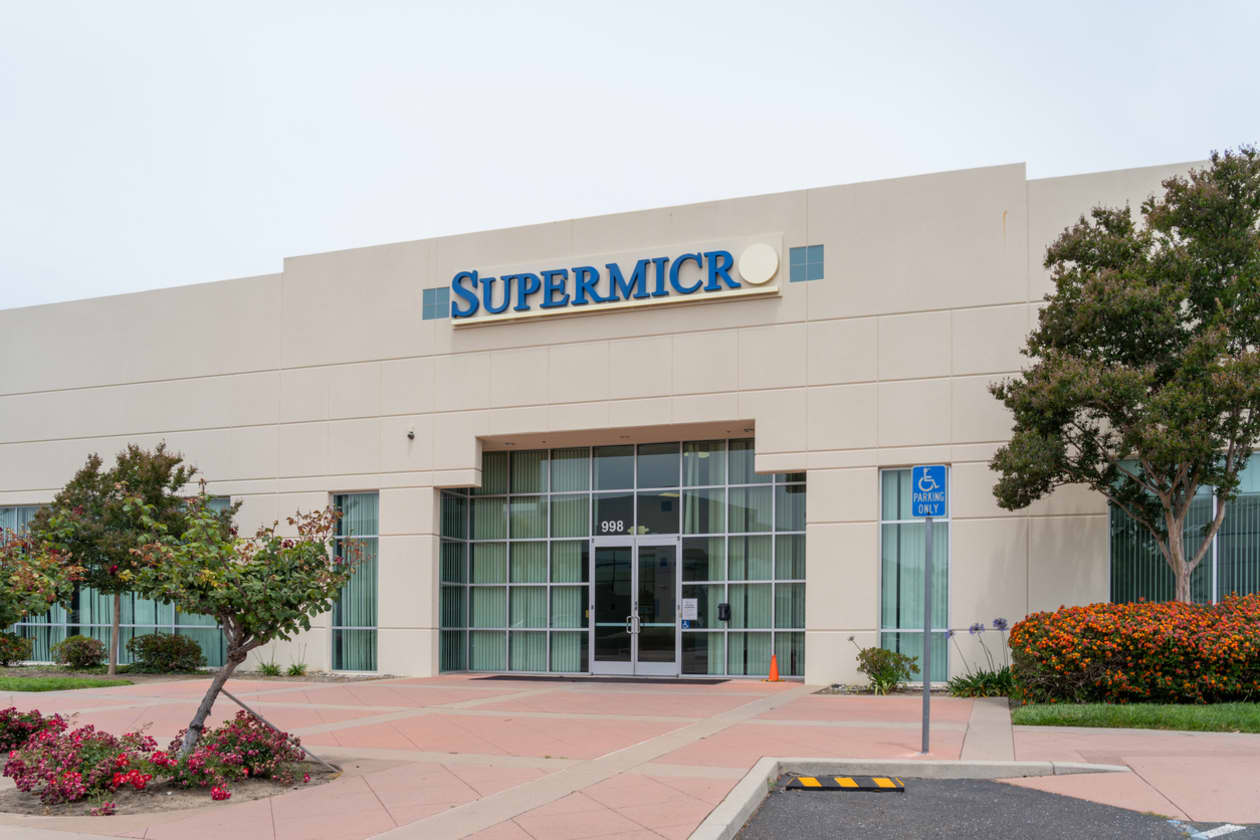
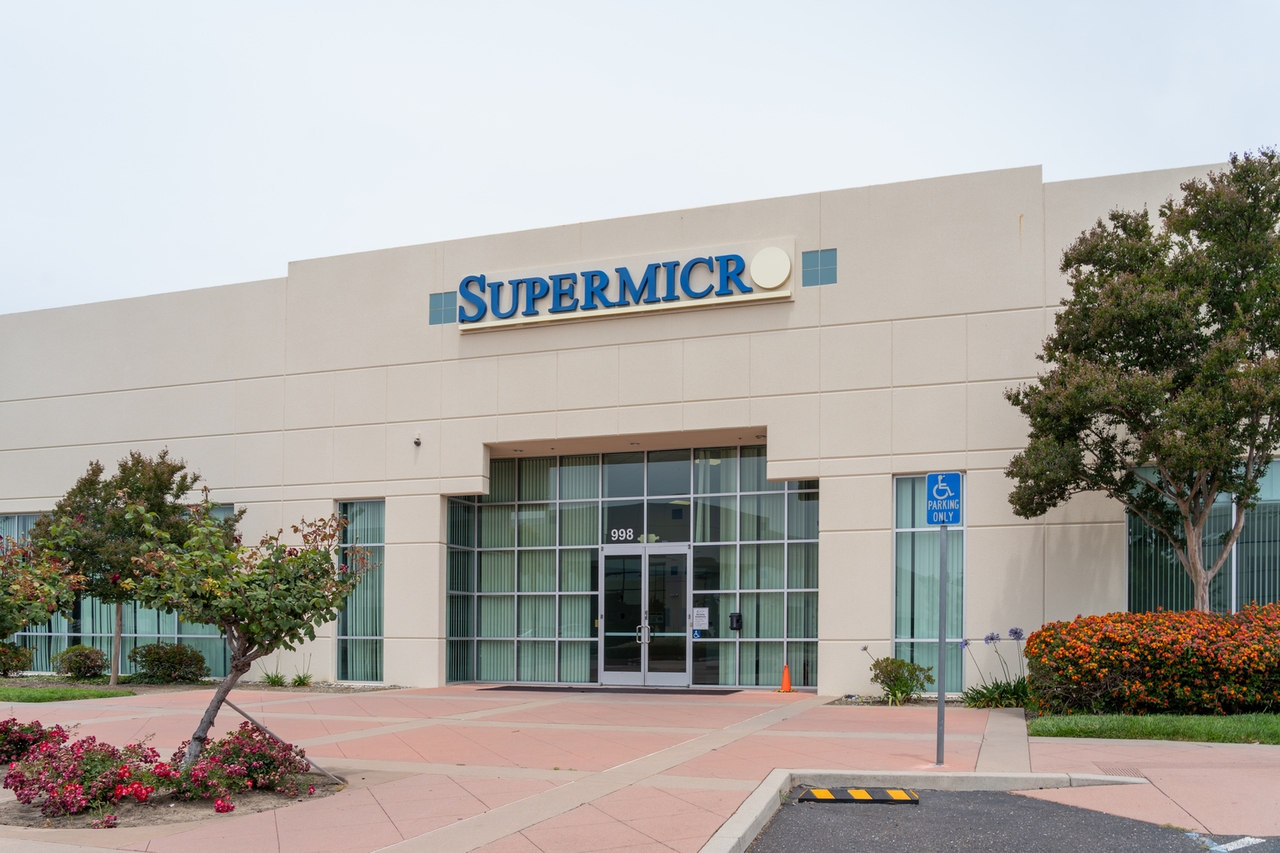
The March 2026 indictment of three Super Micro Computer executives for conspiring to smuggle $2.5 billion in advanced AI servers to China represents a watershed moment in US export control enforcement that directly impacts cross-border technology sellers. Between 2024-2025, defendants Yih-Shyan Liaw (71, SVP/board member), Ting-Wei Sun (44, contractor), and Ruei-Tsang Chang (sales manager, Taiwan) orchestrated a systematic scheme to divert high-performance servers containing Nvidia AI chips to restricted Chinese end-users through Southeast Asian intermediaries, with at least $10 million successfully diverted after US assembly. U.S. Attorney Jay Clayton's statement emphasizing "tangled webs of lies, obfuscation, and concealment" signals the government's aggressive posture on technology diversion enforcement.
For cross-border e-commerce sellers, this prosecution creates three immediate operational impacts: First, export control compliance complexity increases dramatically for any seller handling AI-related products, advanced computing equipment, or semiconductor components. The case demonstrates that using intermediary companies and deceptive destination practices—tactics previously considered gray-area compliance shortcuts—now trigger federal felony charges with potential 20+ year sentences. Second, supply chain verification requirements intensify across the technology distribution ecosystem. Sellers sourcing from or selling to Southeast Asian markets face heightened customs scrutiny, requiring detailed end-user documentation, sanctioned entity screening, and transparent supply chain mapping. Third, platform enforcement tightens: Amazon, eBay, and Shopify are implementing stricter product listing restrictions on AI chips, GPUs, and high-performance computing equipment, with automated flagging systems now blocking listings to China-adjacent regions.
The competitive advantage shifts decisively toward compliance-first sellers. Small and medium-sized sellers (SMBs) handling technology products face disproportionate compliance costs—estimated $50,000-$200,000 annually for proper export control infrastructure, legal review, and customs documentation. This creates a consolidation opportunity for larger sellers with existing compliance frameworks. Additionally, sourcing country dynamics shift: sellers previously leveraging Taiwan-based sales channels (like Chang's role) now face reputational and operational risks. Vietnam, India, and Mexico emerge as lower-risk sourcing alternatives for technology distribution, though with 8-15% higher component costs. The enforcement window is critical—expect increased FBI/ICE operations targeting technology diversion through Q3 2026, with customs agencies implementing real-time AI screening of high-value tech shipments.
Questions 8
What are the specific export control penalties for selling AI chips to restricted countries?
Federal export control violations carry criminal penalties up to 20 years imprisonment and $1 million fines per violation, with civil penalties reaching $300,000+ per violation. The Super Micro case demonstrates prosecutors now pursue felony charges even for indirect diversion schemes using intermediaries. Sellers must implement sanctioned entity screening (OFAC, BIS Entity List) before every transaction involving Nvidia GPUs, AI accelerators, or high-performance computing equipment. Non-compliance triggers automatic customs holds, account suspension on major platforms (Amazon, eBay), and potential criminal referral. Immediate action: audit all customer accounts against the BIS Denied Persons List and OFAC SDN list within 30 days.
What supply chain documentation do sellers need for AI-related products?
Sellers must maintain complete supply chain documentation including: manufacturer certificates of origin, component-level sourcing records, shipping manifests with final destination verification, and customer end-use declarations. The case revealed defendants used 'tangled webs' of intermediary companies to obscure true destinations—a practice now triggering automatic investigation. Required documentation includes: (1) invoice with accurate HS codes (HS 8471.30 for AI servers), (2) export license confirmation (EAR or ITAR), (3) customer business license and tax ID verification, (4) signed end-use statement prohibiting re-export to restricted countries. Timeline: maintain records for minimum 5 years; expect customs audits within 90 days of high-value tech shipments.