


Ohio Cannabis Compliance Overhaul Creates $836M Market Restructuring | Seller Adaptation Required
- Senate Bill 56 effective March 20, 2026 eliminates 20-30% of non-compliant sellers; THC caps reduce extract potency 90%→70%, flower 35% max; packaging/transport restrictions force operational redesign across $836M market













Overview
Ohio's Senate Bill 56, effective March 20, 2026, represents a critical regulatory inflection point for cannabis sellers operating in the state's $836 million recreational market (launched August 2024). The legislation creates substantial compliance barriers that will eliminate non-compliant competitors while establishing a protected market for sellers who adapt quickly. This is a textbook example of how regulatory tightening creates competitive moats—estimated 20-30% of current sellers will face forced closures or operational disruptions due to inability to meet new packaging, storage, and potency requirements.
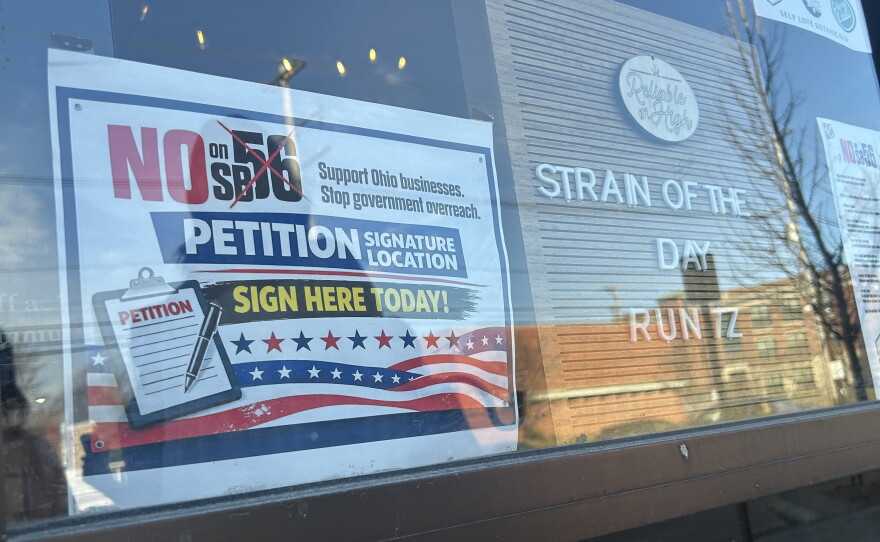
The Compliance Barrier Creates Immediate Market Consolidation: Senate Bill 56 mandates cannabis remain in original packaging at all times, requires trunk storage during vehicle transport, caps THC in extracts at 70% (down from 90%), and limits flower to 35% THC maximum. These requirements eliminate entire product categories (THC seltzers, high-potency extracts) and force sellers to reformulate inventory. Industry leaders like Jared Maloof (Standard Wellness) acknowledge "confusion even among cannabis company executives" regarding implementation details—indicating compliance costs will be substantial. Sellers who invest in compliant packaging infrastructure, reformulated products, and staff training within the first 90 days will establish defensible market positions. The failed referendum effort (opponents needed 248,092 signatures but fell short) confirms these restrictions are permanent, not subject to voter reversal.
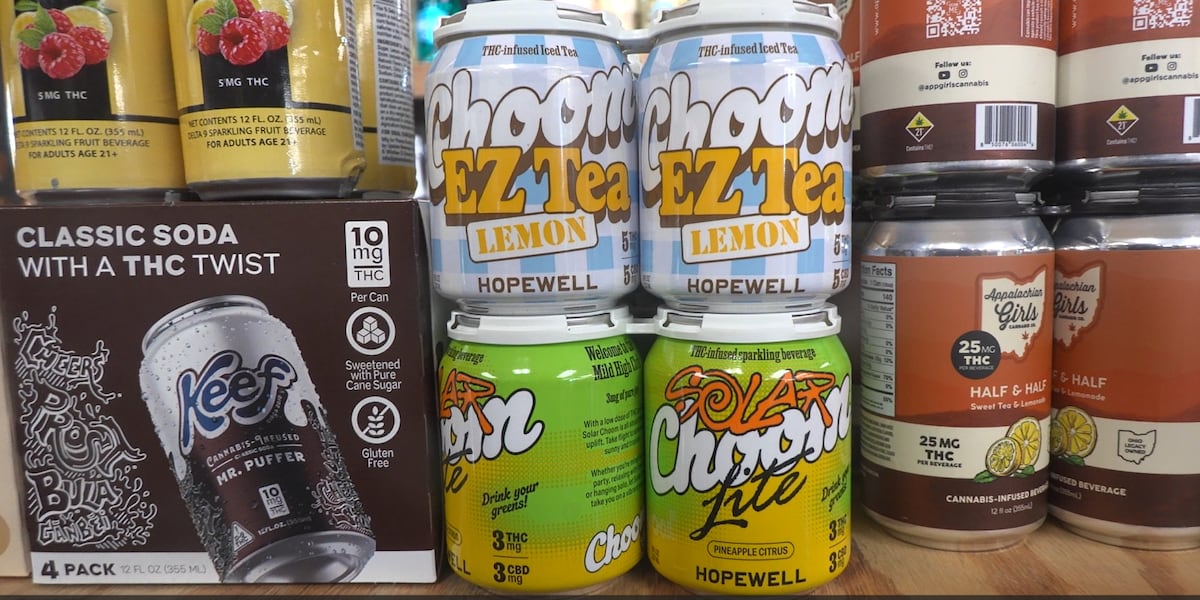
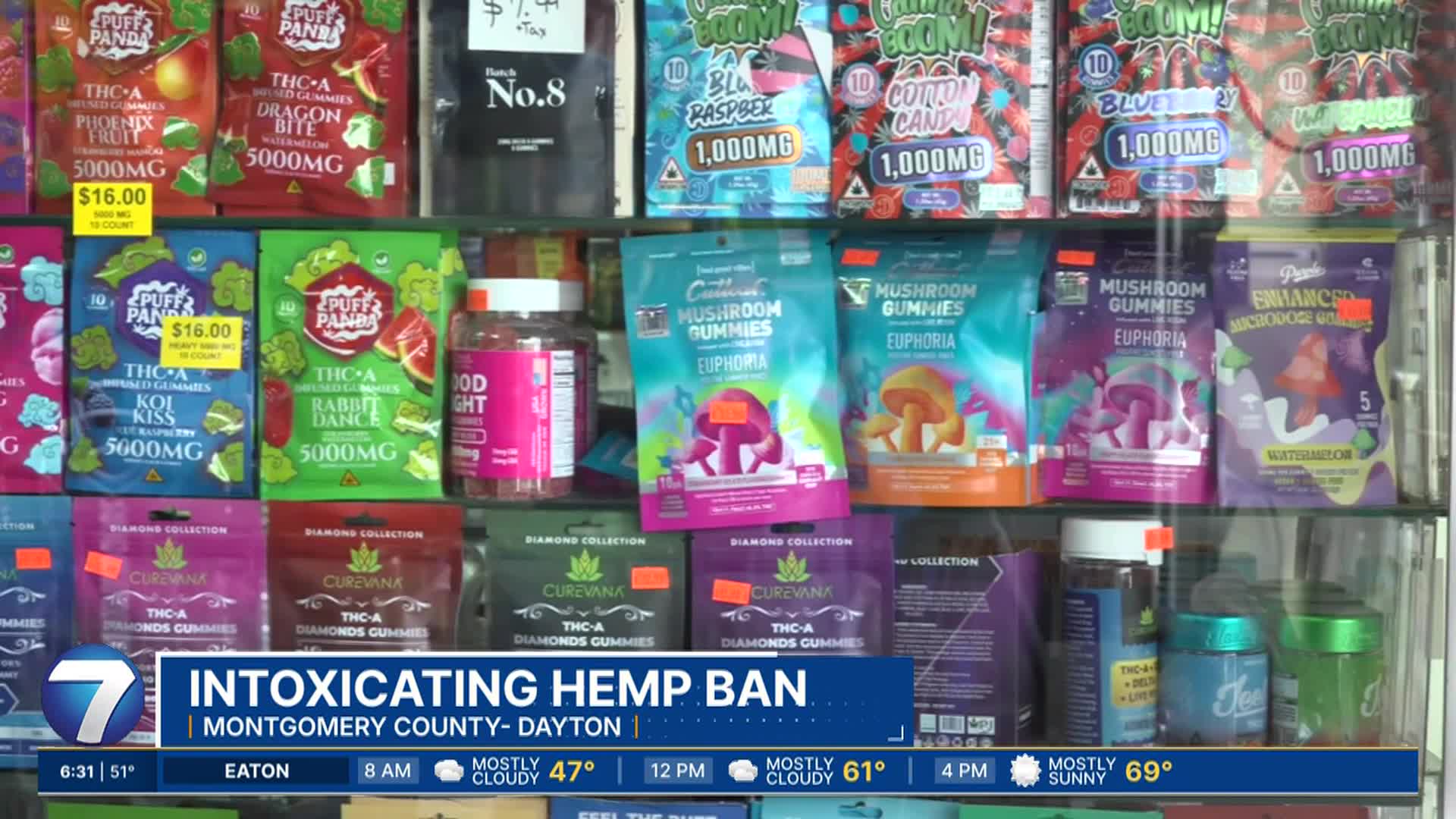
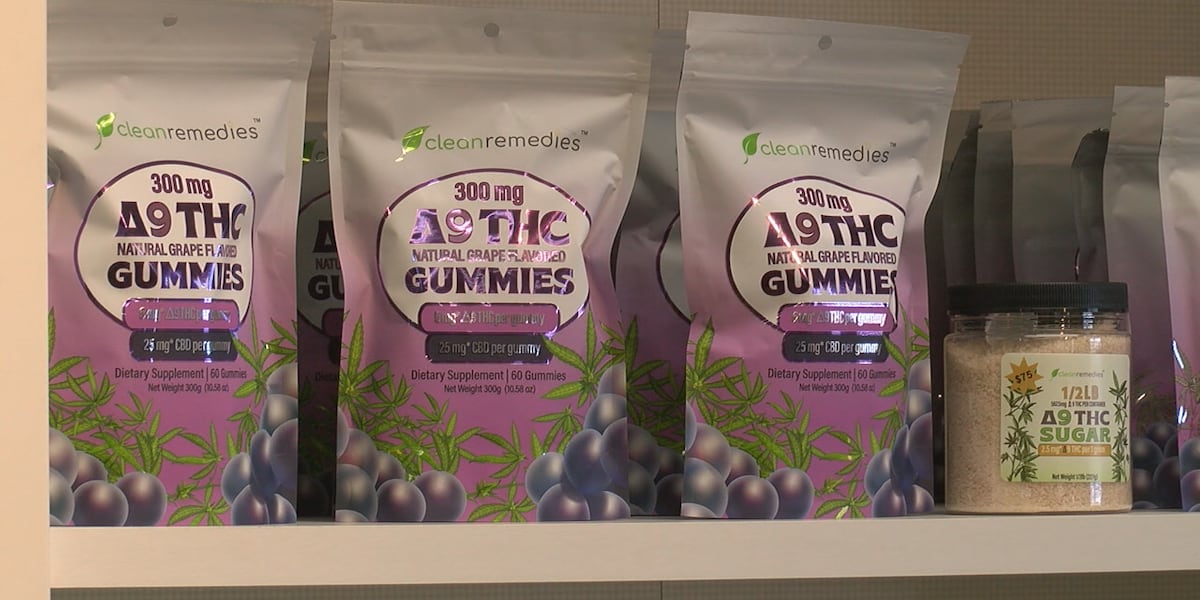
Interstate Transport Prohibition Eliminates Supply Chain Flexibility: The law criminalizes interstate cannabis transport, aligning with federal restrictions. This forces Ohio sellers to source exclusively from in-state producers or licensed suppliers, eliminating the ability to arbitrage lower-cost products from neighboring states. Sellers currently relying on multi-state sourcing must immediately identify compliant Ohio suppliers or face supply chain disruption. The hemp product ban (aligning with federal 0.4mg THC per container limit) eliminates the entire THC-seltzer and intoxicating hemp category—estimated 10-15% of current product mix for many dispensaries. This category elimination creates opportunity for compliant alternative products (CBD-only beverages, non-intoxicating hemp products) that can fill the void.
Compliance Service Gaps Present High-Margin Opportunities: The legislation creates urgent demand for compliance consulting, packaging redesign, product reformulation testing, and staff training services. Current market confusion suggests compliance service providers can charge premium rates (estimated $5,000-15,000 per dispensary for full compliance audit and implementation). Sellers offering turnkey compliance solutions—packaging suppliers with THC-compliant labeling, lab testing services for potency verification, and operational consulting—will capture significant margins during the 90-day implementation window. The misdemeanor penalties for public consumption violations and packaging violations create liability exposure that drives demand for compliance insurance and legal services.
Questions 7
How does the packaging requirement impact dispensary operations and seller costs?
The law mandates cannabis remain in original packaging at all times—no repackaging, bulk sales, or customer-provided containers are permitted. This eliminates the ability to offer bulk discounts or custom packaging, forcing sellers to invest in compliant packaging infrastructure. Packaging costs increase 15-25% due to mandatory child-resistant features, THC warning labels, and batch tracking requirements. Sellers must also implement inventory management systems to track original packaging throughout the supply chain. Implementation costs range $10,000-30,000 per dispensary location for packaging redesign, labeling systems, and staff training.
What are the specific THC potency limits under Ohio's Senate Bill 56?
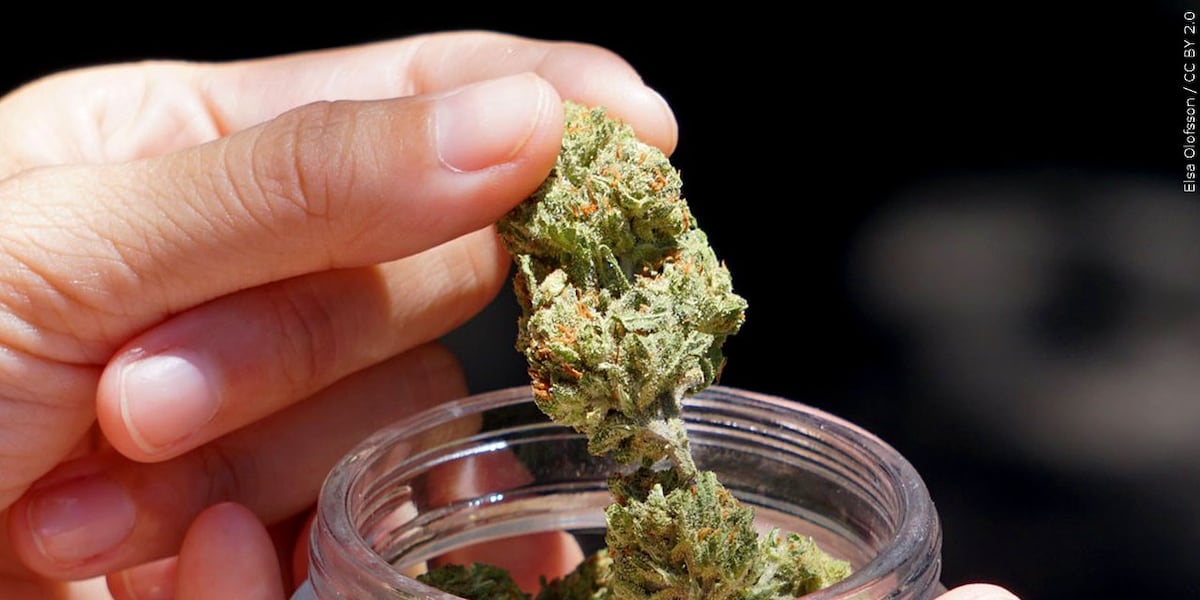
Senate Bill 56 reduces maximum THC levels in adult-use marijuana extracts from 90% to 70% and caps THC in flower at 35% maximum. These reductions take effect March 20, 2026, and require sellers to immediately reformulate existing inventory or face non-compliance penalties. Sellers currently offering 80-90% potency extracts must either reduce potency through reformulation or discontinue these products entirely. Lab testing for potency verification becomes mandatory before sale, adding 5-10 business days to product release timelines. Compliance costs for reformulation and retesting typically range $2,000-5,000 per product SKU.