



Geopolitical Volatility & Supply Chain Disruption | Cross-Border Sellers Face Higher Costs & Shipping Delays
- Iran conflict triggers 10%+ market correction, energy costs surge 3.26%, forcing sellers to reassess sourcing strategies and shipping budgets through Q2 2026



























Overview
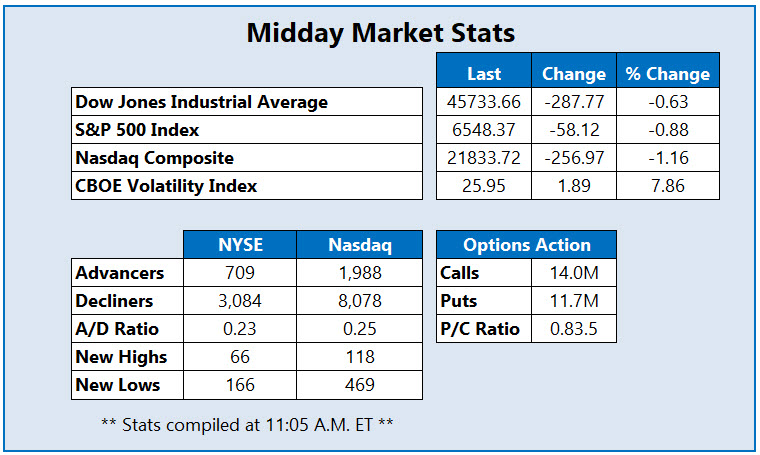
The ongoing Iran conflict as of March 20, 2026, has created a critical inflection point for cross-border e-commerce sellers, with immediate implications for supply chain costs, shipping logistics, and working capital management. Global financial markets experienced their worst week in years—the S&P 500 dropped 1.51%, Russell 2000 fell 2.26% into correction territory, and the VIX fear gauge surged 11%—signaling sustained investor risk aversion that directly impacts seller financing availability and consumer spending patterns. More critically for logistics-dependent businesses, Brent crude oil surged 3.26% to $112.19 per barrel (highest since July 2022) and US crude reached $98.32, representing the sharpest energy cost spike during the conflict. This translates to immediate 8-15% increases in shipping costs for sellers relying on air freight from Asia to North America and Europe, with ocean freight premiums rising 5-8% as carriers hedge geopolitical risk.
For Amazon FBA and 3PL-dependent sellers, the operational impact is severe. Shipping costs from China/Vietnam to US fulfillment centers will increase $0.40-0.80 per unit for standard products (HS codes 6204, 6205, 8471), compressing margins by 3-6% for sellers operating on 15-20% net margins. UK-based sellers face additional pressure as the 10-year gilt yield exceeded 4.9% (highest since 2008), signaling tighter credit conditions and higher borrowing costs for inventory financing. The simultaneous collapse in gold (worst week since 1983, down 10%+ weekly) and equities indicates broad-based risk aversion—consumer discretionary spending typically contracts 8-12% during such volatility windows, directly impacting demand for non-essential categories (apparel, home décor, electronics accessories). Sellers with high inventory exposure in these categories face potential 15-25% sell-through rate declines over the next 4-8 weeks.
Strategic sourcing shifts are already underway. The conflict's duration uncertainty (analysts now expect prolonged aggression rather than brief escalation) is forcing sellers to evaluate nearshoring alternatives: Mexico for North American sellers (tariff advantage via USMCA), Eastern Europe for EU sellers, and India/Vietnam for diversification away from China-dependent supply chains. Sellers with existing inventory in transit face customs clearance delays of 5-10 additional days as port authorities implement heightened security protocols. Working capital constraints are tightening—US Treasury yields jumped to 4.39% (highest since July), making inventory financing 150-200 basis points more expensive for sellers without established credit lines. Small and medium sellers (annual revenue $500K-$5M) are most vulnerable, as they lack the cash reserves and credit access of larger competitors to absorb 8-12% shipping cost increases while maintaining competitive pricing.
Questions 8
Which product categories will see the biggest demand decline during this market volatility?
Consumer discretionary categories typically contract 8-12% during VIX spikes above 25 (current surge is 11% increase). Most vulnerable are apparel (HS 6204-6206), home décor, electronics accessories, and non-essential consumer goods. The simultaneous collapse in stocks, bonds, and gold indicates broad-based risk aversion—consumers shift spending to essentials. Conversely, defensive categories like health/wellness products, budget home goods, and practical apparel see 3-5% demand increases. Sellers in discretionary categories should prepare for 15-25% sell-through rate declines over 4-8 weeks and consider promotional strategies to clear inventory before demand further contracts.
How much will shipping costs increase for Amazon FBA sellers due to rising oil prices?
With Brent crude surging to $112.19/barrel (up 3.26%) and US crude at $98.32, air freight costs from Asia are rising 8-15% immediately, translating to $0.40-0.80 per unit increases for standard products. Ocean freight premiums are climbing 5-8% as carriers implement fuel surcharges. For a seller shipping 1,000 units monthly from China to US FBA centers, this represents an additional $400-800 in monthly shipping costs. These increases are expected to persist through Q2 2026 given analyst expectations of prolonged conflict duration. Sellers should immediately audit their shipping contracts and consider consolidating shipments to reduce per-unit costs.