





Amazon Transformer Smartphone | AI Shopping Device Reshapes Mobile Commerce Strategy
- Amazon's second smartphone attempt signals major shift in mobile shopping integration; sellers face new channel opportunities and competitive pressures from AI-powered discovery mechanisms




























Overview
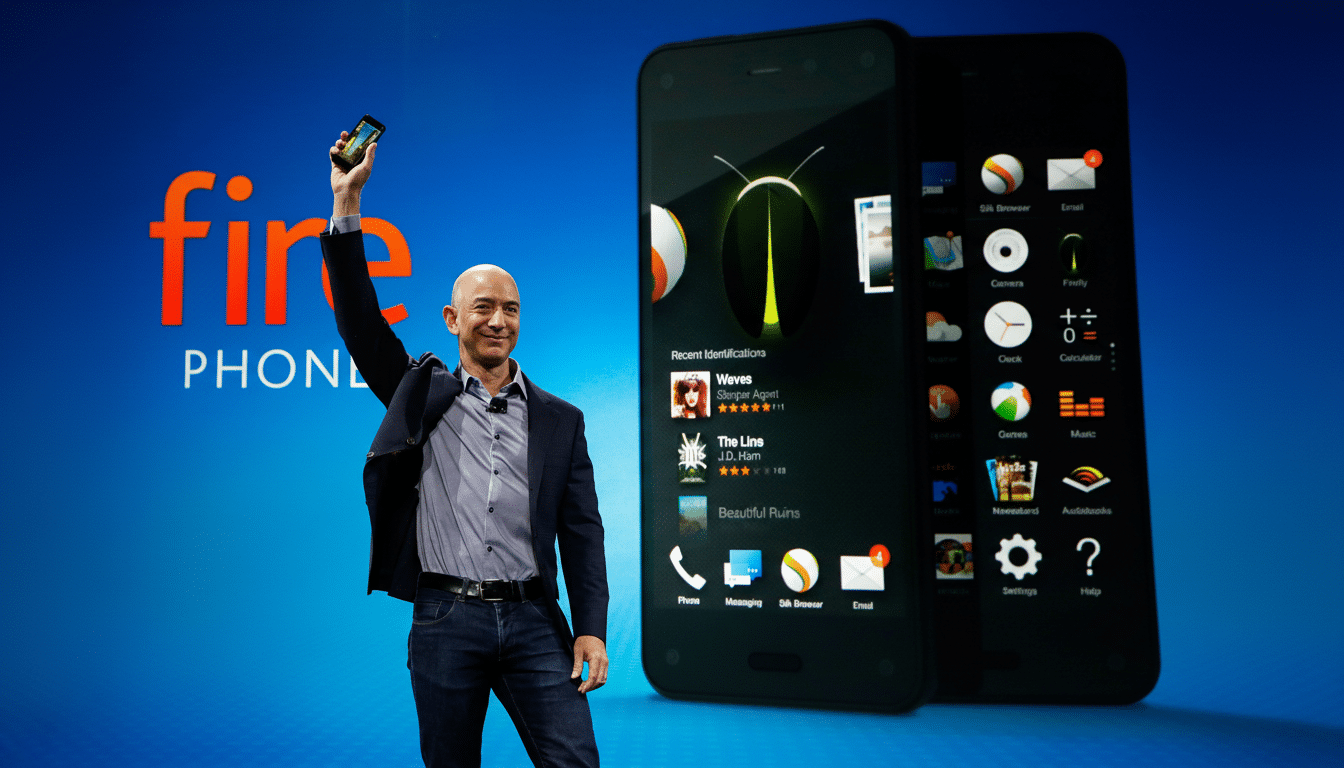
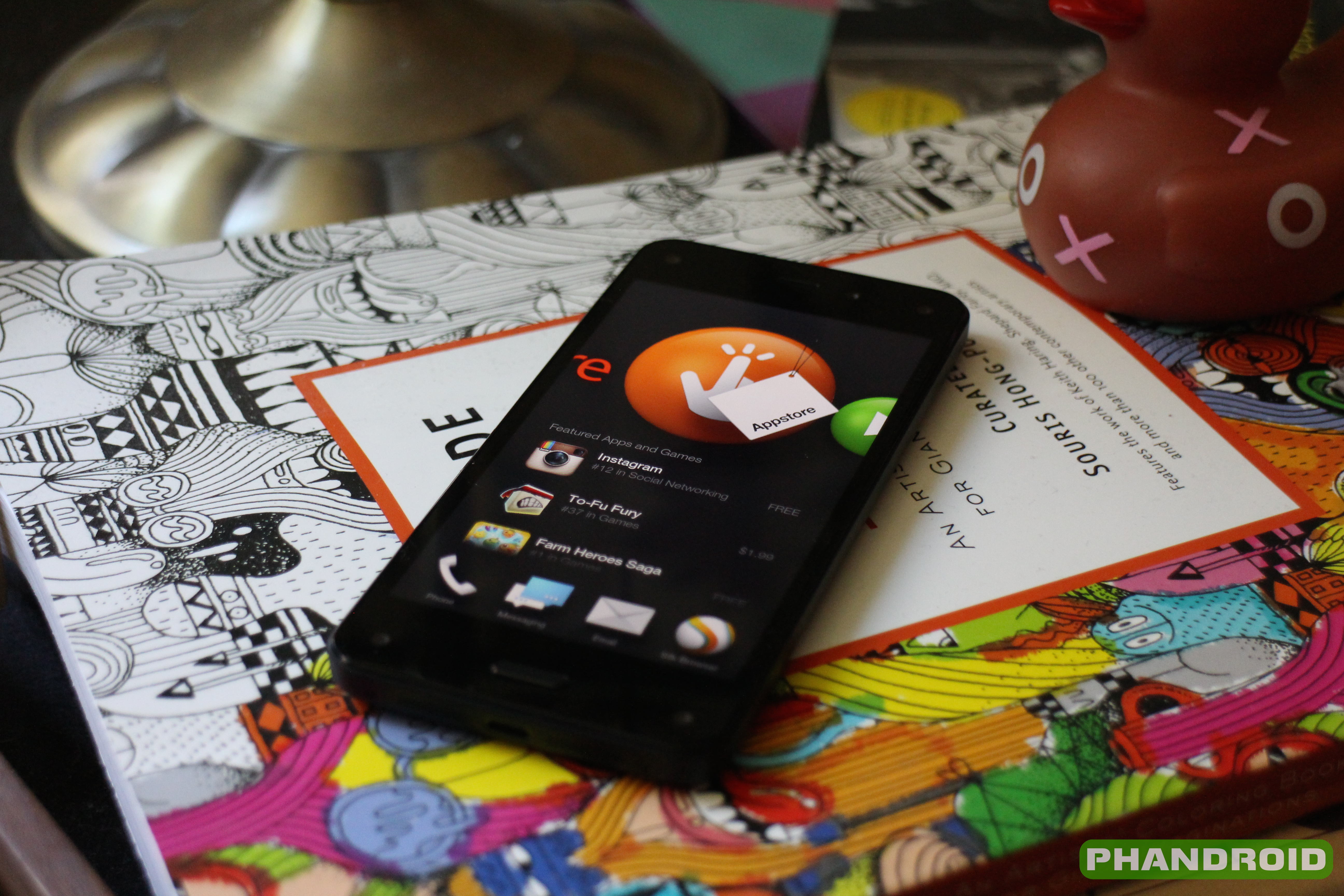
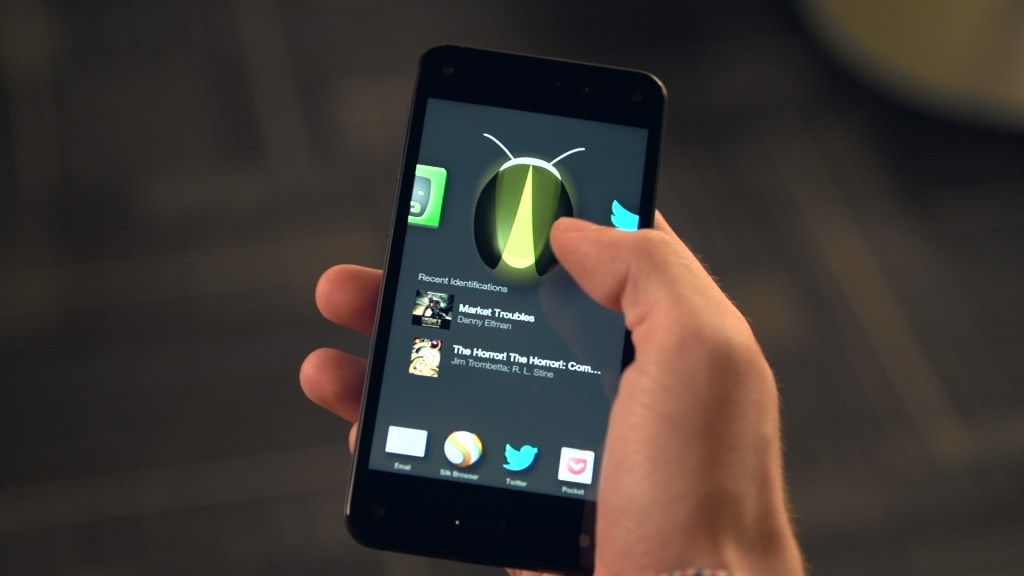
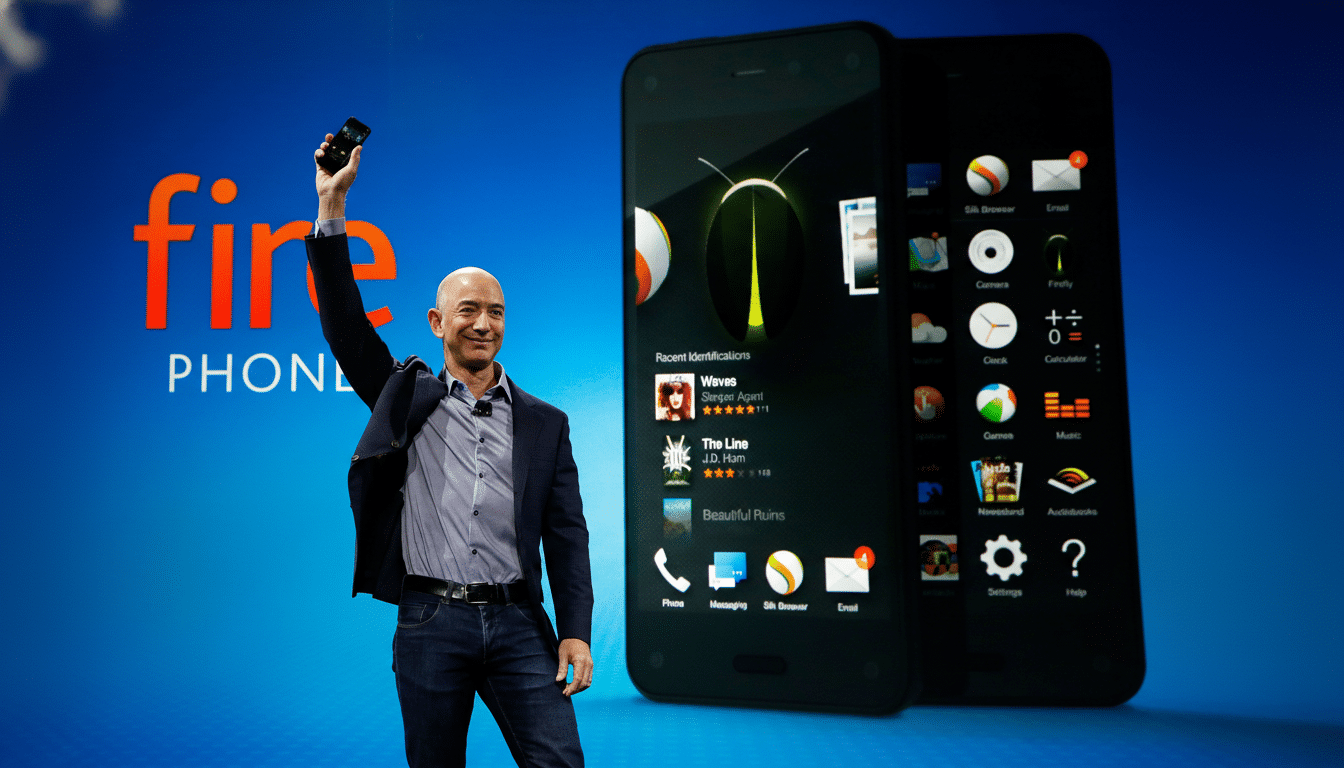
Amazon's reported development of the "Transformer" smartphone represents a fundamental strategic pivot in how the company intends to control mobile shopping experiences and Alexa integration. Unlike the failed Fire Phone (discontinued 2014), this device prioritizes AI-driven shopping capabilities with a generative UI that could eliminate traditional app stores—aligning with industry trends toward single-app operating systems championed by Nothing CEO Carl Pei. The project remains in active development with undisclosed launch timeline, budget, and operating system details, though Reuters reports it could be scrapped entirely.
For e-commerce sellers, this development creates both immediate opportunities and strategic uncertainties. A successful Amazon smartphone would establish unprecedented control over mobile shopping discovery, potentially creating new sales channels through pre-installed shopping features and exclusive seller partnerships. The device's integration with AWS capabilities, smart home connectivity, and real-time inventory management tools could fundamentally reshape how products are discovered and purchased on mobile devices. Sellers currently optimizing for Amazon's mobile app would face new algorithmic requirements specific to Alexa-driven shopping interfaces and voice-activated product discovery.
However, significant headwinds threaten viability. IDC analyst Francisco Jeronimo warns that current economic conditions make smartphone manufacturing "even worse" than 2014, citing memory chip shortages, geopolitical supply-chain disruptions, and tariffs that would substantially increase production costs. Apple, Samsung, and Xiaomi already offer comparable AI capabilities without forcing proprietary shopping integration, reducing differentiation. More critically, Amazon's privacy vulnerabilities present regulatory and consumer adoption risks—the company ranks second-to-last in the 2025 Ranking Digital Rights Index, with documented failures protecting customer data, Ring camera surveillance issues, and Alexa transcript misuse for targeted advertising. UC Davis researcher Alexander Gamero-Garrido warns smartphone-scale deployment could enable Amazon to detect health conditions from voice patterns and serve targeted health product advertisements, while the company's acquisition of Bee AI (always-listening wearable) suggests aggressive data collection expansion plans.
For sellers, the strategic implication is clear: monitor this development closely as a potential game-changer in mobile commerce, but don't overcommit resources until launch viability becomes certain. The device could reshape product discovery and customer engagement within 18-24 months if successful, but failure probability remains high given market saturation, privacy concerns, and Amazon's documented hardware struggles.
Questions 8
How would voice-activated shopping on an Amazon smartphone change product discovery for sellers?
Voice commerce requires fundamentally different optimization than text-based search. Conversational queries ('Alexa, find me affordable wireless headphones under $50') differ from typed keywords, requiring sellers to optimize for natural language patterns, question-based searches, and long-tail voice queries. Product titles and descriptions must accommodate voice search algorithms that prioritize clarity and specificity over keyword density. The generative UI that eliminates traditional app stores means product discovery happens through Alexa conversations rather than browsing categories or search results pages. This creates both opportunity and risk—sellers who optimize early for voice commerce gain advantage, but sellers relying on visual merchandising and category browsing lose visibility. News 1 notes the device 'may feature a generative UI that eliminates traditional app stores,' fundamentally changing how products are discovered. Sellers should begin A/B testing voice-optimized product descriptions now across existing Alexa shopping features to prepare for potential smartphone launch.
What is the timeline for Amazon's Transformer smartphone launch?
Reuters reports the project is in active development stages with undisclosed launch timeline, budget, and operating system details. The news explicitly states the project 'could potentially be scrapped entirely,' indicating no confirmed launch date exists. Industry sources suggest substantial resource investment in research and engineering, but News 2 notes 'success remains uncertain given the dominance of Apple and Samsung.' For sellers, this uncertainty means treating the smartphone as a potential 18-24 month opportunity at earliest, with significant probability of cancellation. Rather than waiting for launch, sellers should focus on optimizing for current mobile commerce channels (Amazon app, Alexa shopping, Shopify mobile) where immediate ROI is measurable. Monitor quarterly Amazon earnings calls and patent filings for concrete development signals before making strategic resource commitments.