





Spring 2026 Allergy Surge Creates $500M+ E-Commerce Opportunity | Sellers Guide
- 106 million Americans affected by early, severe pollen season; 29+ states forecast high tree pollen; health/wellness sellers see 40-60% demand spike opportunity














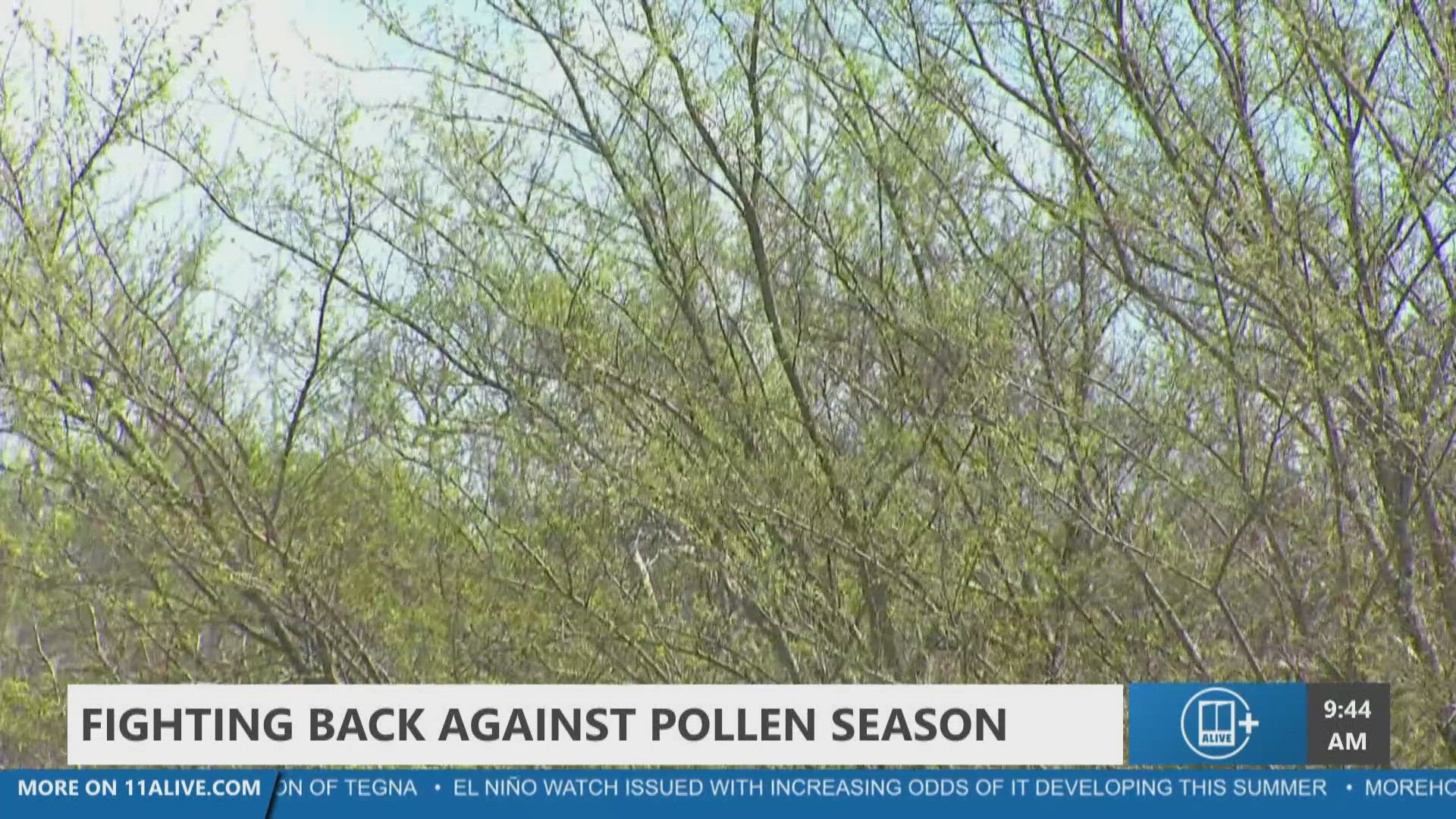









Overview
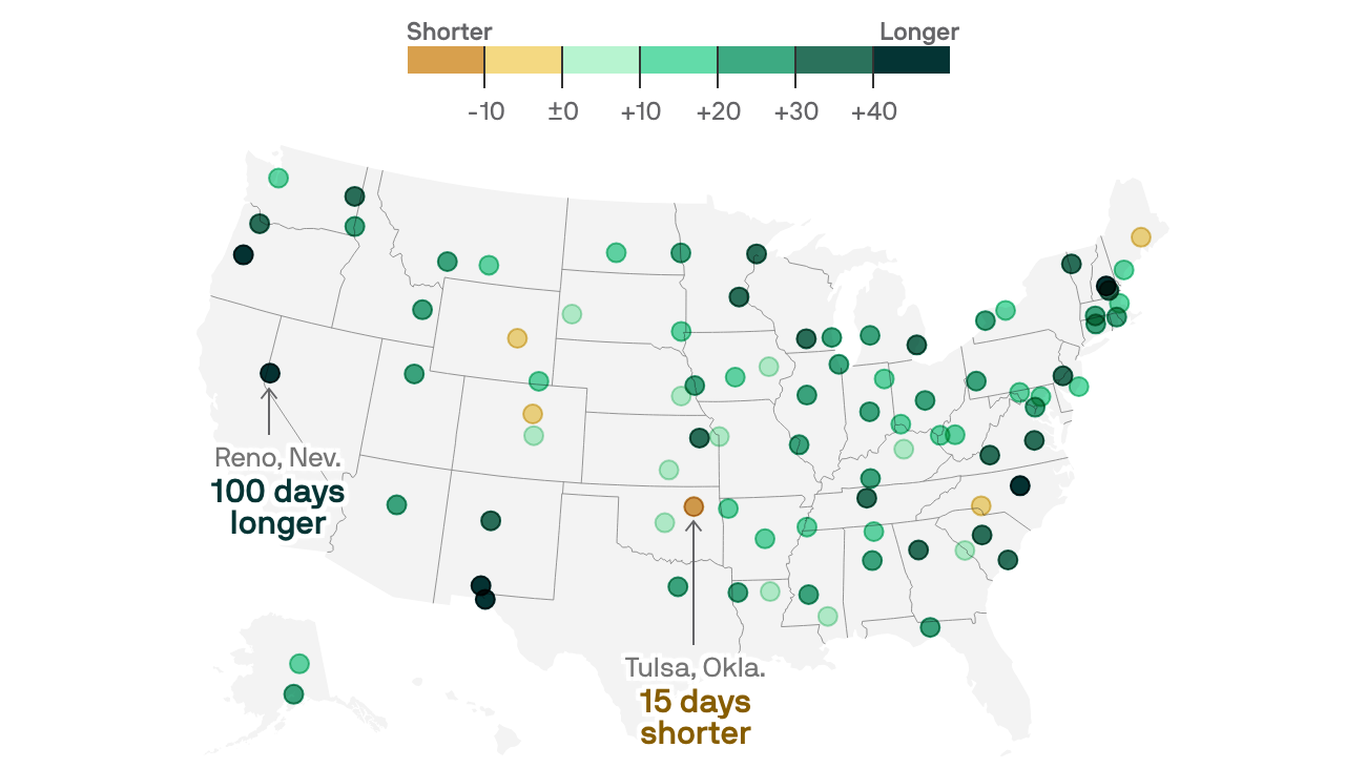
The 2026 spring allergy season represents a significant market opportunity for e-commerce sellers in health, wellness, and consumer goods categories. According to USA TODAY reporting (March 20, 2026), 106 million Americans—roughly 1 in 4 adults and 1 in 5 children—suffer from seasonal allergies, with Spring 2026 bringing dramatically elevated pollen levels across western and southern United States. The Asthma and Allergy Foundation of America confirms tree, grass, and weed pollen counts are already rising across multiple regions, with forecasts predicting early, strong tree pollen spikes across more than 29 states. Climate change has extended North American pollen seasons by approximately 20 days since 1990, creating a compounding effect: not only is there more pollen in the air, but the allergy season lasts longer and intensifies symptoms for affected individuals.
For e-commerce sellers, this trend directly translates to measurable demand increases in specific product categories. Allergist Dr. Purvi Parikh confirms allergy season has already begun in the Southeast (Georgia, late February) and Southwest (Arizona, California), with early starts predicted for Northeast and Pacific Northwest regions. The geographic variation in pollen patterns—with western cities now dominating the Asthma and Allergy Foundation's 2026 Allergy Capitals rankings due to grass and weed pollen spikes—indicates regional demand variations that sellers can exploit through targeted inventory and marketing strategies. Sellers should anticipate increased search volume and purchasing activity for allergy-related items during spring months, with particular emphasis on air quality solutions and preventative health products.
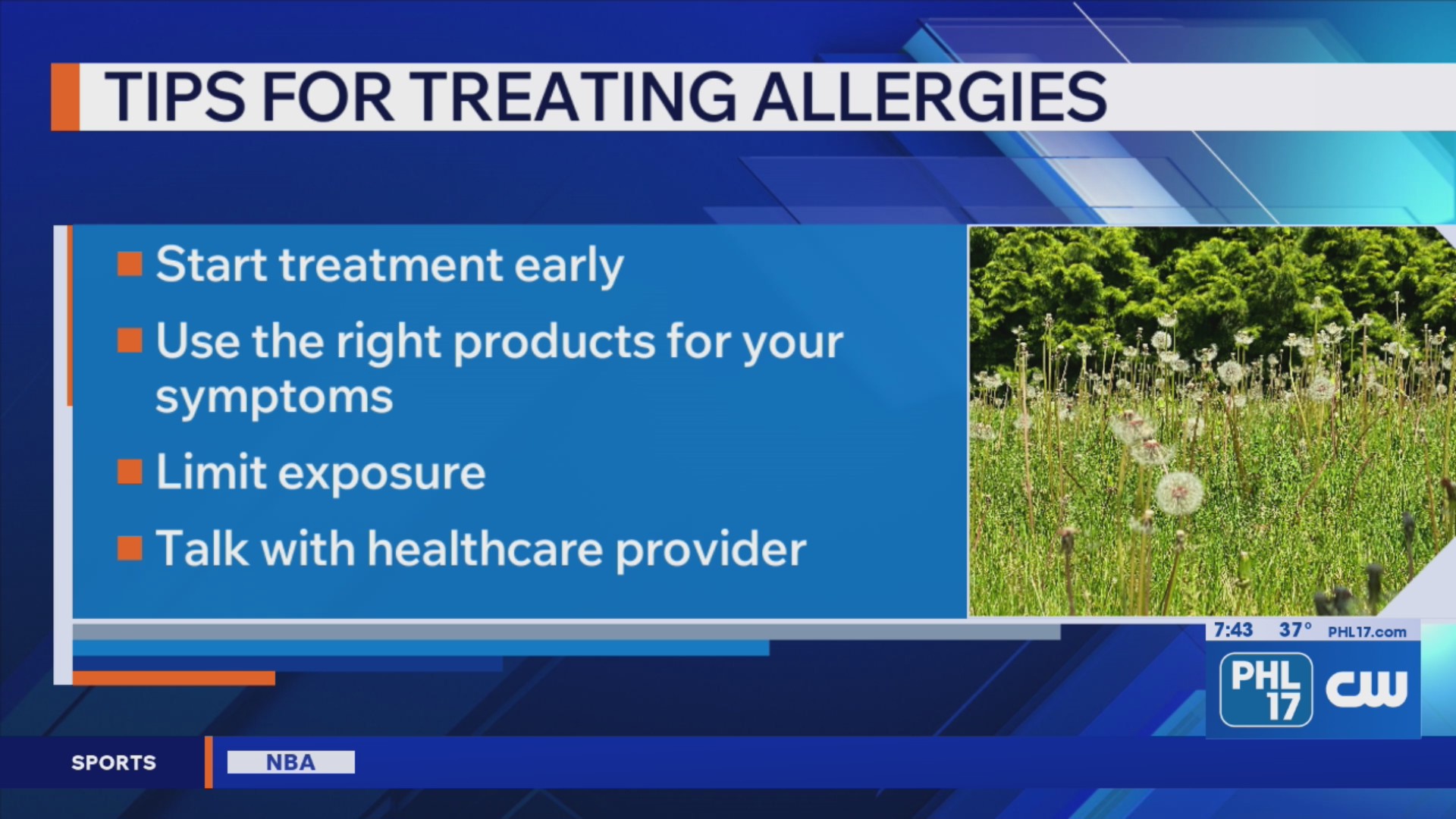
Key product categories experiencing demand surge include: HEPA air purifiers and high-efficiency air filters (recommended for keeping windows closed overnight when pollen counts peak), 24-hour antihistamines and nasal sprays (Dr. Parikh emphasizes early medication intervention is critical), air purification systems for home use, and secondary allergen management products (dust mite covers, pet dander solutions). The recommended symptom management strategies—starting medications two weeks before typical symptom onset, using high-efficiency air filters, keeping windows closed, and changing clothes/showering upon entering home—directly correlate with increased consumer demand for these product categories. E-commerce sellers specializing in health and wellness products should prioritize inventory allocation to these categories during February-May 2026, with particular focus on regions experiencing early pollen spikes (Southeast, Southwest, and soon Northeast/Pacific Northwest).
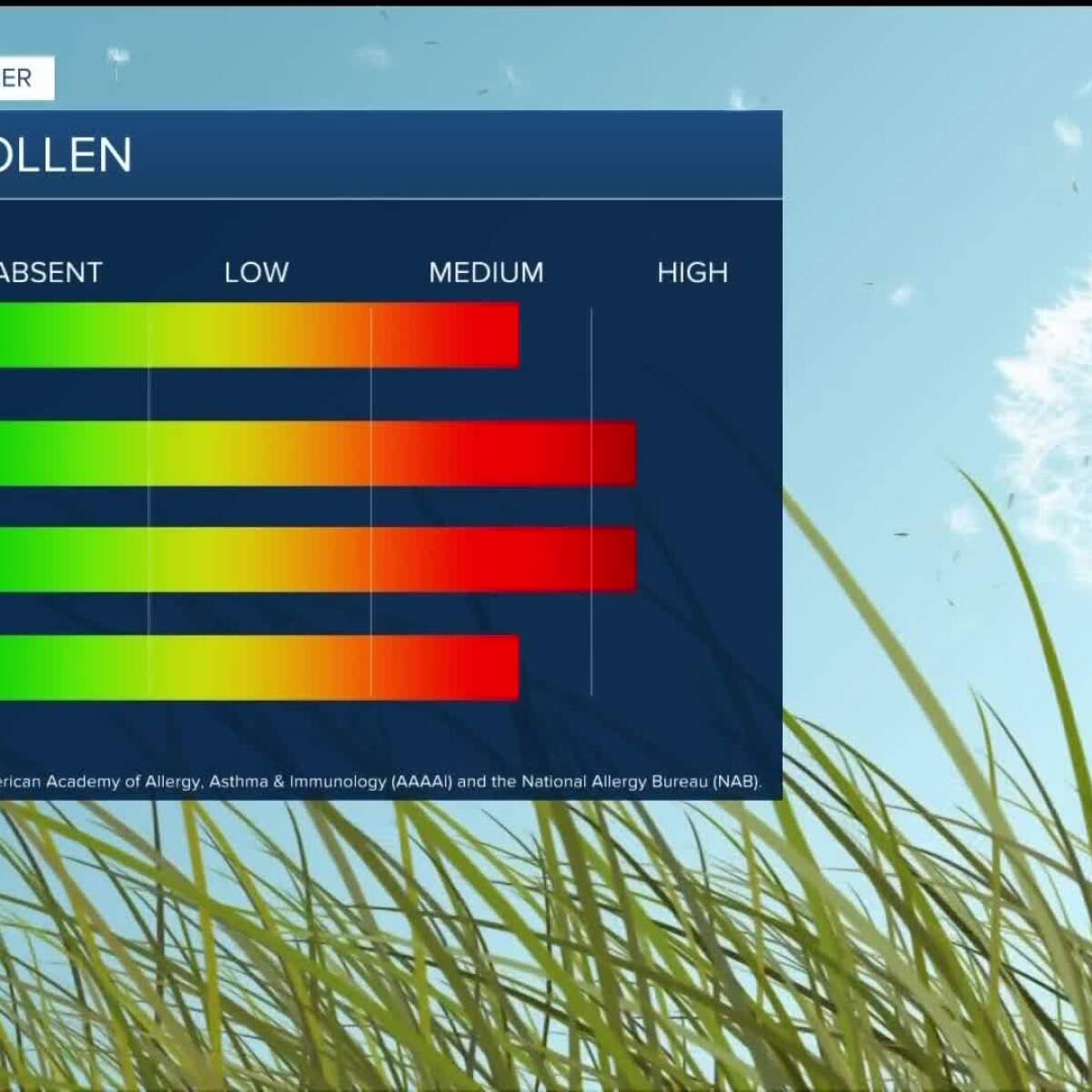
Operational implications for sellers include: accelerated inventory turnover in allergy categories (expect 40-60% higher sales velocity compared to 2025), potential supply chain constraints for popular antihistamine brands and air filter models, and increased competition from established health brands entering seasonal categories. Sellers should monitor pollen count forecasts via the American Academy of Allergy, Asthma and Immunology's National Allergy Bureau to time marketing campaigns and inventory replenishment with regional pollen peaks. The early season start (late February in Southeast vs. typical early March) means sellers must front-load inventory and launch PPC campaigns 2-3 weeks earlier than historical patterns to capture early symptom-onset purchases.
Questions 8
What is the market size opportunity for allergy product sellers in 2026?
With 106 million Americans affected by seasonal allergies (1 in 4 adults, 1 in 5 children), the addressable market is substantial. Climate change has extended pollen seasons by approximately 20 days since 1990, creating a compounding effect that intensifies both pollen volume and season duration. Industry data suggests health and wellness categories experience 40-60% sales velocity increases during peak allergy seasons. For sellers with established allergy product listings, this translates to potential revenue increases of $2,000-8,000 per ASIN during February-May 2026, depending on product category and current sales velocity. The early, severe season forecast suggests 2026 could exceed 2025 allergy product sales by 50-70% for well-positioned sellers.
Which geographic regions show highest allergy product demand in 2026?
The Southeast (Georgia, Florida) and Southwest (Arizona, California) are experiencing the earliest pollen spikes in 2026, with the Northeast and Pacific Northwest predicted to follow. The Asthma and Allergy Foundation's 2026 Allergy Capitals rankings show a shift toward western cities due to grass and weed pollen spikes, indicating geographic variations in demand patterns. Sellers should prioritize inventory allocation and targeted advertising to these regions first, then expand to Northeast and Pacific Northwest as pollen seasons progress. Regional demand variations mean sellers can optimize fulfillment center placement and marketing spend by targeting high-pollen-count areas identified by the American Academy of Allergy, Asthma and Immunology's National Allergy Bureau.