



Iran Energy Crisis Threatens 21% Global Oil Supply | Cross-Border Seller Logistics Cost Surge 2025
- Fuel surcharges could spike 15-30% on international shipping; FBA storage and fulfillment fees expected to rise; sellers must diversify logistics partners and lock in shipping rates before Q1 2025












Overview
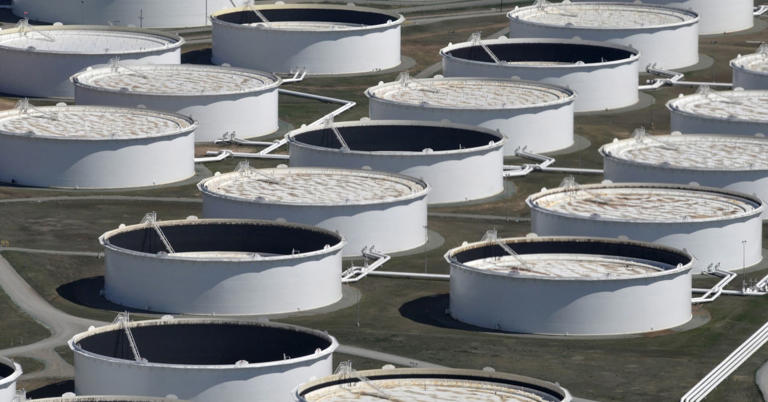
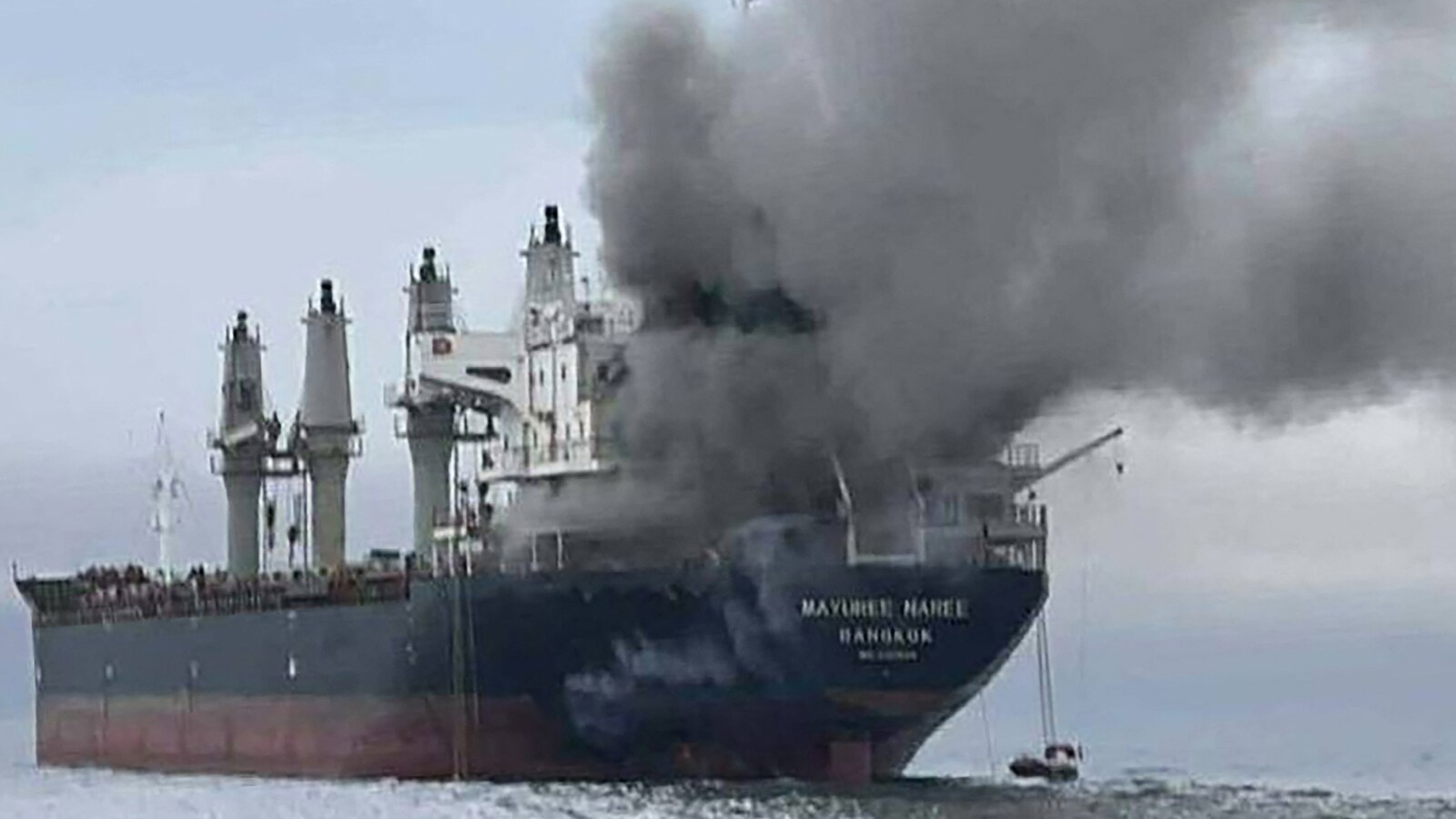
The International Energy Agency (IEA) has issued a critical warning that potential military escalation involving Iran represents the greatest threat to global energy security in history, with direct implications for cross-border e-commerce sellers worldwide. The Strait of Hormuz, through which approximately 21% of global petroleum passes daily, faces unprecedented disruption risk. This geopolitical vulnerability creates immediate operational cost pressures across the entire e-commerce supply chain, affecting sellers on Amazon FBA, eBay, Shopify, and other platforms.
Direct Cost Impact on E-Commerce Operations: Fuel surcharges on international shipping could increase 15-30% during supply disruptions, directly compressing seller margins across all categories. For sellers using air freight or expedited services—critical for time-sensitive categories like electronics, fashion, and perishables—operational costs will rise substantially. Energy-intensive warehousing operations, particularly climate-controlled facilities required for sensitive products (cosmetics, pharmaceuticals, electronics), face elevated expenses that Amazon and third-party logistics providers will pass through to sellers via increased FBA storage fees, fulfillment fees, and surcharges. A seller shipping 1,000+ units monthly via FBA could see monthly costs increase $200-400 depending on product weight and category. Manufacturing costs for sellers producing goods in energy-dependent regions (Southeast Asia, Middle East, North Africa) will compress margins by 8-15%, making cost-plus pricing models unsustainable.
Strategic Sourcing and Logistics Realignment: The tight global energy market with limited spare production capacity means this risk persists through 2025 and beyond. Sellers must immediately review shipping contracts for fuel surcharge clauses and negotiate caps before rates spike. Diversifying logistics partners across multiple 3PL providers and regional fulfillment centers reduces exposure to single-carrier fuel surcharge increases. Sellers should shift 20-30% of inventory from air freight to slower, cheaper ocean freight where product lead times permit, and consider nearshoring strategies to reduce transportation distances. The IEA's recommendations for reduced air travel and increased carpooling signal broader demand-side energy conservation, which may temporarily suppress consumer spending on discretionary goods while increasing demand for energy-efficient products and home goods.
Platform Fee Escalation Risk: E-commerce platforms relying on data centers will experience elevated infrastructure costs, with Amazon, Shopify, and eBay likely passing increases to sellers through higher referral fees, storage fees, or new surcharges. Sellers should monitor platform announcements closely and lock in annual storage commitments before Q1 2025 to avoid mid-year rate increases. The combination of geopolitical risk and energy volatility creates a 6-12 month window where sellers can negotiate favorable logistics rates before market-wide price adjustments occur.
Questions 8
Will Amazon FBA fees increase due to energy costs?
Yes, Amazon and other e-commerce platforms will likely pass elevated energy infrastructure costs to sellers through higher FBA fulfillment fees and storage fees. Energy-intensive climate-controlled warehouses (required for electronics, cosmetics, pharmaceuticals) face the highest cost increases. Sellers should expect 5-8% increases in FBA fees by Q2 2025. Lock in annual storage commitments before January 31, 2025 to avoid mid-year rate hikes. Monitor Amazon Seller Central announcements for fee changes and consider shifting slower-moving inventory to 3PL providers with lower energy costs.
Which product categories face the biggest margin compression from energy costs?
Energy-intensive categories face the largest margin compression: electronics (requires climate control), perishables and cosmetics (temperature-sensitive), and heavy goods requiring air freight. Sellers in these categories should expect 8-15% margin compression from combined shipping surcharges and FBA fee increases. Conversely, lightweight, non-perishable items (apparel, books, small accessories) see minimal impact. Sellers should prioritize inventory shifts toward lower-energy categories and negotiate supplier cost reductions in energy-dependent regions (Southeast Asia, Middle East) where manufacturing costs will rise 10-20%.