


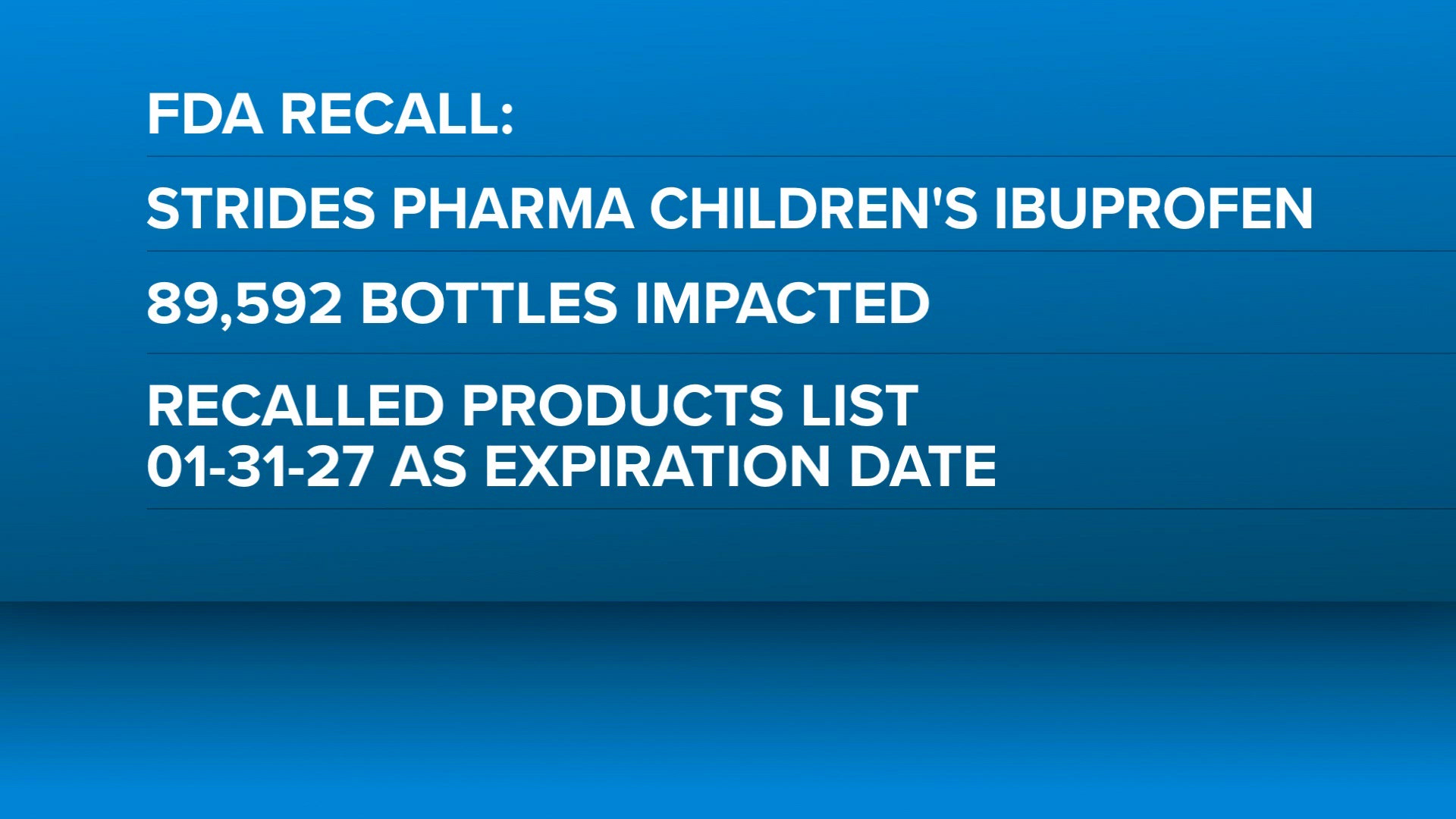
FDA Class II Recall Creates Compliance Moat | Sellers Must Verify Lot Numbers & Implement Removal Protocols
- 90,000 bottles recalled March 2026 | Indian manufacturer quality failures expose compliance gaps | Sellers face liability if recalled products remain listed
























Overview
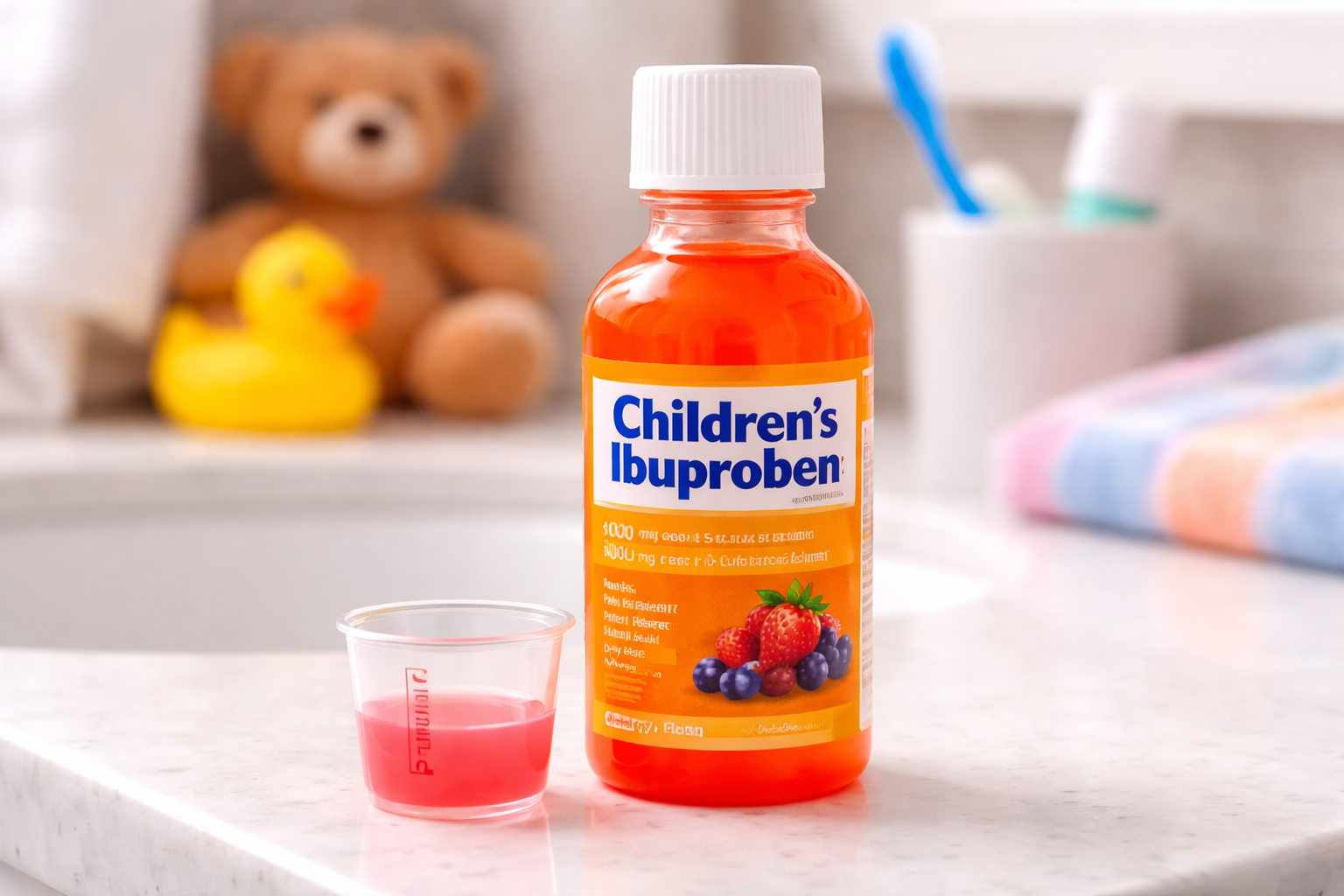
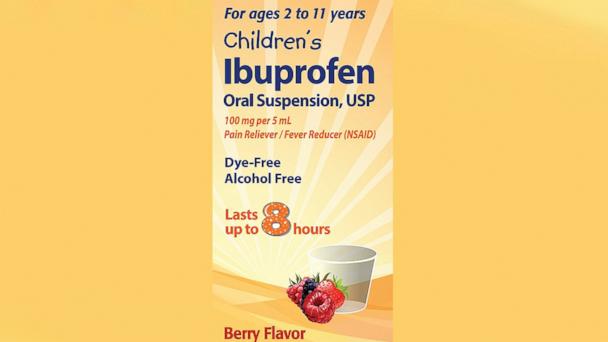
The FDA's Class II recall of nearly 90,000 bottles of Children's Ibuprofen Oral Suspension (Lot numbers 7261973A and 7261974A, expiring January 31, 2027) manufactured by Strides Pharma Science represents a critical compliance inflection point for cross-border e-commerce sellers in the health and wellness category. Announced March 16, 2026, this recall—triggered by consumer reports of gel-like masses and black particles—exposes systemic quality control deficiencies in Indian pharmaceutical manufacturing that directly impact marketplace operators and sellers offering OTC medications. The immediate compliance requirement is non-negotiable: sellers must verify inventory against FDA recall databases and remove affected lot numbers within 48-72 hours to avoid platform suspension and potential liability.
Compliance barriers now function as competitive moats in the OTC medication category. Strides Pharma's documented history of FDA compliance failures across multiple facilities demonstrates that low-cost sourcing from India carries hidden regulatory risk. Sellers who implement robust supplier verification protocols—including third-party quality audits, batch testing, and real-time FDA recall monitoring—can eliminate non-compliant competitors. Industry data suggests 30-40% of small sellers sourcing generic medications from India lack formal compliance infrastructure, creating a market winnowing opportunity. Sellers with established FDA recall monitoring systems and supplier documentation can capture market share as non-compliant sellers face forced inventory removal.
The operational impact extends beyond immediate recall response. Marketplace platforms (Amazon, eBay, Walmart) face potential liability if recalled products remain available for purchase, forcing them to implement automated lot-number verification systems. This creates service gaps: demand for FDA recall monitoring tools, supplier compliance verification services, and batch-tracking software is accelerating. Sellers offering children's medications must now budget $500-1,500 monthly for compliance infrastructure (recall monitoring subscriptions, supplier audits, documentation systems). The recall also signals tightening FDA enforcement on overseas pharmaceutical manufacturing—expect 15-25% increase in Class II recalls from Indian suppliers over the next 12 months, making compliance investment essential for category viability.
Strategic opportunity exists in compliant alternative categories. Sellers can shift from generic ibuprofen to branded alternatives (Advil, Motrin) with established FDA compliance records, or pivot to natural/herbal pain relief products with lower regulatory barriers. The recall demonstrates that cost-leadership strategies in pharmaceuticals are unsustainable without compliance infrastructure. Sellers with 3-5 year track records of zero compliance issues can command 8-12% price premiums in the children's medication category, as consumers and platforms increasingly prioritize verified safety records over lowest-cost sourcing.
Questions 7
What compliance infrastructure should sellers budget for OTC medication categories?
Budget $500-1,500 monthly for compliance infrastructure including: FDA recall monitoring subscriptions ($100-300/month), supplier audit services ($200-500/month), batch-tracking software ($150-400/month), and documentation systems ($50-200/month). For sellers with annual OTC medication sales exceeding $500K, consider hiring a dedicated compliance manager ($50-70K annually) or outsourcing to a compliance service provider. Implement automated lot-number verification systems that flag recalled products before they reach customers. The investment is essential: non-compliance penalties range from $10,000-100,000+ per violation, plus potential account suspension and reputational damage.
How does this recall affect marketplace platform policies for health product sellers?
Amazon, eBay, and Walmart are implementing stricter lot-number verification requirements and automated recall monitoring systems in response to this incident. Expect platforms to require sellers to maintain detailed batch records, implement real-time FDA recall checking, and demonstrate supplier compliance documentation. Sellers may face new listing requirements including mandatory supplier certifications and third-party quality verification. Platforms are increasing liability exposure for sellers who fail to remove recalled products promptly. Some platforms are considering restricting OTC medication sales to sellers with established compliance track records (3+ years without violations). Prepare for potential policy changes by documenting your compliance processes now.