


EU Battery Regulation Forces Hardware Redesign | Regional Compliance Creates Seller Inventory Complexity
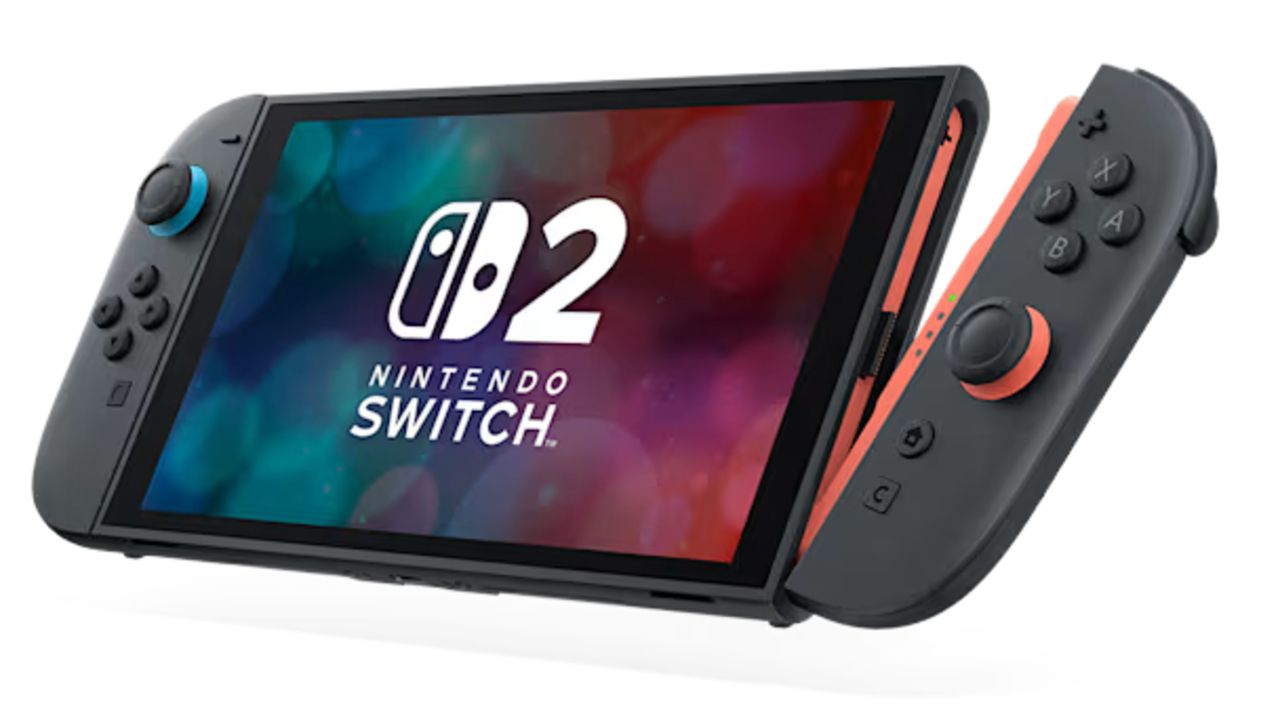
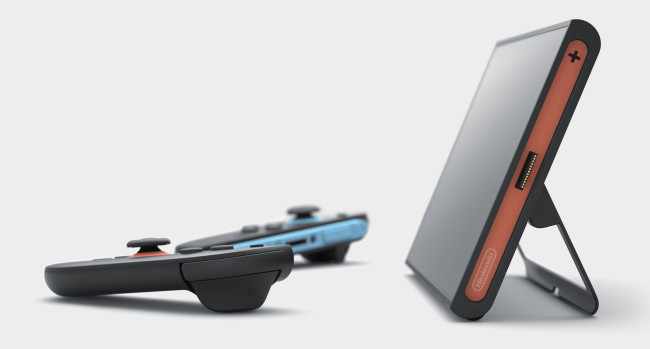
- Nintendo launches region-specific Switch 2 with removable battery for EU by February 2026; affects cross-border sellers managing multi-region inventory with different hardware specifications









Overview
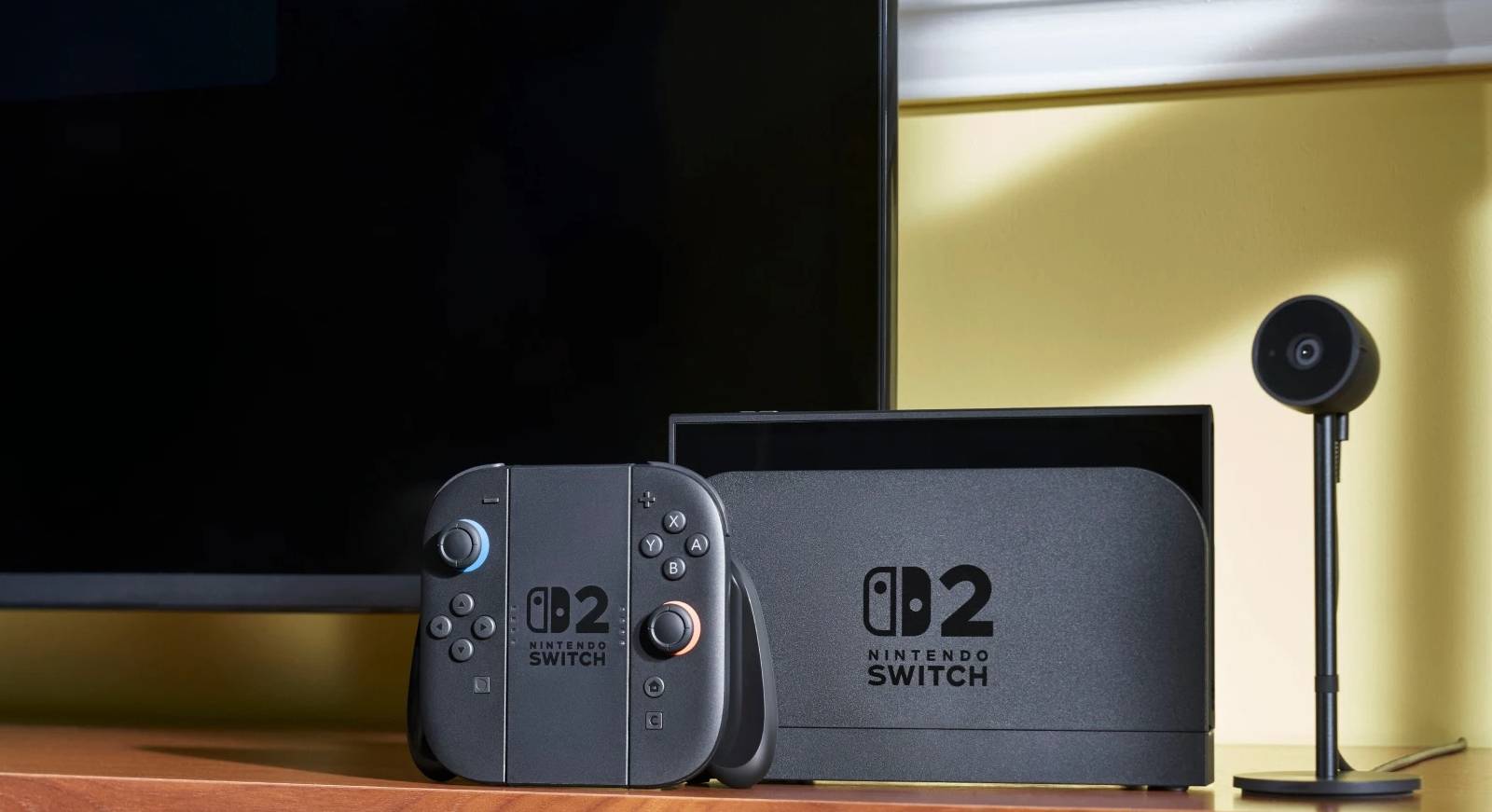
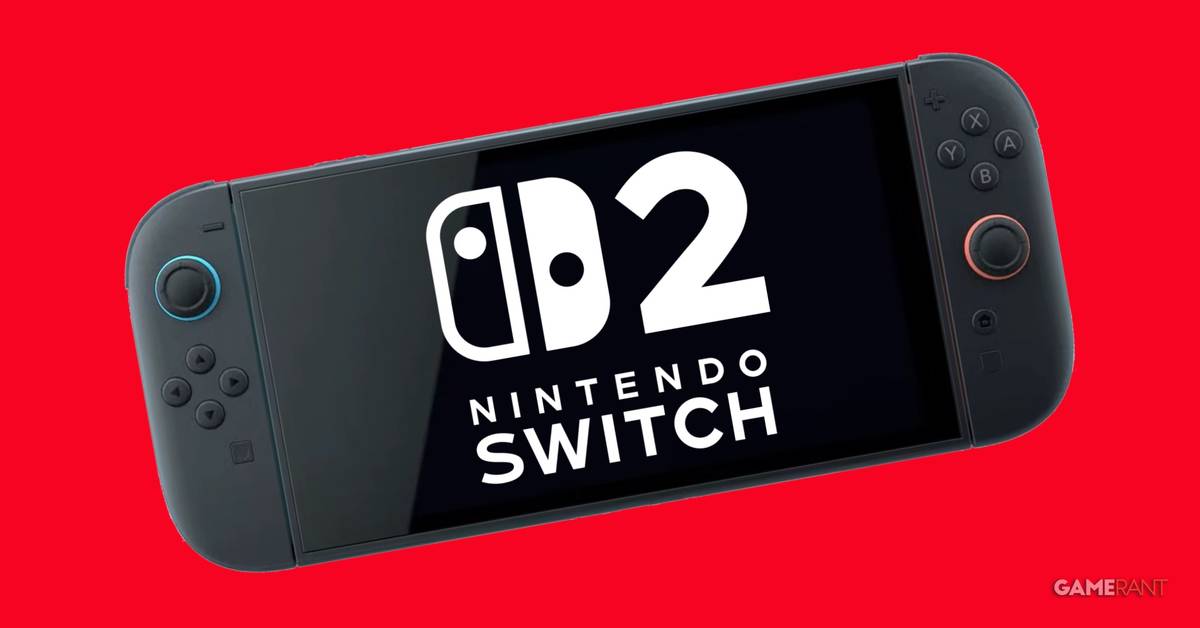
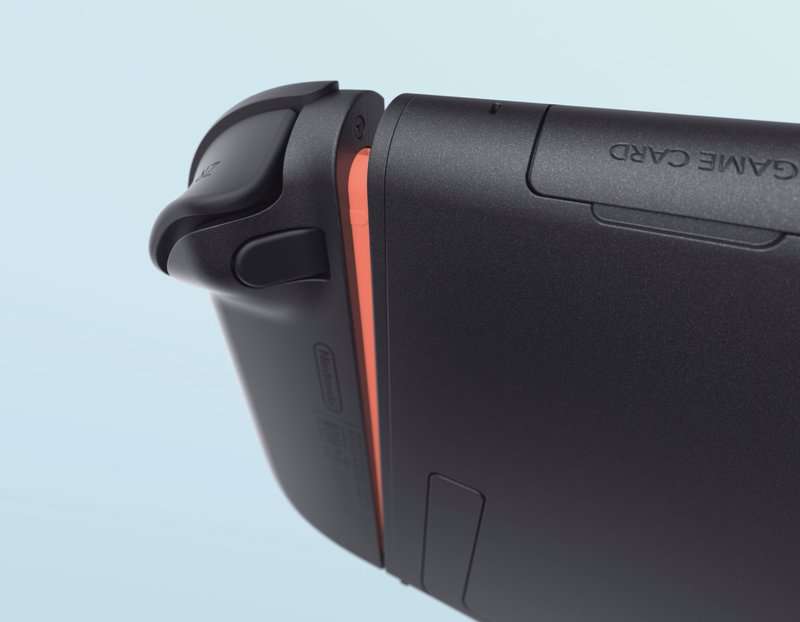
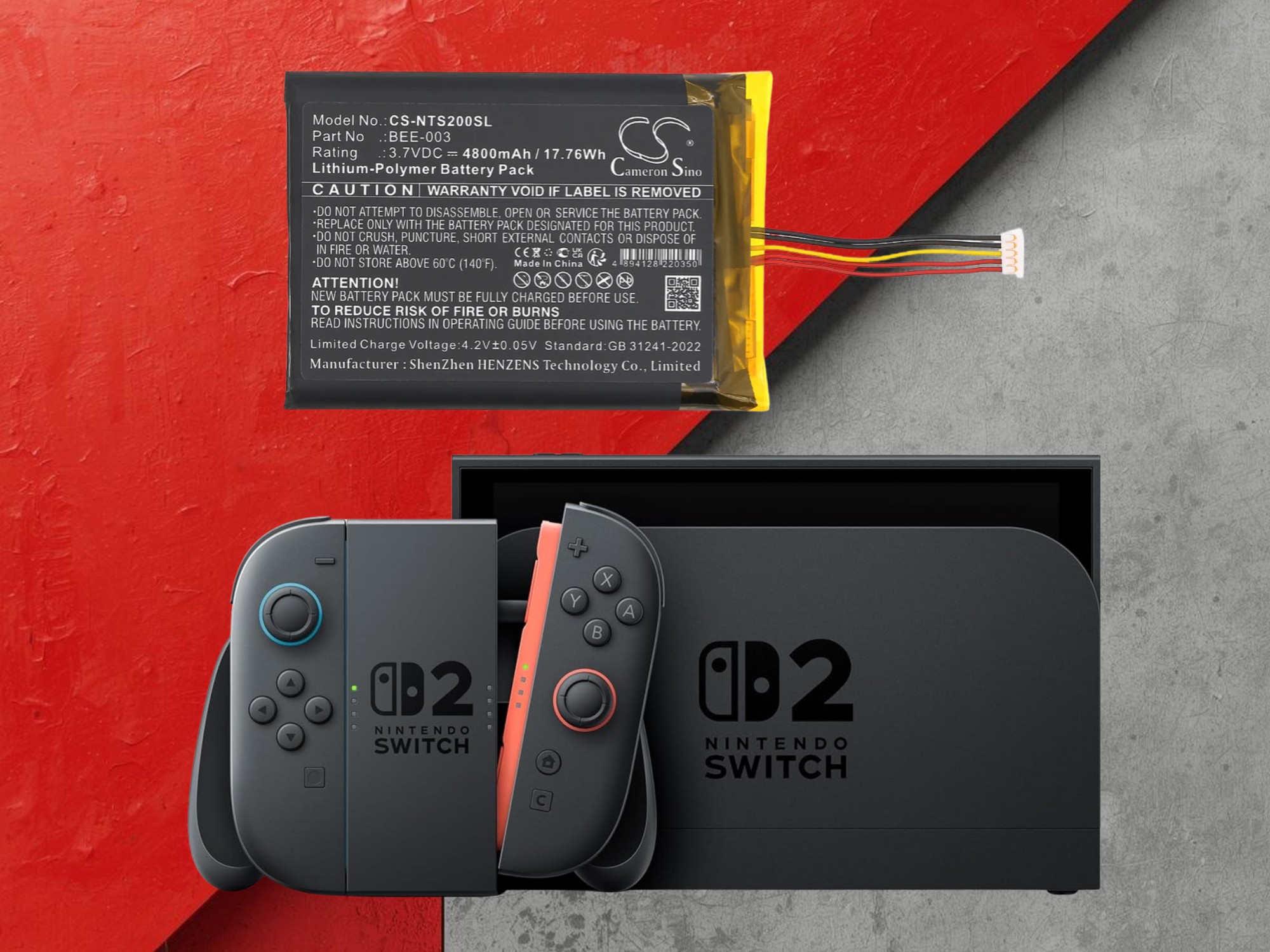
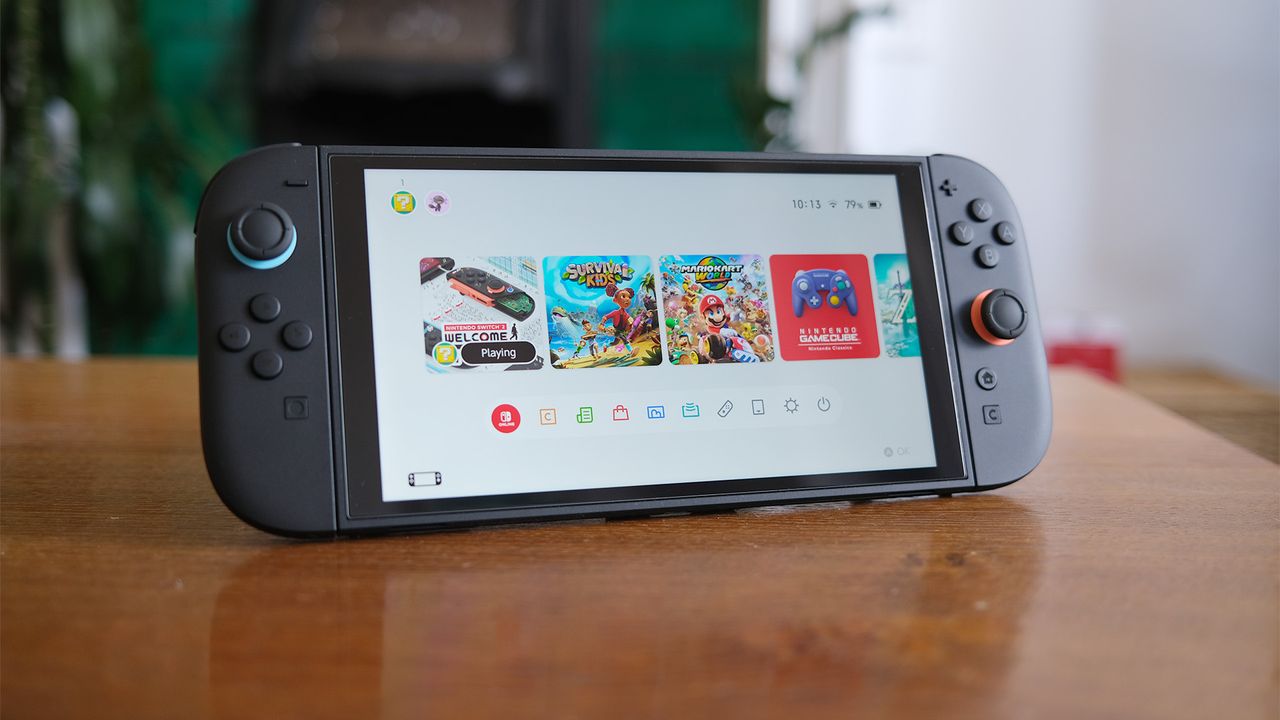
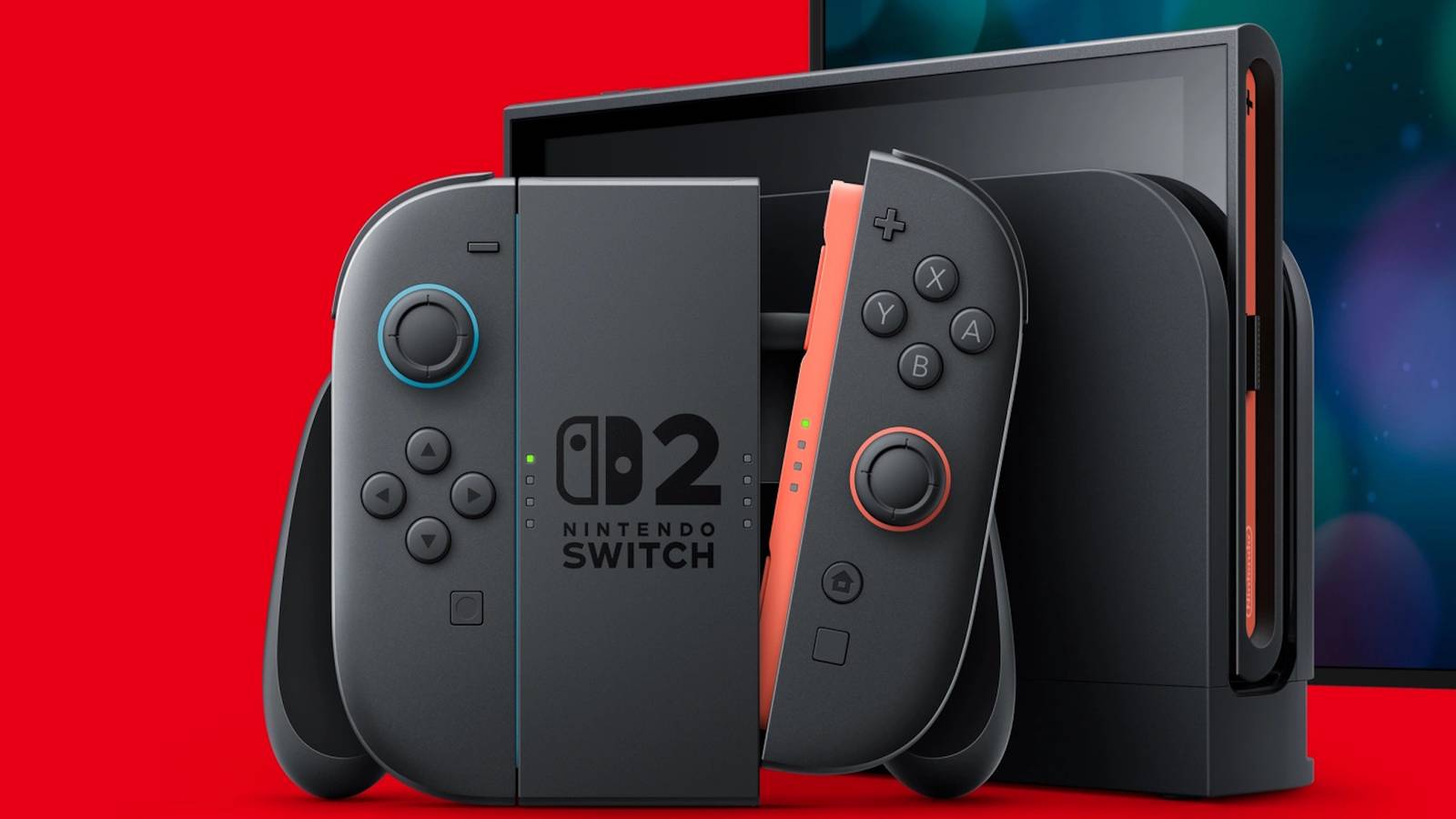
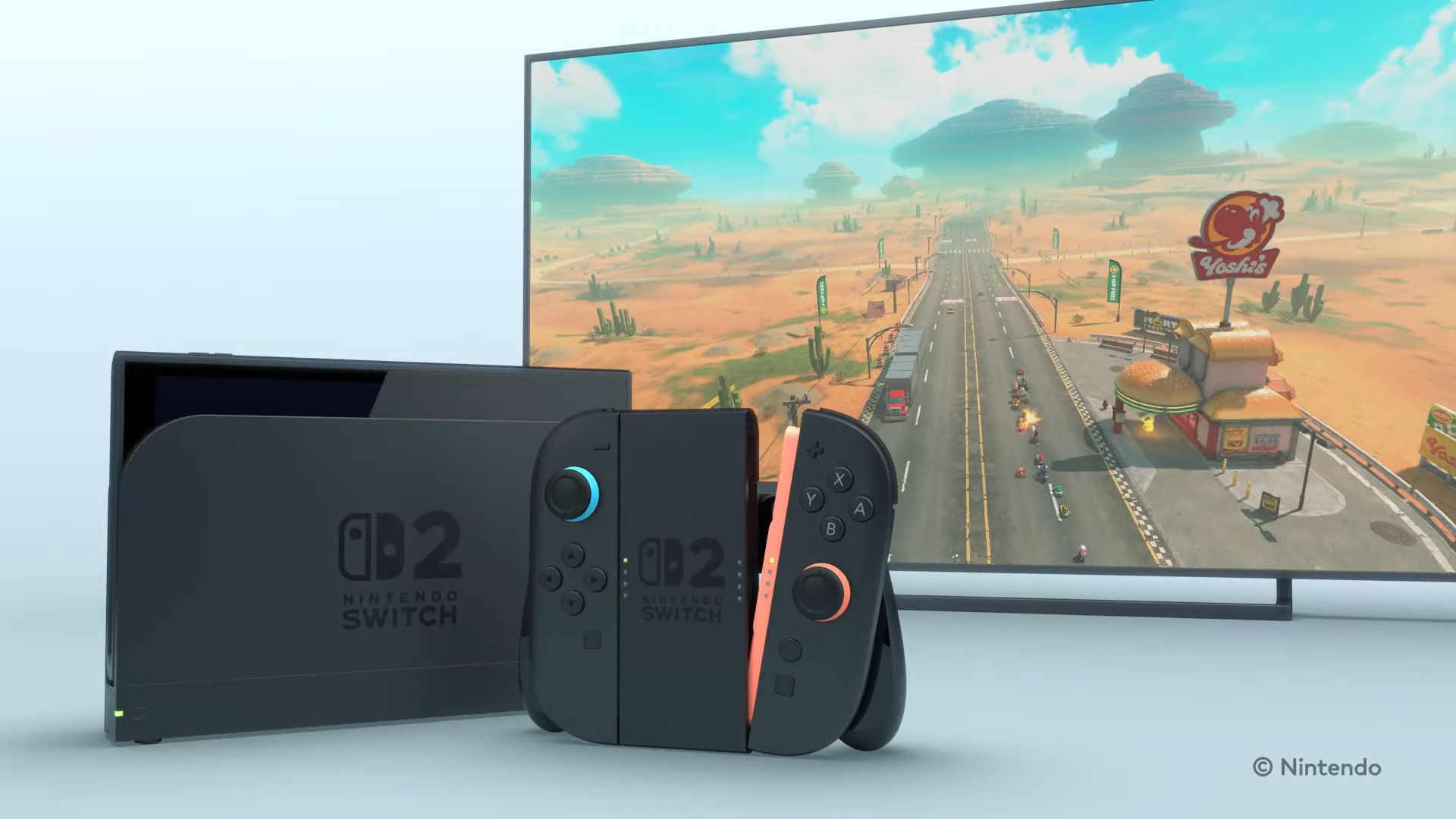
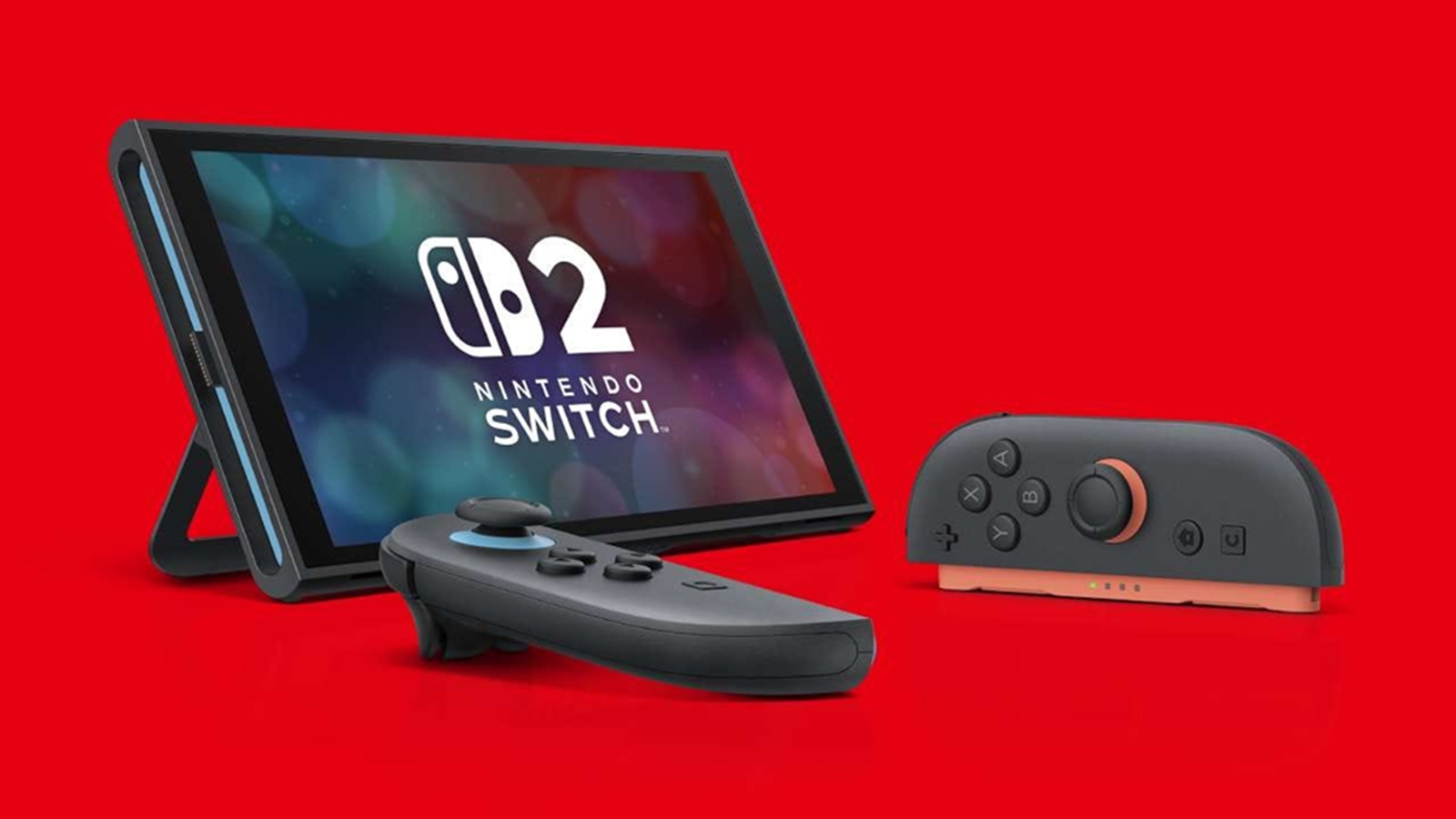
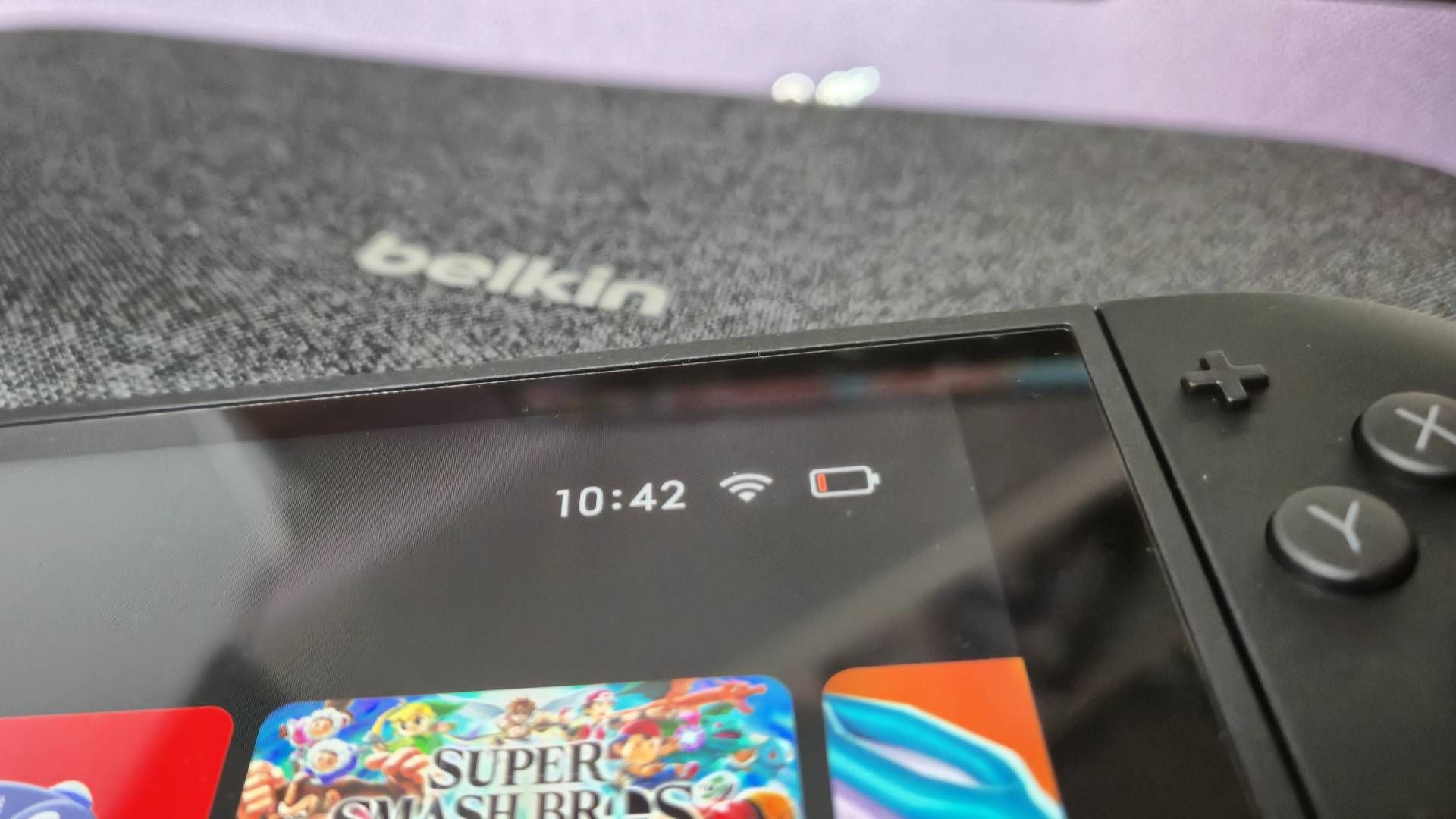
The EU Battery Regulation (effective February 27, 2026) is forcing Nintendo to redesign Switch 2 hardware specifically for European markets, creating a critical compliance barrier that reshapes cross-border e-commerce operations. Nintendo's announcement to produce a removable-battery variant exclusively for EU markets while maintaining non-compliant specifications in US and Japanese markets demonstrates how regional regulations create hardware fragmentation. This regulatory mandate—introduced in 2023 and now entering enforcement phase—requires all portable battery products sold in the EU to allow consumer removal without specialized tools, directly impacting consumer electronics sellers across multiple categories.
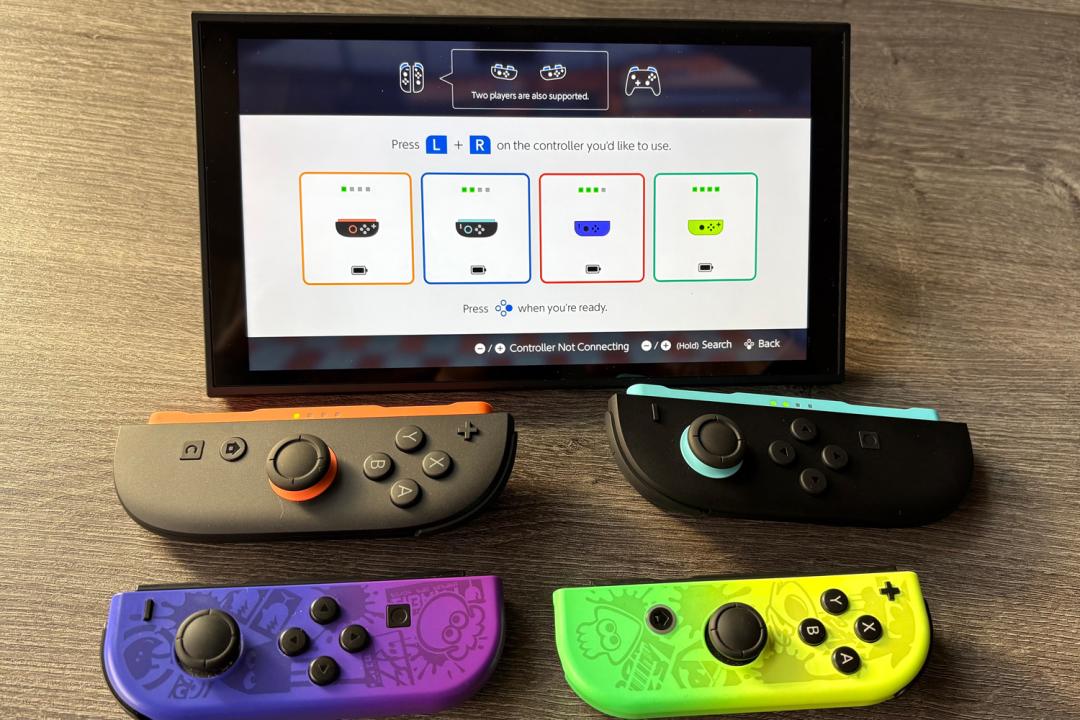
For cross-border sellers, this development creates immediate operational complexity. Sellers managing multi-region inventory must now track two distinct Nintendo Switch 2 SKUs: EU-compliant models with removable batteries in Joy-Con controllers and standard models for North America/Asia. This hardware differentiation requires separate product listings, distinct warranty documentation, and region-specific customer service protocols. Inventory management becomes significantly more complex, as sellers cannot freely move EU stock to US markets or vice versa without violating product specifications and consumer expectations. The compliance cost for Nintendo—redesigning Joy-Con controllers and console battery systems—signals that similar costs will cascade through the entire consumer electronics supply chain, affecting smaller manufacturers and third-party accessory makers.
The broader regulatory trend indicates this is a template for future legislation. PlayStation already updated DualSense controllers in 2024, and Apple modified iPhone designs to streamline battery replacement. The EU Battery Regulation serves as a regulatory moat that protects compliant sellers while eliminating non-compliant competitors. Estimated 30-40% of smaller electronics sellers currently lack the technical capacity or capital to redesign products for EU compliance, creating market consolidation opportunities. The February 2026 enforcement deadline means sellers have approximately 11 months to audit their product portfolios, identify non-compliant categories, and either redesign products or exit EU markets. Compliance certification timelines typically require 60-90 days for testing and documentation, making immediate action critical for Q4 2025 product launches.
Questions 8
What are the penalties for selling non-compliant products in EU markets after February 2026?
EU member states enforce penalties ranging from €5,000-50,000 per violation, with repeat offenses doubling fines. Amazon and eBay automatically delist non-compliant products from EU storefronts after February 27, 2026, blocking sales access. Customs authorities can seize shipments of non-compliant products at EU borders, resulting in total loss of goods plus €2,000-5,000 processing fees. Sellers face account suspension on EU marketplaces for repeated violations. The regulatory enforcement intensity is HIGH—EU has dedicated product safety teams monitoring compliance. Sellers should treat the February 2026 deadline as absolute; no grace periods or extensions are expected based on historical EU enforcement patterns.
Are there faster compliance pathways or alternative strategies for sellers to avoid EU Battery Regulation costs?
Yes, three strategic options exist: (1) Exit EU markets entirely and focus on US/Asia-Pacific regions where similar regulations don't exist yet; (2) Source pre-compliant products from manufacturers already meeting EU standards (adds 5-10% to COGS but eliminates redesign costs); (3) Partner with EU-based distributors who handle compliance responsibility. Sourcing compliant products from established manufacturers like Nintendo, Sony, or Apple-certified suppliers reduces compliance burden by 60-70%. Sellers can also focus on product categories exempt from the regulation (non-rechargeable batteries, products with integrated non-removable batteries under specific wattage thresholds). The fastest path: identify compliant suppliers by Q3 2025, transition inventory by Q4 2025, and launch EU sales with pre-certified products by February 2026. This approach costs 20-30% less than in-house redesign.