

MLB Draft Lottery Reveals Strategic Talent Acquisition Playbook for 2026
- Emerging Talent Strategies Reshape Team Building in Professional Baseball
















Overview
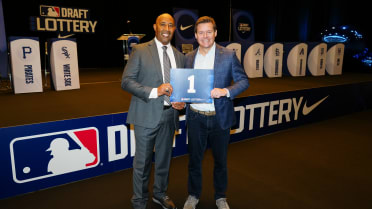
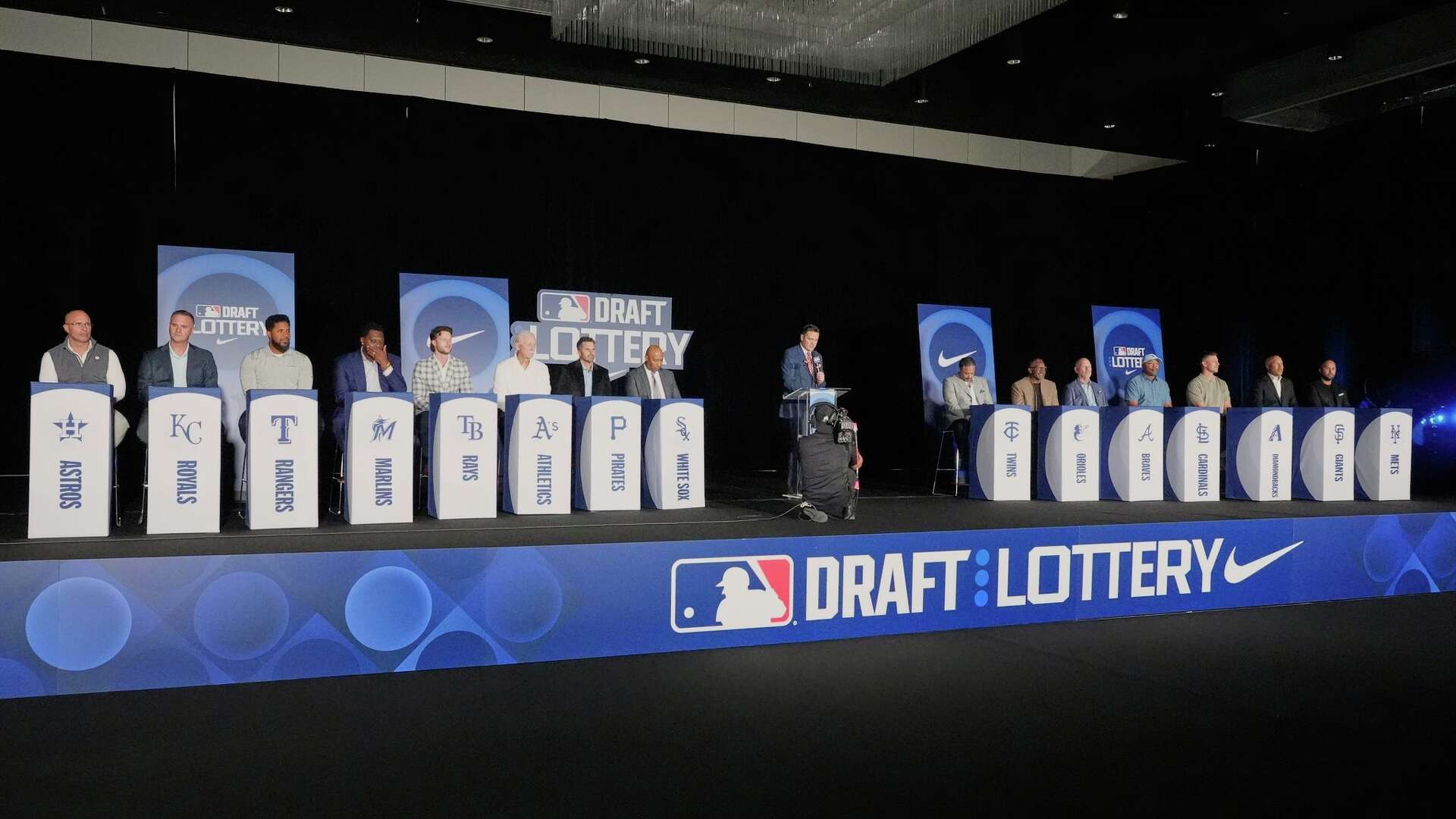
The 2026 MLB Draft Lottery unveils a sophisticated landscape of talent acquisition that goes far beyond simple player selection. Strategic talent scouting has evolved into a complex chess match where teams are not just picking players, but constructing long-term organizational architectures through carefully evaluated prospects.
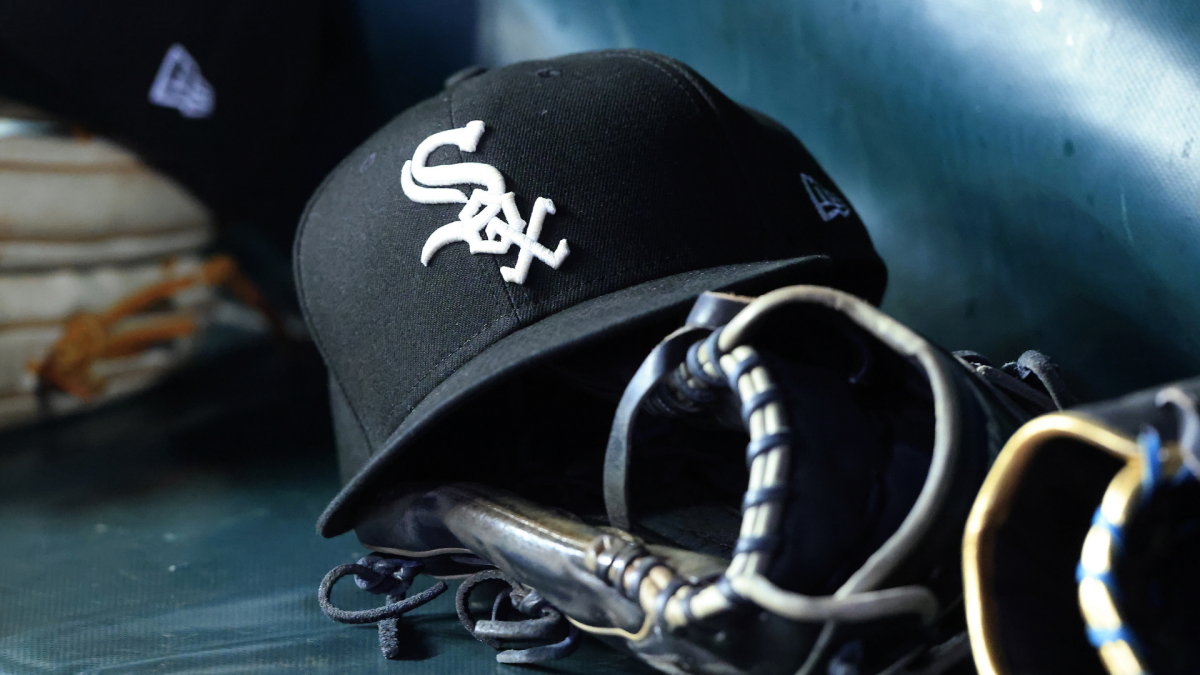
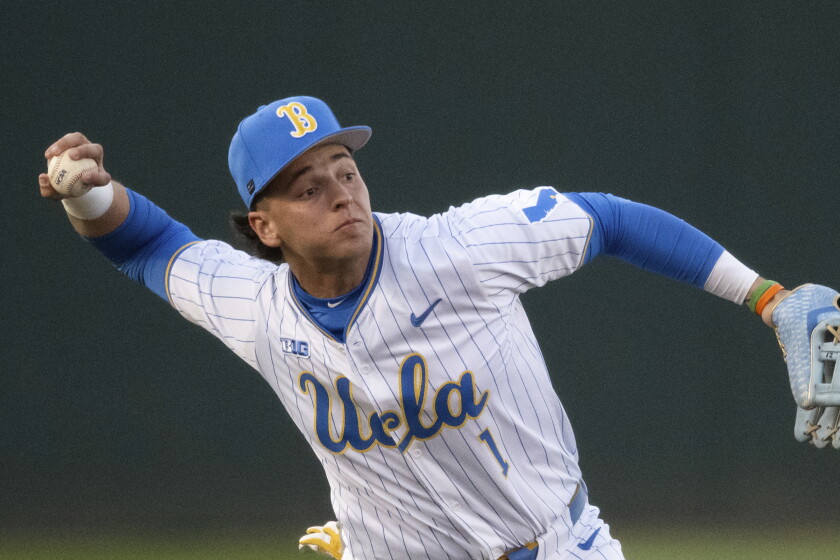
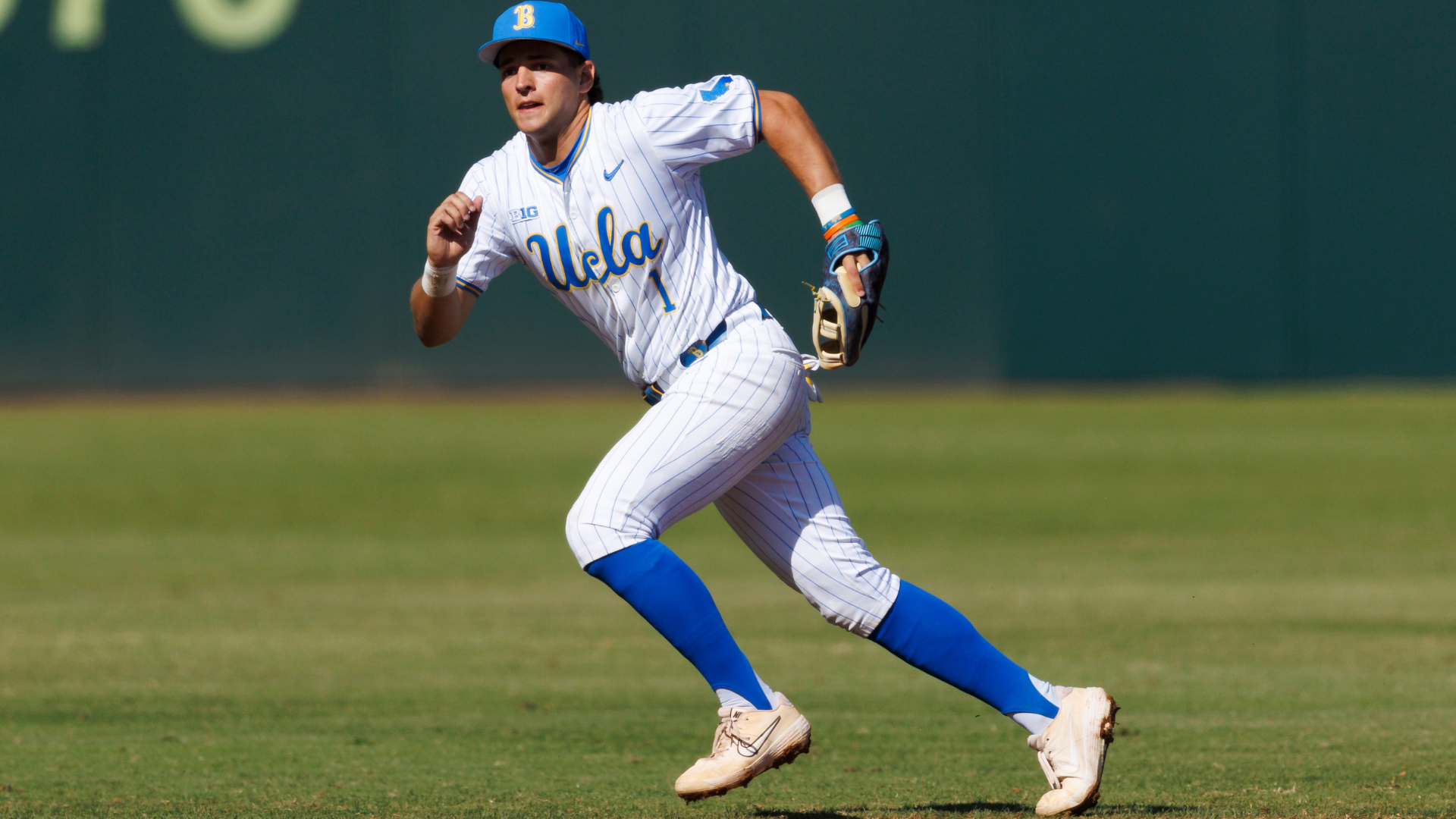
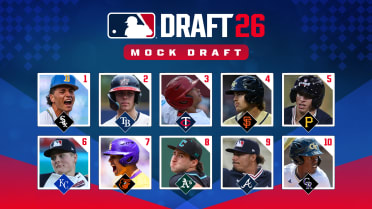
The draft positioning reveals critical insights into team strategies. The Chicago White Sox, securing the No. 1 overall pick, exemplify this approach by targeting Roch Cholowsky, a UCLA shortstop whose remarkable transformation—hitting 23 home runs in his sophomore season—demonstrates the modern draft's emphasis on player development potential. This selection isn't just about current performance, but about projecting athletic trajectory and adaptability.
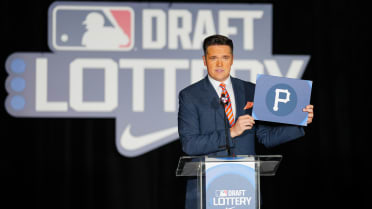
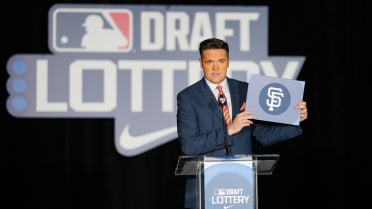
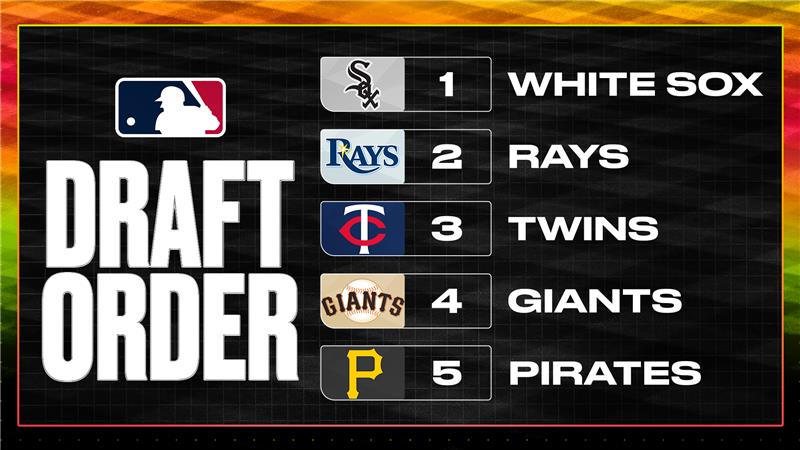
The draft's composition is particularly noteworthy: nine of the 25 first-round selections are projected to be shortstops, signaling a league-wide prioritization of versatile, defensively strong players with offensive upside. Teams like the Rays, Twins, Giants, and Pirates are strategically seeking young talents who can provide multi-dimensional value. This trend reflects a broader shift from traditional positional drafting to holistic player potential assessment.
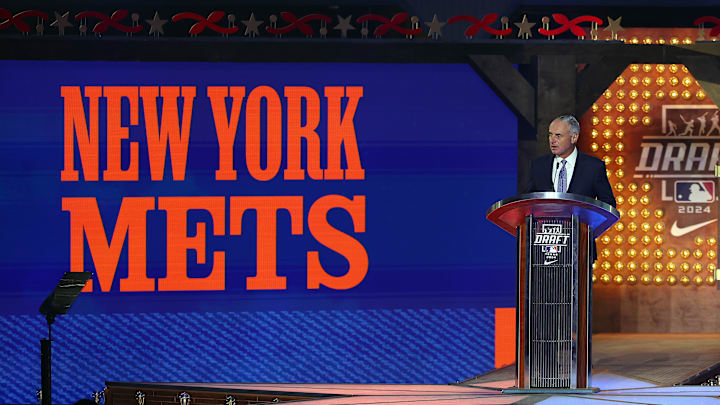
Interestingly, competitive dynamics add another layer of complexity. Teams like the Mets, Yankees, and Dodgers face draft pick penalties for exceeding the competitive balance tax threshold, which could dramatically alter their talent acquisition strategies. Such nuanced rules transform the draft from a simple talent selection process into a sophisticated strategic negotiation.
The Oakland Athletics' approach further illustrates this trend. Despite consistently underperforming in draft lotteries, they remain committed to a patient, systematic talent development strategy. Their willingness to consider multiple positions—from shortstops like Justin Lebron to promising pitchers like Carson Bolemon—demonstrates a flexible, opportunity-driven approach to roster construction.
Ultimately, the 2026 MLB Draft represents more than an annual talent acquisition event. It's a complex ecosystem where data-driven scouting, player development potential, organizational strategy, and financial constraints intersect to shape the future of professional baseball.
Questions 3
What makes Roch Cholowsky a standout 2026 draft prospect?
Cholowsky represents the modern draft prospect: a player who dramatically improved his draft stock through collegiate performance. His 23 home runs in his sophomore season, combined with his defensive skills, make him an attractive pick that demonstrates the evolving nature of talent evaluation in baseball.
How do draft penalties impact team strategies?
Teams exceeding the competitive balance tax threshold, like the Mets and Yankees, will have their top draft picks dropped 10 spots. This penalty forces teams to be more strategic in player selection, potentially prioritizing high-potential, cost-effective prospects over expensive, established talents.