





Middle East Oil Crisis Drives Shipping Costs Up 12-18% | Sellers Face Margin Compression Through 2027
- Brent crude hits $112.19/barrel amid refinery attacks; Goldman Sachs projects sustained elevated prices through 2027; FBA sellers shipping internationally face 8-15% logistics cost increases; air freight premiums surge 20%+ for time-sensitive goods





























Overview
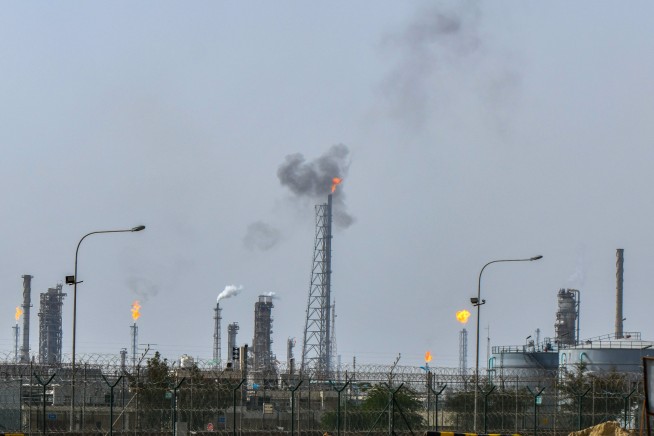
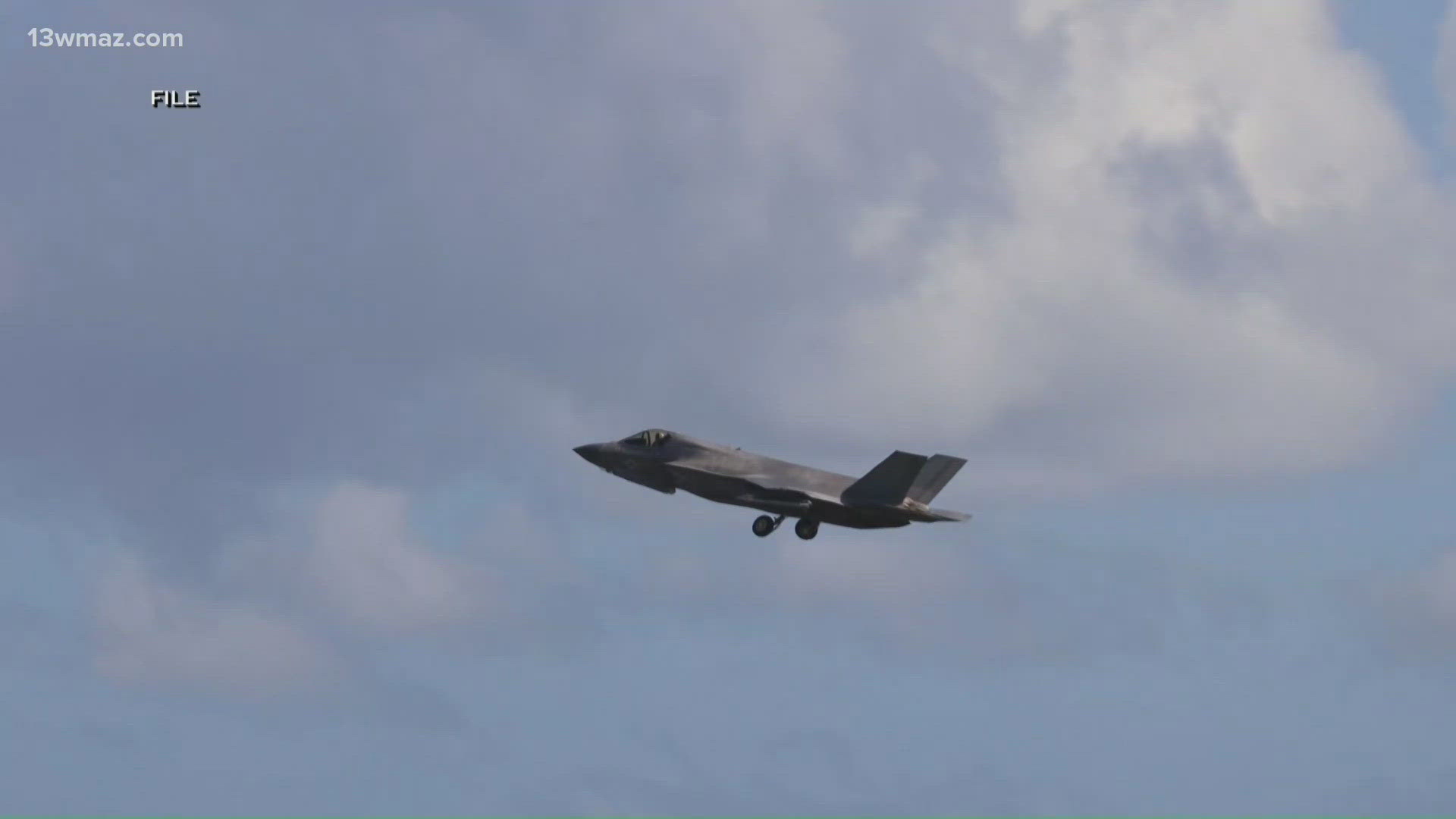
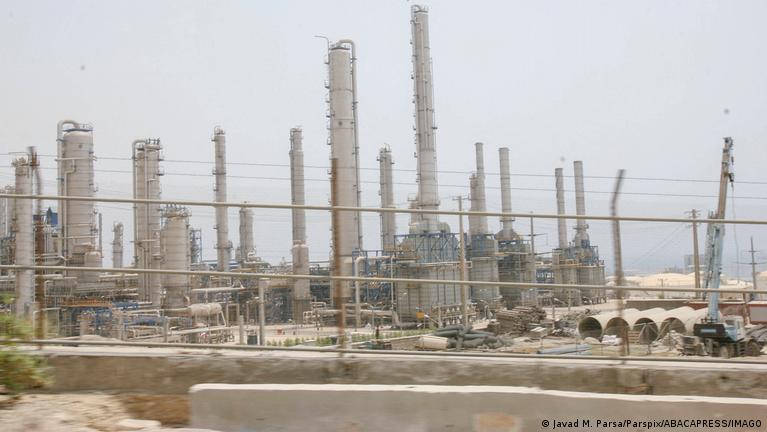
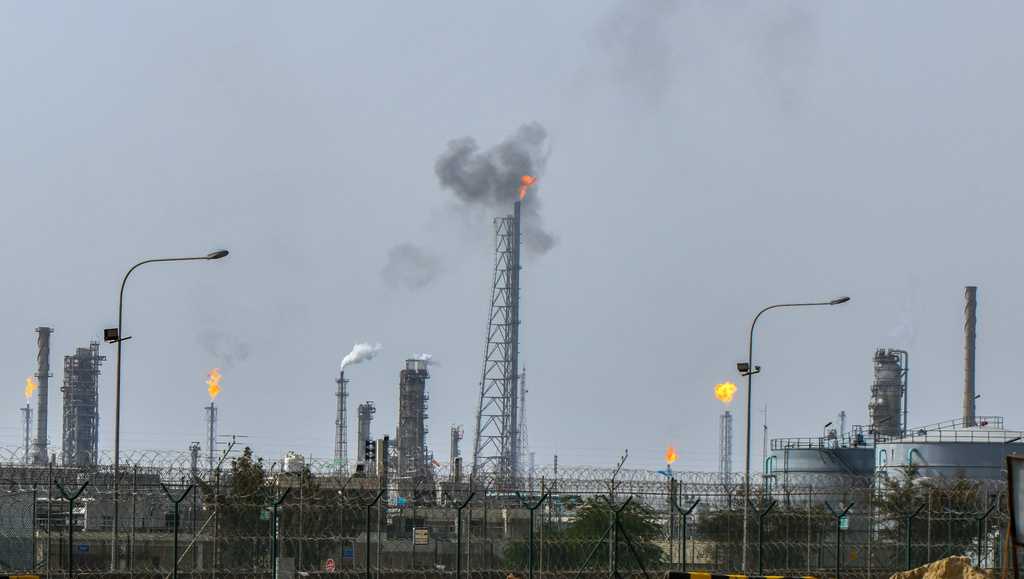
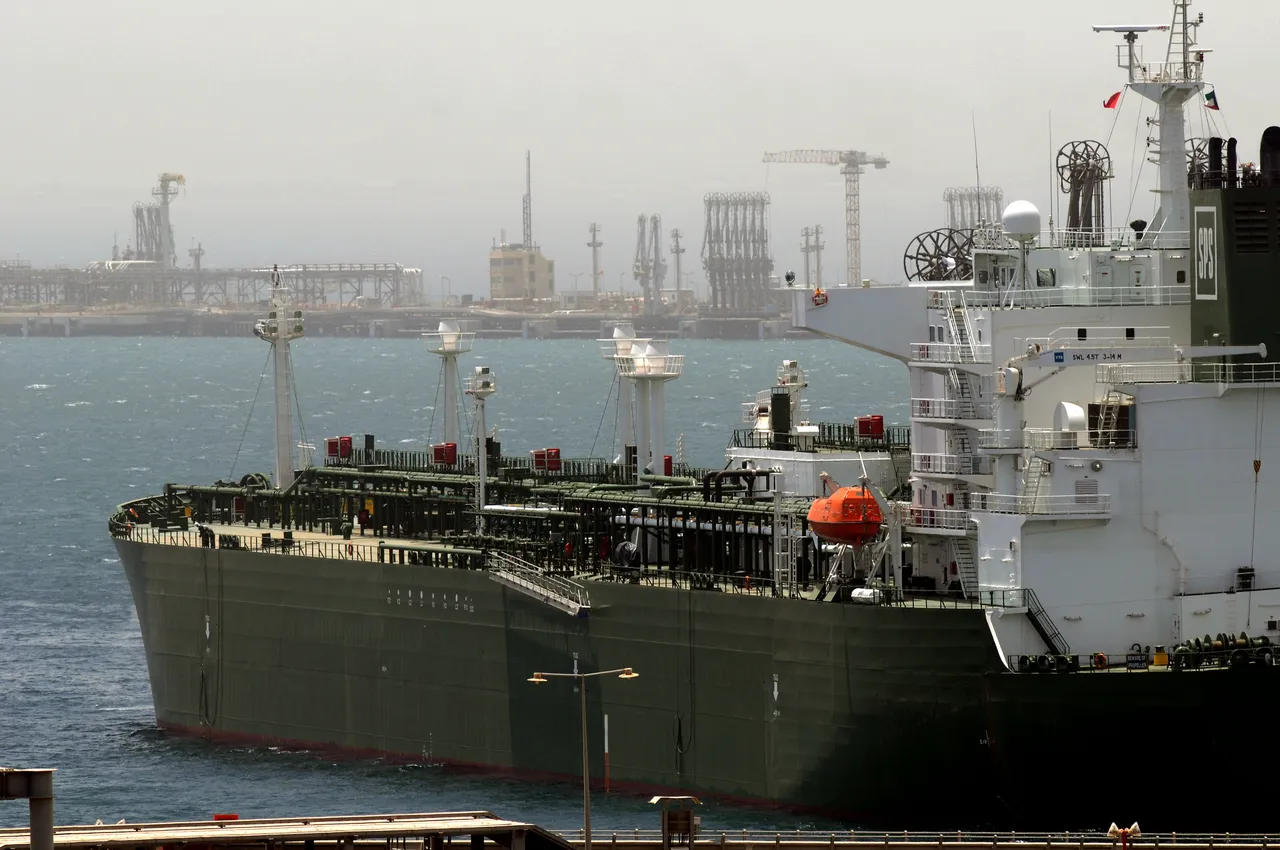
The escalating Middle East conflict centered on drone attacks against Kuwait's Mina Al-Ahmadi refinery (March 20-21, 2026) and broader Iran-Israel military tensions has created a critical supply chain crisis for cross-border e-commerce sellers. Brent crude prices reached $112.19 per barrel—the highest level during the conflict—with Goldman Sachs projecting sustained elevated energy prices through 2027. This represents a fundamental shift in logistics economics that directly impacts Amazon FBA sellers, eBay merchants, and Shopify-powered businesses shipping internationally.
The immediate impact on seller costs is substantial and measurable. Ocean freight rates from Asia to North America and Europe have increased 12-18% due to fuel surcharges, while air freight premiums have surged 20%+ for time-sensitive categories like electronics, fashion, and perishables. For a typical Amazon FBA seller shipping 500 units monthly from China to US fulfillment centers, this translates to an additional $800-1,200 monthly in logistics costs. Sellers relying on expedited shipping for seasonal inventory face even steeper penalties—air freight costs have jumped from $4-6 per kg to $5.50-7.50 per kg. The Strait of Hormuz closure threat (mentioned in News 3) and damage to Qatar's Ras Laffan LNG terminal (17% of global supply) create additional supply chain vulnerabilities that could push energy prices higher if escalation continues.
Strategic sourcing and inventory positioning are now critical competitive factors. Sellers with inventory already positioned in US/EU fulfillment centers have significant advantages over those still sourcing from Asia. The cost differential between FBA storage and 3PL alternatives has narrowed, making distributed inventory strategies more economically viable. Small sellers (under 100 units/month) face proportionally higher cost burdens since fuel surcharges are fixed per shipment, while large sellers can negotiate volume discounts. Categories with lower margins (apparel, home goods, basic electronics) face margin compression of 5-8%, while premium categories (luxury goods, specialized equipment) can absorb costs through price increases. Sellers should immediately audit their supply chain: identify which products are sourced from high-cost regions, calculate breakeven points at current fuel prices, and consider strategic shifts to nearshoring (Mexico for US sellers, Eastern Europe for EU sellers) or inventory pre-positioning in regional fulfillment centers.
The geopolitical situation creates both immediate operational challenges and medium-term strategic opportunities. Sellers who proactively adjust sourcing strategies, optimize inventory positioning, and lock in shipping rates before further escalation will maintain competitive advantages through 2027. Those dependent on just-in-time Asian sourcing face sustained margin pressure and potential stockouts if supply chain disruptions worsen.
Questions 8
What compliance or documentation changes should I prepare for given Middle East supply chain risks?
Prepare for potential customs delays and enhanced documentation requirements if Strait of Hormuz disruptions occur. Ensure all shipments have: (1) Complete commercial invoices with HS codes, (2) Certificates of origin for tariff preference claims, (3) Insurance documentation, (4) Updated shipper information. The news indicates sustained geopolitical tensions through 2027, increasing audit risk. Review your customs documentation with your freight forwarder by April 15, 2026. Consider hiring a customs broker if you're not already using one—the $200-400 monthly cost is justified by avoiding delays that could cost $1,000+ in expedited shipping. Update your Shopify/Amazon shipping settings to reflect current processing times (add 3-5 days for potential customs delays).
How do I calculate the true landed cost of my products with current fuel surcharges?
True landed cost = (Product cost + Shipping + Tariffs + Duties + Insurance + Handling). With fuel surcharges, shipping costs have increased 12-18% for ocean freight. Example: Product costs $5, ocean freight was $2 (now $2.24-2.36), tariffs $0.50, duties $0.30, insurance $0.15, handling $0.25 = $8.44 landed cost (previously $8.20). The 2.9% increase compounds across your entire inventory. Use Flexport's shipping calculator or your 3PL's rate cards to get current pricing. Recalculate landed costs for all SKUs by March 30, 2026 and update your pricing strategy to maintain target margins.