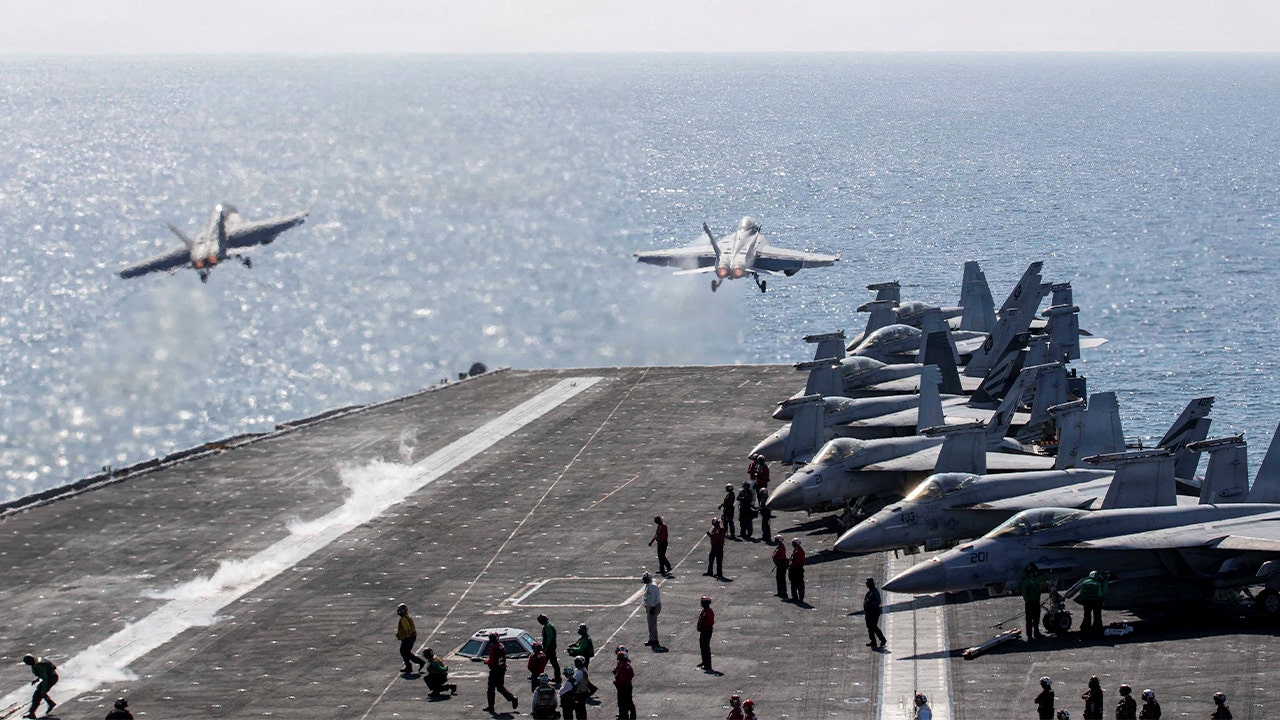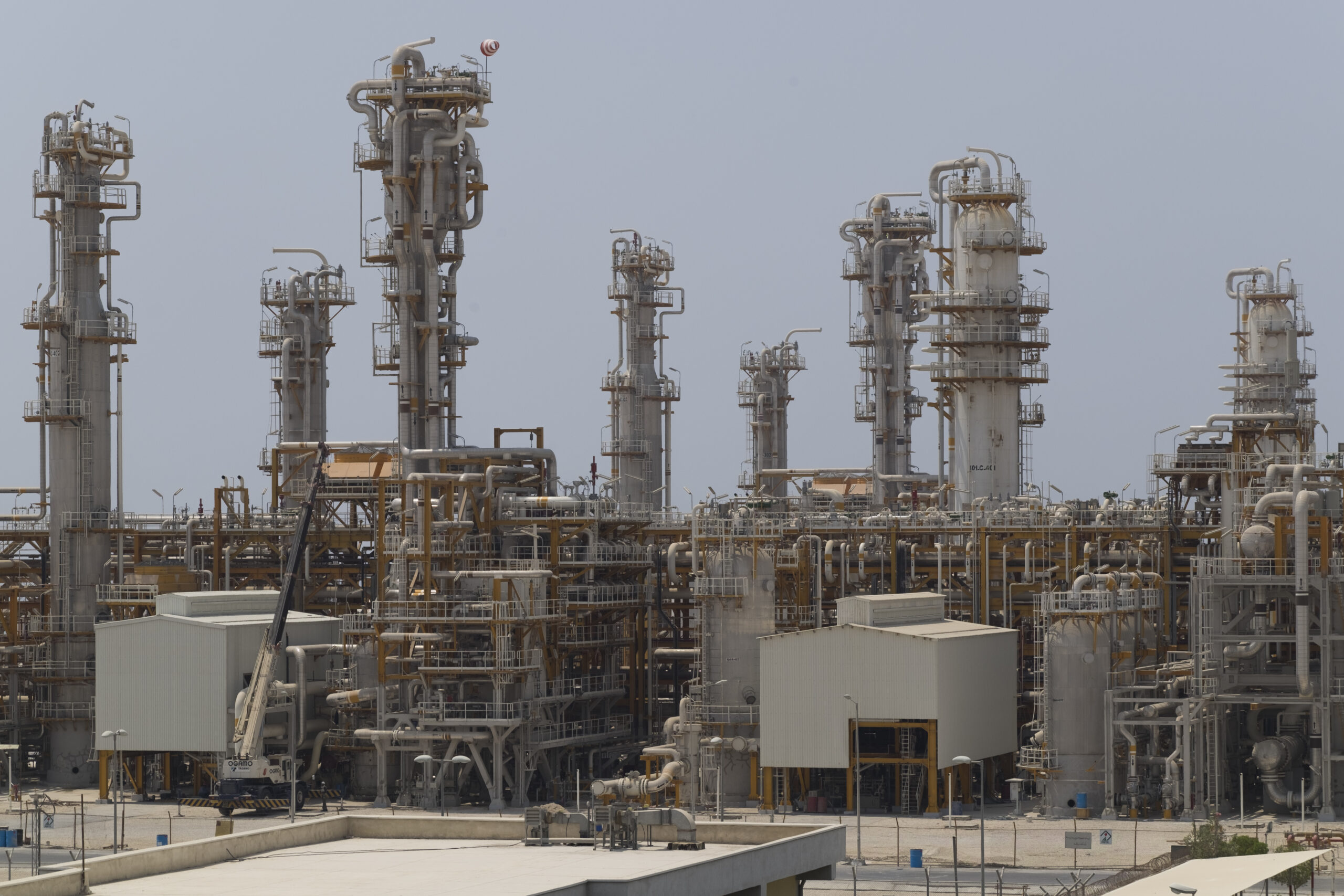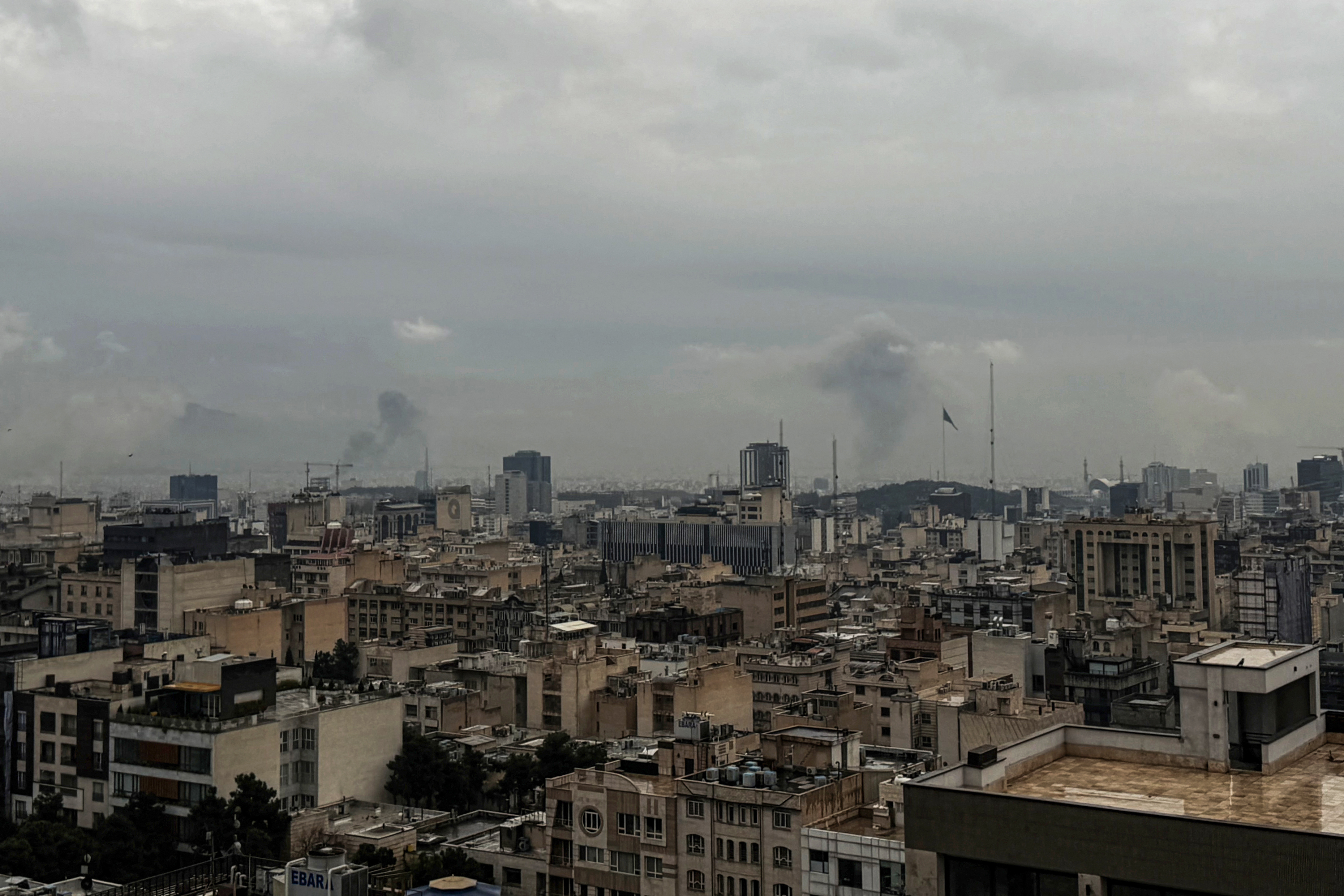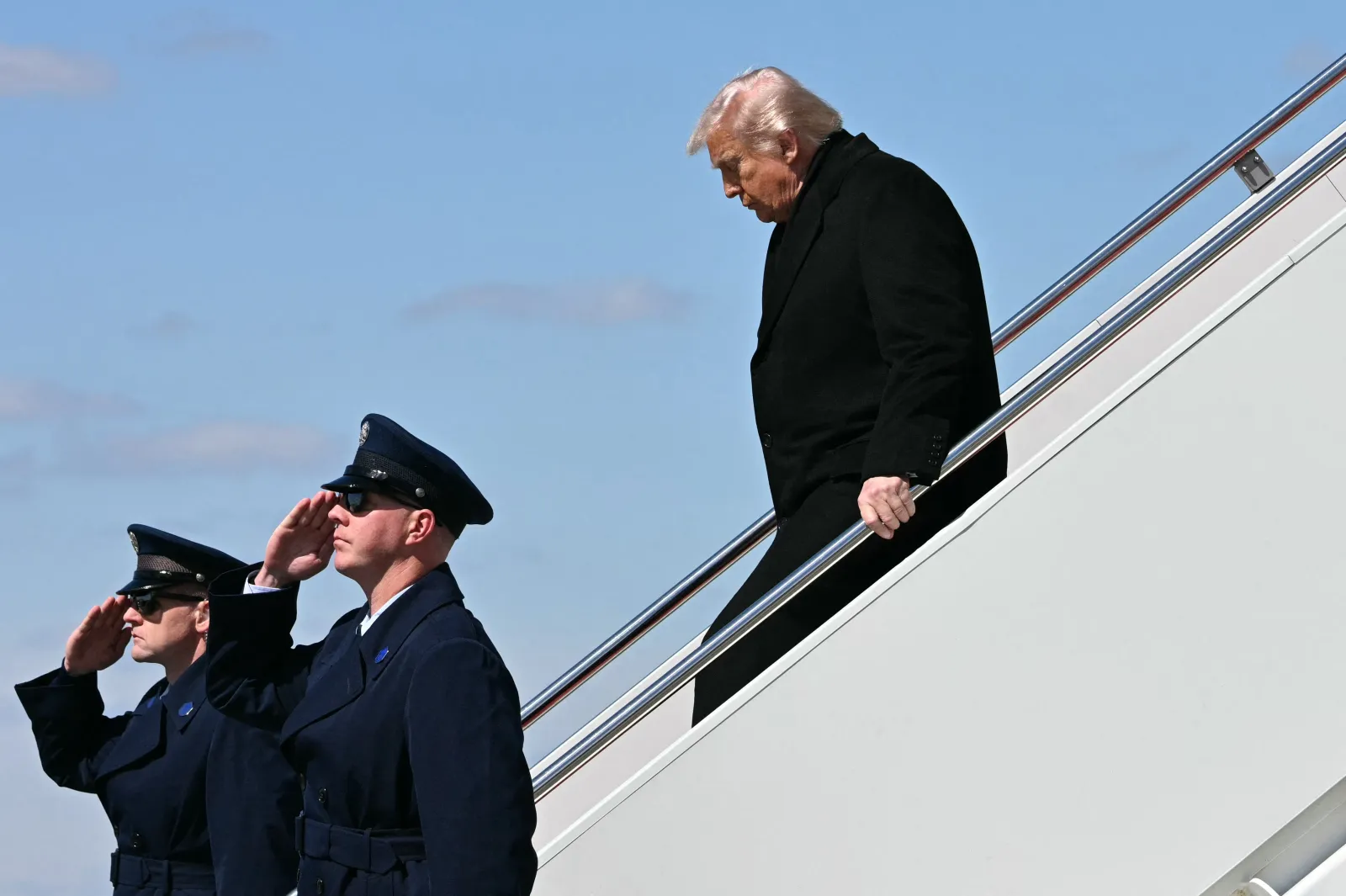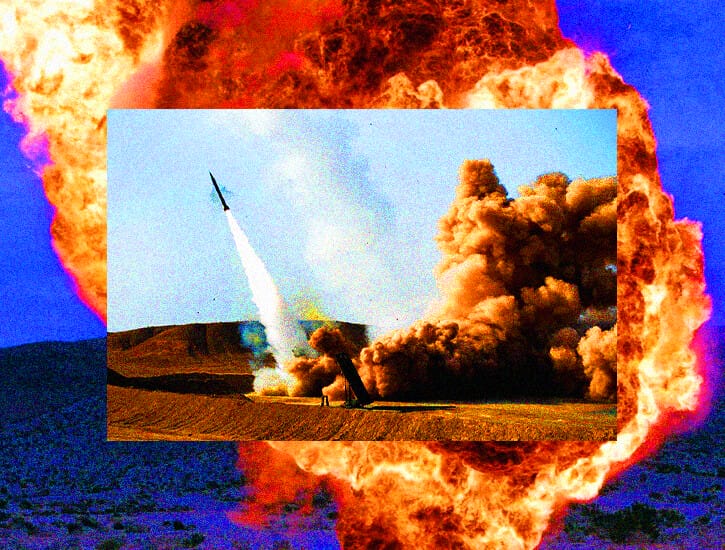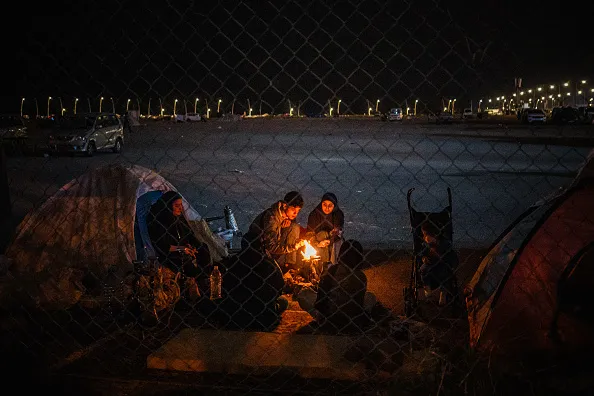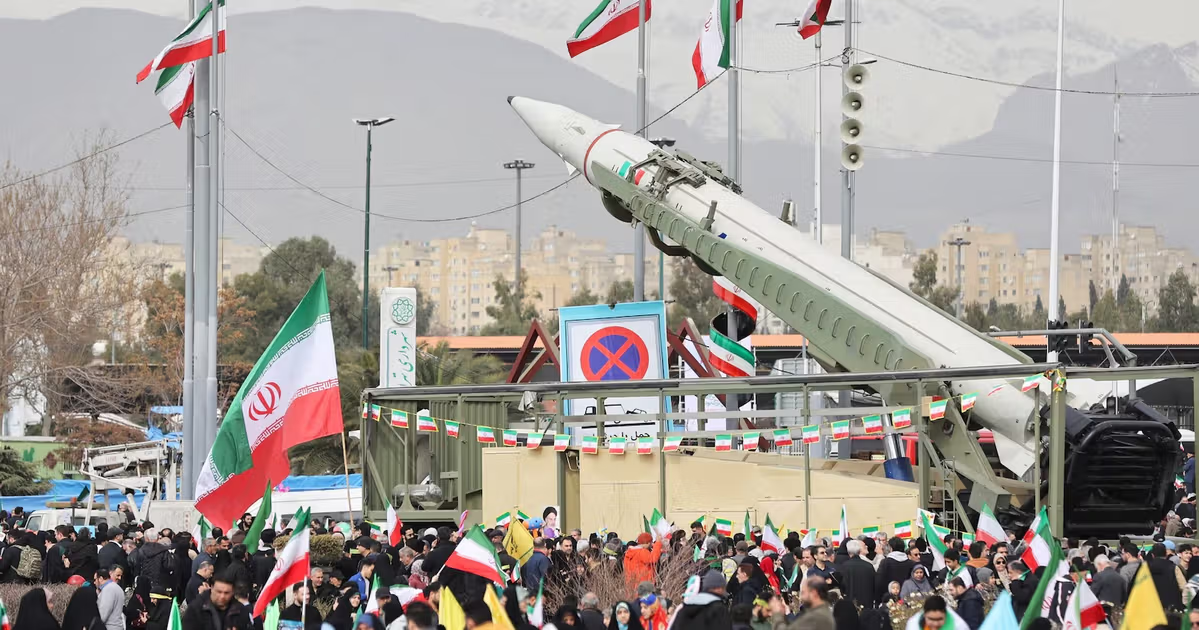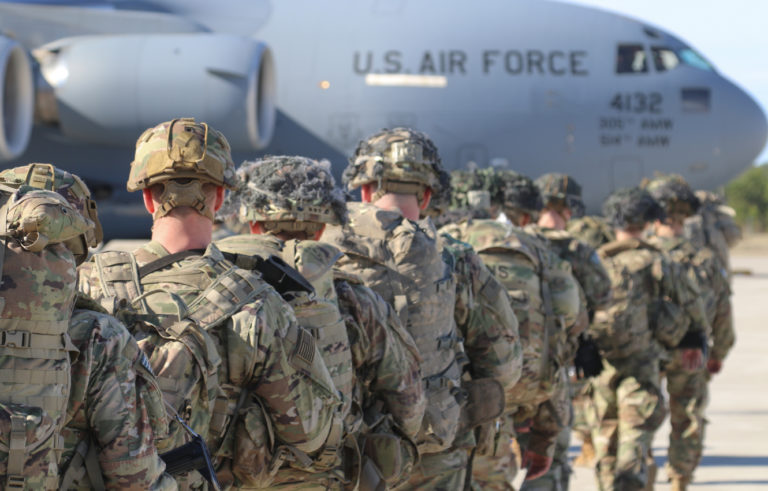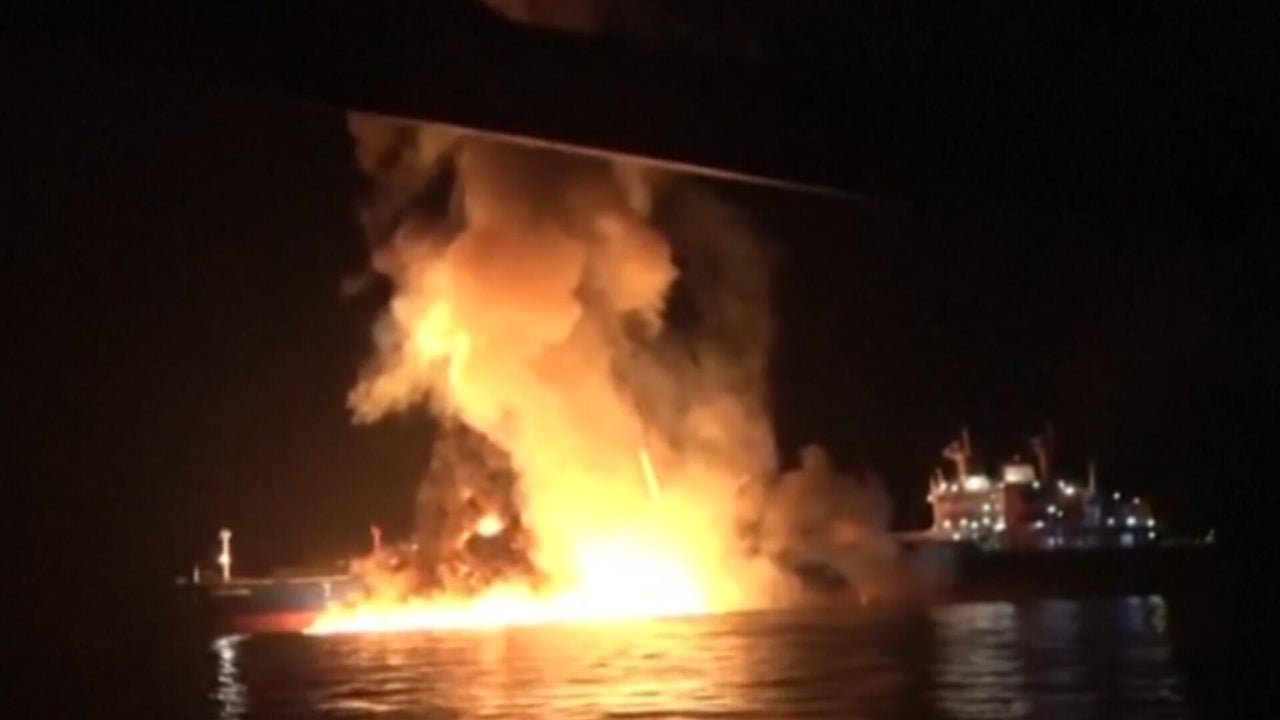




The escalating US-Israel military campaign against Iran as of March 2026 creates critical supply chain vulnerabilities for cross-border e-commerce sellers, particularly those reliant on time-sensitive logistics through the Strait of Hormuz. The conflict has degraded Iran's military capabilities (90% missile reduction, 95% drone capacity loss) but paradoxically increases asymmetric disruption risk—approximately 20% of global oil passes through this chokepoint, and Iranian commanders have explicitly conditioned tanker traffic resumption on American force withdrawal. This creates a three-tier impact on sellers: (1) Energy Cost Escalation: Fuel surcharges on air freight to Asia-Pacific markets typically increase 8-15% during regional instability, directly compressing margins for sellers shipping electronics, apparel, and consumer goods from China/Vietnam to US/EU markets. A typical seller moving 500 units monthly via air freight faces $1,200-2,400 additional monthly costs. (2) Shipping Route Diversification Costs: Sellers must evaluate alternative routing through Suez Canal (longer transit, higher Suez Canal Authority fees) or around Cape of Good Hope (30-40 additional days, 15-20% cost premium). This forces inventory planning adjustments—sellers must increase safety stock by 20-30% to compensate for extended lead times, tying up $5,000-15,000 in working capital per SKU. (3) Market Access Compression in Gulf States: Qatar and Saudi Arabia maintain careful restraint but face economic uncertainty. E-commerce demand in these markets (combined $8-12B annual cross-border import value) may contract 10-20% if regional instability widens, particularly affecting sellers in luxury goods, electronics, and home furnishings categories. The news indicates phased de-escalation as most likely scenario, with China positioned as mediator (having brokered March 2023 Saudi-Iran agreement), suggesting 6-12 month resolution window. However, risk of prolonged instability mirrors 1980s Iran-Iraq War patterns, creating sustained cost pressures. Sellers should immediately audit freight routing, evaluate 3PL provider diversification, and consider inventory repositioning to reduce Hormuz-dependent logistics.
Yes, likely 10-20% contraction in Gulf states (Qatar, Saudi Arabia) if instability widens. The news reports Gulf capitals express concern about unclear US endgame objectives and worry about bearing disproportionate burdens. These markets represent $8-12B in annual cross-border e-commerce imports, with strongest demand in luxury goods, electronics, and home furnishings. Sellers should monitor demand signals in these categories through Amazon/eBay sales data—declining conversion rates or increased cart abandonment in Gulf-region traffic indicate market contraction. However, the news suggests phased de-escalation rather than comprehensive conflict, meaning initial phases focus on halting attacks on civilian infrastructure and securing Strait of Hormuz. This suggests consumer-facing markets may stabilize faster than logistics corridors. Sellers should reduce inventory commitments to Gulf markets by 10-15% for next 6 months while maintaining supplier relationships for rapid restock if de-escalation accelerates.
Diversify across multiple 3PL providers with different routing capabilities. Current best practice is maintaining relationships with 2-3 providers offering: (1) Primary routing through Hormuz (lowest cost, highest risk), (2) Alternative Suez Canal routing (15-20% cost premium, 15-20 additional days), (3) Cape of Good Hope routing (20-25% cost premium, 30-40 additional days). Request rate quotes for all three routes immediately—most providers offer 30-day rate locks. Evaluate providers' geopolitical risk insurance offerings; some major 3PLs (DHL, FedEx, UPS) offer coverage for supply chain disruptions. For sellers with $50K+ monthly logistics spend, negotiate volume commitments across multiple routes to secure rate stability. The news indicates potential 6-12 month resolution window, so lock in rates for Q2-Q3 2026 before market adjusts.
Yes, significantly. Extended shipping routes (Suez/Cape of Good Hope alternatives) add 30-40 days to lead times compared to Hormuz routing. Industry best practice during geopolitical disruption is increasing safety stock by 20-30% per SKU to prevent stockouts. For a seller with 10 active SKUs averaging $500 inventory value each, this represents $10,000-15,000 in additional working capital tied up. Calculate your current lead time variability and multiply by 1.25-1.30 to determine new safety stock levels. Monitor news for de-escalation signals—China is positioned as mediator and successfully brokered the March 2023 Saudi-Iran agreement, suggesting resolution within 6-12 months could reduce these buffers.
The conflict directly impacts fuel surcharges on air and sea freight. Approximately 20% of global oil passes through the Strait of Hormuz, and regional instability typically triggers 8-15% fuel surcharge increases within 2-4 weeks. For sellers shipping 500 units monthly via air freight, this translates to $1,200-2,400 in additional monthly costs. The news indicates Iran has conditioned tanker traffic resumption on American force withdrawal, suggesting sustained pressure for 6-12 months. Sellers should immediately contact 3PL providers for updated rate cards and evaluate alternative routing through Suez Canal or Cape of Good Hope, though these alternatives add 15-40 days to transit time and 15-20% cost premiums.
Alternative routing through Suez Canal or Cape of Good Hope requires updated customs documentation and potentially different insurance coverage. Suez Canal routing involves Egyptian customs clearance (additional 2-3 days, standard documentation), while Cape of Good Hope routing may trigger different port authority requirements depending on transshipment points. Most 3PL providers handle documentation updates automatically, but sellers should verify: (1) Insurance coverage extends to alternative routes (some policies exclude specific regions), (2) Customs brokers are familiar with alternative port procedures, (3) Incoterms (CIF vs FOB) clearly specify who manages route selection and associated costs. The news indicates phased de-escalation focusing on securing Strait of Hormuz, suggesting primary route may remain viable with elevated costs rather than complete closure. Sellers should request updated compliance checklists from 3PL providers immediately and confirm insurance coverage for all three routing scenarios. No new tariff codes or regulatory changes are anticipated—this is primarily a logistics cost and timing issue.
Sourcing from China/Vietnam remains viable but faces elevated logistics costs. The conflict doesn't disrupt manufacturing in these regions—it impacts outbound shipping through Hormuz. For sellers currently sourcing from China/Vietnam, evaluate: (1) Nearshoring to Mexico/Central America for US-bound shipments (eliminates Hormuz exposure, reduces transit time 40-50%), (2) Increasing order frequency with smaller quantities (reduces safety stock requirements, mitigates extended lead time risk), (3) Negotiating longer payment terms with suppliers to improve cash flow during extended transit periods. The news indicates China is positioned as mediator with successful track record (March 2023 Saudi-Iran agreement), suggesting potential diplomatic resolution could stabilize sourcing corridors. However, Iran's degraded military capabilities (90% missile reduction) paradoxically increase asymmetric disruption risk through mines and fast-attack boats. Sellers should maintain current sourcing relationships but implement route diversification and inventory optimization immediately.
The news indicates phased de-escalation as most likely scenario, with China positioned as mediator (having successfully brokered March 2023 Saudi-Iran agreement). Realistic timeline suggests 6-12 months for resolution, though worst-case scenarios mirror 1980s Iran-Iraq War patterns (8-year duration). For planning purposes, assume elevated fuel surcharges (8-15%) for next 6 months, with gradual normalization over months 7-12. However, the analysis warns that military victory differs from political resolution—even if fighting ceases, Iran may pursue covert nuclear enrichment as deterrent, sustaining long-term regional instability. Sellers should plan for sustained cost pressures through Q4 2026 and adjust pricing/margin expectations accordingly. Monitor news for de-escalation signals and adjust inventory/routing strategies accordingly.
Time-sensitive, high-volume categories face greatest pressure: electronics (average 40% air freight usage), apparel (seasonal inventory requiring rapid replenishment), and consumer goods with short shelf lives. These categories typically operate on 15-25% margins, so 8-15% fuel surcharge increases compress profitability significantly. Conversely, heavy/low-value categories (furniture, home goods) already use sea freight and face less acute impact, though extended transit times (30-40 additional days via alternative routes) require inventory planning adjustments. Luxury goods and premium electronics sellers should prioritize route diversification immediately, while bulk commodity sellers can absorb delays more easily. The news indicates Gulf states (Qatar, Saudi Arabia) may experience 10-20% demand contraction if instability widens, affecting sellers in luxury and discretionary categories specifically.
Yes, likely 10-20% contraction in Gulf states (Qatar, Saudi Arabia) if instability widens. The news reports Gulf capitals express concern about unclear US endgame objectives and worry about bearing disproportionate burdens. These markets represent $8-12B in annual cross-border e-commerce imports, with strongest demand in luxury goods, electronics, and home furnishings. Sellers should monitor demand signals in these categories through Amazon/eBay sales data—declining conversion rates or increased cart abandonment in Gulf-region traffic indicate market contraction. However, the news suggests phased de-escalation rather than comprehensive conflict, meaning initial phases focus on halting attacks on civilian infrastructure and securing Strait of Hormuz. This suggests consumer-facing markets may stabilize faster than logistics corridors. Sellers should reduce inventory commitments to Gulf markets by 10-15% for next 6 months while maintaining supplier relationships for rapid restock if de-escalation accelerates.
Diversify across multiple 3PL providers with different routing capabilities. Current best practice is maintaining relationships with 2-3 providers offering: (1) Primary routing through Hormuz (lowest cost, highest risk), (2) Alternative Suez Canal routing (15-20% cost premium, 15-20 additional days), (3) Cape of Good Hope routing (20-25% cost premium, 30-40 additional days). Request rate quotes for all three routes immediately—most providers offer 30-day rate locks. Evaluate providers' geopolitical risk insurance offerings; some major 3PLs (DHL, FedEx, UPS) offer coverage for supply chain disruptions. For sellers with $50K+ monthly logistics spend, negotiate volume commitments across multiple routes to secure rate stability. The news indicates potential 6-12 month resolution window, so lock in rates for Q2-Q3 2026 before market adjusts.
Yes, significantly. Extended shipping routes (Suez/Cape of Good Hope alternatives) add 30-40 days to lead times compared to Hormuz routing. Industry best practice during geopolitical disruption is increasing safety stock by 20-30% per SKU to prevent stockouts. For a seller with 10 active SKUs averaging $500 inventory value each, this represents $10,000-15,000 in additional working capital tied up. Calculate your current lead time variability and multiply by 1.25-1.30 to determine new safety stock levels. Monitor news for de-escalation signals—China is positioned as mediator and successfully brokered the March 2023 Saudi-Iran agreement, suggesting resolution within 6-12 months could reduce these buffers.
The conflict directly impacts fuel surcharges on air and sea freight. Approximately 20% of global oil passes through the Strait of Hormuz, and regional instability typically triggers 8-15% fuel surcharge increases within 2-4 weeks. For sellers shipping 500 units monthly via air freight, this translates to $1,200-2,400 in additional monthly costs. The news indicates Iran has conditioned tanker traffic resumption on American force withdrawal, suggesting sustained pressure for 6-12 months. Sellers should immediately contact 3PL providers for updated rate cards and evaluate alternative routing through Suez Canal or Cape of Good Hope, though these alternatives add 15-40 days to transit time and 15-20% cost premiums.
Alternative routing through Suez Canal or Cape of Good Hope requires updated customs documentation and potentially different insurance coverage. Suez Canal routing involves Egyptian customs clearance (additional 2-3 days, standard documentation), while Cape of Good Hope routing may trigger different port authority requirements depending on transshipment points. Most 3PL providers handle documentation updates automatically, but sellers should verify: (1) Insurance coverage extends to alternative routes (some policies exclude specific regions), (2) Customs brokers are familiar with alternative port procedures, (3) Incoterms (CIF vs FOB) clearly specify who manages route selection and associated costs. The news indicates phased de-escalation focusing on securing Strait of Hormuz, suggesting primary route may remain viable with elevated costs rather than complete closure. Sellers should request updated compliance checklists from 3PL providers immediately and confirm insurance coverage for all three routing scenarios. No new tariff codes or regulatory changes are anticipated—this is primarily a logistics cost and timing issue.
Sourcing from China/Vietnam remains viable but faces elevated logistics costs. The conflict doesn't disrupt manufacturing in these regions—it impacts outbound shipping through Hormuz. For sellers currently sourcing from China/Vietnam, evaluate: (1) Nearshoring to Mexico/Central America for US-bound shipments (eliminates Hormuz exposure, reduces transit time 40-50%), (2) Increasing order frequency with smaller quantities (reduces safety stock requirements, mitigates extended lead time risk), (3) Negotiating longer payment terms with suppliers to improve cash flow during extended transit periods. The news indicates China is positioned as mediator with successful track record (March 2023 Saudi-Iran agreement), suggesting potential diplomatic resolution could stabilize sourcing corridors. However, Iran's degraded military capabilities (90% missile reduction) paradoxically increase asymmetric disruption risk through mines and fast-attack boats. Sellers should maintain current sourcing relationships but implement route diversification and inventory optimization immediately.
The news indicates phased de-escalation as most likely scenario, with China positioned as mediator (having successfully brokered March 2023 Saudi-Iran agreement). Realistic timeline suggests 6-12 months for resolution, though worst-case scenarios mirror 1980s Iran-Iraq War patterns (8-year duration). For planning purposes, assume elevated fuel surcharges (8-15%) for next 6 months, with gradual normalization over months 7-12. However, the analysis warns that military victory differs from political resolution—even if fighting ceases, Iran may pursue covert nuclear enrichment as deterrent, sustaining long-term regional instability. Sellers should plan for sustained cost pressures through Q4 2026 and adjust pricing/margin expectations accordingly. Monitor news for de-escalation signals and adjust inventory/routing strategies accordingly.
Time-sensitive, high-volume categories face greatest pressure: electronics (average 40% air freight usage), apparel (seasonal inventory requiring rapid replenishment), and consumer goods with short shelf lives. These categories typically operate on 15-25% margins, so 8-15% fuel surcharge increases compress profitability significantly. Conversely, heavy/low-value categories (furniture, home goods) already use sea freight and face less acute impact, though extended transit times (30-40 additional days via alternative routes) require inventory planning adjustments. Luxury goods and premium electronics sellers should prioritize route diversification immediately, while bulk commodity sellers can absorb delays more easily. The news indicates Gulf states (Qatar, Saudi Arabia) may experience 10-20% demand contraction if instability widens, affecting sellers in luxury and discretionary categories specifically.
Yes, likely 10-20% contraction in Gulf states (Qatar, Saudi Arabia) if instability widens. The news reports Gulf capitals express concern about unclear US endgame objectives and worry about bearing disproportionate burdens. These markets represent $8-12B in annual cross-border e-commerce imports, with strongest demand in luxury goods, electronics, and home furnishings. Sellers should monitor demand signals in these categories through Amazon/eBay sales data—declining conversion rates or increased cart abandonment in Gulf-region traffic indicate market contraction. However, the news suggests phased de-escalation rather than comprehensive conflict, meaning initial phases focus on halting attacks on civilian infrastructure and securing Strait of Hormuz. This suggests consumer-facing markets may stabilize faster than logistics corridors. Sellers should reduce inventory commitments to Gulf markets by 10-15% for next 6 months while maintaining supplier relationships for rapid restock if de-escalation accelerates.
Diversify across multiple 3PL providers with different routing capabilities. Current best practice is maintaining relationships with 2-3 providers offering: (1) Primary routing through Hormuz (lowest cost, highest risk), (2) Alternative Suez Canal routing (15-20% cost premium, 15-20 additional days), (3) Cape of Good Hope routing (20-25% cost premium, 30-40 additional days). Request rate quotes for all three routes immediately—most providers offer 30-day rate locks. Evaluate providers' geopolitical risk insurance offerings; some major 3PLs (DHL, FedEx, UPS) offer coverage for supply chain disruptions. For sellers with $50K+ monthly logistics spend, negotiate volume commitments across multiple routes to secure rate stability. The news indicates potential 6-12 month resolution window, so lock in rates for Q2-Q3 2026 before market adjusts.