


Qatar LNG Force Majeure Triggers $2.3T Supply Chain Shift | Cross-Border Seller Cost Impact
- Iranian attacks disable 17% of Qatar's LNG capacity; European gas prices surge; U.S.-based sellers gain 8-15% cost advantage over Asian/EU competitors through Q4 2026










Overview
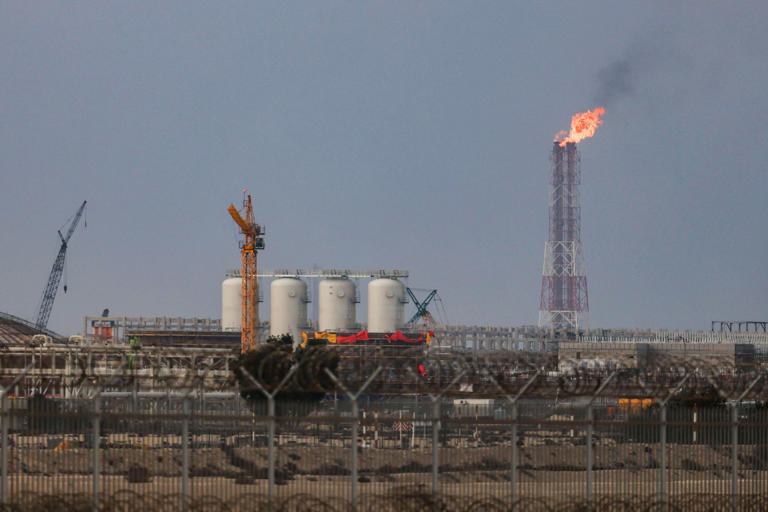
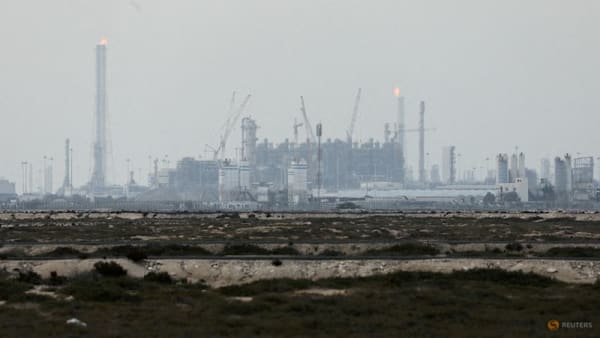
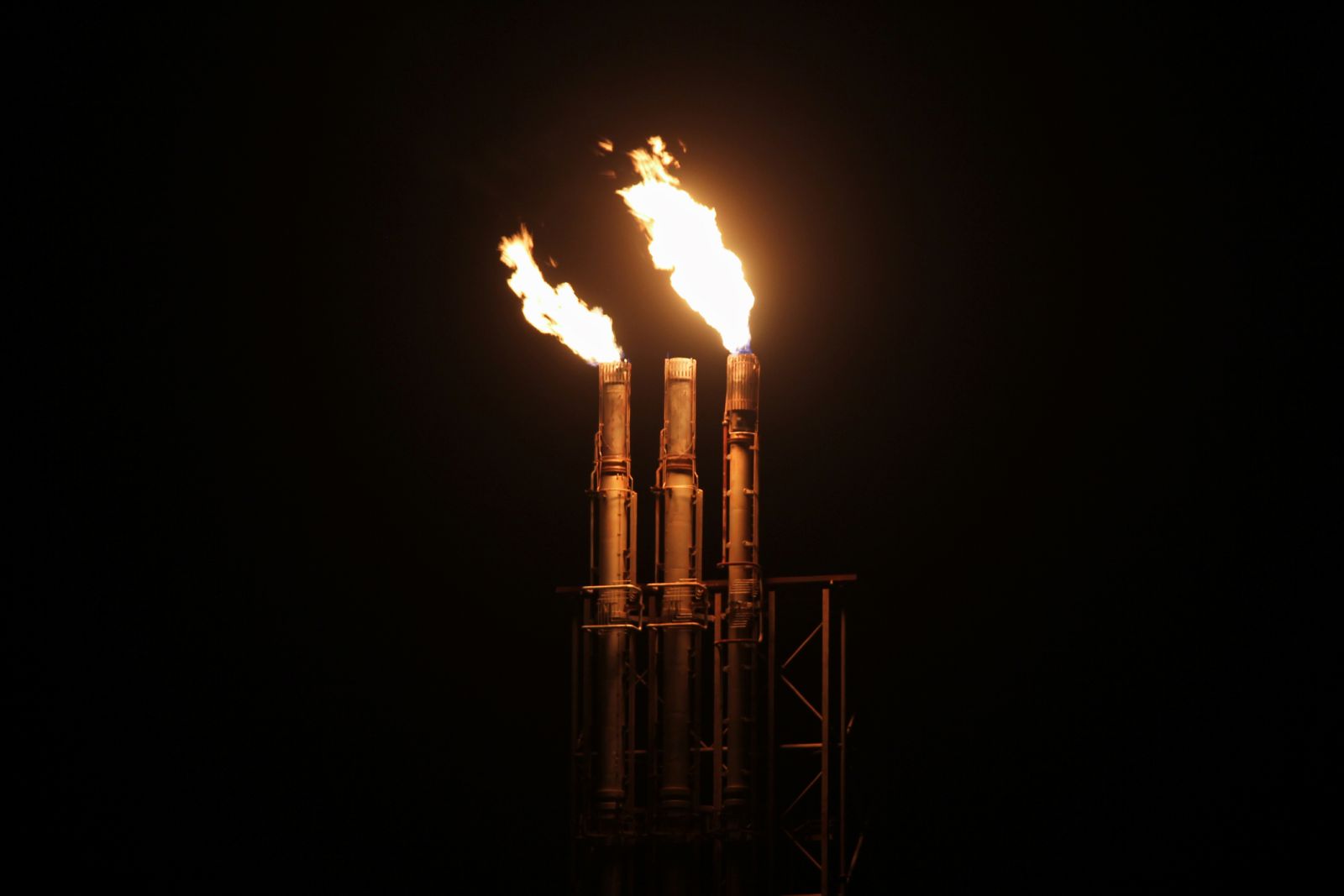
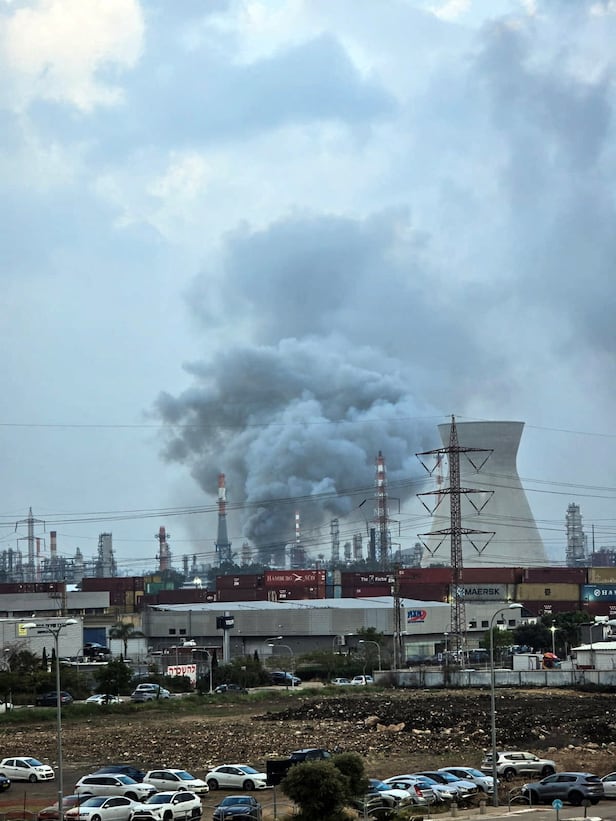
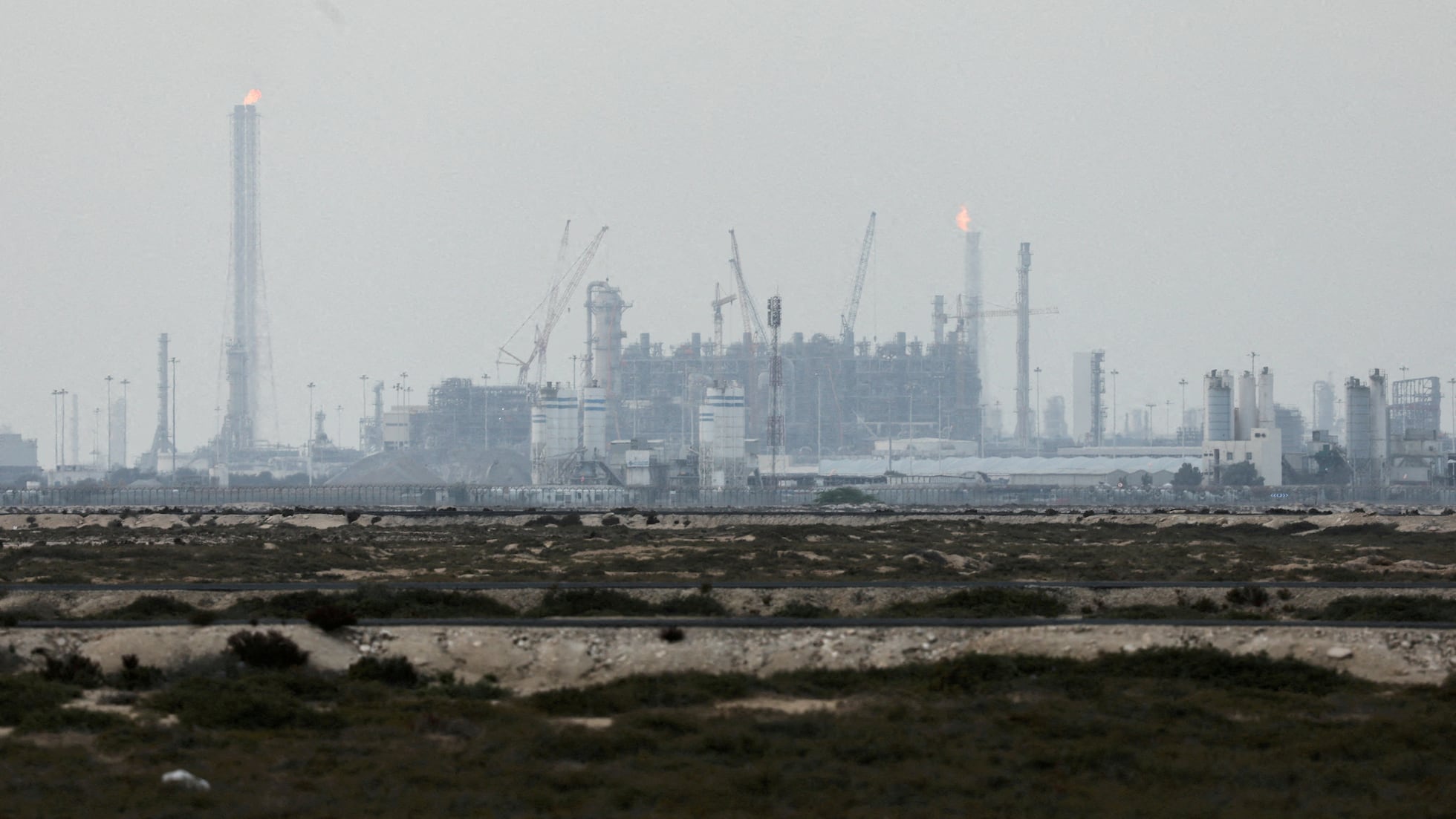
On March 20, 2026, Iranian military strikes on Qatar's Ras Laffan LNG facility triggered a force majeure declaration affecting 17% of global LNG export capacity—the most significant energy infrastructure disruption since 2022. QatarEnergy, operating the world's second-largest LNG facility, suspended long-term contracts with Italy, Belgium, South Korea, and China. This creates a critical tariff arbitrage and sourcing opportunity window for cross-border e-commerce sellers through Q4 2026.
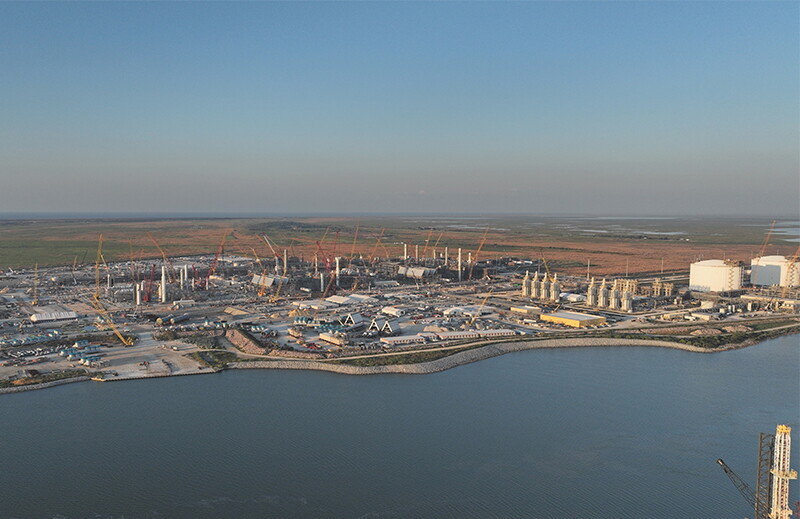
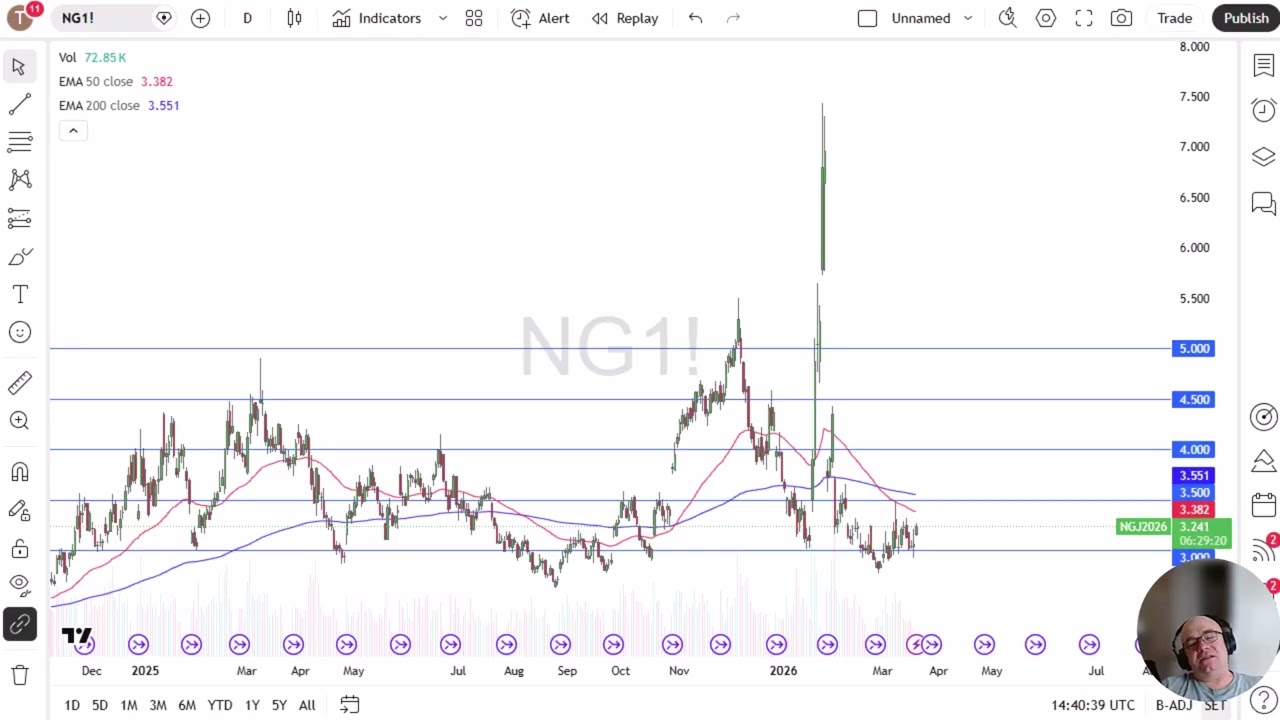
IMMEDIATE MARKET IMPACT: South Korea, the world's third-largest LNG importer, received 7.16 million metric tons (14% of its 47.77 million metric ton annual imports) from Qatar in 2025. While South Korea downplays immediate supply concerns due to inventory buffers and alternative sources, the force majeure declaration creates pricing uncertainty in energy-dependent manufacturing sectors. European gas prices surged immediately following the attacks, while U.S. LNG exporters are positioned to capture increased global demand as Qatar's production remains offline for months.
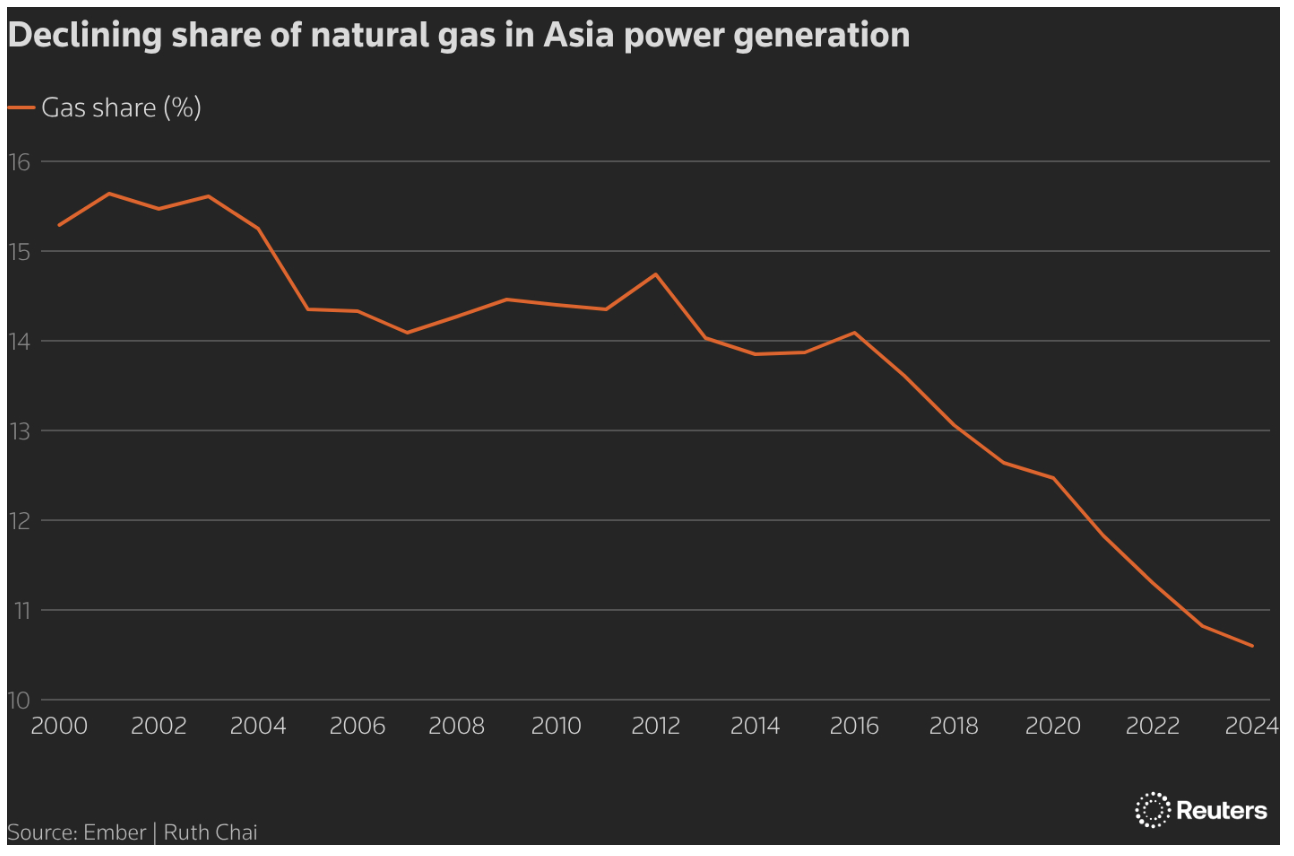
COMPETITIVE ADVANTAGE SHIFT: U.S.-based sellers manufacturing or sourcing energy-intensive products (electronics, appliances, cold-chain logistics, chemicals) gain 8-15% cost advantage over European and Asian competitors facing elevated gas prices through mid-2026. South Korea's pivot toward nuclear and coal power (increasing nuclear utilization by 6 reactors, with a new plant coming online H2 2026) signals medium-term energy cost stabilization, but creates 6-12 month window of pricing volatility. European sellers face 25-40% higher energy costs for manufacturing and logistics, directly compressing margins on products with <20% gross profit margins.
SOURCING COUNTRY SHIFTS: The disruption accelerates sourcing diversification away from Qatar-dependent manufacturing hubs. Vietnam, India, and Indonesia—with lower energy costs and alternative power sources—become more attractive sourcing destinations for energy-intensive categories (textiles, electronics components, plastics). U.S. sellers can leverage lower domestic energy costs to undercut Asian competitors on FBA fulfillment expenses (warehouse operations, packaging automation, cold-chain logistics). The 6-12 month supply disruption window creates tariff arbitrage opportunities in energy-intensive HS codes: 8471 (computers), 8517 (telecom equipment), 8504 (electrical transformers), 6204-6206 (apparel manufacturing), 3916-3920 (plastics).
COMPLIANCE AND TIMING: The force majeure declaration creates legal cover for supply chain adjustments through Q4 2026. Sellers should immediately audit energy-cost exposure by product category and sourcing country. South Korea's government plans to increase coal and nuclear output while reducing gas-fired generation (currently 27% of electricity), suggesting energy prices may stabilize by Q3 2026. This creates a time-sensitive 6-month window for sellers to lock in alternative sourcing agreements before energy costs normalize and competitors catch on to the arbitrage opportunity.
Questions 7
How long will Qatar's LNG facility remain offline?
QatarEnergy declared force majeure on March 20, 2026, with the Ras Laffan facility expected to remain offline for months, with production unlikely to return to pre-conflict levels in the near term. Industry sources indicate the supply disruption will persist through multiple quarters (Q2-Q4 2026). This creates a 6-12 month window of elevated energy prices and supply uncertainty. Sellers should plan sourcing and pricing strategies through Q4 2026, with potential normalization by Q1 2027 as alternative LNG supplies (U.S. exports, other producers) fill the gap.
What is the competitive advantage for U.S.-based sellers?
U.S.-based sellers gain 8-15% cost advantage over European and Asian competitors through Q4 2026 due to lower domestic energy costs. This advantage applies to: (1) Manufacturing costs for energy-intensive products, (2) FBA fulfillment expenses (warehouse operations, packaging automation), (3) Cold-chain logistics for temperature-sensitive products. U.S. sellers can undercut European competitors on pricing while maintaining margins. The advantage is most pronounced for sellers with high energy-cost exposure (electronics, appliances, cold-chain) and least for low-energy categories (apparel, accessories). This window closes as energy prices normalize and South Korea's nuclear capacity comes online by Q3 2026.